
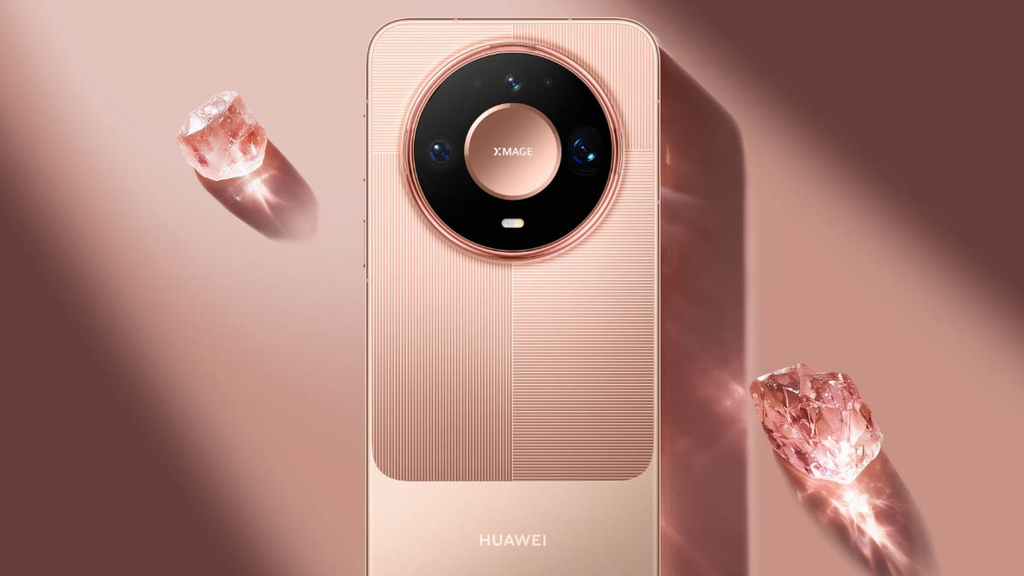
Huawei has officially revealed its long-awaited Mate 90 smartphone lineup, and the tech world is paying close attention. After years of heavy sanctions and tight trade restrictions from the United States, many industry experts wondered how long the Chinese tech giant could keep producing competitive flagship phones. The release of the Mate 90 series answers that question with a direct statement: Huawei is not slowing down.
Instead of relying on foreign suppliers or foreign software, Huawei built this new lineup around its own custom hardware innovations and an entirely independent operating system. The new Mate 90 lineup includes the standard Mate 90, the Mate 90 Pro, and the top-tier Mate 90 Pro Max. Each model is designed to push performance boundaries while using chips created entirely under strict local manufacturing constraints.
Here is a full breakdown of what Huawei announced, how their new homegrown technology works, what the phones cost, and what this launch means for the future of mobile phones worldwide.
What Makes the Huawei Mate 90 Series Stand Out?
The Mate 90 series brings several eye-catching hardware upgrades that position it directly against top premium phones on the market. From display brightness to battery capacity and camera design, Huawei loaded these devices with specs designed to impress power users.
Displays Built to Shine in Direct Sunlight
One of the biggest talking points of the Mate 90 Pro Max is its display panel. Huawei equipped the top-end model with a screen that reaches an astonishing peak brightness of 12,000 nits.
The $0 Secret To Launching Your Entire Online Empire
Why pay hundreds every month for separate software? Build funnels, send emails, and make sales with Systeme.io completely free.
Get Started For $0Free Forever • No Credit Card Needed • Beginner-Friendly
To put that number in perspective, most standard flagship smartphones max out between 2,000 and 4,500 nits under intense outdoor lighting. A display capable of reaching 12,000 nits ensures that outdoor visibility is completely clear even under direct glare. It also provides incredible dynamic range when viewing HDR photos and high-definition video content.
The screens across the entire Mate 90 family use high-frequency pulse-width modulation (PWM) dimming to reduce eye strain during nighttime use. They also feature adaptive refresh rates that smoothly adjust between 1Hz and 120Hz depending on what you are doing, saving battery life when reading static pages.
Modular Camera Systems and Massive Battery Units
Camera performance has always been a key selling point for Huawei’s Mate line, and the Mate 90 series continues that pattern. The top-spec Mate 90 Pro Max features a massive 1-inch main camera sensor with modular lens elements. This large sensor captures significantly more light than typical phone cameras, making low-light night photography look detailed and clean without excessive digital noise.
To keep these high-brightness screens and powerful camera systems running all day, Huawei packed large battery cells into the new phones. The Mate 90 Pro Max comes with a massive 6,800mAh battery. Combined with power management built directly into the phone’s new operating system, users can expect multiday battery life under moderate usage.
Charging speeds remain fast across the board. The series supports high-wattage wired fast charging along with rapid wireless charging, allowing users to top up a drained battery in less than half an hour.
Inside the Kirin 9050 Pro: How Huawei Beat the Sanctions
The biggest story behind the Mate 90 series is not just the outer hardware, but what is powering it under the hood. U.S. sanctions have long prevented Huawei from placing orders with major global semiconductor foundries like TSMC, which use advanced Extreme Ultraviolet (EUV) lithography machines.
Without access to EUV tools, Huawei had to rethink how microchips are designed and put together. The result is the new Kirin 9050 processor family, including the Kirin 9050 Pro found inside the top models.
The Secret Behind LogicFolding Technology
To overcome manufacturing limitations, Huawei used a novel design approach known as LogicFolding technology.
Instead of relying solely on shrinking transistor sizes to fit more computing power on a single flat silicone chip, LogicFolding allows engineers to fold and stack logic components in a three-dimensional layout. This stacked architecture shortens the physical distance signals must travel inside the processor, improving speed while managing heat and power consumption.
By using LogicFolding, Huawei claims the new Mate 90 lineup delivers a 31 percent increase in overall performance compared to the previous flagship generation. That allows the phone to handle heavy multitasking, advanced graphic processing, and real-time artificial intelligence tasks with ease.
Navigating Manufacturing Limits and Supply Constraints
During the launch events, Huawei Consumer Business Group chief Richard Yu candidly addressed the ongoing challenges the company faces. He noted that advanced chipmaking capacity inside China remains very limited.
The primary factories in China rely mainly on Deep Ultraviolet (DUV) lithography equipment rather than the newer EUV systems used in Taiwan and Western supply chains. While DUV machines can produce reliable chips, the manufacturing process yields fewer chips per silicone wafer and requires extra production steps.
Furthermore, Huawei’s smartphone division must share chip production capacity with the company’s enterprise hardware divisions. The same chip factories that build Kirin smartphone processors also produce Huawei’s Ascend AI chips, which are used in data centers and artificial intelligence training clusters. Because demand for AI chips is sky-high, total supply for smartphone processors remains tight.
Ditching Android Fully: The Era of HarmonyOS 7
Hardware is only half of the story. For years, Huawei phones ran on a modified version of Android using open-source code. With the release of the Mate 90, Huawei is moving away from Android entirely.
The Mate 90 series ships with HarmonyOS 7, Huawei’s homegrown, completely independent operating system. HarmonyOS 7 does not rely on Android code libraries or Google Services.
Send, Spend & Hold Money Worldwide Without Hidden Fees
Transfer money internationally at the real exchange rate and hold 40+ currencies in one account.
Open a Wise AccountMid-market rate • Fast transfers • 40+ currencies
A Native App Ecosystem Grows Rapidly
Building a new mobile operating system from scratch is one of the hardest challenges in the tech industry, primarily because developers must rebuild their apps to work on the new platform.
Huawei announced that HarmonyOS 7 now supports over 450,000 native apps and services. Major software developers in Asia and selected international markets have created dedicated versions of their banking, social media, messaging, and productivity tools specifically for the HarmonyOS architecture.
The operating system uses a unified system design. This means an app running on a Mate 90 phone can instantly pair and share data with a Huawei tablet, smartwatch, smart display, or laptop without requiring complex setup procedures.
AI Integration and DeepSeek Collaboration
Artificial intelligence is deeply built into HarmonyOS 7. The operating system uses artificial intelligence to predict which apps you open most often, preloading them into memory for instant launch times while shutting down background tasks to conserve battery.
Huawei has also partnered with AI research firm DeepSeek to develop specialized chip programming tools and optimized language models. This partnership helps optimize onboard voice assistants, image processing, real-time language translation, and document summarization directly on the device, keeping user data private and processed locally.
Models, Prices, and Market Availability
The Mate 90 lineup offers multiple choices depending on user budget and storage needs. However, global economic factors and raw material prices have impacted retail costs across the entire series.
Prices for the Huawei Mate 90 Models
Component costs, particularly high-speed RAM and flash memory modules, have risen sharply across the mobile industry. These rising costs added roughly $200 (or around 2,000 yuan) to the retail price of each handset compared to the previous generation.
Here is a breakdown of the official starting retail prices for the series:
- Huawei Mate 90 (Standard): Starts at 5,999 yuan (approximately $895 USD) for base storage.
- Huawei Mate 90 Pro: Starts at 6,999 yuan (approximately $1,045 USD).
- Huawei Mate 90 Pro Max: Starts at 9,999 yuan (approximately $1,491 USD) for the 16GB RAM and 512GB storage configuration.
While these prices position the Mate 90 series firmly in the premium category, Chinese consumer interest remains exceptionally strong.
Managing Stock and High Demand
Because domestic chip manufacturing capacity is constrained, initial inventory for the Mate 90 Pro and Mate 90 Pro Max is expected to sell out quickly. Pre-orders in major retail hubs across China saw fast reservation numbers within hours of the official announcement.
The $0 Secret To Launching Your Entire Online Empire
Why pay hundreds every month for separate software? Build funnels, send emails, and make sales with Systeme.io completely free.
Get Started For $0Free Forever • No Credit Card Needed • Beginner-Friendly
Huawei is prioritizing shipments in domestic markets first before making select models available in international regions across the Middle East, Southeast Asia, and Latin America.
Huawei vs. The World: The Smartphone Market Landscape
The launch of the Mate 90 series comes at a fascinating time in the global mobile market. Huawei has rebounded sharply in its home market over recent years, regaining market leadership in key categories.
Dominance in Foldables and Flagships
In China, Huawei currently leads the foldable smartphone market with an impressive 75 percent market share. Consumers have embraced foldable devices like the Mate X series, and the technological advancements developed for those devices have made their way into standard slab flagships like the Mate 90.
At the same time, competition remains intense. Rival tech giants like Apple continue to target premium buyers in Asia, especially with upcoming releases like the foldable iPhone Duo line. However, Huawei’s strong brand loyalty and complete control over both software and hardware give it a strong advantage among buyers seeking domestic innovations.
What This Launch Proves About Tech Sanctions
For years, the general assumption in technology policy was that cutting off access to advanced chip foundries would permanently halt a smartphone maker’s ability to innovate.
The Huawei Mate 90 proves that target companies can adapt by developing creative engineering workarounds like LogicFolding, redesigning system software, and investing heavily in domestic supply networks. While foreign sanctions still create real limits on total production volume, they have not stopped technical progress entirely.
For readers interested in wider global news, business updates, and technology coverage, you can explore detailed reporting on our main portal. If you want to know more about our editorial team and story coverage, check out our about page.
Frequently Asked Questions (FAQs)
What chip does the Huawei Mate 90 use?
The Huawei Mate 90 series is powered by Huawei’s homegrown Kirin 9050 processor family, with premium models featuring the Kirin 9050 Pro. These chips utilize LogicFolding technology to boost performance by 31 percent over previous models.
Does the Huawei Mate 90 run Google apps or Android?
No, the Mate 90 series does not run Android or Google Mobile Services. It operates on Huawei’s independent HarmonyOS 7 operating system, which runs native HarmonyOS applications.
How much does the Huawei Mate 90 cost?
The standard Mate 90 starts at 5,999 yuan ($895 USD), the Mate 90 Pro starts at 6,999 yuan ($1,045 USD), and the top-tier Mate 90 Pro Max starts at 9,999 yuan (~$1,491 USD) for 16GB RAM and 512GB storage.
Why are the Mate 90 phones more expensive than last year’s models?
Rising global costs for memory components (RAM and flash storage) added approximately $200 (2,000 yuan) to the production price of each device.
What is LogicFolding technology?
LogicFolding is a chip design technique used by Huawei that stacks and folds logical processing components in a 3D structure. This design allows for higher computing speeds and efficiency without requiring smaller chip manufacturing processes that are currently restricted by US export controls.
Final Thoughts
The launch of the Huawei Mate 90 lineup marks a major milestone in modern consumer technology. By pairing a custom Kirin 9050 Pro processor with the independent HarmonyOS 7 operating system, Huawei has shown that engineering determination can bridge massive supply chain gaps.
With features like a 12,000-nit screen, a 6,800mAh battery, and a modular 1-inch camera sensor, the Mate 90 stands out as one of the most intriguing phone releases of the year. Time will tell how quickly Huawei can manufacture enough chips to meet high demand, but one thing is clear: the global phone market remains as competitive as ever.
Have thoughts on the new Mate 90 series, or want to share a news tip with us? Send us a message directly via our contact page.
Stay connected with our community across social media to catch breaking stories, discussions, and updates:
- Join our conversations on Facebook
- See our latest highlights on Instagram
- Follow live updates on Twitter / X
