
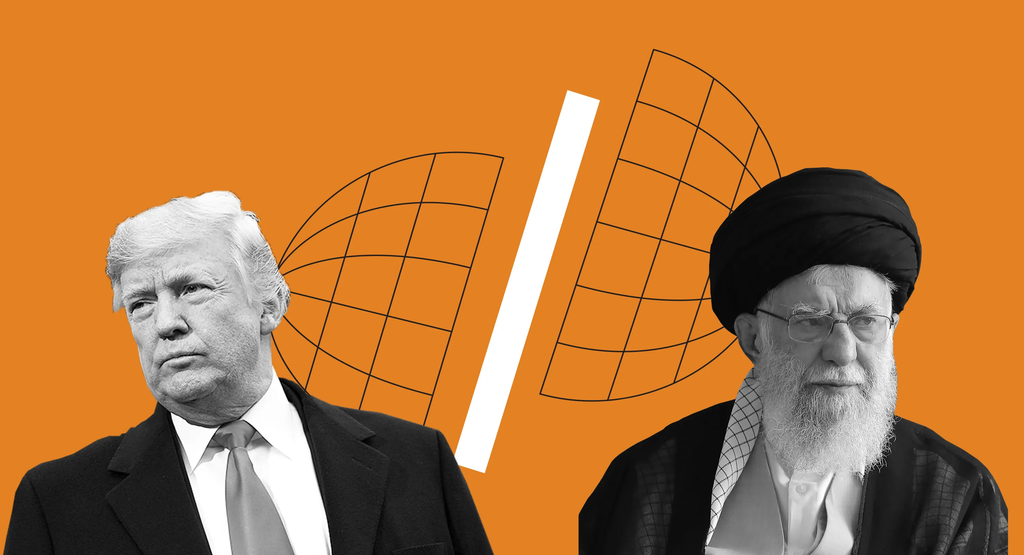
President Donald Trump has officially shut down a surprise peace proposal from Tehran that promised to reopen the Strait of Hormuz and halt regional fighting within seven days. Speaking to reporters outside the White House on Saturday before boarding Marine One, Trump dismissed the Iranian offer in plain terms, declaring that Tehran is only looking for an exit because they are losing the ongoing conflict.
The rejection marks a dramatic escalation in a seven-month war that has choked off global energy shipping, pushed gas prices toward record highs, and shaken financial markets around the world. With critical midterm elections only weeks away, the White House decision to walk away from diplomatic off-ramps leaves drivers, businesses, and global leaders bracing for an extended military confrontation.
The conflict, which began in late February following coordinated strikes by American and Israeli forces, has turned the Middle East into a volatile battleground. Tehran’s latest proposal aimed to pause hostilities, reopen one of the most critical maritime routes on the planet, and jumpstart nuclear negotiations. However, Washington’s firm refusal indicates that the Trump administration is determined to maintain maximum economic and military pressure rather than accept terms it considers unfavorable.
Inside Iran’s Seven-Day Peace Proposal
The peace plan was formally delivered to American officials through Qatari mediators during high-stakes diplomatic gatherings surrounding the United Nations General Assembly in New York. Iranian Foreign Minister Abbas Araghchi outlined the offer publicly, describing a structured seven-day timeline designed to ease tension across the Middle East.
Under the terms proposed by Tehran, the process would begin as soon as Washington agreed to key preconditions. During the initial days, the United States would be required to lift its naval blockade on Iranian ports, end economic sanctions targeting Iranian oil exports, and unfreeze billions of dollars in seized Iranian financial assets. Additionally, Tehran demanded an immediate ceasefire covering all regional fronts, including ongoing military operations involving Hezbollah in Lebanon.
The $0 Secret To Launching Your Entire Online Empire
Why pay hundreds every month for separate software? Build funnels, send emails, and make sales with Systeme.io completely free.
Get Started For $0Free Forever • No Credit Card Needed • Beginner-Friendly
On the sixth day of this agreed timeline, Iran promised to remove naval mines and safety warnings from the Strait of Hormuz, allowing international maritime traffic to flow freely once again. By day seven, formal bilateral negotiations between Washington and Tehran would resume to settle long-term disputes, including the future of Iran’s nuclear program.
Iranian officials insisted that everything was ready for a quick deal if Washington was serious about ending the crisis. However, the proposal required significant immediate concessions from the United States before long-term security guarantees could even be discussed. Detailed reporting by The Washington Post revealed that White House officials viewed the arrangement as an attempt by Tehran to secure financial relief without abandoning its underlying military capabilities.
For more context on how these demands were framed during UN talks, check out our breakdown on how Iran set its terms for reopening the Strait of Hormuz.
Why Trump Said No: The White House Strategy Explained
President Trump did not mince words when asked about the proposal on the South Lawn of the White House. He told reporters flatly that he rejected the offer because Tehran was making demands from a position of severe weakness. In his view, Iran’s eagerness to reopen the strategic shipping lane immediately is proof that American economic blockades and military strikes are taking a heavy toll on the Iranian regime.
Behind closed doors, Trump has remained deeply skeptical that Iranian leadership would actually meet long-term American demands regarding nuclear enrichment and regional proxy groups. Instead of agreeing to a short-term pause, the president has indicated to senior advisers that he expects to maintain or even expand military operations after the upcoming congressional elections.
To drive the point home, Trump took to his social media platform, Truth Social, posting a modified map labeling the Strait of Hormuz as the “Trump Strait”. The post signaled his intention to maintain complete operational control over the waterway rather than hand management back to Iranian authorities under a negotiated compromise.
Critics in Washington argue that bypassing this diplomatic off-ramp increases the risk of an endless regional war. Some political analysts point out that refusing to negotiate could lead to even greater instability across the Persian Gulf. For a deeper look at the administration’s posture, read our coverage on how Trump stands firm on the Iran war as sanctions escalate.
Furthermore, during recent addresses at the United Nations, Trump warned that Iran faces complete economic and military devastation if it fails to submit to U.S. terms. That hardline stance led the Iranian delegation to walk out of the hall, illustrating the deep divide between the two nations. You can read more about that confrontation in our article detailing the UN General Assembly standoff between Washington and Tehran.
The Battle for the Strait of Hormuz: Why This Waterway Matters
To understand why this rejection is sending shockwaves through the global economy, it helps to look at the geography of the Persian Gulf. The Strait of Hormuz is a narrow stretch of ocean located between Oman and Iran. Despite its relatively small size, it is arguably the most sensitive oil bottleneck in the entire world.
Under normal conditions, roughly 20 to 25 percent of all crude oil consumed globally passes through this narrow passage every single day. Tankers carrying oil from major producers like Saudi Arabia, Iraq, the United Arab Emirates, and Kuwait rely on the strait to reach international markets in Europe, Asia, and North America.
When hostilities erupted in late February, Iranian forces placed naval mines along commercial shipping lanes and warned foreign vessels that transit was no longer safe without explicit clearance from Tehran. In response, the United States imposed a strict naval blockade on Iranian ports, aiming to shut down Tehran’s remaining crude exports completely.
The resulting standoff has reduced commercial shipping through the channel to a fraction of its normal volume. Drones and naval skirmishes have regularly targeted vessels trying to navigate the area. Regional proxy groups, including Houthi forces in Yemen and militias in Iraq, have added fuel to the fire by launching strikes against energy pipelines and Gulf infrastructure.
For more details on how these shipping disruptions developed over recent months, explore our report on how US and Iran traded air attacks in the Strait of Hormuz. You can also see our wider analysis on how global oil crises escalate as attacks hit Persian Gulf infrastructure.
Pain at the Pump: How the Conflict Hits Everyday Wallets
The decision to reject the peace offer has immediate real-world consequences for everyday consumers. Because the Strait of Hormuz handles such a huge percentage of global oil, any prolonged blockage pushes crude prices sharply upward.
Across the United States, gasoline and diesel prices have climbed steadily since the war began in February. According to national tracking data from AAA, regular gasoline reached an average of $4.49 per gallon on Saturday. That represents a massive increase compared to the $2.98 per gallon average recorded just before military strikes began.
Send, Spend & Hold Money Worldwide Without Hidden Fees
Transfer money internationally at the real exchange rate and hold 40+ currencies in one account.
Open a Wise AccountMid-market rate • Fast transfers • 40+ currencies
The situation for diesel fuel is even more severe. Diesel, which powers the semi-trucks, trains, cargo ships, and farm equipment that keep the economy moving, averaged $6.48 per gallon. Earlier in the week, diesel prices touched $6.53 per gallon, setting a record high.
When diesel costs skyrocket, the impact spreads throughout the entire supply chain. Transportation companies pass their higher fuel surcharges on to retailers, which means higher prices for groceries, clothing, housing materials, and everyday consumer goods. Families everywhere are feeling the burn when checking out at the grocery store or filling up at the pump.
White House officials have acknowledged the burden placed on drivers but maintain that relief is on the horizon. Speaking at a political convention in Dallas, Trump told supporters that energy costs would stay elevated through the autumn, but promised that gas prices would plummet rapidly once the military campaign achieves its objectives.
For an in-depth breakdown of how energy markets react to Middle East diplomacy, read our piece on what Strait of Hormuz diplomacy means for your wallet.
Political Firestorms in Washington Ahead of the Midterms
The timing of this diplomatic rejection could not be more sensitive for Washington politicians. With November midterm elections approaching rapidly, control of both the House of Representatives and the Senate hangs in the balance. High inflation and record energy prices have become central issues for voters in swing states.
Congressional Democrats have slammed the administration’s decision to walk away from peace talks, calling the ongoing war unnecessary and costly. Leading Democratic figures argue that accepting an off-ramp would instantly lower gas prices and relieve financial pressure on struggling families.
Senator Chris Murphy expressed strong frustration on social media, stating that while Iran’s demands for compensation were difficult to swallow, rejecting diplomacy outright proves how damaging the war has become. He emphasized that returning to pre-war shipping conditions should be a top priority for protecting the economy.
On the other hand, many Republican lawmakers have rallied behind the president’s firm stance. They argue that accepting Iran’s seven-day plan would show weakness to adversaries and allow Tehran to rebuild its military strength while keeping control over vital shipping lanes.
However, behind the scenes, some campaign strategists express concern that high gas prices could hurt vulnerable incumbents on election day. Voters tend to hold the party in power accountable for costs at the pump, making the next few weeks crucial for the White House political strategy.
To learn more about how lawmakers are reacting to these political pressures, check out our report on why politicians are anxious heading into the midterm elections. You can also read our summary on whether the Iran war is really coming to an end or escalating further.
The $0 Secret To Launching Your Entire Online Empire
Why pay hundreds every month for separate software? Build funnels, send emails, and make sales with Systeme.io completely free.
Get Started For $0Free Forever • No Credit Card Needed • Beginner-Friendly
Frequently Asked Questions
Why did Donald Trump reject Iran’s 7-day peace proposal?
President Trump rejected the offer because he believed Iran was proposing the deal out of desperation while losing the war. The White House felt that accepting the plan would give Tehran billions in economic relief and control over shipping lanes without guaranteeing a permanent end to its nuclear ambitions or aggression.
What is the Strait of Hormuz and why is it closed?
The Strait of Hormuz is a narrow waterway in the Persian Gulf through which about a quarter of the world’s crude oil flows daily. It became restricted after military conflict broke out in February, leading to naval blockades, sea mines, and attacks on commercial oil tankers.
How does this decision affect regular gas and diesel prices?
Because oil flow through the strait remains severely restricted, global crude supplies stay tight. This scarcity keeps gasoline and diesel prices elevated across the country, increasing transportation costs and raising the prices of consumer goods.
What were the main conditions in Iran’s peace offer?
Tehran requested a seven-day timeline that included lifting the U.S. naval blockade, removing oil sanctions, unfreezing Iranian funds, and establishing a multi-front ceasefire. In exchange, Iran promised to reopen the strait and start broader peace talks.
Will there be further diplomacy before the November elections?
While official peace deals have been turned down, indirect channels through Qatari and regional mediators remain active. However, public statements from the White House suggest that major shifts in military strategy are unlikely until after the midterm elections take place.
Looking Ahead at the Global Impact
The coming weeks will show whether maximum pressure yields the military breakthrough Washington expects or leads to further escalation in the Persian Gulf. As military forces remain on high alert and oil markets react to every headline, everyday citizens and global businesses alike will be keeping a close eye on the Middle East.
Staying informed on fast-moving global developments is essential when news impacts your daily life and budget. To learn more about our commitment to bringing you reliable and straightforward news, visit our About Us page or reach out directly to our team through our Contact Page.
You can also follow the conversation and join our online community on social media via Instagram, Facebook, and X (formerly Twitter).
