
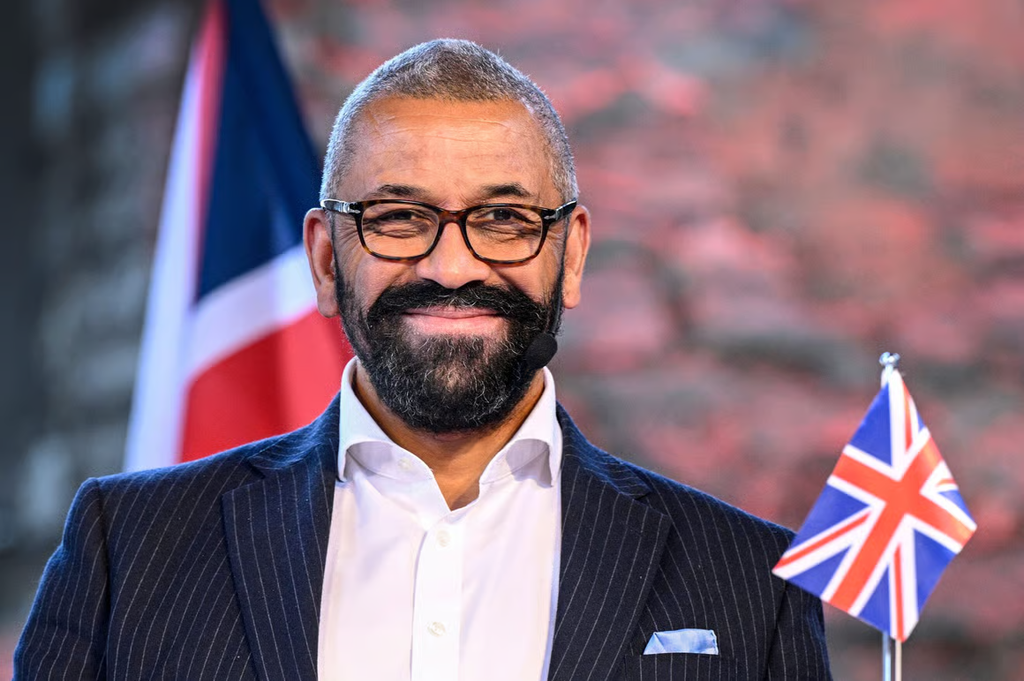
James Cleverly has made a major political move by stepping down from the Conservative shadow cabinet to run for Mayor of London. The former Home Secretary and Foreign Secretary has officially launched his campaign, aiming to win the Conservative nomination for the next London mayoral election.
Instead of jumping into fierce national debates over identity politics and social issues, Cleverly is taking a noticeably different direction. In a series of media appearances on Times Radio and LBC, he intentionally steered clear of culture war topics. Instead, he promised to run a classically Conservative campaign focused on enterprise, opportunity, and economic growth.
This decision marks a sharp turn from recent Conservative strategies. By focusing on local economic practicalities rather than national ideological battles, Cleverly is trying to build a broad coalition of urban voters.
According to reporting from The Guardian, Cleverly insists that his campaign will complement the national party while catering specifically to the unique needs of Londoners. His strategy reflects a growing realization within urban politics: what works in national political debates does not always resonate in a diverse global city.
A Shift Toward “Classic Conservatism”
When James Cleverly announced his intention to seek the Tory nomination for London Mayor, many political observers expected him to echo the national party line. Under the leadership of Kemi Badenoch, the Conservative opposition has frequently focused on cultural debates and sharp ideological contrasts with the ruling Labour government.
The $0 Secret To Launching Your Entire Online Empire
Why pay hundreds every month for separate software? Build funnels, send emails, and make sales with Systeme.io completely free.
Get Started For $0Free Forever • No Credit Card Needed • Beginner-Friendly
Cleverly chose a different path. He told broadcasters that his campaign would be built around enterprise, job creation, and personal opportunity. He described this approach as a classic Conservative vision that appeals to people who want business growth and reliable public services.
The core idea is simple. Rather than telling Londoners what to feel about cultural debates, he wants to show them how City Hall can help businesses grow, improve transport, and make streets safer.
In his interviews, Cleverly presented himself as a normal Londoner who understands the everyday pressures of living and working in the capital. By adopting a calm, pragmatic tone, he hopes to win back urban voters who have drifted away from the Conservative party in recent years.
Why Culture War Debates Fail in London
London is one of the most culturally diverse and socially liberal cities in the world. Political messages that rely heavily on cultural grievances often struggle to gain traction here.
In recent elections, urban voters have consistently shown a preference for candidates who focus on practical policy issues. Issues like housing affordability, public transport reliability, knife crime, and local economic development rank far higher on the average Londoner’s list of priorities than national ideological arguments.
When candidates focus heavily on culture wars, they risk alienating large blocks of moderate voters. Liberal Democrats, centrist Labour supporters, and independent voters often view such campaigns as divisive or out of touch with city life.
Cleverly seems well aware of this reality. By intentionally sidelining culture war rhetoric, he is attempting to reset the party’s image in the capital and appeal to people who care more about practical results than political drama.
Learning from the Mistakes of 2024
To understand why Cleverly is taking this approach, it helps to look back at the 2024 London mayoral election. In that race, Conservative candidate Susan Hall ran a campaign that leaned heavily into polarizing arguments and sharp social commentary.
Hall’s campaign drew significant criticism and failed to build a winning coalition across London’s diverse boroughs. Current Mayor Sadiq Khan secured a comfortable victory, winning 43.8% of the vote. The results showed a clear gap between the Conservative strategy and the expectations of everyday Londoners.
Political analysts noted that Hall’s hardline rhetoric alienated centrist voters in inner London while failing to generate enough enthusiasm in the outer suburbs to flip the result.
Cleverly’s new campaign strategy is a direct response to those past errors. By presenting himself as a moderate, mainstream figure, he hopes to convince voters that a Conservative mayor can represent everyone in the city, regardless of their political background.
Positioning as a “Normal Londoner”
One of Cleverly’s main talking points is his desire to be seen as a normal Londoner. During his 2024 Conservative leadership bid, he famously urged his party to be more normal. He is now applying that exact same philosophy to his mayoral pitch.
Local elections are often decided by personality and trust rather than strict party loyalty. Voters want to know if a candidate understands their day-to-day struggles, like waiting for a late bus, paying high rent, or trying to start a small business.
By emphasizing his personal connection to the city and avoiding hyper-partisan soundbites, Cleverly wants to come across as a sensible manager who is focused on getting things done.
Navigating the Relationship with Kemi Badenoch
Stepping down from the shadow cabinet to run for Mayor of London naturally raised questions about Cleverly’s relationship with party leader Kemi Badenoch. Some commentators speculated that his departure pointed to internal disagreement over the party’s direction.
Send, Spend & Hold Money Worldwide Without Hidden Fees
Transfer money internationally at the real exchange rate and hold 40+ currencies in one account.
Open a Wise AccountMid-market rate • Fast transfers • 40+ currencies
Cleverly was quick to dismiss claims of a rift. He emphasized that his mayoral bid runs parallel to Badenoch’s overall vision for the country. He argued that winning back London for the Conservatives would actually help strengthen the party nationally.
However, the contrast in their political styles remains clear. While Badenoch frequently engages in high-profile debates over social values and reform, Cleverly is deliberately shaping a localized, centrist message for the capital.
This dynamic is common in city politics around the world. Mayors often need to build broader, more flexible coalitions than national party leaders. By carving out a distinct local platform, Cleverly gives himself the freedom to appeal to voters who might never vote for the Conservative party in a general election.
Taking Aim at Sadiq Khan and Andy Burnham
While Cleverly is avoiding social media debates and cultural arguments, he is not holding back when it comes to criticizing political rivals on municipal performance.
In his interview on LBC, Cleverly took direct aim at incumbent Mayor Sadiq Khan. He argued that Khan has been in office for too long and has lost his passion for the job. Khan was first elected in 2016, and recent polling suggests that a growing number of Londoners are open to new leadership. A YouGov poll indicated that 56% of London voters believe Khan should step aside rather than run for a fourth term.
Cleverly is using this sentiment to make the case for change at City Hall. He presents Khan’s tenure as one defined by rising crime, transport squabbles, and slow economic growth.
The Inter-City Clash: London vs Greater Manchester
Interestingly, Cleverly did not limit his criticisms to London politics. He also picked a fight with Greater Manchester Mayor Andy Burnham.
Cleverly accused Burnham of taking anti-London stances and waging a verbal war against the capital’s financial importance. He promised that as Mayor of London, he would fiercely defend the capital’s economic interests against leaders from other regions who attempt to diminish its economic role.
This move allows Cleverly to frame himself as a strong champion for London’s workers and business owners. It redirects political energy away from internal party disagreements and positions him as a defender of London’s wealth and global reputation.
How the Electoral System Changes the Game
Strategic policy shifts rarely happen by accident in politics. One major reason behind Cleverly’s moderate tone is the electoral system used for the London mayoral race.
The $0 Secret To Launching Your Entire Online Empire
Why pay hundreds every month for separate software? Build funnels, send emails, and make sales with Systeme.io completely free.
Get Started For $0Free Forever • No Credit Card Needed • Beginner-Friendly
The restoration of the supplementary vote system plays a vital role in shaping how candidates run their campaigns. Under this voting method, voters choose a first-preference candidate and a second-preference candidate. If no candidate receives more than 50% of the first-preference votes, the top two candidates advance, and the second-preference votes from eliminated candidates are counted.
This system creates a strong incentive for candidates to appeal beyond their core supporter base.
Professor Tony Travers from the London School of Economics pointed out that under the supplementary vote system, Cleverly must win over voters who back other parties. In particular, he needs to attract Liberal Democrat supporters and moderate independents who might select him as their second choice.
If Cleverly ran a polarizing, culture-war campaign, Liberal Democrat and Green voters would likely give their second-preference votes to Labour. By positioning himself as a traditional, centrist Conservative, Cleverly leaves the door open to collect crucial second-choice votes across the political spectrum.
Modern Political Campaigns and Strategic Communication
Running a successful political campaign in a major global city requires more than traditional rallies and print leaflets. Today’s mayoral candidates rely heavily on modern media channels, digital analytics, and online communication platforms to reach millions of voters.
Candidates must build strong personal brands online. Short video clips, direct podcast interviews, and targeted social media messages allow politicians to bypass traditional news outlets and speak directly to residents.
This evolution in political outreach reflects broader shifts in digital media and automated content distribution. From personal branding to data-driven audience targeting, modern campaigns function much like modern digital publishing networks.
If you want to explore how technology and content platforms are transforming how information reaches everyday audiences, take a look at our insights on YouTube Automation strategies and see how content trends spread online.
At the same time, rapid advancements in artificial intelligence are reshaping how messages are crafted, monitored, and optimized across major campaigns. You can learn more about these digital shifts by checking out our latest articles on Technology and AI trends.
In modern city politics, the candidate who best utilizes digital tools while delivering a clear, relatable message usually gains the upper hand.
Key Challenges Facing Cleverly’s Campaign
While Cleverly’s moderate approach is strategically logical, his path to City Hall is far from simple. He faces several significant challenges as the mayoral race takes shape.
First, he must secure the Conservative nomination. Party members in London may include hardline activists who prefer a candidate who takes stronger stances on national cultural topics. Cleverly will need to convince his own party that moderation is the only realistic path to victory in London.
Second, the Conservative brand as a whole has faced headwinds in urban centers following recent national elections. Cleverly will have to convince voters that a vote for him is a vote for a localized city team, not a endorsement of national party politics.
Third, Labour remains a dominant political force across London boroughs. Even if voters express fatigue with Sadiq Khan, Labour’s organizational grassroots presence in London makes any mayoral battle tough for a Conservative challenger.
Despite these hurdles, Cleverly’s high public profile, past cabinet experience, and pragmatic message give the Conservatives their most prominent candidate in years.
What This Means for Urban Politics in the UK
James Cleverly’s decision to bypass culture wars holds broader lessons for urban politics across the UK.
For years, political commentators have noted a growing divide between major cities and smaller towns. Cities tend to be younger, more diverse, and more international in their economic focus. Rural and suburban areas often lean more traditional.
When national parties push messages tailored purely for rural or suburban voters, their urban candidates suffer. Cleverly’s pitch suggests that urban Conservatives must develop a distinct regional identity if they hope to remain competitive in major metropolitan areas.
If Cleverly’s centrist strategy proves successful in London, it could serve as a model for Conservative candidates running in other major cities like Manchester, Birmingham, and Leeds. It shows that municipal success requires a focus on local economy, public safety, and basic civic services rather than national political disputes.
Frequently Asked Questions (FAQs)
Why did James Cleverly resign from the Conservative shadow cabinet?
James Cleverly resigned from his post in the shadow cabinet to focus entirely on running for Mayor of London. He chose to step down so he could build a dedicated local campaign tailored directly to Londoners.
What does Cleverly mean by a “classically Conservative” campaign?
He defines a classically Conservative campaign as one centered on enterprise, economic growth, job creation, and personal opportunity. Rather than focusing on ideological debates, his platform prioritizes business support, safer streets, and efficient public management.
Is James Cleverly in disagreement with Tory leader Kemi Badenoch?
Cleverly has publicly denied any rift with Kemi Badenoch. He explained that his London campaign runs parallel to the national party’s goals, but noted that city mayoral races require a distinct local approach to win over urban voters.
Why is Cleverly avoiding culture war topics in London?
London is a diverse and moderate city where polarising social debates often alienate voters. By avoiding culture wars, Cleverly aims to appeal to centrist Londoners, Liberal Democrats, and independent voters whose support is essential under the supplementary voting system.
How does the supplementary vote system affect the London mayoral race?
The supplementary vote system allows voters to choose a first and second preference. If no candidate wins over 50% of first-choice votes, second-choice votes are counted. This encourages candidates to run moderate campaigns so they can collect second-choice votes from supporters of other parties.
Who is currently the Mayor of London?
Sadiq Khan of the Labour Party has served as Mayor of London since 2016. He won his third term in May 2024, but political opponents are preparing for a competitive challenge in the next election cycle.
A Pragmatic Blueprint for the Capital
James Cleverly’s entry into the London mayoral race brings a fresh dynamic to UK politics. By intentionally stepping away from culture war debates, he is choosing pragmatism over confrontation. His focus on enterprise, opportunity, and municipal management represents a calculated effort to rebuild Conservative appeal in a global city that values practical solutions.
Whether this classic Conservative pitch will win over millions of Londoners remains to be seen. However, it establishes a clear narrative: candidate personality, local focus, and economic practicalities still matter greatly in municipal elections. As the campaign unfolds, voters will decide if a centrist, business-focused vision is what City Hall needs next.
To discover more about our editorial team, mission, and background, feel free to visit our About Page. If you have thoughts on this story or want to pitch an article, you can get in touch directly through our Contact Page.
Stay updated with our latest stories, political breakdowns, and viral updates by following our official social communities. Join the conversation with us on Instagram, connect with our community on Facebook, and follow live updates on X (formerly Twitter).
