
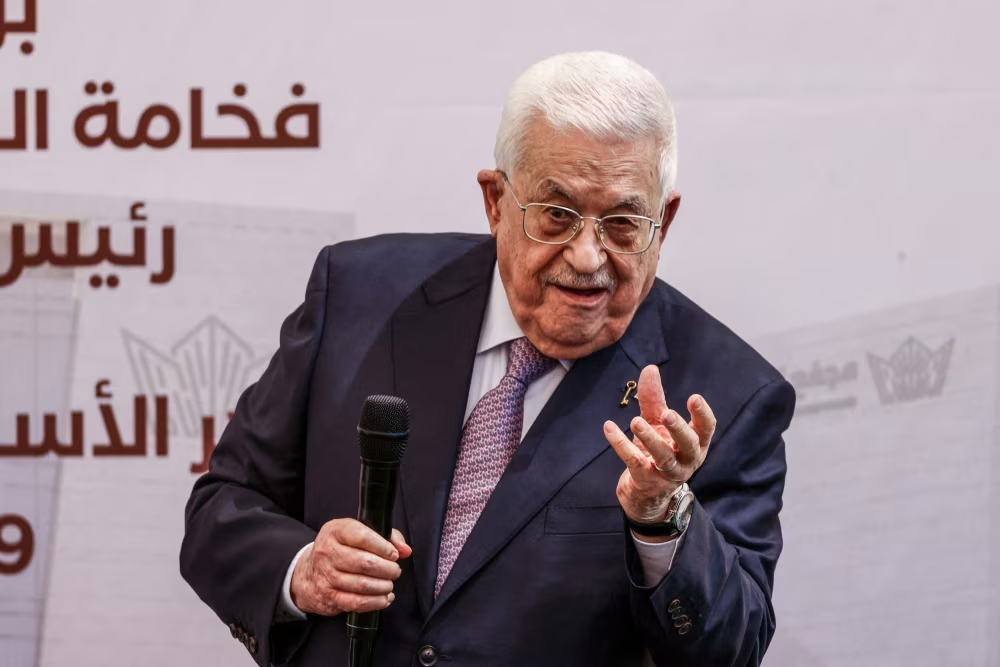
The United States government has once again blocked visas for Palestinian officials trying to travel to New York for the United Nations General Assembly. This sudden move has sparked intense debates across international diplomatic circles and raised huge questions about who gets a voice at the world’s biggest diplomatic table.
When world leaders gather at the United Nations Headquarters in New York City every autumn, it is supposed to be a place where every nation can speak. However, because the UN headquarters sits on American soil, foreign delegates must clear United States immigration controls before they can step into the building. By refusing to issue travel documents to the Palestinian delegation, the Trump administration has effectively shut the door on their physical participation at this year’s summit.
This is not the first time travel restrictions have been used as a political lever against foreign representatives. However, repeating this decision during a period of heightened geopolitical tension has pushed the relationship between Washington, the UN, and Middle Eastern diplomats into dangerous territory.
How Can the US Block Foreign Officials From the UN?
To understand how a single government can stop foreign delegates from entering an international organization, you have to look back at the original rules created nearly eighty years ago. In 1947, the United States signed a special agreement with the United Nations known as the UN Headquarters Agreement.
Under this treaty, the United States promised to allow representatives of member states and official observer missions to enter the country to conduct business at UN headquarters. The agreement clearly states that American authorities should not put obstacles in the way of diplomats traveling to and from the UN zone in Manhattan.
The $0 Secret To Launching Your Entire Online Empire
Why pay hundreds every month for separate software? Build funnels, send emails, and make sales with Systeme.io completely free.
Get Started For $0Free Forever • No Credit Card Needed • Beginner-Friendly
However, there is a major security clause that Washington frequently points to when issuing bans. The United States maintains that it retains the right to deny visas or restrict entry to individuals on grounds of national security or foreign policy concerns.
When American officials decide that allowing certain delegates into the country poses a risk or contradicts current foreign policy goals, they invoke these exceptions. This legal gray area has created ongoing friction between host nation responsibilities and sovereign border control. You can learn more about how American travel policies affect travelers in our guide on how moving to America is getting harder.
The broader context of tight travel rules is part of a larger trend in American border administration. Over recent years, strict entry controls have expanded significantly across various categories. For deeper context on how border policy changes affect international visitors, read about how the U.S. revokes over 175,000 visas.
What Is Behind the Visa Denials?
The decision to deny entry permits to Palestinian leaders is deeply tied to the political philosophy of the Trump administration. The White House has consistently taken a firm stance regarding Middle Eastern diplomacy, heavily prioritizing strong alignment with Israeli government policies while applying maximum political pressure on Palestinian leadership.
Washington officials argue that Palestinian representatives have taken actions in international courts and diplomatic arenas that undermine peace negotiations. By applying visa restrictions, the administration aims to signal that access to American forums comes with strict political expectations.
Key factors driving this policy decision include:
- Pressure on Palestinian leadership to halt international legal challenges against foreign allies.
- Opposition to unilateral efforts by the Palestinian Authority to gain full UN membership without prior bilateral agreements.
- Strong political promises made to conservative voters to maintain an unyielding foreign policy stance in international forums.
- Previous administrative precedents that saw the closure of diplomatic offices and reduction of diplomatic funding.
This aggressive diplomatic tactic is part of a wider effort to reshape international conversations. In recent times, American policy has frequently clamped down on political speech and organizational activities tied to Middle Eastern debates. To see how legal battles unfold when political expression meets government regulation, check out how a federal court blocked a plan to deport international students over Israel criticism.
Critics argue that using travel permits as a weapon weakens the credibility of global forums. However, supporters of the decision insist that host nations must retain total authority over who crosses their national borders, regardless of international events taking place in New York.
How World Leaders and the UN Are Responding
The reaction from global leaders and international bodies has been swift and vocal. Officials within the United Nations have repeatedly expressed concern, emphasizing that the UN cannot function properly if the host country decides which member delegates are allowed into the assembly hall.
The UN Secretary-General and legal advisers have pointed out that host country obligations should remain separate from bilateral disputes between individual nations. When a host country bars official representatives, it directly impacts the ability of the international community to hear all sides of a complex conflict.
Reactions across the globe break down into distinct views:
- United Nations Leadership: Emphasizes that treaty obligations require equal access for all recognized delegations to attend assembly meetings.
- Palestinian Representatives: Condemn the move as a direct violation of international law aimed at silencing their political voice on the world stage.
- Middle Eastern Governments: Express strong disappointment, warning that blocking diplomatic channels only increases instability and anger across the region.
- European Union Allies: Call for dialogue and adherence to diplomatic protocols, stressing that open communication is essential for global stability.
- U.S. Administration Supporters: Praise the firm stance, arguing that American security and strategic policy must always come before international meetings.
This friction has also opened doors for competing global powers to expand their influence in international diplomacy. As American ties with certain Middle Eastern actors grow strained, other nations step in to offer mediation and strategic partnerships. To explore how global power balances are shifting in the region, read our article on how China moves in as Xi Jinping challenges U.S. power in the Middle East.
What This Means for the Future of Middle East Diplomacy
Diplomacy relies heavily on direct human interaction. While speeches can be delivered over video links and press releases can be emailed around the globe, real negotiations happen in quiet hallways, side rooms, and informal dinners during major summits like the UN General Assembly.
By physically excluding Palestinian diplomats from these gatherings, the chance for unexpected breakthroughs or quiet conversations with other world leaders is greatly reduced.
The Short-Term Consequences
In the immediate future, Palestinian representatives will be forced to rely on alternative methods to address the global audience. Speeches will likely be delivered via pre-recorded video feeds or presented by third-party allies sitting inside the hall.
Send, Spend & Hold Money Worldwide Without Hidden Fees
Transfer money internationally at the real exchange rate and hold 40+ currencies in one account.
Open a Wise AccountMid-market rate • Fast transfers • 40+ currencies
However, a video feed lacks the diplomatic weight of a physical presence. It prevents delegates from attending multilateral side meetings, speaking directly with foreign ministers, or hosting international press conferences in person.
The Long-Term Effects
Over time, repeated visa denials could trigger broader structural changes within international organizations. If member states begin to feel that attending meetings in New York depends on the political mood of the White House, pressure will build to move major international conferences to neutral locations in Europe or Asia.
Locations like Geneva, Vienna, or Nairobi already host major UN bodies. If host nation disputes continue to disrupt major assemblies, discussions about shifting high-level summits away from American soil could move from theoretical chatter into serious international proposals.
Digital Diplomacy and the Rise of Global News Coverage
In the past, a government barring diplomats meant that their message was effectively muted. Today, the media landscape is completely different. Information moves across the internet in seconds, allowing excluded voices to broadcast their arguments directly to millions of people online.
News outlets, independent commentators, and content platforms now break down these international developments faster than traditional news networks. Modern media strategies allow organizations to reach global audiences without needing a physical stage in New York.
Creators today use automated systems and digital tools to produce high-impact news summaries and educational content instantly. If you are curious about how modern digital channels leverage automation to share trending world news, explore our resources on YouTube Automation.
Artificial intelligence and advanced media platforms are also revolutionizing how news is distributed and consumed worldwide. Learn how modern digital software is transforming information sharing in our dedicated section on Technology and AI.
As digital channels continue to grow, physical bans on diplomats may no longer have the silencing effect they once did. Instead, high-profile visa rejections often generate far more media attention than a standard UN speech ever would.
Staying Connected with Real-Time World Updates
Navigating fast-moving global events requires clear, reliable, and straightforward reporting. Understanding geopolitical decisions helps everyday citizens stay informed about how international policies shape global security, trade, and movement.
To learn more about our mission to bring you simple, accessible reporting on world news and trending stories, visit our About Page.
The $0 Secret To Launching Your Entire Online Empire
Why pay hundreds every month for separate software? Build funnels, send emails, and make sales with Systeme.io completely free.
Get Started For $0Free Forever • No Credit Card Needed • Beginner-Friendly
If you have thoughts on this diplomatic debate or want to share feedback with our editorial team, feel free to reach out directly through our Contact Page.
You can also join our growing online community across social media to discuss breaking news, trending updates, and global affairs:
- Follow our daily visual updates on Instagram.
- Join community discussions on our Facebook Page.
- Track real-time news alerts and conversations on X (formerly Twitter).
Frequently Asked Questions
Can the United States legally deny visas to UN diplomats?
The United States signed the 1947 UN Headquarters Agreement, which generally requires it to allow foreign diplomats access to UN headquarters. However, Washington maintains that it has the authority to refuse visas based on national security or foreign policy grounds. This creates an ongoing legal debate between the UN and the host nation.
Has the U.S. blocked diplomats from attending the UN before?
Yes, the United States has blocked or restricted visas for representatives from several countries over the decades, including officials from Iran, Palestine, Russia, and Cuba. These actions usually coincide with periods of intense diplomatic tension or geopolitical conflicts.
How will Palestinian officials speak at the UN General Assembly without visas?
In cases where physical attendance is blocked, delegations usually submit pre-recorded video speeches that are broadcast inside the UN assembly hall. Alternatively, an ambassador or representative who is already based in New York can deliver remarks on behalf of the delegation.
Why is the location of the UN Headquarters important?
Because the primary UN headquarters is located in New York City, all visiting foreign representatives must enter U.S. territory to attend meetings in person. This geographic reality gives the United States government practical control over international travel into the main assembly hall.
What happens if the UN and the U.S. disagree over visa rules?
When disputes arise, the UN can request formal consultations with American authorities or bring the matter before legal committees within the organization. While the UN can express disapproval and demand compliance with treaty obligations, it does not possess enforcement power to override domestic border control decisions.
The ongoing tension over visa permissions highlights a fundamental challenge in modern international relations. As host nation security policies clash with global diplomatic protocols, the world is watching closely to see how international bodies adapt.
Whether through digital speeches or shifted diplomatic hubs, the demand for open global communication remains stronger than ever. Keeping international channels open is essential for resolving long-standing conflicts, and restricting physical access simply forces diplomatic conversations into new, unpredictable arenas.
