
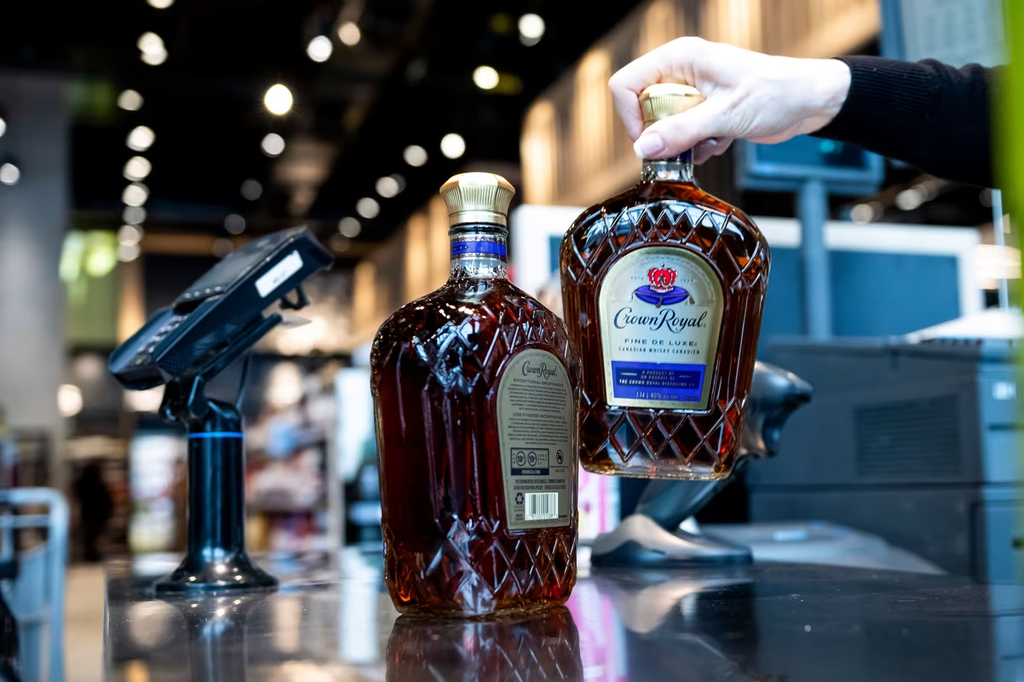
President Donald Trump has officially signed an executive order prohibiting Canadian alcohol from entering the United States, dramatically escalating a bitter trade war between the two neighboring countries. The announcement sent immediate shockwaves through the beverage industry and sparked panic among consumers who wondered if their favorite northern spirits were about to disappear from store shelves overnight.
The new rule targets hundreds of millions of dollars in imported Canadian whisky, beer, wine, and cider. It represents one of the most drastic trade moves between the United States and Canada in modern history.
If you think your local bar is going to run out of Canadian whisky this weekend, you can take a deep breath. The headline sounds like an instant, total shutdown, but the actual policy contains a massive catch that changes how this ban plays out in real life.
How The Ban Actually Works
Understanding this prohibition requires looking at how trade orders operate under United States law. The White House invoked Section 338 of the Tariff Act of 1930 to enact this measure.
Unlike a standard tariff, which simply adds a tax onto goods crossing the border to make them more expensive, an import prohibition acts as a physical barrier. It instructs customs agents to turn away new shipments at border crossings.
The $0 Secret To Launching Your Entire Online Empire
Why pay hundreds every month for separate software? Build funnels, send emails, and make sales with Systeme.io completely free.
Get Started For $0Free Forever • No Credit Card Needed • Beginner-Friendly
This distinction matters because of how products move through the supply chain. No police officers or government inspectors are coming to take bottles off store shelves or out of home liquor cabinets.
Every single bottle of Canadian alcohol that cleared customs before the deadline remains completely legal to buy, sell, and drink. Liquor stores, restaurants, and distributors across America are free to sell off every bottle currently sitting in their warehouses.
American distributors spent weeks preparing for this announcement by stockpiling massive quantities of popular Canadian spirits. As a result, the average consumer will not notice any immediate shortage on retail shelves for months to come.
The Giant Bulk Loophole That Changes Everything
The biggest catch in this entire trade order centers on how spirits are shipped and packaged across international borders.
The primary target of the import prohibition is finished, pre-packaged retail products. That means glass bottles of Canadian whisky, cases of bottled beer, and pre-packaged canned drinks produced and sealed inside Canada are barred from crossing.
A huge percentage of Canadian spirits imported into the United States does not cross the border in individual glass bottles. Instead, millions of gallons of raw liquor travel across the border inside massive industrial bulk containers and rail tankers.
Once these bulk shipments arrive at processing plants inside the United States, domestic workers handle the blending, bottling, labeling, and packaging. The trade restriction includes specific exemptions and workarounds for bulk liquid shipments intended for domestic American bottling operations.
The administration left room for bulk imports because cutting off raw liquid shipments would immediately force American bottling plants to shut down production lines. That would cause job losses for American factory workers, truckers, and packaging suppliers.
Major American spirits corporations rely heavily on Canadian bulk liquid for popular flavored drinks and blended whiskies. By keeping the bulk liquid pipeline open, the trade order inflicts maximum headlines while softening the blow to domestic manufacturing networks.
The Standoff Between Washington And Ottawa
To understand why this alcohol ban happened, you have to look at the escalating cycle of trade retaliation between Washington and Ottawa.
The dispute began when the White House introduced sweeping steel, aluminum, and agricultural tariffs aimed at protecting domestic industries. In response, several Canadian provinces took direct action against American products.
Provincial liquor boards in places like Ontario and British Columbia pulled popular American bourbons, wines, and craft beers off government store shelves. Because provincial governments control alcohol distribution in much of Canada, those removals hit American distilleries hard.
American spirits exports to Canada plummeted by roughly 81% over the course of a single year. The Distilled Spirits Council of the United States reported millions of dollars in lost revenue for American distillers who suddenly lost access to their second-largest export market.
President Donald Trump repeatedly called on Canadian officials to dismantle their trade barriers, predicting that Canada would return to the negotiating table quickly. When official trade talks broke down over differences in auto manufacturing, cultural exemptions, and agricultural rules, the White House responded with this import prohibition.
Canadian Prime Minister Mark Carney has remained firm, stating publicly that Canada will not compromise its economic sovereignty or negotiate under extreme pressure. Canadian leaders view their provincial alcohol restrictions as a necessary response to initial American tariffs, creating a classic standoff where neither side wants to back down first.
Send, Spend & Hold Money Worldwide Without Hidden Fees
Transfer money internationally at the real exchange rate and hold 40+ currencies in one account.
Open a Wise AccountMid-market rate • Fast transfers • 40+ currencies
Who Suffers The Most From The Ban?
While large multinational conglomerates can navigate trade loopholes using bulk shipments, smaller businesses on both sides of the border face serious hardship.
Canadian distillers rely overwhelmingly on the American market. Approximately 93% of all exported Canadian spirits head straight to consumers in the United States.
Small craft distillers in places like Ontario, Quebec, and Alberta do not have the infrastructure or funds to ship bulk tankers across the border to set up American bottling lines. For these independent producers, a ban on packaged bottles effectively cuts off their primary customer base overnight.
Independent American retailers and hospitality businesses will also feel the pinch over time. Bar owners, neighborhood liquor store managers, and specialty drink venues that rely on imported Canadian craft products will eventually run out of inventory once existing stocks drain.
American consumers who enjoy specific imported products could eventually face higher prices. When product supply shrinks while customer demand remains steady, retail prices naturally rise on whatever inventory remains available.
Short-Term Panic Versus Long-Term Reality
Media coverage of trade wars often focuses on immediate crisis scenarios, but trade policy usually moves at a much slower pace on the ground.
If you walk into a grocery store or liquor retailer today, you will still see full shelves stocked with Canadian whisky and imported beers. Warehouses were packed tight before the prohibition took effect, giving distributors a comfortable buffer.
This buffer provides both governments with time to negotiate behind closed doors. Trade prohibitions under Section 338 can be modified, suspended, or revoked by executive order at any moment if diplomatic talks resume.
Previous trade disputes between the United States and international partners have seen dramatic tariffs announced, delayed, modified, or canceled before consumers ever experienced widespread shortages. Both American and Canadian business groups are actively lobbying trade representatives in Washington and Ottawa to return to the bargaining table before long-term damage sets in.
Why The Legal Definition Matters
The specific wording in executive trade orders carries huge weight for importers and customs brokers.
The $0 Secret To Launching Your Entire Online Empire
Why pay hundreds every month for separate software? Build funnels, send emails, and make sales with Systeme.io completely free.
Get Started For $0Free Forever • No Credit Card Needed • Beginner-Friendly
Under official regulations, the prohibition focuses on the country of origin and the final condition of the imported item. Canadian Whisky carries a legally protected geographical designation.
Under international trade agreements, spirits labeled as Canadian Whisky must be mashed, distilled, and aged inside Canada. This creates a unique legal situation.
The United States continues to recognize Canadian Whisky as a protected category that can only be made in Canada, while simultaneously banning finished bottles from crossing the border. Companies that blend and bottle Canadian whisky inside American plants rely on bulk liquid imports to maintain that legal definition while satisfying US customs requirements.
The Impact On Craft Beer And Wine
Spirits make up the vast majority of Canadian alcohol exports to the United States, but craft beer and wine producers are caught in the middle as well.
Canada exports roughly $673 million worth of distilled spirits to the United States annually, compared to around $62 million in wine and $19 million in beer. While those beer and wine numbers seem smaller by comparison, they represent the entire livelihood of family-owned breweries and wineries located near the border.
Craft breweries in Canadian border towns often depend on selling packaged beer across state lines into places like New York, Michigan, and Washington. Unlike large spirits producers, small craft breweries do not ship raw unfermented beer in bulk rail cars for bottling elsewhere.
These smaller operations are hit hardest by the prohibition because they have no alternative supply chains or bulk workarounds available. Many small brewery owners have reported pausing expansion plans and cutting production budgets while waiting to see how long the ban lasts.
What American Shoppers Should Expect Next
If you routinely buy imported Canadian spirits or beers, you do not need to panic buy or hoard bottles.
Distributors have built up enough local stock to handle standard customer purchasing for months. You will continue to find your favorite brands on store shelves during your normal shopping trips.
What you might notice over time is a gradual change in selection or subtle price increases on select imported brands. As inventory slowly declines, retailers may adjust prices to match reduced supply.
If the trade dispute drags on for an extended period without a diplomatic resolution, certain specialized craft imports may eventually vanish from store shelves until the order is lifted. Major household brands, however, will likely remain available thanks to bulk importing and domestic bottling setups.
Comparing Alcohol Tariffs To Total Import Bans
It helps to understand how an outright ban differs from standard trade tariffs that consumers hear about in the news.
When a government places a 25% or 50% tariff on a product, the product still flows across the border freely. The importer simply pays an extra tax at customs, which usually gets passed down to the consumer in the form of higher retail prices.
An import prohibition stops the packaged product at the border entirely. It is designed as a quick political lever to force the opposing country back to negotiations.
By targeting visible retail goods like booze, motorcycles, and specialty dairy products, the policy creates immediate headlines that generate political pressure on leaders in both nations. The inclusion of bulk exemptions shows that policymakers were careful to protect key domestic industrial interests while applying maximum political pressure.
Frequently Asked Questions
Is Crown Royal banned in the United States right now?
The import of new pre-packaged bottles of Crown Royal coming across the border from Canadian distilleries is prohibited under the new trade order. However, all existing bottles inside the United States remain completely legal to purchase and consume. Additionally, bulk shipments used for domestic blending and bottling are managed under different trade guidelines, keeping product moving into the country.
Will store shelves run out of Canadian whisky anytime soon?
No, retail shelves will not run out anytime soon. American distributors heavily stocked their warehouses in advance of the deadline. Most stores have enough supply on hand to keep up with normal customer demand for several months.
Can travelers bring Canadian alcohol across the border for personal use?
Personal border allowances fall under specific U.S. Customs and Border Protection rules for travelers. While commercial imports in bulk or retail quantities are blocked at entry points, personal exemptions for individual travelers entering the country are governed by strict quantity limits set at border checkpoints.
Why did President Trump target Canadian booze specifically?
The ban was issued in response to Canadian provinces pulling American alcohol from government store shelves, which caused an 81% drop in American spirits sales to Canada. Targeting Canadian alcohol was designed as a direct countermove to pressure Canadian officials back into trade negotiations.
How long is this alcohol prohibition expected to last?
The order remains in effect until the White House chooses to modify, suspend, or revoke it. Trade experts note that restrictions like this are frequently used as bargaining chips and can be lifted quickly if both nations reach an agreement on broader trade terms.
The ongoing trade conflict between the United States and Canada highlights how quickly international policy can impact everyday consumer products. While headlines about alcohol bans create instant concern, understanding the bulk container loopholes and existing inventory buffers shows that the immediate real-world effect is far less severe than it sounds.
As negotiations continue between leaders in Washington and Ottawa, trade policies will remain fluid. Staying informed on these changes helps consumers navigate shifting prices and availability without falling for unnecessary market panic.
For more breaking stories, insightful breakdowns, and trending global news, check out our About Page to learn more about what we do. Have questions, feedback, or a story tip to share? Reach out directly through our Contact Page.
Follow the conversation and stay connected with us across all our social platforms:
