
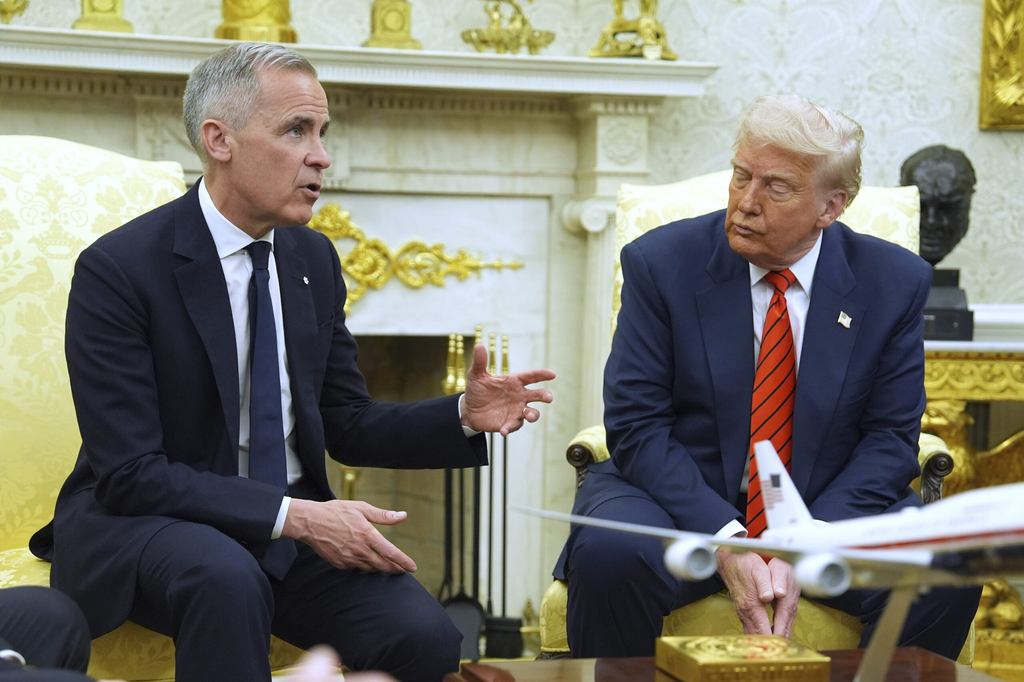
The trade battle between the United States and Canada just reached a brand new breaking point. At 12:01 AM on September 29, 2026, an official U.S. import ban took full effect, shutting the door on nearly $1 billion worth of popular Canadian items.
If you walk into a liquor store, buy specialized dairy products, or shop for certain types of motorcycles in America today, you are going to notice major changes very quickly. The White House has officially blocked imports of Canadian alcoholic beverages, whey byproducts, molasses, and Canadian-made motorcycles.
This move comes after months of rising tensions, heavy border taxes, and tough talk from leaders on both sides. Instead of just adding extra taxes on imported goods, Washington took things a step further by outright banning these specific categories from crossing the border.
Here is a clear, simple breakdown of what is happening, why this sudden ban was put in place, who it hurts the most, and what it means for your wallet.
What Products Are Covered Under the New Ban?
The newly enforced ban targets a wide range of specific goods coming directly from Canadian suppliers. While the restrictions do not cover every single product Canada sells to the United States, they hit several very high-profile industries.
The $0 Secret To Launching Your Entire Online Empire
Why pay hundreds every month for separate software? Build funnels, send emails, and make sales with Systeme.io completely free.
Get Started For $0Free Forever • No Credit Card Needed • Beginner-Friendly
Canadian Alcohol Takes the Biggest Hit
The largest portion of this ban targets the Canadian beverage industry. American store owners and distributors can no longer import a wide variety of alcohol made in Canada.
- Whiskies and Spirits: Renowned Canadian whiskies, gin, vodka, rum, tequila, and brandy are completely blocked from U.S. border entry.
- Beer, Wine, and Cider: Traditional Canadian beers, craft brews, regional wines, and hard ciders are all included on the banned list.
- Non-Alcoholic Options: Surprisingly, non-alcoholic beer produced in Canada is also subject to the exact same import ban.
According to official export numbers published by CBC News, Canada shipped over $1 billion worth of liquor to the United States last year alone. In fact, about 93 percent of all Canadian liquor exports normally go straight to the American market. Blocking these shipments leaves Canadian distillers with a massive surplus and leaves U.S. retailers searching for replacements.
Dairy Byproducts and Molasses
The ban also hits specific agricultural categories that play a big role in food manufacturing:
- Whey and Whey Products: Whey is a major byproduct of cheese manufacturing and is widely used in protein powders, processed foods, baked goods, and animal feed.
- Specialty Dairy Components: While standard fluid milk was already heavily regulated under existing quotas, processed dairy components are now strictly turned away at the border.
- Molasses: Industrial and food-grade molasses imported from Canadian refiners is officially blocked from entry.
Canadian-Made Motorcycles
Motorcycle enthusiasts will also feel the pressure of this new order. Canadian-assembled three-wheelers and motorcycles—such as the popular Can-Am Spyder made by BRP in Valcourt, Quebec—are explicitly listed in the White House proclamations. Dealerships across the U.S. that rely on inventory assembled in Quebec factories can no longer receive new shipments while this ban remains active.
How Did the U.S. and Canada Get into This Trade Dispute?
To understand why this ban happened today, it helps to look at how trade relations between the two neighbors slipped into a back-and-forth battle over the past few months.
Step 1: Broad U.S. Tariffs
The confrontation began when Washington put heavy import tariffs on Canadian steel, aluminum, lumber, and automobiles. The goal was to pressure Canada into changing its domestic trade rules and to shield domestic American manufacturers from foreign competition.
Step 2: Canada Retaliates with Counter-Tariffs
Canada did not take those measures sitting down. Under Prime Minister Mark Carney, the Canadian government responded by placing match-for-match retaliatory tariffs on roughly $20 billion worth of American goods coming into Canada. Canadian officials made it clear that they would match American taxes dollar for dollar until a fair compromise was reached.
Step 3: From Tariffs to Total Bans
Rather than sitting down to negotiate a lower tariff percentage, the U.S. administration announced a drastic escalation: outright product bans. Washington set a three-week timer before enforcement began, giving both sides a short window to reach an agreement. When those talks failed to yield a breakthrough, the ban officially went live on September 29, 2026.
Why an Import Ban Is Much Worse Than a Tariff
Many people assume a ban is just a harsher word for a tariff, but trade attorneys explain that the two work completely differently in the real world.
A tariff is simply a tax. When a government puts a 10% or 20% tariff on a product, the item can still cross the border freely; it just costs the importer more money to bring in. Importers can choose to absorb that extra cost or pass it along to customers through higher store prices. Crucially, trade negotiators can easily bargain a tariff percentage up or down during diplomatic meetings.
An import ban, on the other hand, is a complete wall. Customs officers at border crossings will physically stop shipments from entering the country. No amount of tax payment will allow the product through.
Legal experts point out that bans are notoriously difficult to undo once put in place. As international trade lawyer Barry Appleton noted, a tariff is just a negotiable number, but a ban completely freezes supply chains and tends to stick around much longer. This gives Washington maximum leverage while putting immediate economic stress on targeted industries.
Which Canadian Regions Lose the Most Money?
Because different provinces in Canada specialize in different industries, the financial pain of this U.S. ban is not spread evenly across the country.
Here is a quick look at how the estimated export losses break down by Canadian province:
- Ontario ($742.5 Million): Ontario takes the absolute hardest hit because it is home to major distillers, breweries, and food processing plants that handle the bulk of U.S.-bound spirits and dairy byproducts.
- Quebec ($161.7 Million): Quebec suffers heavy losses due to vehicle manufacturing plants like BRP, along with local cider and spirits producers.
- Alberta ($30.3 Million): Alberta’s distillery sector and agricultural exports take a direct punch from the booze and molasses restrictions.
- British Columbia ($9.5 Million): B.C.’s wine and craft beverage exporters lose direct access to their closest international market.
- Manitoba, Saskatchewan, and Atlantic Canada: Smaller agricultural operations and regional specialty producers in these provinces face combined losses ranging from thousands to millions of dollars.
Totaling nearly $1 billion in annual trade, these figures show just how focused Washington’s strategy is on specific regional economies.
Send, Spend & Hold Money Worldwide Without Hidden Fees
Transfer money internationally at the real exchange rate and hold 40+ currencies in one account.
Open a Wise AccountMid-market rate • Fast transfers • 40+ currencies
What This Means for Everyday American Consumers
If you live in the United States, you might wonder how a dispute over Canadian goods changes your everyday shopping routine. While this trade action will not collapse the broader national economy, it will cause noticeable disruptions in specific product categories.
Higher Prices and Fewer Choices at the Bar
If you have a favorite Canadian whisky, beer, or gin, you should expect supplies to dry up rapidly over the coming weeks. Once existing inventory sitting in U.S. warehouses sells out, store owners will not be able to restock those shelves.
Fewer choices on store shelves usually mean higher prices across the board. As supply shrinks, prices for remaining domestic and international alternatives could easily creep upward.
Disruptions in Food Manufacturing
Because Canadian whey and molasses are key ingredients in many packaged foods, American food manufacturers may have to find new domestic suppliers fast. Changing suppliers on short notice often increases production costs, which eventually trickles down to higher grocery store prices for items like protein shakes, baked snacks, and processed foods.
Supply Delays for Motorcycle Riders
Riders looking to purchase specialized three-wheeled motorcycles or replacement parts manufactured in Canada will likely face long wait times. Dealerships across the country may be forced to pause orders until shipments are legally cleared to cross the border again.
How Political Leaders and Business Owners Are Reacting
The global reaction to this new ban has been fast and vocal. Leaders from both nations are defending their stances while business owners scramble to adjust.
Canada’s Official Stance
Canadian Prime Minister Mark Carney acknowledged that while these bans target specific sectors rather than the entire national economy, they cause real economic harm to hard-working families and business owners. Canadian leaders have insisted that they will continue to defend their national industries while seeking ways to protect domestic workers.
Reactions from Industry Groups
Beverage associations like Spirits Canada have warned that shutting off access to the U.S. market threatens thousands of jobs in agriculture, distilling, packaging, and freight shipping. Many distillers are now looking to expand exports to Europe and Asia to make up for lost American sales.
On the American side, restaurant groups, liquor store owner associations, and powersports dealers have expressed frustration over supply chain confusion. Many small business owners rely on steady shipments of well-known Canadian products to satisfy customer demand.
The Broader Picture: What Does This Mean for the USMCA?
This latest escalation comes at a sensitive time for North American trade. The United States-Mexico-Canada Agreement (USMCA)—the primary trade deal governing trade across the continent—is scheduled for a major joint review.
The $0 Secret To Launching Your Entire Online Empire
Why pay hundreds every month for separate software? Build funnels, send emails, and make sales with Systeme.io completely free.
Get Started For $0Free Forever • No Credit Card Needed • Beginner-Friendly
By moving from standard tariffs to outright product bans, Washington is signaling a far more aggressive approach toward future negotiations. Many economic analysts believe this ban is designed to force Canadian negotiators into making big concessions on dairy pricing, lumber rules, and government contracts before broader treaty discussions begin.
Whether this hardball tactic forces a quick settlement or leads to months of prolonged legal battles remains to be seen.
Frequently Asked Questions (FAQs)
When did the U.S. ban on Canadian goods officially take effect?
The ban took effect at 12:01 AM ET on Tuesday, September 29, 2026. Customs officers began turning back targeted shipments at border crossings immediately.
Which specific Canadian products are banned from entering the U.S.?
The banned goods include all Canadian alcoholic beverages (whiskies, beer, wine, cider, rum, gin, vodka, tequila, and non-alcoholic beer), dairy byproducts (whey and whey components), molasses, and Canadian-assembled motorcycles.
Does this ban cover Canadian maple syrup or fluid milk?
No. Pure maple syrup and standard fluid milk are not listed under these specific import bans. However, standard dairy products remain subject to pre-existing tariff rate quotas and trade rules.
Why did President Trump issue an import ban instead of adding more tariffs?
A ban stops targeted products completely at the border rather than simply taxing them. This creates immediate supply chain pressure on Canadian manufacturers and gives the U.S. administration maximum leverage in trade negotiations.
How will this trade ban affect prices in American stores?
As current store inventories of Canadian alcohol, whey products, and motorcycles run out, lower supply could lead to higher prices for domestic alternatives and alternative imports.
Where can I find more background information on this site?
You can learn more about our mission by visiting our about page or reach out directly to our team through our contact page.
What Happens Next?
Trade wars are unpredictable, and events move quickly when major border bans go into effect. Over the coming weeks, Canadian producers will likely appeal to international trade bodies, while political representatives from affected provinces push for economic relief packages.
At the same time, American business owners will monitor store shelves and press lawmakers for quick solutions before supply shortages start hurting their bottom line. Whether both countries can find common ground before the trade rift expands further remains the biggest question on everyone’s mind.
To stay completely up to date on breaking world news, political developments, and trending culture stories as they unfold, make sure to follow us on social media:
- Follow on Instagram: WhatsBuzzn Nigeria on Instagram
- Connect on Facebook: WhatsBuzzn Nigeria on Facebook
- Join the Conversation on X: WhatsBuzzn NG on X
