
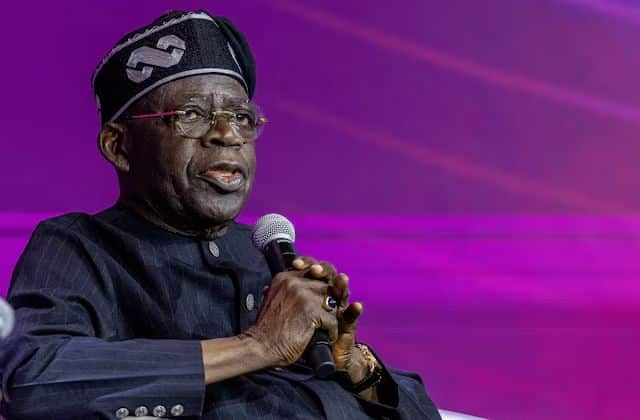
President Bola Ahmed Tinubu hosted a major meeting with Catholic bishops at the State House in Abuja. The meeting brought together top church leaders and government officials to talk about the biggest issues facing the country today. From the high cost of living to security threats like kidnapping and banditry, the conversation covered everything on the minds of everyday citizens.
President Tinubu delivered a strong message to the delegation. He declared that the worst of Nigeria’s economic crisis is over. He explained that his administration has successfully pulled the country back from the edge of financial collapse and put the nation on a stable path toward growth. In his words to the religious leaders, the government is stabilizing the nation, and prosperity is right on the horizon.
This meeting between the President and the Catholic Bishops Conference of Nigeria (CBCN) is one of those moments that really matter. It shows how the government is responding to the hard realities people face across the country and what plans are being put in place to fix them.
Here is a full breakdown of what happened during this important State House meeting, what President Tinubu promised, what the Catholic bishops demanded, and what all of this means for you and your family.
The High-Level Meeting in Abuja: Who Attended?
The gathering was not just a brief courtesy visit. It was an intensive closed-door discussion between the nation’s political leadership and some of the most influential faith leaders in West Africa. The Catholic Bishops’ Conference of Nigeria represents millions of citizens across every state, making their voice a powerful bridge between the government and ordinary people.
Build Funnels, Email Lists & Sell Online With One Free Tool
Create funnels, send emails, and sell online using Systeme.io without paying for multiple tools.
Create Free AccountFree forever • No credit card • Beginner-friendly
The 19-member Catholic delegation was led by Most Rev. Matthew Ndagoso, the Archbishop of Kaduna and President of the CBCN. Other senior clerics who attended included Cardinal John Onaiyekan, Cardinal Peter Okpaleke, Archbishop Ignatius Kaigama of Abuja, Archbishop Alfred Martins of Lagos, Bishop Matthew Kukah of Sokoto, and Bishop Peter Odetoyinbo of Abeokuta.
According to the official State House release, President Tinubu welcomed the bishops warmly and acknowledged the vital role religious institutions play in offering hope, guiding citizens, and supporting peace building across the nation.
Religious leaders in Nigeria often serve as the voice of the voiceless. When bishops speak, they bring direct feedback from communities, parishes, and villages across the country. That made this meeting a crucial platform for frank discussion on national issues.
Rescue From Bankruptcy: What Tinubu Said About the Economy
One of the main highlights of the meeting was President Tinubu’s assessment of the nation’s economy. Since taking office, his administration has introduced bold financial reforms, including the removal of the petrol subsidy and the unification of foreign exchange rates. While these policies caused short-term economic discomfort, the President assured the bishops that the hardest times are now behind us.
President Tinubu explained that he inherited a very fragile economy burdened with heavy debt and high financial risks. He stated clearly that his administration had to take firm actions to save the country from total financial collapse.
Moving Away From the Edge
The President emphasized that the economic danger that once threatened the country has passed. He noted that the national balance sheet is now much stronger than it was when he assumed office.
He pointed out that the fear of national bankruptcy and the dark tunnel of uncertainty have given way to renewed stability. In his address, he noted that he inherited both assets and liabilities from his predecessor, but his focus has been to fix the foundation and keep moving forward.
Rebuilding Public Confidence
According to President Tinubu, confidence in the Nigerian economy is growing both locally and internationally. The government believes that the foundation is now solid enough to support real growth, job creation, and lower inflation over time.
He reassured the delegation that prosperity is on the horizon, stating that the government will continue to focus on programs that directly cushion the impact of economic reforms on poor and vulnerable households.
Fixing Insecurity: Expansion of the Armed Forces and New Barracks
Security was another critical topic discussed during the meeting. Catholic leaders expressed deep concern over ongoing reports of terrorism, farm attacks, banditry, and kidnapping in different parts of the country.
In response, President Tinubu shared the steps his administration is taking to completely restructure Nigeria’s security framework. He made it clear that protecting lives and property remains the topmost priority of his government.
Expanding Military Capacity
President Tinubu announced that he has approved a major expansion of the Nigerian Armed Forces. This expansion includes recruiting more personnel, acquiring advanced military hardware, and expanding training facilities across the military branches.
The government is also constructing new barracks and upgrading existing security infrastructure. These steps aim to improve the living conditions and operational readiness of soldiers, police officers, and frontline security agents.
Smarter Intelligence and Logistics
The President noted that fighting modern crime requires better technology and intelligence gathering rather than just raw numbers. The government is investing heavily in surveillance tools, communication gear, and rapid-response capabilities.
He urged religious leaders to support these efforts by using their pulpits to condemn violence and preach national unity. He stressed that security is a collective responsibility where citizens, community leaders, and faith groups must work together with security agencies.
Education, ASUU Stability, and Mission Schools
Education took center stage as both the President and the bishops agreed that quality schooling is the surest way out of poverty for young Nigerians.
President Tinubu highlighted key achievements in the education sector, pointing out that public universities have remained open and stable without disruptions from industrial actions.
Academic Stability as Answered Prayer
The President noted that university calendars are now predictable, pointing out that students can complete a four-year degree course in four years without sudden strikes by university unions like ASUU. He described this ongoing stability in higher education as an answered prayer for parents and students across the country.
He also emphasized the impact of the Nigerian Education Loan Fund, popularly known as NELFUND. This student loan initiative provides financial assistance to thousands of students, ensuring that financial struggle does not prevent bright young minds from earning a university degree or technical diploma.
The Mission Schools Debate
Archbishop Ndagoso brought up the issue of mission schools, calling on the federal and state governments to facilitate the return of former mission schools to faith organizations. Many religious bodies believe that returning these institutions will help restore high moral standards and improve educational quality.
President Tinubu responded by explaining that under the Nigerian Constitution, the management and ownership of basic and secondary schools fall under the jurisdiction of state governments, not the federal government.
He recalled his time as the Governor of Lagos State, where he personally returned mission schools to their original owners, including Catholic missions. He advised the bishops to engage state governors directly to achieve similar outcomes across the country.
Democratic Values and Credible Elections in 2027
Beyond economics and security, the Catholic bishops emphasized the need to safeguard democratic institutions and ensure free and fair elections in the future.
Archbishop Ndagoso commended President Tinubu for his historical role as a pro-democracy campaigner during the era of military rule, reminding him that his greatest legacy would be strengthening democratic institutions for future generations.
Neutrality of Electoral Bodies
Addressing concerns about future polls, President Tinubu defended the neutrality of the Independent National Electoral Commission (INEC). He assured the bishops that the electoral body operates independently and offers equal opportunity to all political parties.
He urged political actors and citizens not to spread panic or cast unnecessary doubt on democratic processes, stressing that a strong democracy relies on active, law-abiding participation by all citizens.
Promoting Religious Freedom and Unity
The CBCN leadership also advocated for fair treatment of all worshippers, regardless of their location or religious affiliation. They called for equal access to land for building places of worship and fair treatment for minority religious groups in all parts of the country.
Build Funnels, Email Lists & Sell Online With One Free Tool
Create funnels, send emails, and sell online using Systeme.io without paying for multiple tools.
Create Free AccountFree forever • No credit card • Beginner-friendly
President Tinubu reaffirmed his belief in religious freedom and peaceful coexistence. He reminded the clerics that Nigeria’s national anthem calls on all citizens to live in unity and build a nation where peace and justice reign.
What This Means for Everyday Nigerians
While high-level political talks happen in government halls, ordinary citizens want to know how these promises affect their day-to-day lives.
The promise of economic recovery means that inflation could gradually slow down, bringing stability to market prices for essential food items, transport, and cooking gas. As national security improves, farmers can safely return to their fields, which will boost food production and lower food prices nationwide.
Adapting to Modern Opportunities
While waiting for long-term economic reforms to deliver full results, many young Nigerians are taking their financial future into their own hands. Building practical skills in tech, digital marketing, and content creation has become a vital path to financial independence.
If you are interested in exploring how modern technology and automation can help you earn income online, check out our guides on Technology and AI and discover practical strategies for YouTube Automation. Learning new skills gives you an edge in today’s changing job market.
Staying Connected and Informed
Staying informed with accurate, clear, and hype-free news helps you make smart decisions for your family and business. You can learn more about our mission on our About Us page or reach out directly through our Contact Us page.
We also invite you to join our growing online community across social media platforms. Connect with us on Facebook, follow our latest visual updates on Instagram, and join real-time conversations on X (Twitter).
Frequently Asked Questions
What was the main reason for the meeting between Tinubu and Catholic Bishops?
The meeting was held at the State House in Abuja to discuss critical national issues, including economic recovery, rising living costs, security challenges, education, and upcoming electoral reforms. It gave religious leaders an opportunity to present citizen concerns directly to the President.
Did President Tinubu say the Nigerian economy is now stable?
Yes, President Tinubu assured the bishops that the economy has been rescued from bankruptcy and placed on a sound footing. He explained that hard financial decisions taken by his government have stabilized the economy and set the foundation for future prosperity.
What is the government doing about insecurity in Nigeria?
The government is expanding the size of the Armed Forces, purchasing modern equipment, building new military barracks, and enhancing intelligence gathering. President Tinubu also called on faith leaders to preach peace and support security agencies.
What was discussed regarding mission schools?
The Catholic bishops requested the return of mission schools to religious organizations across the country. President Tinubu explained that school management falls under state government jurisdiction under the constitution, noting that he previously returned mission schools when he was Governor of Lagos State.
How does NELFUND help university students in Nigeria?
The Nigerian Education Loan Fund (NELFUND) provides interest-free loans to tertiary students across Nigeria. This initiative helps pay tuition fees and institutional charges, ensuring that financial constraints do not stop qualified students from earning higher education degrees.
The dialogue between President Bola Ahmed Tinubu and the leadership of the Catholic Bishops’ Conference of Nigeria highlights an essential truth: progress requires open communication between leaders and the people they serve. As government reforms continue to take shape and security operations expand, citizens remain hopeful for tangible results in their daily lives. By keeping a close eye on policy changes, staying informed through reliable news platforms, and building valuable skills for the digital age, everyday Nigerians can navigate these changing times and build a brighter future.
