
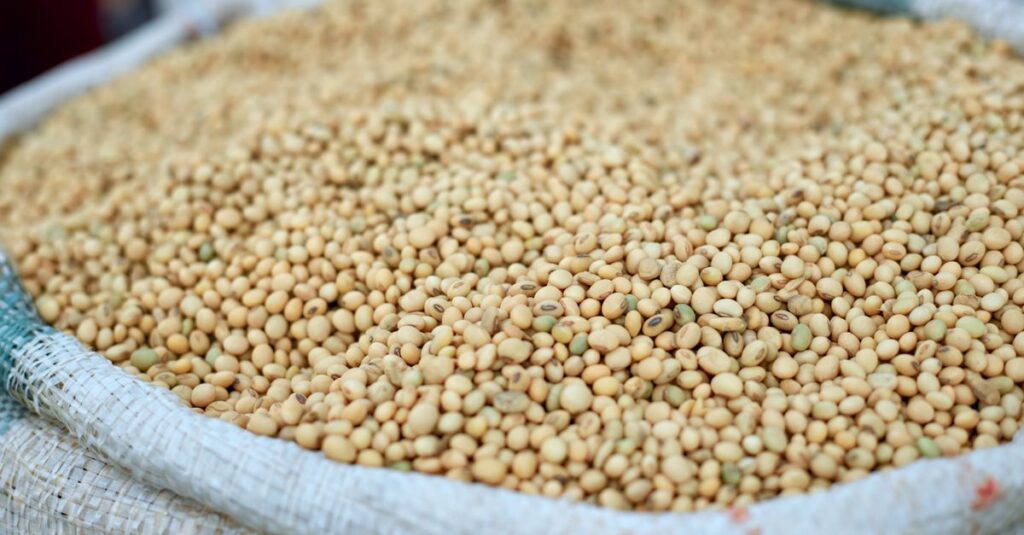
If you’ve ever looked at a bag of soya beans and wondered if there’s more to it than just animal feed or local market sales, you’re onto something. Nigerian soya beans are in serious demand globally, and right now, the window is wide open for exporters who know what they are doing.
The numbers tell a clear story: in 2023, Nigeria’s soya bean exports jumped 561% to N148.2 billion, up from just N22.4 billion the previous year. That is not a fluke—it is a signal.
This article walks you through the real opportunities, the honest challenges you will face, and the exact markets you should target if you want to build a sustainable soya bean export business.
Why Soya Beans? The Opportunity in Plain Sight
Soya beans are not just another crop. They are a raw material for animal feed, cooking oil, processed foods, and even industrial products. Countries like China, India, Turkey, and European nations cannot produce enough to meet their own needs. That is where Nigeria comes in.
Nigeria is already the second-largest producer of soya beans in Africa, with annual production of about 1.35 million metric tonnes. The government recently launched a National Soybean Production Policy aiming to cultivate 1 million hectares and generate N3.9 trillion in revenue while creating 1.2 million jobs. That means government backing, which is rare for any export business.
The price movement also works in your favour. Global soya bean prices surged from $415 per tonne in December 2025 to $1,160 per tonne in March 2026. When global prices rise, Nigerian exporters benefit directly.
The Hard Truth: Challenges You Cannot Ignore
Let us be honest. Exporting soya beans from Nigeria comes with real obstacles. Pretending they do not exist is how people lose money.
Poor Infrastructure
Roads leading from northern producing states to Lagos ports are in bad shape. Ports in Lagos are often congested, with outdated equipment and long bureaucratic delays. A container sitting at the port for weeks costs you money in demurrage fees. You need to plan for this in your budget and timeline.
High Interest Rates
Nigerian agro-exporters borrow at double-digit interest rates, while competitors in other countries access financing at three to four percent. That means your cost of capital is higher from day one. The solution is to start smaller than you think and reinvest profits rather than borrowing heavily upfront.
Quality Control Rejections
This is the biggest silent killer. Over 76% of Nigerian agricultural exports to Europe have been rejected because they did not meet required standards. Buyers will not give you a second chance. If your shipment fails quality checks, you eat the loss. That is why quality control cannot be an afterthought—it must be your first priority.
Smuggling and Policy Lapses
Unchecked smuggling has flooded the Nigerian market with cheap imports, crashing local prices and threatening long-term investment. This makes it harder for legitimate exporters to compete. Stick with registered supply chains and avoid any shortcuts.
Target Markets: Where the Money Is
Not all buyers are equal. Some countries pay better, some are easier to reach, and some have existing trade agreements that simplify things.
Top Destinations Right Now
According to recent trade data, Nigeria exports soya beans to the following key markets:
- India: $47.8 million (190,884,000 kg)
- Turkey: $2.48 million (6,326,380 kg)
- Canada: $4.07 million (10,876,300 kg)
- France: $3.10 million (8,981,730 kg)
India is clearly the biggest buyer, but Turkey and European markets offer stable prices and established trade routes.
Emerging High-Growth Markets
Beyond the current top buyers, several markets are growing fast. Between 2021 and 2022, the fastest-growing export markets for Nigerian soya beans were Canada, India, and Turkey. More recently, Nigeria has been actively targeting Pakistan and Nepal, with plans to send 1.5 million tonnes valued at $690 million to those markets in 2026. Vietnam, China, and the Netherlands are also major importers of soya beans for animal feed and oil extraction.
If you are just starting, India or Turkey are good first targets because the trade routes are already established. Once you have a track record, you can explore higher-value markets like the EU.
Step-by-Step: How to Start Exporting Soya Beans
1. Source Quality Beans from the Right States
Soya beans are grown across northern and central Nigeria. The major producing states include Benue, Kaduna, Kano, Plateau, Nasarawa, Katsina, Kwara, Kogi, Oyo, Jigawa, and Bauchi. Benue State accounts for a significant share of Nigeria’s annual output and is the traditional hub. Building relationships with farmer cooperatives in these states gives you a direct supply line and better prices.
2. Get Your Documentation Right
This is where most new exporters slip. You cannot ship a single bag without the right paperwork.
- Register with the Nigerian Export Promotion Council (NEPC) and obtain an exporter license.
- For processed or semi-processed soya products, you need a health certificate and certificate of manufacture from NAFDAC.
- The Nigeria Agricultural Quarantine Service (NAQS) handles phytosanitary certificates for plant products.
The NEPC has been actively training farmers on export standards, and they encourage working with farmer clusters to improve quality. Use these resources—they are free and they exist to help you.
3. Process or Not? The Value-Add Decision
Raw soya beans fetch lower prices than processed products. Refined soya bean oil was trading at $960 per tonne globally while unprocessed beans were around $415 per tonne. That is a huge difference.
If you have the capital, investing in basic processing—crushing for oil or making soya meal—dramatically increases your profit margin. Farmers exporting to international markets earn about N971,381 per hectare, compared to N854,134 selling locally. Processing pushes that gap even wider.
4. Quality Control Is Everything
Buy a moisture meter. Test every batch. Ensure your beans are free from aflatoxins, insects, and foreign matter. Store them in dry, ventilated warehouses. Many rejections happen because beans arrive moldy or contaminated due to poor storage. Do not let that be you.
5. Logistics and Shipping
Work with a licensed freight forwarder who knows the Lagos ports. Expect delays and build buffer time into your delivery schedules. Some exporters are now using digital logistics platforms to track shipments and reduce the chaos. It is worth the investment.
Frequently Asked Questions
How much money do I need to start exporting soya beans?
You can start with as little as N2–3 million if you buy directly from farmers and sell to a larger exporter. Direct international shipping requires more capital—think N15–20 million minimum to cover purchase, processing, packaging, shipping, and documentation.
Do I need a physical office to export?
Not necessarily, but you need a registered business. Many successful exporters started by working from home and building relationships with farmers and buyers online. Your reputation matters more than your office.
Which country pays the highest price for Nigerian soya beans?
Prices fluctuate, but European markets and Canada tend to pay premium rates for quality beans. India buys in huge volumes but often at slightly lower per-tonne prices. The best strategy is to diversify your buyers.
How long does it take from purchase to delivery?
From buying from farmers to getting the container on a ship, plan for four to six weeks. Add another three to five weeks for shipping to most destinations. Always add a buffer for port delays in Lagos.
Can I export soya beans without processing them?
Yes, raw soya beans are exported regularly. However, you will earn significantly less than if you process them into oil or meal. Start with raw beans to learn the process, then reinvest profits into processing equipment.
Conclusion
Soya bean export is not a get-rich-quick business. It requires patience, attention to quality, and a willingness to navigate Nigeria’s infrastructure and paperwork challenges. But the opportunities are real. Global demand is rising. Prices are strong. And the government is finally putting resources behind agricultural exports.
The question is not whether Nigeria can compete in the global soya bean market—it already does. The real question is: are you willing to do the hard work of building relationships, maintaining quality, and learning the export game one container at a time?
What is the single biggest thing holding you back from taking your first step into soya bean export?
