

Sending money from Nigeria to the USA used to be a slow, expensive headache. You’d go to the bank, fill out a long form, wait days, and still get a terrible exchange rate that ate up a chunk of your money.
Things have changed.
Digital platforms have made it faster, cheaper, and way more transparent. Whether you are paying tuition for a child in the US, sending money to family, or settling a business invoice, you now have real options that don’t feel like a punishment.
This guide walks you through the current best ways to send money from Nigeria to the USA, with honest advice on what each method costs and how long it takes.
Know the Legal Limits First
The Central Bank of Nigeria (CBN) has rules for sending money out of the country. For outbound transfers, the limit is $2,000 per transaction. That applies to individuals and must be denominated in Naira at the time you initiate the transfer. There is also a quarterly limit of $20,000 per customer.
A few important rules: You must pay in Naira, and the transaction is for personal transfers only. Corporate or business accounts cannot use this channel, and you cannot break a large payment into smaller amounts to avoid the limit.
If you stay within these rules, the process is straightforward. Try to send more, and your transfer will get flagged or rejected.
Your Best Options for Sending Money
Fintech Apps (Fast and Fair)
This is where the real value is. Apps built specifically for cross-border transfers now offer low fees, competitive exchange rates, and fast delivery.
Grey
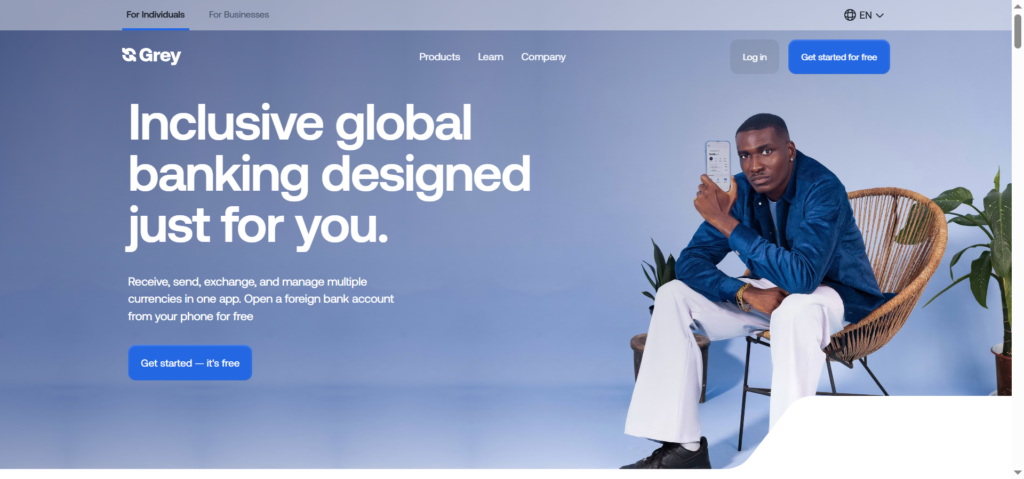
A strong choice for the Nigeria to USA route. You sign up, verify your identity, and open a US bank account in your name completely free. From there, you deposit Naira, convert it to USD at the live exchange rate, and send directly to any US bank account. The process is fully digital and surprisingly simple.
LemFi .
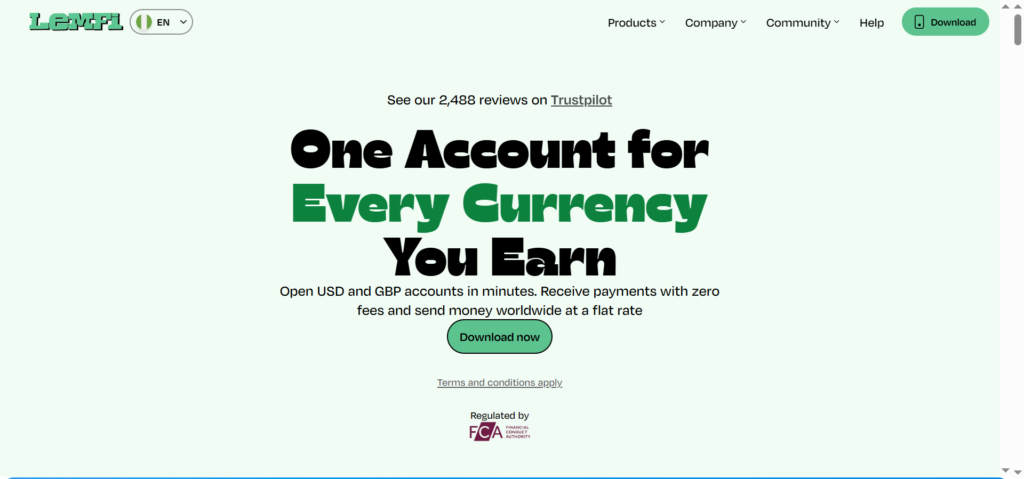
Let users hold multiple currencies, including USD, and send money internationally. Transfers usually complete in minutes. Their multi-currency wallet means you can keep funds in USD and send later without converting each time.
Chipper Cash.
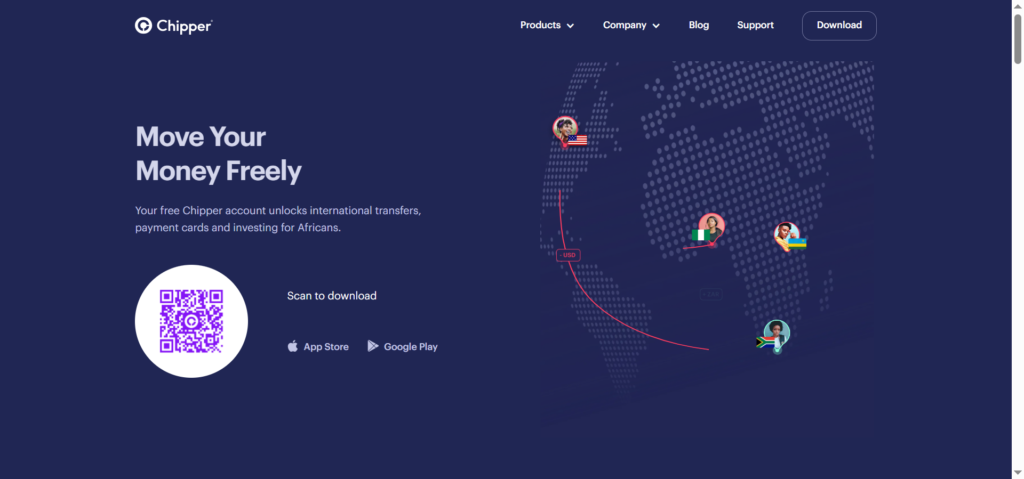
has over 5 million users across Africa. It supports cross-border payments from Nigeria to the USA and offers a virtual USD card for spending abroad.
Its peer-to-peer transfers within the Chipper network are free, making it a strong option if both you and your recipient are on the app. For sending to a bank account in the US, Chipper supports that as well.
WorldRemit, Remitly, and SendWave
are other solid choices. They allow direct deposits to US bank accounts, often with zero fees for certain transactions. Exchange rates are clearly shown before you confirm, so no surprises.
Taptap Send also operates in the Nigeria to the USA corridor. It sometimes offers zero-fee transfers for bank deposits, depending on your send amount and destination.
Cryptocurrency and P2P Platforms
This method works differently and appeals to people comfortable with digital assets. You convert your Naira to a stablecoin like USDC or USDT, send it through the blockchain, and your recipient cashes out to USD.
Easyshare. Global is a Nigeria-based peer-to-peer crypto exchange that enables users to buy, sell, and send cryptocurrencies directly. You fund your Naira wallet, buy USDC at the P2P rate, and send it to your recipient’s wallet. They then sell the USDC for USD through the same marketplace. The transaction settles in minutes, often faster than traditional bank transfers.
The learning curve is real, though. You need to understand how wallets, addresses, and P2P trading work. But for people sending larger amounts or dealing with countries where traditional banking is slow, crypto can be a powerful alternative.
Traditional Banks (Only If You Have No Other Choice)
Honestly, banks should be your last resort. Nigerian banks can send USD wire transfers to the USA, but the process involves paperwork, slow processing, and hidden markups.
You typically need to complete Form A, provide documentation for the purpose of transfer, and then wait 3 to 5 business days for processing. On top of that, the exchange rate banks offer is rarely competitive. They often take a 4–5% markup, which means your recipient gets far less USD than they should.
International transfer operators like Western Union and MoneyGram are faster but still not cheap. They charge upfront fees and give you a padded exchange rate. Use them only in emergencies.
How to Choose the Right Method
Here is a quick breakdown:
| Method | Fees | Speed | Best For |
|---|---|---|---|
| Grey | Low, transparent | 1–2 days | First-time senders, US bank accounts |
| LemFi | Competitive | Minutes | Regular senders, multi-currency holding |
| Chipper Cash | Free P2P transfers | Minutes | If recipient also uses Chipper |
| WorldRemit/Remitly | Low to zero fees | 1–2 days | General personal transfers |
| Crypto P2P (Easyshare) | Low for large amounts | Minutes | Tech-savvy senders, large amounts |
| Traditional Banks | High markups + fees | 3–5 days | Only if no other option available |
Hidden Costs That Eat Your Money
The fee you see upfront is rarely the full picture. Three things quietly reduce what your recipient actually gets:
Exchange rate markups are the biggest hidden cost. A provider might show a low or zero fee but then offer an exchange rate that is 3–5% worse than the real market rate. For a large transfer, that hidden markup costs you far more than any visible fee would have. Always compare the provider’s rate against the mid-market rate (the one you see on Google or XE).
Receiving-side fees matter too. Even if you pay nothing to send, the recipient’s US bank might charge an incoming wire fee, typically $10 to $25. Ask your recipient what their bank charges before you send.
Speed premiums can add up. Instant transfers often carry a higher fee than standard 1–2 day transfers. If you are not in a rush, choose the slower option and save money.
Practical Tips to Save Money
Compare the total cost, not just the fee. Use the mid-market exchange rate as your benchmark. If a provider is offering significantly less, move on.
Send larger amounts less often. If you send $500 ten times, you pay the fixed fee ten times. Send $5,000 once, and you pay only one fee. This also reduces the impact of per-transaction caps.
For regular transfers, set up a recurring schedule if your platform allows it. You will often get better rates and lower fees for automated, scheduled transfers.
Frequently Asked Questions
How long does a transfer from Nigeria to the USA usually take?
Fintech apps like Grey and Chipper Cash typically take 1–2 business days for bank account deposits. Crypto P2P transfers can settle in minutes. Traditional banks can take 3–5 business days or longer.
Can I send money directly to a US bank account?
Yes. Grey, LemFi, WorldRemit, and Remitly all support direct deposits to US bank accounts. You just need the recipient’s account number and routing number.
What documents do I need to send money?
For amounts under $2,000, most platforms only need basic KYC details: your name, phone number, and a government-issued ID. For larger amounts, you may need additional documentation to explain the source of funds.
Is it legal to send money from Nigeria to the USA?
Yes, as long as you use a licensed provider and stay within the CBN’s $2,000 per transaction limit. All the platforms mentioned here operate with proper licenses and comply with anti-money laundering rules.
Which method is cheapest for sending $1,000?
For that amount, fintech apps like Grey or LemFi will likely give you the best total value. Check both platforms at the time of your transfer, because exchange rates change daily. Crypto P2P can be cheaper for larger amounts but requires more technical knowledge.
Conclusion
Sending money from Nigeria to the USA is no longer the nightmare it used to be. You have real choices now. Apps like Grey, LemFi, and Chipper Cash offer low fees, fair exchange rates, and fast delivery. Cryptocurrency platforms provide an alternative for those comfortable with digital assets.
Traditional banks are still there, but they should be your last resort. The hidden markups and slow processing make them the most expensive option.
The key is simple: compare the total cost, watch the exchange rate carefully, and use a fintech app for most personal transfers.
Now it is your turn. What has been your experience sending money abroad? Have you tried any of these methods, or do you have a favorite that is not on this list? Drop a comment below. Real experiences help everyone make better decisions.
