
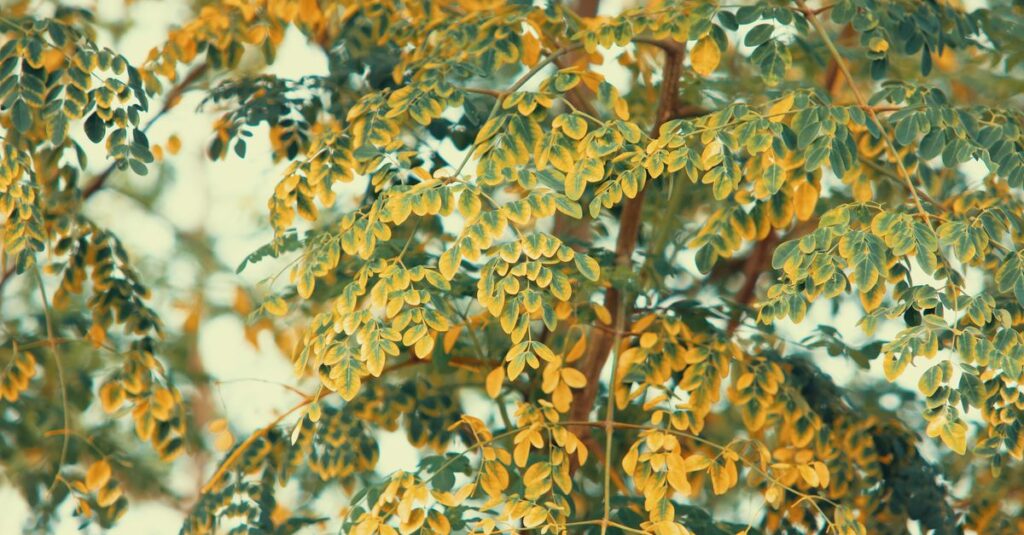
Moringa is one of the hottest agricultural products in the global market right now. The global moringa market size was expected to reach over $10 billion by 2028, and Nigeria produces an estimated 1.5 million metric tons annually. That is a serious opportunity.
But here is the thing: exporting moringa from Nigeria is not just about growing the tree and shipping it out. There are regulations, documents, quality checks, and real challenges you need to navigate. This guide walks you through every step, from getting your first license to landing your first international buyer.
Why Moringa?
Moringa is often called the “miracle tree”. It is packed with vitamins, minerals, and antioxidants. International buyers use it for food, medicine, cosmetics, and even animal feed. Nigerian moringa is highly sought after because of its quality, abundance, and competitive pricing.
If you already farm moringa or have access to reliable suppliers, exporting could be a solid way to earn foreign exchange. But do not rush. Start small, learn the process, and grow from there.
How do I Export Moringa from Nigeria?
1. Register with the Nigerian Export Promotion Council (NEPC)
You cannot legally export anything from Nigeria without registering with the NEPC. This is your first and most important step.
The NEPC issues an Exporter’s Certificate, which licenses you as an exporter and makes you eligible for export incentives. Registration is done electronically via the NEPC e-registration portal.
What you need:
- Certificate of business registration from CAC
- Tax Identification Number (TIN)
- Completed online application form
Once registered, you receive an Exporter’s Certificate. Keep this document safe. You will need it for almost every other step.
2. Register Your Product with NAFDAC (If Applicable)
If you plan to export processed moringa products like powder, capsules, or tea, you must register those products with NAFDAC. No regulated product can be manufactured, exported, or sold in Nigeria unless it is registered with NAFDAC.
The process:
- Log on to the NAFDAC Trade Portal using your TIN
- Fill the online application for an Export e-License
- Upload required documents including Certificate of Analysis, GMP certificate, and evidence of NEPC registration
This step can take time. Start early. Do not wait until you have a buyer waiting.
3. Know Your HS Code
HS codes are used to classify products for customs and trade. For moringa leaf powder, the HS code is 1212999500. Make sure your documents use the correct code. Wrong codes can delay shipments or lead to fines.
4. Complete the NXP Form
The Nigeria Export Proceeds (NXP) form is mandatory for all commercial exports. It is completed through your bank and registered on the CBN Trade Monitoring System portal (tradesystem.gov.ng).
The NXP form captures the value and quantity of your shipment. It is also a prerequisite for accessing the Export Expansion Grant, which is a government incentive for non-oil exporters.
How to complete it:
- Approach your bank (they must be an Authorized Dealer Bank)
- Fill the form online through the TRMS portal
- Your bank submits it to CBN
Do not skip this step. Without a valid NXP, your goods will not be allowed to leave the port.
5. Pay the NESS Fee
The Nigerian Export Supervision Scheme (NESS) fee is a statutory payment to the federal government on all legitimate exports. It is required for agricultural products including moringa.
The fee is paid through your bank. Once paid, you receive a receipt which you will need to finalize the Clean Certificate of Inspection (CCI).
6. Get Quality Certifications
International buyers will not accept your moringa without proof of quality and safety.
Phytosanitary Certificate: Issued by the Nigeria Agricultural Quarantine Service (NAQS). This confirms your moringa is pest-free and safe for export.
Certificate of Analysis: Buyers usually request this to verify that your moringa meets their required nutritional and purity standards.
Fumigation Certificate: Required for all agricultural exports to prevent infestation during shipping.
These certificates show buyers that you are serious and professional. Without them, your shipment may be rejected at the destination port.
7. Obtain a Clean Certificate of Inspection (CCI)
The CCI is issued by government-appointed Pre-Shipment Inspection Agencies (PIAs) after they inspect your goods at your warehouse or factory. It certifies that the quality, quantity, and price of your shipment meet the required standards.
You select a PIA when completing your NXP form. The inspection happens before your goods are packed for shipping.
8. Process Your Moringa Properly
This is where many exporters fail. You cannot just pick leaves, dry them under the sun, and pack them in old rice bags. International buyers have strict standards.
Basic processing steps for powder:
- Harvest only mature leaves
- Wash thoroughly to remove dirt and insects
- Dry in a clean, shaded area (sun drying introduces contaminants)
- Grind using a clean pulverizer, not a local burr mill
- Sieve to achieve uniform particle size
- Pack in food-grade, moisture-proof bags
Research has shown that using appropriate pulverizers at around 467 rpm with moisture content of about 7% produces the best quality powder. Invest in proper equipment from the start. It saves you from rejected shipments.
9. Find a Buyer
Do not grow or process large quantities before you have a buyer. That is a recipe for loss.
Where to find buyers:
- International B2B platforms like Alibaba, Tradekey, or Tridge
- Industry trade shows and agricultural expos
- Direct outreach to supplement and cosmetic companies overseas
What serious buyers will ask for:
- Samples of your product
- Certificates (phytosanitary, NAFDAC, Certificate of Analysis)
- Pricing and minimum order quantity
- Your Exporter’s Certificate
Many international buyers will issue an Irrevocable Corporate Purchase Order (ICPO) and sign a contract once they are satisfied. Do not ship anything without a signed contract and payment terms agreed.
10. Understand International Requirements
Each destination country has its own rules. Do not assume that what works for the US works for Europe.
For the US market:
- Your facility must be registered with the FDA as a food facility
- You must submit an electronic Prior Notice to the FDA at least 24 hours before shipment arrival
- Imported foods must be pure, safe, and produced under sanitary conditions
For the European market:
- Buyers usually request a Certificate of Analysis
- For organic moringa, you need EU organic certification under Regulation (EU) 2018/848
- Each shipment requires an importer in the EU to handle customs
Research your target market before you commit to any buyer.
11. Arrange Shipping and Logistics
You have two main options: air freight or sea freight.
Air freight: Faster but expensive. For express courier like DHL, expect around ₦40,000 to ₦50,000 per kg for shipments from Nigeria to the US.
Sea freight: Cheaper for large volumes. A 20ft container costs roughly $3,500 to $5,500 to the US or Europe. A 40ft container costs around $4,000 to $4,500.
Work with a licensed freight forwarder who understands export documentation. They handle customs clearance, bill of lading, and shipping arrangements.
12. Know the Real Challenges
Exporting moringa is not easy. Be honest with yourself about the difficulties.
High post-harvest losses: Studies show that growers can lose up to 52% of their produce due to temperature, decay, and poor handling.
Weak processing infrastructure: Most farmers sell raw leaves and seeds instead of higher-value products like powder or oil. This leaves money on the table.
Regulatory bottlenecks: Getting NAFDAC approvals and meeting international standards takes time and patience.
Inconsistent quality: Without proper drying, storage, and testing, your product quality will vary. Buyers do not like surprises.
The solution is to start small, invest in basic processing equipment, join or form a cooperative with other farmers, and focus on one product (like powder or seeds) before expanding.
Frequently Asked Questions
Do I need a license to export moringa from Nigeria?
Yes. You must register with NEPC to get an Exporter’s Certificate. Without it, you cannot legally export.
How much does it cost to get started?
Costs vary, but expect to pay for NEPC registration, NAFDAC product registration (if applicable), NESS fees, quality certifications, and shipping. A realistic starting budget for a small-scale exporter is between ₦500,000 and ₦2,000,000, depending on volume and processing needs.
Can I export moringa without processing it?
You can export raw moringa leaves or seeds, but you will earn far less than selling processed powder or oil. Most international buyers prefer processed products with consistent quality.
What documents do I need for export?
You need: NEPC Exporter’s Certificate, NXP form, NESS payment receipt, Phytosanitary Certificate, Certificate of Analysis, Commercial Invoice, Packing List, Bill of Lading, and for processed products, NAFDAC export license. For the US, FDA registration and Prior Notice are also required.
How do I avoid my shipment being rejected?
Ensure your product is properly processed, dried to the correct moisture level (around 7%), packed in clean, food-grade materials, and accompanied by all required certificates. Work with a reputable freight forwarder and confirm your buyer’s requirements in writing.
Conclusion
Moringa export from Nigeria is a real opportunity, but it is not a get-rich-quick scheme. The global market is large, but it demands quality, consistency, and professionalism.
Focus on doing one thing well: grow quality moringa, process it properly, get your documents right, and build relationships with buyers. Start small, learn from mistakes, and scale gradually.
What is the biggest thing stopping you from taking the first step toward exporting moringa?
