
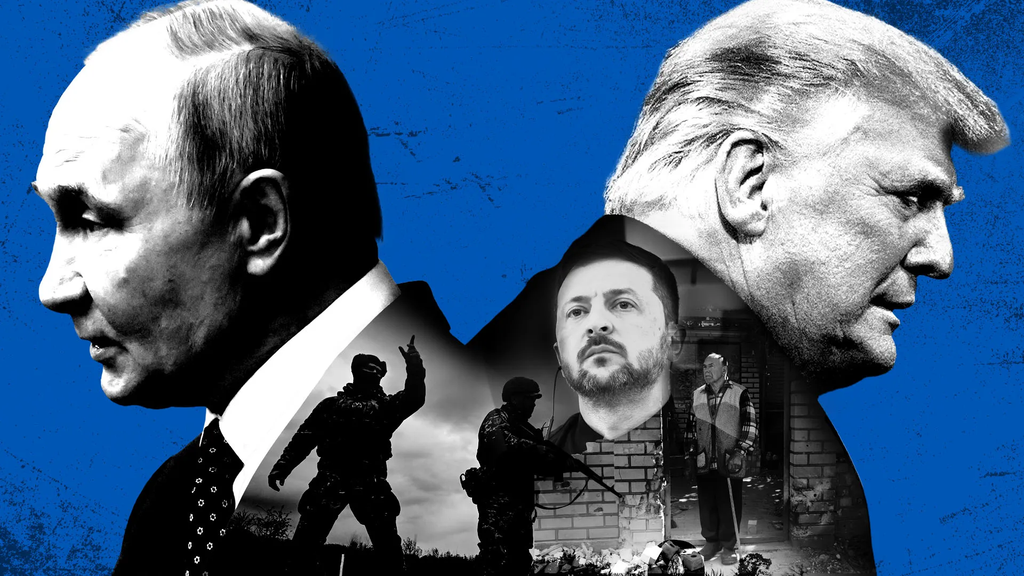
A dramatic clash unfolded on the stage of the United Nations General Assembly in New York. Tensions surrounding the war in Ukraine reached a boiling point as top international leaders presented radically different views on how to stop the bloodshed.
Russian Foreign Minister Sergei Lavrov launched a harsh attack on European nations, accusing them of actively trying to ruin peace efforts. At the exact same time, United States President Donald Trump publicly urged Ukrainian President Volodymyr Zelenskyy to reach a quick compromise and “settle with Putin.”
This sudden double shock comes during one of the most violent periods of the war. Both Moscow and Kyiv have ramped up heavy airstrikes, resulting in dozens of civilian casualties and severe damage to infrastructure.
With Washington pushing hard for a negotiated deal and European leaders standing firm behind Ukraine, the global political map is dividing fast. Here is a full look at what happened at the UN, what each side wants, and why reaching peace remains so difficult.
Russia Takes Aim at Europe at the UN General Assembly
During his major address at the United Nations General Assembly, Russian Foreign Minister Sergei Lavrov did not hold back. He openly pointed fingers at European capitals, claiming they are deliberately blocking diplomatic efforts to end the conflict.
The $0 Secret To Launching Your Entire Online Empire
Why pay hundreds every month for separate software? Build funnels, send emails, and make sales with Systeme.io completely free.
Get Started For $0Free Forever • No Credit Card Needed • Beginner-Friendly
According to Lavrov, the United States under President Trump is showing a genuine interest in negotiating an end to the fighting. However, he argued that European governments are doing everything in their power to disrupt that progress.
“Europe is doing everything it can to thwart peace talks in which the Trump administration is interested,” Lavrov declared during his speech. He insisted that Russia would fulfill all of its military goals regardless of Western opposition.
Lavrov accused Western nations of feeding the conflict by sending advanced weapons to Kyiv. He also alleged that Western intelligence agencies are helping the Ukrainian army choose targets deep inside Russian territory. He warned that trying to defeat Russia strategically would only push European leaders into a dead end.
This fiery speech reflects a growing narrative from Moscow: that Washington might be open to a deal, but European nations remain determined to prolong the war.
Trump Urges Zelenskyy to “Settle With Putin”
While Russia criticized European leaders, President Donald Trump made headlines of his own following meetings at the UN. Speaking about his discussions with President Volodymyr Zelenskyy, Trump called for an immediate end to the conflict and urged both sides to make a compromise.
Trump pointed directly to the staggering human cost of the war as the main reason why negotiations must happen immediately. He cited recent battlefield losses, noting that tens of thousands of soldiers and civilians are dying every single month.
“I want him to settle with Putin, and I want Putin to settle with him,” Trump told reporters. He added that he hopes both leaders can come together soon, ideally before another harsh winter sets in across Eastern Europe.
Trump expressed optimism that a deal between Kyiv and Moscow is still possible. He noted that he shares a workable relationship with Zelenskyy and believes both sides secretly want the fighting to stop.
This push for a quick agreement aligns with ongoing diplomatic moves behind the scenes. Earlier reports showed that Trump envoys headed to Kyiv for high-stakes peace talks following extended meetings with Russian officials at the Kremlin.
Washington has also sent representatives directly to Moscow to test the waters for a ceasefire. You can read more details about how US envoys arrived in Moscow for high-stakes Ukraine peace talks to try and open direct lines of communication.
Ukraine’s Response: Escalation on the Ground
For Ukrainian President Volodymyr Zelenskyy, the push to simply “settle” with Russia presents a major dilemma. While Zelenskyy acknowledged that Washington’s help is critical for ending the war, he warned world leaders that Moscow is not showing real signs of wanting peace.
Speaking to reporters and posting on social media, Zelenskyy stressed that Russian forces are actually increasing their attacks every day instead of winding them down.
“If the Russians have chosen to make their strikes even more brutal, the world must choose stronger responses to keep the war from spreading further,” Zelenskyy stated.
Recent events on the ground support his concern over rising violence:
- Wave of Drone Attacks: Russian missile and drone strikes recently hit residential areas and central markets in cities like Zaporizhzhia, Sumy, and Dnipropetrovsk, killing civilians and destroying homes.
- Strikes on the Capital: Heavy daytime attacks on Kyiv left multiple residents dead and damaged apartment buildings right as the city prepares for winter.
- Ukrainian Counter-Strikes: Ukraine has responded by firing long-range drones into Russian border regions like Belgorod and Krasnodar, targeting oil refineries and military infrastructure.
- Foreign Recruitment Claims: In his address to the UN, Zelenskyy revealed that Russia is actively recruiting fighters from over 47 foreign nations through trickery to fill gaps in its army.
Zelenskyy warned that signing a rushed deal without solid security guarantees would simply allow Moscow time to rebuild its army and attack again in the future.
Send, Spend & Hold Money Worldwide Without Hidden Fees
Transfer money internationally at the real exchange rate and hold 40+ currencies in one account.
Open a Wise AccountMid-market rate • Fast transfers • 40+ currencies
The Secret German-Russian Meeting in New York
Behind the public speeches at the UN, a landmark private meeting took place that caught the attention of international diplomats. Sergei Lavrov held a closed-door discussion with German Foreign Minister Johann Wadephul.
This marked the very first face-to-face meeting between the foreign ministers of Moscow and Berlin since before the invasion began in early 2022. Diplomatic relations between Germany and Russia have been nearly frozen for years.
The meeting happened during a period of extreme tension between the two countries:
- Hybrid Attacks: Germany recently accused Russian agents of orchestrating a failed drone attack on Leipzig Airport.
- Consulate Closures: Both nations ordered the shutdown of several diplomatic offices, including the Russian consulate in Bonn and the German consulate in St. Petersburg.
- Firm Stance: Wadephul made it clear during his speech that German support for Ukraine will not break under pressure or threats.
Wadephul urged Russia to abandon its path of escalation and enter fair negotiations. He pointed out that Russia continues to lose tens of thousands of soldiers every month while its economy faces serious long-term pressure.
Despite Germany’s willingness to sit down for a private talk, the meeting showed just how deep the divide between Russia and major European powers remains.
Why European Nations Are Hesitant About a Quick Deal
Why is Europe so suspicious of the proposed peace talks? To understand the tension, it helps to look at how European capitals view the conflict compared to Washington.
Many European leaders believe that a hasty peace agreement could leave Eastern Europe vulnerable to future Russian aggression. Countries close to the border, such as Poland and the Baltic states, fear that giving Russia territorial gains will encourage further conflict.
Here are the main concerns held by European leaders:
- Territorial Integrity: Europe maintains that borders cannot be rewritten by force. Allowing Russia to keep occupied Ukrainian territories could set a dangerous precedent.
- Security Guarantees: Without strong, enforceable military promises for Ukraine, European nations believe any ceasefire will quickly fail.
- Hybrid Warfare Concerns: European security agencies report a rise in Russian sabotage activities across the continent, including arson, cyberattacks, and airport disruptions.
- Economic Strain: While European nations face rising energy costs and high inflation, they believe giving in to Moscow would cost far more in the long run.
Because of these factors, European leaders prefer to continue supplying Ukraine with weapons and financial aid to force Russia into making real concessions before sitting down at the negotiating table.
This shift in European diplomacy is causing leaders to look for new alliances worldwide. For instance, you can see how global trade and diplomacy are shifting as Mark Carney heads to Brussels as Canada turns to Europe to build stronger international coalitions.
The $0 Secret To Launching Your Entire Online Empire
Why pay hundreds every month for separate software? Build funnels, send emails, and make sales with Systeme.io completely free.
Get Started For $0Free Forever • No Credit Card Needed • Beginner-Friendly
The Role of Modern Defense Technology in the Conflict
As diplomacy hits roadblocks, technology is playing a bigger role on the battlefield than ever before. Traditional warfare tactics are being replaced by automated systems, long-range drones, and real-time satellite data.
Both sides are leaning heavily on advanced technology to gain an edge:
- Drone Fleets: Ukraine is using thousands of low-cost drones to attack Russian supply lines and industrial sites hundreds of miles away.
- AI and Data Analytics: Defense software helps commanders analyze battlefield conditions instantly to predict enemy moves.
- Private Tech Sector: Global tech entrepreneurs are partnering directly with military leaders to build customized combat tools.
A prime example of this trend is how defense companies are rushing to support Kyiv’s defense needs. You can read about how Palantir CEO Alex Karp teamed up with Ukraine’s former defense chief to launch a major new defense technology startup.
At the same time, intelligence gathering remains a crucial back-channel tool for global powers trying to manage the risk of a wider war. In fact, reports revealed how the CIA director secretly visited Moscow to address high-level security concerns and prevent the conflict from spreading into other global hotspots.
Key Roadblocks to Ending the War
Even if all parties agree to sit down at the same table, several massive obstacles stand in the way of a lasting peace agreement.
1. Land and Territory
Russia currently occupies large portions of eastern and southern Ukraine. Moscow insists that these areas must remain under Russian control as part of any deal. Ukraine maintains that it will not give up its sovereign territory.
2. NATO Membership
Ukraine has long sought to join NATO to guarantee its security against future attacks. Russia considers Ukrainian NATO membership an absolute red line and demands that Ukraine remain completely neutral.
3. Sanctions and Economic Recovery
Western nations have placed heavy economic sanctions on Russian oil, banking, and trade. Russia wants these sanctions lifted as part of a peace deal. On the other hand, Ukraine wants Russia to pay for the massive rebuilding costs caused by the war.
4. Trust Deficit
There is almost zero trust between Kyiv and Moscow. Ukrainian officials point to previous broken agreements as proof that promises from the Kremlin cannot be relied upon without international enforcement.
Frequently Asked Questions (FAQs)
What did Russia accuse Europe of doing at the UN?
Russian Foreign Minister Sergei Lavrov accused European governments of deliberately trying to sabotage and block peace talks that the Trump administration is interested in pursuing. He claimed Europe wants to prolong the war rather than find a diplomatic solution.
What is President Donald Trump’s position on the Ukraine war?
President Trump wants an immediate end to the conflict. He has urged Ukrainian President Volodymyr Zelenskyy to “settle with Putin” and make a deal to stop the heavy loss of life on both sides.
How did Ukraine react to Trump’s statement?
President Zelenskyy stated that Russia is escalating its attacks every day instead of working toward peace. He warned that making quick concessions without strong security guarantees will only invite more violence.
Why did Germany and Russia hold a secret meeting?
German Foreign Minister Johann Wadephul met with Russian Foreign Minister Sergei Lavrov in New York to discuss rising tensions, alleged hybrid sabotage attacks in Europe, and diplomatic fallout. It was the first face-to-face meeting between the two countries’ foreign ministers since 2022.
What are the biggest hurdles to a peace deal?
The biggest obstacles include disputes over occupied land, Ukraine’s potential NATO membership, international economic sanctions, and a complete lack of trust between the two warring nations.
The situation surrounding Ukraine remains one of the most complex geopolitical challenges in modern history. With Washington pushing for a quick settlement, Europe urging caution, and heavy fighting continuing on the ground, the path to lasting peace is far from simple.
To stay updated on international politics, global news, and breaking developments, visit WhatsBuzzn. If you have thoughts, feedback, or questions about this story, feel free to reach out directly through our Contact Page.
You can also join the conversation and follow real-time updates on our official social media channels:
- Follow us on Instagram
- Like our page on Facebook
- Join our community on X (Twitter)
