
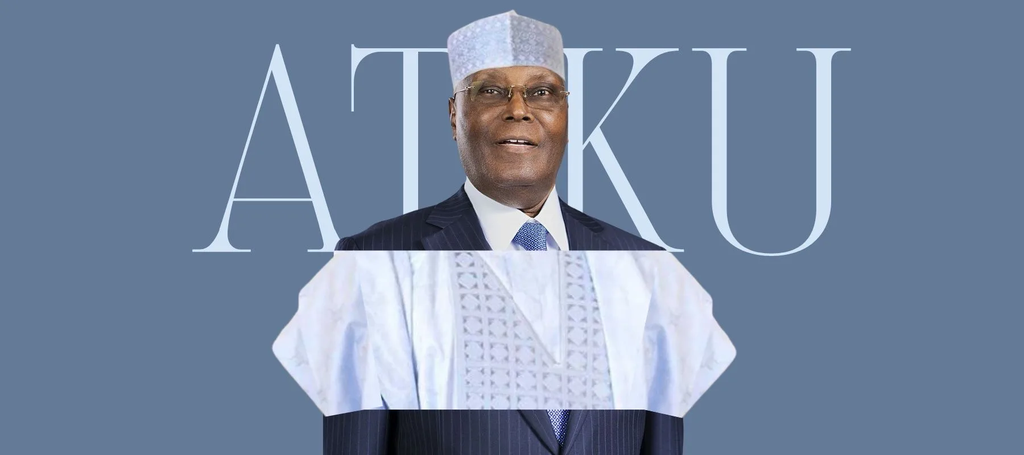
The debate around petrol prices in Nigeria has taken another dramatic turn. Former Vice President Atiku Abubakar recently announced that he would consider restoring fuel subsidy if given the opportunity to lead the country, sparking an immediate response from President Bola Tinubu’s administration. This exchange has reopened a passionate national conversation about economic strategy, government spending, and political consistency.
The Presidency wasted no time in criticizing the former vice president, describing his latest pledge as a major U-turn from his previous economic positions. Government officials argued that Atiku spent years advocating for the end of fuel subsidies, only to change his stance when public frustration over rising living costs reached a high point.
As citizens across the country continue to adjust to higher transportation costs and market prices, this political clash touches on issues that directly impact every household. Understanding the points raised by both sides helps clarify what is at stake for the economy and the future of fuel pricing in Nigeria.
The Unexpected Announcement That Shook the Political Scene
During a recent media interview, Atiku Abubakar made statements suggesting that the total removal of petrol subsidy had imposed excessive hardship on ordinary citizens. He indicated that if he were steering national policy, he would explore bringing back a modified or targeted subsidy regime to reduce fuel costs for everyday consumers.
This statement surprised many political observers. For a long time, removing the fuel subsidy was seen as a central part of free-market economic proposals championed by various political leaders, including Atiku himself during previous presidential campaigns. By suggesting a return to subsidized petrol, Atiku positioned himself directly against the current economic direction of the federal government.
The $0 Secret To Launching Your Entire Online Empire
Why pay hundreds every month for separate software? Build funnels, send emails, and make sales with Systeme.io completely free.
Get Started For $0Free Forever • No Credit Card Needed • Beginner-Friendly
The announcement caused immediate waves across mainstream media and online news channels. Coverage from major news platforms like Premium Times Nigeria highlighted how rapidly the political debate shifted from managing inflation to questioning the long-term sustainability of energy policy.
Understanding Atiku’s New Stance on Petrol Subsidy
Atiku’s argument centers on the immediate social cost of economic reforms. In his recent remarks, he emphasized that government policy must prioritize human welfare and that sudden price spikes in essential goods can overwhelm low-income families.
He suggested that a gradual approach, combined with targeted relief measures and negotiated agreements with organized labor, would have been a more humane way to handle energy pricing. Rather than leaving fuel prices entirely to international market forces, he argued for price stabilization mechanisms that prevent sudden jumps at the pump.
Atiku also insisted that any restored subsidy system under his vision would focus on strict accountability and cutting out middleman corruption. He maintained that the problem in the past was not the concept of supporting citizens, but the lack of transparency in how subsidy funds were managed and paid out. Detailed reports on his statements were published by ThisDay Live, detailing his commitment to reform governance while offering price relief.
Why the Presidency Calls It a Dramatic Policy U-Turn
The administration of President Bola Tinubu responded forcefully to Atiku’s proposal, calling it an opportunistic reversal of long-held economic principles. Special Adviser to the President on Media and Public Communications, Sunday Dare, alongside Presidential Spokesman Bayo Onanuga, issued strong statements rejecting Atiku’s proposal.
The Presidency pointed out that throughout the 2023 presidential campaign, Atiku consistently argued that fuel subsidy was unsustainable, corrupt, and wasteful. At that time, he stated publicly that removing the subsidy was necessary to free up capital for healthcare, education, and infrastructure development.
According to the government, turning around now to advocate for the return of subsidies represents political maneuvering rather than sound economic planning. The Presidency argued that making promises to return to discounted fuel simply tells people what they want to hear during difficult times, without providing a realistic way to pay for it. Full coverage of the government’s response can be reviewed through The Guardian Nigeria News, which outlined the administration’s detailed counterarguments.
The Numbers Behind the Subsidy Debate
To understand why this issue generates such intense debate, it helps to look at the financial realities involved. Senior Special Assistant to the President on Media and Public Enlightenment, Abdulaziz Abdulaziz, shared figures illustrating the high cost of restoring fuel subsidies.
Data from the Nigerian Midstream and Downstream Petroleum Regulatory Authority indicates that Nigeria consumes roughly 47.4 million liters of petrol every single day. Government calculations suggest that reintroducing a heavy subsidy to lower pump prices to previous levels could require as much as 1.422 trillion Naira every month.
The Impact on Public Treasury and State Budgets
The Presidency highlighted several key financial trade-offs that come with subsidizing fuel:
- Restoring monthly subsidy payments would eat away a massive portion of federal revenues, leaving significantly less money for national security, public health services, and educational institutions.
- Ending the subsidy regime allowed record revenues to flow into the Federation Account, resulting in higher monthly allocations to state and local governments.
- State governors now receive expanded funding that enables them to pay worker salaries reliably and fund local infrastructure developments without relying heavily on domestic borrowing.
The government argued in reports covered by The Nation Newspaper that returning to the old system would undo these revenue gains and force the country back into heavy borrowing to cover daily consumption expenses.
Local Refineries, Industrial Tech, and Domestic Production
Another major argument raised by the Presidency relates to domestic oil refining capacity and modern industrial development. For decades, Nigeria exported crude oil only to import refined petrol back into the country at higher prices, spending billions of dollars in foreign exchange every year.
The removal of petrol subsidy was designed to clear the path for market-driven pricing, encouraging private investors to build and operate local refineries. With major facilities like the Dangote Refinery and modular refineries operating across the country, Nigeria is transitioning toward self-sufficiency in refined petroleum products.
Bringing back price controls or artificial government subsidies could disrupt these private investments. Investors require clear, stable, market-based rules to recover their capital and maintain operations. If the government sets fuel prices below market value, local refineries could struggle to operate profitably, potentially harming job creation and industrial growth.
Readers interested in how industrial technology, automation, and modern infrastructure drive economic changes can explore related articles on Whatsbuzzn Technology and AI, which covers innovation transforming modern business.
Send, Spend & Hold Money Worldwide Without Hidden Fees
Transfer money internationally at the real exchange rate and hold 40+ currencies in one account.
Open a Wise AccountMid-market rate • Fast transfers • 40+ currencies
How This Debate Impacts Everyday Nigerians
Beyond political speeches and financial reports, the fuel subsidy debate directly affects millions of citizens. Every price adjustment at the filling station ripples through the entire economy.
When petrol prices rise, public transport fares increase almost immediately. Food vendors pay more to transport produce from rural farms to urban markets, leading to higher grocery costs for families. Small business owners who rely on generators to power their shops see their operating costs jump, cutting into their slim profit margins.
This daily reality explains why Atiku’s call for subsidy relief resonates with many people who feel squeezed by inflation. At the same time, supporters of the government’s stance argue that short-term hardship is necessary to build a stable economy free from unsustainable debt. They believe that spending trillions on fuel consumption benefits wealthier vehicle owners more than the poorest citizens, who would gain more from public infrastructure, health facilities, and school improvements.
How Digital Media and Creators Are Covering the Story
The clash between the Presidency and Atiku has dominated digital news platforms, talk shows, and social media commentary. Online video creators, political analysts, and independent commentators are producing content to break down the economic arguments for public audiences.
Video platforms in particular have become major hubs for policy debate. Broadcasts on channels like the TVC News YouTube Channel bring together policy experts and political figures to debate whether subsidy removal was executed effectively or if alternative relief models should be tested.
For digital content creators looking to build engaged audiences around current affairs and trending news topics, understanding how to structure video content efficiently is essential. Resources available under Whatsbuzzn YouTube Automation offer helpful insights on growing digital channels, creating compelling video outlines, and reaching broader online audiences.
A Historical Overview of Fuel Subsidy in Nigeria
To better understand how Nigeria arrived at this point, it is helpful to look back at the history of fuel subsidy policies over the past two decades.
Subsidy payments began decades ago as a temporary cushion to protect citizens from international crude oil price swings. Over time, however, as global crude prices rose and domestic refineries fell into disrepair, the cost of importing refined petrol skyrocketed.
Key Developments Over the Years
- During the early 2000s, successive administrations attempted phased subsidy reductions to limit government spending while providing targeted transportation palliatives.
- In 2012, major public protests took place when the government attempted a full removal of petrol subsidy, leading to a partial rollback of prices.
- By 2021, parliament passed the Petroleum Industry Act, creating a legal and regulatory framework to deregulate the downstream sector completely.
- In May 2023, President Bola Tinubu announced during his inaugural address that the fuel subsidy was gone, officially ending decades of price support.
This long history shows that fuel subsidy has always been one of the most sensitive political issues in the country. Every major leader has had to navigate the tension between fiscal responsibility and public affordability.
Public Reactions and Politician Perspectives
Reactions to the clash between the Presidency and Atiku have been split across political lines, economic experts, and civil society groups.
The $0 Secret To Launching Your Entire Online Empire
Why pay hundreds every month for separate software? Build funnels, send emails, and make sales with Systeme.io completely free.
Get Started For $0Free Forever • No Credit Card Needed • Beginner-Friendly
Supporters of the ruling party applaud the administration for sticking to economic reforms despite political pressure. They argue that backtracking on subsidy removal would damage investor confidence, reverse the progress made by domestic refineries, and push the nation back into heavy debt.
On the other hand, opposition supporters and consumer rights advocates emphasize that economic policies must be evaluated by how they impact the average person’s quality of life. They contend that without adequate social safety nets, public transport support, or effective wage adjustments, rapid reform places an unfair burden on working families.
Independent economists often fall somewhere in the middle. Many agree that total price subsidies are fiscally dangerous, but they also stress that the government must implement transparent, effective relief programs to shield vulnerable households from sudden price shocks.
Frequently Asked Questions (FAQs)
What caused the recent clash between the Presidency and Atiku Abubakar?
The disagreement started after former Vice President Atiku Abubakar suggested in an interview that he would consider restoring fuel subsidy in some form to reduce living costs. The Presidency responded by accusing him of making a dramatic policy U-turn out of political desperation.
Why does the Presidency consider Atiku’s proposal a U-turn?
During the 2023 campaign season, Atiku advocated for the complete removal of fuel subsidy, describing it as corrupt and unsustainable. The Presidency argues that switching his stance now contradicts his previously stated economic beliefs.
How much could restoring fuel subsidy cost the government?
Government estimates based on daily consumption data suggest that reintroducing a full subsidy regime could cost around 1.422 trillion Naira every month, placing a severe financial strain on public finances.
How has subsidy removal affected state government allocations?
Ending fuel subsidy payments increased the total revenue available in the Federation Account. As a result, federal, state, and local governments now receive higher monthly allocations through the Federation Account Allocation Committee (FAAC), helping states pay salaries and fund capital projects.
What impact does subsidy removal have on local oil refineries?
A deregulated fuel market allows local refineries to operate competitively and sell refined products at market rates. Government officials argue that restoring price controls could discourage private investment in local refining capacity.
Where can I find more updates and engage with trending news topics?
You can follow ongoing updates, news summaries, and community discussions directly through the official Whatsbuzzn Nigeria Instagram profile, the Whatsbuzzn Nigeria Facebook page, or the Whatsbuzzn Nigeria X feed.
What This Policy Debate Means for Nigeria’s Future
The back-and-forth between the Presidency and Atiku Abubakar is more than standard political drama; it reflects a fundamental debate over how Nigeria should manage its economy. One path prioritizes fiscal discipline, market deregulation, and private sector investment. The other emphasizes price stabilization, public intervention, and immediate consumer relief.
As the country moves forward, finding a balanced middle ground will remain a top priority for policymakers and citizens alike. Economic reforms need to deliver long-term growth while ensuring that everyday people can afford basic necessities like fuel, food, and transportation.
Staying informed on these rapidly evolving developments helps citizens ask better questions and hold leadership accountable. To learn more about our commitment to covering major stories clearly and accurately, visit the Whatsbuzzn About Us page. If you have questions, feedback, or story ideas you would like to share with our editorial team, feel free to reach out directly through the Whatsbuzzn Contact Us page.
