
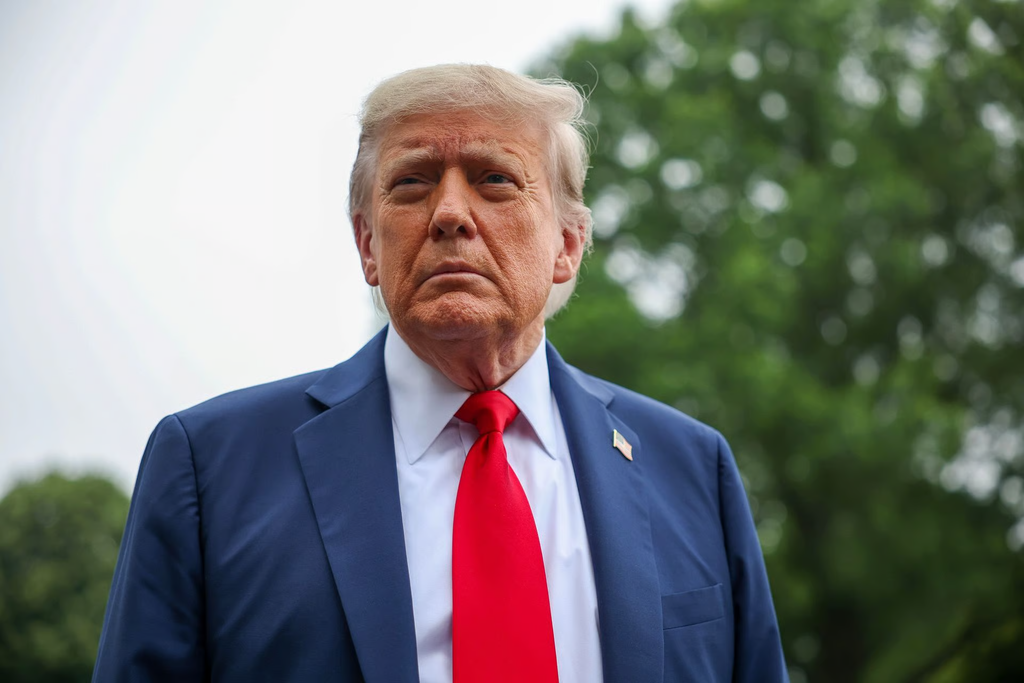
The Trump administration has dropped a massive bombshell on foreign graduates living in the United States. The U.S. Department of Homeland Security (DHS) announced a proposed rule that would charge a $70,000 fee for international students who want to work in the country after completing their degrees.
For years, foreign students who graduate from American universities have used a popular program called Optional Practical Training, widely known as OPT. This program lets graduates stay in the U.S. and gain real-world work experience in their field for one to three years. Up until now, applying for OPT involved standard administrative filing fees of around $500.
Under this new proposal from DHS, that reality changes overnight. If the rule goes into effect, universities will be required to pay an upfront fee of $70,000 for every single international student they recommend for initial OPT work authorization.
If a student has a degree in science, technology, engineering, or mathematics (STEM) and wants to apply for a two-year extension, the proposal adds another $30,000 fee. That brings the total price tag for a STEM graduate to $100,000.
This news has sent shockwaves through higher education campuses, corporate boardrooms, and international student communities across the globe. Millions of students and parents are asking what this means, how it works, and whether this policy will actually become reality.
The $0 Secret To Launching Your Entire Online Empire
Why pay hundreds every month for separate software? Build funnels, send emails, and make sales with Systeme.io completely free.
Get Started For $0Free Forever • No Credit Card Needed • Beginner-Friendly
The Breakdown: What Is This New $70,000 Rule?
To understand how big this news is, you have to look at the exact mechanics of the DHS proposal. The proposed regulation places the primary requirement directly on American colleges and universities.
Before a university’s Designated School Official (DSO) can officially sign off and recommend a student for post-graduation work, the school must pay the new fee to the federal government.
Here are the primary parts of the proposed fee structure:
- Initial OPT Approval: Colleges must pay $70,000 for each international student seeking standard post-graduation work authorization.
- STEM OPT Extension: Colleges must pay an additional $30,000 if the student qualifies for and requests the extra 24-month STEM extension.
- Total Cost for STEM Work: The total fee for a STEM graduate staying for the full three-year period reaches $100,000.
- Non-Refundable Standard: If a student’s work permit gets denied or if plans change, refunds are only given on a rare, case-by-case basis without any right to appeal.
According to reporting from news outlets covering the LiveNOW Fox DHS updates, DHS acknowledged that colleges likely do not have millions of extra dollars sitting around.
In its official rule filing, the agency stated that schools can manage this financial burden by shifting the cost onto others. Schools can pass the full fee directly to the international student, split it among all enrolled students, or require hiring employers to pay it.
To make matters even more intense, DHS included a direct warning in its documentation. The agency declared that if it cannot collect these proposed fees to run the program, it may shut down OPT completely.
How Optional Practical Training (OPT) Works Right Now
To see why a $70,000 price tag changes everything, it helps to review how international student work rules have operated for decades.
When international students come to the United States on an F-1 visa, their primary purpose is full-time study. However, the U.S. government established OPT so foreign students could get hands-on experience in American companies after earning their degrees.
The current system works through a simple set of steps:
- Standard Eligibility: Any F-1 student who finishes an undergraduate or graduate degree can apply for 12 months of temporary work in a job directly related to their major.
- STEM Extension: Students with qualified STEM degrees can apply for an additional 24 months, giving them 36 months total of work authorization in the U.S.
- Cost Structure: Right now, applying for work authorization through USCIS involves filing Form I-765, which carries a standard processing fee between $470 and $520.
- Role in Career Growth: For hundreds of thousands of graduates, OPT is the key bridge between being a university student and securing a long-term H-1B work visa or employment sponsorship.
According to figures highlighted by Higher Ed Dive, about 294,000 foreign students participated in OPT during the 2024–2025 academic year. That is more than double the number of participants from ten years ago.
For young professionals, OPT is the standard path to building a global career. Replacing a $500 application fee with a $70,000 or $100,000 fee turns a routine administrative step into an impossible financial wall.
Why Is the Trump Administration Proposing Such High Fees?
The Department of Homeland Security has given specific reasons for proposing this unprecedented increase. The administration argues that the current OPT system has loopholes that invite fraud, hurt labor markets, and bypass immigration limits.
Here are the primary arguments provided by DHS in favor of the $70,000 fee:
- Stopping Fraud and Fake Employers: Federal investigators argue that some foreign students and bad actors have used OPT to stay in the country using shell companies, fake job offers, and pay-to-stay schemes. DHS points to previous ICE investigations where students were arrested for fake employment records.
- Protecting Jobs for American Graduates: The administration claims that OPT creates cheap foreign labor that competes with American college graduates who are looking for entry-level tech and corporate jobs.
- Forcing Colleges to Be Stricter: DHS believes that forcing colleges to pay $70,000 per student will make school officials inspect every candidate very carefully. The government assumes schools will only recommend top-tier candidates who have guaranteed, verified employment.
- Closing Visa Cap Backdoors: Critics of the current system argue that OPT allows foreign workers to work full-time for years without having to go through the annual cap limits of the H-1B visa program.
While supporters of the policy believe these high costs will clean up program abuse, higher education experts warn that the policy treats every international student like a potential liability rather than a valued contributor.
How This Plan Could Crush International Students and US Colleges
The economic reality of charging $70,000 or $100,000 for a post-graduation work permit is staggering. Almost no student or university can pay that kind of money on top of existing tuition expenses.
Send, Spend & Hold Money Worldwide Without Hidden Fees
Transfer money internationally at the real exchange rate and hold 40+ currencies in one account.
Open a Wise AccountMid-market rate • Fast transfers • 40+ currencies
If this proposal becomes official policy, the side effects across American education will be immediate and severe.
1. Massive Drop in Foreign Enrollment
International students already pay full, out-of-state tuition at public universities and top rates at private colleges. Many take out large loans or use family savings based on the expectation that they can work in the U.S. after graduation to pay off their debt.
If post-graduation work suddenly costs $70,000 extra, the financial equation breaks completely. Surveys of higher education leaders show that over 90% of colleges expect international students to choose universities in other countries if OPT is effectively blocked.
2. Loss of Revenue for American Colleges
Foreign students pump tens of billions of dollars into the U.S. economy each year. They help fund university research budgets, pay administrative salaries, and subsidize financial aid for domestic students.
If foreign applications collapse because of work restrictions, university budgets across the nation will take a massive hit. Smaller regional colleges and specialized private institutions could face severe financial trouble.
3. Competitor Nations Will Benefit
Countries like Canada, the United Kingdom, Australia, and Germany offer clear post-study work permits that do not cost tens of thousands of dollars. If the U.S. closes its doors to post-graduate work, top students from India, China, Nigeria, South Korea, and Europe will simply take their talents and money elsewhere.
4. Severe Damage to STEM Research
American graduate schools rely heavily on foreign talent in fields like computer science, artificial intelligence, biotechnology, and engineering. Forcing $100,000 fees on STEM graduates risks draining research labs of qualified research assistants and engineers.
What Business Leaders and Experts Are Saying
The reaction from educational organizations, business coalitions, and legal experts was swift and critical.
Major educational associations slammed the proposal immediately. Fanta Aw, the CEO of NAFSA (Association of International Educators), released a public statement expressing deep concern over the policy. She pointed out that driving away global talent will hurt American economic growth, workforce development, and leadership in science and technology.
Analysis in Time Magazine coverage noted that tech companies and research firms rely on OPT to hire top-tier talent directly out of universities. Blocking this talent pipeline could create labor shortages in critical technology sectors.
The $0 Secret To Launching Your Entire Online Empire
Why pay hundreds every month for separate software? Build funnels, send emails, and make sales with Systeme.io completely free.
Get Started For $0Free Forever • No Credit Card Needed • Beginner-Friendly
At the same time, legal experts quickly stepped forward to urge students and universities not to panic.
Doug Rand, a prominent immigration expert and director at the Talent Mobility Fund, publicly explained that DHS does not have the legal right to create a massive $70,000 fee out of thin air. He noted that federal administrative agencies cannot impose huge financial taxes without explicit authority from the U.S. Congress.
Will This Actually Become Law? (The Legal Challenges Ahead)
Understanding how U.S. regulations work is key to making sense of what happens next. A proposed rule is not an immediate law. It is the first step in a long federal process.
Here is the path this proposal must follow and where it faces massive roadblocks:
The 60-Day Public Comment Period
Starting in October 2026, the federal government opened a 60-day window for public feedback that runs through November 9, 2026. During this time, universities, businesses, students, and citizens can submit formal comments explaining why the rule is flawed, illegal, or harmful. Federal agencies are legally required to review and respond to these comments before publishing any final rule.
Federal Lawsuits and Injunctions
If DHS tries to publish a final version of this rule, immigration lawyers, major universities, and industry groups will file federal lawsuits instantly.
Courts have routinely struck down similar attempts by federal agencies to bypass standard administrative rules or impose massive financial penalties without Congressional authorization. A federal judge is almost certain to issue a temporary injunction blocking the rule from going into effect while the lawsuits move through the courts.
Because of these legal steps, this $70,000 fee proposal will not take effect right away, and it may be thrown out by federal judges long before it can ever be enforced.
Practical Steps for International Students Right Now
If you are an international student currently studying in the U.S. or planning to study soon, hearing news about a $70,000 fee can feel terrifying. However, staying calm and taking practical steps is the best way forward.
Here is what you should do today:
- Do Not Panic or Drop Out: Remember that this is only a proposal. It is not active policy, and it cannot be enforced today. Your current visa status and existing OPT applications remain governed by the current rules.
- Talk to Your Designated School Official (DSO): Your university’s international student office is tracking this news closely. Reach out to them for updates on how your university is preparing to respond during the public comment window.
- Submit Public Comments: You and your school can participate in the official public comment process. Sharing real stories about how international students contribute to American communities helps build a strong administrative record against the rule.
- Focus on Your Academic Standing: Keep your grades up and maintain your nonimmigrant status. Staying compliant with all standard visa requirements remains your best protection.
- Keep Backup Options Open: While waiting for court decisions in the U.S., keep an eye on alternative career paths, graduate programs, or post-study work options in countries with straightforward immigration rules.
Frequently Asked Questions (FAQs)
Is the $70,000 OPT fee active right now?
No. The fee is currently just a proposed rule published by the Department of Homeland Security. It is open for public comments through November 9, 2026, and cannot be collected from anyone right now.
Who would be required to pay the $70,000 fee if it passes?
The proposed rule puts the legal burden on American colleges and universities. However, the proposal allows schools to pass the financial cost down to the international students themselves or require hiring employers to cover it.
Does this proposal affect students currently on approved OPT?
The proposed rule targets new recommendations for initial OPT and formal applications for STEM extensions. If you already have an approved Employment Authorization Document (EAD card), your current work period is protected under existing regulations.
Can international students submit feedback to stop this rule?
Yes. Anyone can submit comments on the Federal Register during the 60-day public comment period. Public feedback from students, faculty, and employers plays an important role when judges review whether an agency acted fairly.
Is it likely that federal courts will block this proposal?
Immigration law experts overwhelmingly expect federal courts to block or strike down this rule. Federal agencies generally do not have the power to create huge new fees or taxes without explicit legislation from Congress.
This proposal marks one of the most drastic shifts in international education policy seen in years. While the headlines sound scary, understanding the legal process shows that this rule faces massive legal hurdles before it ever becomes reality.
Stay connected with your international student advisors, keep up with official updates, and do not let rumors disrupt your academic progress.
Want to learn more about our mission to bring you real, honest updates on trending news around the world? Visit the WhatsBuzzn About Us page to see what drives our news coverage. Have a question, a news tip, or a story to share with our editorial team? Head over to the WhatsBuzzn Contact page to get in touch.
Make sure you never miss a beat on global student news and trending headlines by joining our community online. Follow us on WhatsBuzzn Instagram, check out our latest posts on WhatsBuzzn Facebook, and join the ongoing conversation on WhatsBuzzn X.
