
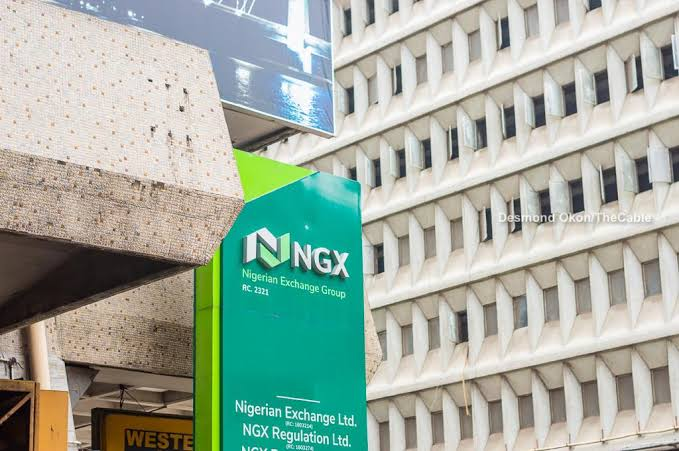
The month of August started with a loud bang on the trading floor. Investors woke up to exciting news as the Nigerian equities market opened the new month with a staggering N289 billion gain in a single day.
If you have been following money news lately, you know that numbers like this do not just happen by accident.
When hundreds of billions of Naira move into listed companies in just twenty-four hours, it gets everyone talking—from veteran stockbrokers in Broad Street to young professionals looking for ways to protect their money against inflation.
At WhatsBuzzn, our goal is simple: we take huge financial headlines, peel away the dry boardroom talk, and break them down into plain, simple English that anyone can digest. You do not need a degree in economics to understand what is happening with your local economy.
Let us walk through what drove this sudden surge, which companies led the charge, and why understanding these market moves can help you make better choices with your personal finances.
The $0 Secret To Launching Your Entire Online Empire
Why pay hundreds every month for separate software? Build funnels, send emails, and make sales with Systeme.io completely free.
Get Started For $0Free Forever • No Credit Card Needed • Beginner-Friendly
Understanding the Big Numbers Behind the August Opening Surge
To appreciate what happened on the first trading day of August, it helps to look at the exact figures reported by the market operators. The total value of all stocks listed on the Nigerian Exchange Limited—what financial experts call “market capitalization”—shot up by N289 billion. That rise brought the total value of the market up to N158.614 trillion.
At the same time, the main benchmark used to track the overall health of the market, called the All-Share Index (ASI), jumped by 446.85 points. It moved up from its previous level to close at 245,730.53 points.
If those financial terms sound like a foreign language, here is an easy way to picture them:
Think of the All-Share Index as a giant scorekeeper for the entire stock exchange. When most companies on the exchange are doing well and people are paying higher prices for their shares, the scorekeeper raises the score. When share prices fall, the score drops.
Market capitalization, on the other hand, is like putting a price tag on the whole market. If you wanted to buy every single share of every public company in Nigeria all at once, that total price tag is what we call market cap. So when the market cap gains N289 billion, it means the combined price tag of those companies grew by N289 billion in a single trading session.
This powerful start to August comes right after a brief period of profit-taking toward the end of July, showing that buyer appetite remains remarkably strong.
Key Drivers Behind the Rally: Who Brought the Fire?
A N289 billion leap does not happen because of just one company. It takes strong performance across major business sectors to push the entire market upward.
The Banking Sector Heavyweights
Nigeria’s major financial institutions once again played a starring role in driving the rally. Commercial banks have been releasing their half-year financial performance reports, and many of them showed solid profit numbers despite broader economic headwinds.
Investors rushed to buy into banking giants such as First HoldCo, Zenith Bank, Access Holdings, and Sterling Financial Holdings. For instance, First HoldCo reached a major landmark during recent trading, cementing its position as one of the most heavily valued banking groups in the country. When big banks gain momentum, they carry a huge chunk of the stock market along with them.
Strong Energy and Telecommunications Demand
Outside of banking, companies in energy, oil and gas, and telecommunications continue to draw heavy attention. Major energy players like Seplat Energy and Aradel Holdings have kept market sentiment high following impressive mid-year profit growth and strategic asset deals.
At the same time, telecom powerhouses like Airtel Africa and MTN Nigeria remain investor favorites due to their massive daily cash flows and subscriber bases. According to financial updates on outlets like Punch Newspapers, positive corporate earnings and corporate actions across these heavy-hitter companies gave buyers the confidence to push share prices up across the board.
Who Is Buying? The Rise of Domestic Investors
One of the most fascinating developments in the market over the past year is who is actually spending the money.
For a long time, many people believed that the Nigerian stock market only moved when foreign investment funds poured money in from London or New York. But recent market reports tell a completely different story.
Local Nigerian investors—ranging from institutional pension funds and asset managers to everyday individuals trading from their smartphones—now account for more than 82 per cent of total trading transactions on the exchange.
This massive shift to domestic ownership means the market is far less vulnerable to sudden foreign capital flight. Local investors are looking around, seeing where real corporate value exists, and putting their money to work right at home.
Send, Spend & Hold Money Worldwide Without Hidden Fees
Transfer money internationally at the real exchange rate and hold 40+ currencies in one account.
Open a Wise AccountMid-market rate • Fast transfers • 40+ currencies
Equities vs. Government Bonds
While stocks are making headlines with big daily surges, they are not the only investment path active right now. The Debt Management Office frequently opens subscriptions for Federal Government Savings Bonds, offering annual returns reaching up to nearly 15 per cent for retail investors.
Because government bonds offer fixed, lower-risk income, many smart investors choose to balance their money. They keep a portion of their capital in safe fixed-income bonds while putting another portion into high-growth dividend-paying stocks on the stock exchange.
How Stock Market Movements Impact Your Money and Life
You might be asking: “If I do not own shares on the exchange, why should I care if the market gained N289 billion?”
The answer is simple: the stock market acts like a real-time thermometer for the entire business environment. Here is why it touches your life even if you do not trade daily:
- Your Pension Fund Performance: If you work a formal job, a portion of your monthly salary goes into a Pension Fund Administrator (PFA). PFAs invest billions of Naira into top-performing listed stocks and government bonds. When the stock market enjoys strong gains, your retirement savings grow faster.
- Beating Inflation: Leaving all your cash in a basic bank savings account means inflation quietly erodes your purchasing power over time. Investing in companies that grow their revenue faster than inflation helps keep your money ahead of rising food and living costs.
- Business Confidence and Job Creation: When listed companies see their share prices rise, it becomes easier for them to raise capital, expand operations, build new branches, and hire more workers. A booming equities market generally points to an active business sector.
Smarter Ways to Think About Investing (Without Losing Your Mind)
Whenever news breaks about huge market gains, it is easy to get caught up in the excitement. But jumping into any investment without a clear plan is one of the fastest ways to lose money.
Here are simple, practical rules to keep in mind when navigating stock investments:
- Focus on Quality Companies: Do not buy a stock just because its price went up today. Look for companies that provide essential products or services people use every single day—like banking, telecommunication services, cement, food processing, or energy.
- Think Long-Term: Trying to buy a share in the morning and sell it for a quick profit by Friday afternoon is trading, not investing. Real wealth on the stock market is usually built by holding strong, dividend-paying companies over several years.
- Never Invest Money You Need Immediately: Stock markets move in cycles. They go up, they go down, and they move sideways. Only invest money that you will not need for urgent daily living expenses or emergencies over the next few months.
- Diversify Your Streams: Relying on just one source of income or one type of investment can leave you exposed. Spreading your financial efforts across equities, fixed-income assets, and skills-based online income gives you a far stronger safety net.
Beyond Stocks: Building Modern Digital Income Streams
While following stock market gains is a smart move, relying solely on traditional investments is only one piece of the wealth-building puzzle. Today, the most resilient individuals combine classic investments with modern digital income channels.
If you want to build additional revenue streams alongside your investment portfolio, taking control of your time through online platforms is a powerful option. For example, exploring our practical guides on YouTube automation can show you how creators build passive cash flows by operating faceless video channels without standing in front of a camera all day.
Likewise, staying informed on how modern software can streamline your work is essential. You can visit our dedicated Tech and AI section to learn how emerging artificial intelligence tools are helping entrepreneurs automate daily tasks, create content faster, and launch lean online businesses from anywhere.
Combining smart equity investments with high-value digital skills ensures that your personal finance strategy stays strong no matter what the global economy throws your way.
The $0 Secret To Launching Your Entire Online Empire
Why pay hundreds every month for separate software? Build funnels, send emails, and make sales with Systeme.io completely free.
Get Started For $0Free Forever • No Credit Card Needed • Beginner-Friendly
Frequently Asked Questions (FAQs)
What does it mean when the stock market gains N289 billion in one day?
It means that when you add up the market price of all shares listed on the stock exchange, their combined value grew by N289 billion compared to the previous trading day. This reflects strong demand from buyers willing to pay higher prices for corporate shares.
What is the All-Share Index (ASI)?
The All-Share Index is a single master number that tracks the general price movement of all listed companies on the stock exchange. When the index moves up, it shows that the majority of stocks gained value during that trading period.
Can a beginner start investing in the Nigerian stock market with a small amount of money?
Yes. Modern digital stockbroking apps allow individuals to start buying shares in listed Nigerian companies with relatively modest amounts of capital. You do not need millions of Naira to begin building a portfolio.
How are stocks different from Federal Government Savings Bonds?
When you buy stocks, you become a part-owner in a company, and your returns depend on share price growth and dividend payouts. When you buy government savings bonds, you are lending money to the government in exchange for guaranteed periodic interest payments over a fixed timeframe.
Does a big opening gain mean the market will stay green all month?
Not necessarily. Stock markets move up and down based on daily trading decisions, economic reports, and investor profit-taking. While a strong opening day sets a positive tone for the month, short-term pullbacks are a normal part of how financial markets operate.
Final Thoughts
The N289 billion opening gain for August is a clear reminder that opportunity remains active in the local financial market. With domestic investors taking charge and corporate earnings driving buying interest, keeping an eye on financial trends is one of the smartest decisions you can make for your economic future.
We would love to hear your thoughts on this market rally. Are you currently holding shares in any of the top-performing companies, or are you exploring other digital wealth paths this year?
If you have questions, feedback, or topic suggestions, drop us a message anytime through our contact page.
Do not forget to join our growing community on social media to stay updated on the latest trending news, financial insights, and digital growth tips:
- Connect with us on Instagram
- Join our community on Facebook
- Follow our latest updates on X (Twitter)
