
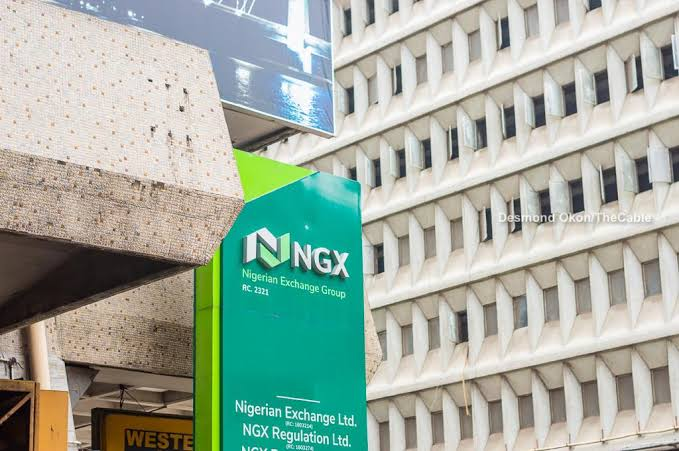
The Nigerian stock market just witnessed one of its biggest trading days in recent memory. The Nigerian Exchange, widely known as the NGX, started the new week with a massive financial surge. In just twenty-four hours of trading, total investor wealth on the exchange jumped by an astonishing N1.91 trillion.
This sudden rise sent shockwaves through the financial community. Experienced traders and everyday investors are taking notice. When a stock market moves this fast in a single day, it usually signals that something big is shifting in the economy.
Money moves fast when big news breaks. If you have been keeping an eye on financial headlines, you might be asking yourself what this big leap means for your money. Let us break down everything that happened, why it happened, and what it could mean for your financial future in clear, plain language.
Understanding What Happened at the Nigerian Exchange
To understand why a N1.91 trillion jump is such big news, it helps to look at how stock markets measure success. Stock exchanges use two main figures to show health and growth: Market Capitalization and the All-Share Index.
Market Capitalization, often called market cap, is the total cash value of all company shares listed on the exchange. Think of it as the combined price tag of every public company in the country. When the market cap goes up, it means the overall market is growing in value.
The $0 Secret To Launching Your Entire Online Empire
Why pay hundreds every month for separate software? Build funnels, send emails, and make sales with Systeme.io completely free.
Get Started For $0Free Forever • No Credit Card Needed • Beginner-Friendly
The All-Share Index, or ASI, acts like a temperature gauge for the market. It tracks how stock prices are moving across the entire exchange. When the ASI rises, most stocks are gaining value. When it falls, stock values are dropping.
On this record-setting day, the All-Share Index crossed major historic resistance levels. Investor confidence skyrocketed, and buyers rushed into the market to purchase shares in top Nigerian companies. The official trading portal of the Nigerian Exchange Group showed heavy trading volume across multiple sectors, with buyers heavily outnumbering sellers.
When you look at money numbers like N1.91 trillion, it can feel abstract. But in real terms, this single-day jump added billions of naira in value to pension funds, personal investment accounts, and corporate holdings across the nation.
Why Did the Market Gain So Much Value?
Big movements in the stock market do not happen by accident. Usually, several factors come together at the exact same time to create a buying boom. Here are the key drivers behind this historic rise.
Strong Banking Sector Performance
Banks are often seen as the engine of the stock market. When bank stocks do well, the whole market usually follows. During this market rally, major Nigerian financial institutions recorded massive gains.
Top tier banks saw heavy buying interest from both local and international investors. Strong earnings reports, solid dividend payouts, and steady revenue growth made banking stocks very attractive. As investors rushed to secure shares before prices went higher, stock prices jumped significantly.
Big Industrial and Telecom Gains
It was not just the banks making waves. Companies in manufacturing, building materials, and telecommunications also made massive contributions to the N1.91 trillion gain.
Large industrial giants saw their share prices move up rapidly. When companies that produce essential items like cement, sugar, or mobile connectivity show strong growth, investors feel safe putting their money into them. Their large market size means even a small percentage gain in their share price adds tens of billions of naira to the overall market cap.
Policy Changes and Economic Reforms
Government policies play a huge role in how investors feel about a country. Recent policy updates and financial reforms introduced by the Central Bank of Nigeria created positive energy among market watchers.
Investors generally like clear financial policies, unified foreign exchange rates, and business-friendly regulations. When the government makes decisions that support business growth, big money managers feel comfortable bringing their funds into the market.
Fear of Missing Out (FOMO)
Psychology drives financial markets just as much as balance sheets do. When individual investors saw stock prices rising fast in early morning trading, many decided to jump in right away.
This creates a chain reaction. Buying leads to higher prices, and higher prices attract more buyers. This classic market movement pushed trading volumes higher and helped secure the N1.91 trillion total gain by the close of the trading bell.
What Does This Mean for the Average Person?
It is easy to watch financial news reports like Nairametrics or Bloomberg and feel like stock market trends only matter to rich investors. But what happens on the trading floor actually touches everyday life in several ways.
Your Pension Fund Might Be Growing
If you work a regular job in Nigeria, a portion of your monthly salary goes into a retirement savings account managed by a Pension Fund Administrator. Pension funds do not just hold your money in a vault. They invest a large portion of it in safe, reliable stocks listed on the NGX.
When the stock market gains N1.91 trillion in a single day, pension funds holding those stocks gain value too. That means your retirement savings are growing behind the scenes, giving you better security for the future.
Send, Spend & Hold Money Worldwide Without Hidden Fees
Transfer money internationally at the real exchange rate and hold 40+ currencies in one account.
Open a Wise AccountMid-market rate • Fast transfers • 40+ currencies
Better Capital for Business Expansion
When companies see their stock prices rise, it becomes easier for them to raise fresh capital. They can use this money to build new factories, hire more staff, improve products, and expand into new regions.
When big businesses expand, they create jobs and support smaller supplier businesses. A healthy stock market is often a early sign of business expansion down the road.
A Growing Financial Awareness Culture
More everyday people are learning how money works. At Whatsbuzzn, we focus on making complex business stories simple, practical, and clear. You can learn more about our team and core mission on our about page.
Understanding how the stock market works helps you spot wealth-building opportunities instead of letting your savings lose value to inflation over time.
How Modern Technology Makes Investing Easier
A few years ago, buying shares on the Nigerian Exchange required filling out paper forms, visiting bank branches, and dealing with slow broker communications. Today, technology has changed the game completely.
The Rise of Mobile Trading Apps
Now, anyone with a smartphone can open an investment account within minutes. Digital investment platforms let you buy, track, and sell shares listed on the NGX right from your phone.
These apps show live stock prices, market news, and company reports in real time. This ease of access is one big reason why more young professionals are participating in market rallies.
Automation and Smart Tools
Technology is transforming how people build wealth across every sector. From financial market analytics to digital tools, automation is saving time and opening new revenue streams.
If you are interested in how modern digital tools can create automated income online, check out our guide on YouTube automation to see how digital platforms operate behind the scenes.
In the market space, algorithmic trading tools and automated stock alerts help traders buy and sell at the right moment. To stay updated on how smart software and artificial intelligence are changing finance and business, explore our technology and AI category for fresh insights.
The $0 Secret To Launching Your Entire Online Empire
Why pay hundreds every month for separate software? Build funnels, send emails, and make sales with Systeme.io completely free.
Get Started For $0Free Forever • No Credit Card Needed • Beginner-Friendly
Step-by-Step Guide to Buying Your First Shares on the NGX
If news of a record-breaking market day has you interested in stock investing, you do not need millions of naira to get started. You can start small and build your portfolio steadily over time. Here is how to begin safely.
1. Select a SEC-Registered Stockbroker
Your stockbroker is your gateway to the stock market. Look for brokers registered with the Securities and Exchange Commission (SEC) and the Nigerian Exchange Group.
Many top brokers now offer user-friendly mobile apps. Look for platforms that offer low transaction fees, clear user interfaces, and reliable customer service.
2. Set Up Your CSCS Account
When you sign up with a stockbroker, they will help you create a CSCS account. CSCS stands for Central Securities Clearing System.
Think of your CSCS account as a digital vault that holds your stock certificates safely in electronic form. Every share you buy on the NGX is registered under your unique CSCS number.
3. Fund Your Trading Wallet
Once your trading account and CSCS number are verified, you can transfer money from your regular bank account into your trading wallet.
Only invest money that you will not need for immediate living expenses. The stock market moves up and down, so it is best treated as a medium to long-term investment tool.
4. Research Strong Companies
Do not buy shares just because a stock price went up today. Take time to look at the underlying business.
Look for established companies with solid records:
- Consistent profit growth over the last three to five years
- Regular yearly dividend payments to shareholders
- Experienced management teams
- Products or services that people use every day
- Healthy debt levels compared to income
5. Place Your Order and Hold
Once you select a good company, use your trading app to place a buy order. You can set the price you are willing to pay or simply buy at the current market price.
Once your order goes through, you officially become a part-owner of that company.
Essential Risk Management Rules for Beginners
Seeing the market gain N1.91 trillion in a single day is exciting, but stock investing always carries risk. Prices do not go up in a straight line forever. To protect your hard-earned money, keep these proven rules in mind.
Avoid Emotional Buying (FOMO)
When stock prices soar, it is tempting to jump in blindly out of fear of missing out. Buying at the peak of a sudden market spike can leave you exposed if prices experience a short-term correction. Always base your buying decisions on clear facts and company performance, not excitement.
Spread Your Money Around
Never put all your investment capital into a single company or even a single industry sector. If you buy shares in only one bank and that bank faces an issue, your entire portfolio suffers.
Instead, spread your investments across different sectors:
- Banking and Financial Services
- Consumer Goods and Foods
- Telecommunications
- Industrial Goods and Infrastructure
- Agriculture
When one sector slows down, another sector may perform well, keeping your total investment stable.
Focus on the Long Term
Day trading requires deep technical knowledge and constant chart monitoring. For most everyday investors, a long-term approach works much better.
Buying shares in solid, dividend-paying companies and holding them for years allows you to benefit from compound growth and regular dividend payouts.
Smart Money Moves During a Stock Market Boom
When the market reaches historic high points, experienced investors re-examine their portfolios. Here are a few smart moves you can make right now.
Review Your Portfolio Balance
If you already own stocks that have gained a massive amount of value during this recent rally, check your sector allocations. If one stock now takes up too much of your portfolio, you might want to balance things out by reinvesting profits into other solid opportunities.
Keep a Cash Reserve Ready
Market cycles always feature balance points. High-growth days are often followed by brief pullbacks or profit-taking sessions where stock prices dip slightly. Keeping some cash ready in your investment wallet lets you buy high-quality stocks at a discount when temporary price drops happen.
Build Multiple Streams of Income
Investing in stocks works best when you have steady cash flow coming in from primary jobs or side businesses. The more capital you generate, the more you can allocate toward long-term wealth assets like shares, real estate, and digital businesses.
Frequently Asked Questions (FAQs)
What is the Nigerian Exchange (NGX)?
The Nigerian Exchange (NGX) is the principal stock exchange in Nigeria. It is a regulated marketplace where companies list their shares so members of the public and institutional investors can buy and sell stock ownership in those businesses.
What caused the NGX to gain N1.91 trillion in one day?
The massive single-day gain was driven by strong buying interest in major banking, industrial, and telecommunications stocks. Positive investor reactions to recent economic reforms and solid corporate financial reports also pushed market demand higher.
Can I lose money investing in the stock market?
Yes, stock prices go up and down based on market demand, economic conditions, and company performance. If a company performs poorly, its stock price may drop. You can reduce your risk by doing thorough research, diversifying your holdings, and investing for the long term.
How much money do I need to start investing in Nigerian stocks?
You do not need massive savings to start. Many digital brokerage apps allow you to register and begin buying fractional or full shares with as little as N5,000 to N10,000.
Where can I ask more questions or share feedback about your market articles?
We love hearing from our readers. If you have questions about our content, coverage suggestions, or partnership requests, feel free to drop us a note directly through our contact page.
This record-setting N1.91 trillion gain shows that interest in the Nigerian stock market remains high. Whether you are an experienced investor adjusting your holdings or a beginner exploring investment options for the first time, keeping track of these key market movements is the first step toward making smarter financial decisions.
To stay updated on economic trends, digital business opportunities, and viral tech developments, connect with us on our official social channels. Join our growing community on Instagram, follow our updates on Facebook, and chat with us on X (formerly Twitter).
