
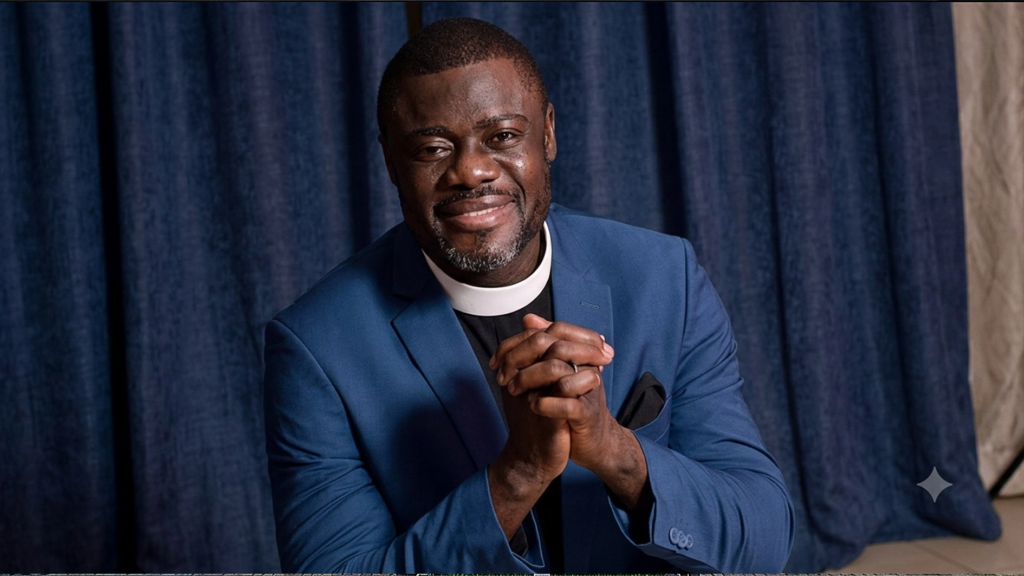
Politics and religion in Nigeria have always shared a complicated relationship. When political discussions cross into personal insults and religious intolerance, public anger usually follows quickly. That is exactly what happened when Prophet Isa El-Buba publicly confronted Islamic cleric Sheikh Sani Yahaya Jingir over statements made regarding the Muslim-Muslim political ticket.
The heated clash sparked intense debates across the nation, especially on social media platforms, broadcast networks, and community forums. People everywhere began asking where the boundary should be drawn between political campaigning and religious respect.
In this full breakdown, we take a close look at how this controversy started, why the words used were so impactful, and what this moment means for national unity.
The Spark: How the Controversy Started
To understand why this public argument exploded, you have to look at the political atmosphere surrounding election campaigns in Nigeria. The decision by the ruling political party to present a same-faith presidential ticket created strong opinions across all geopolitical zones. While political strategists defended the move as a practical way to win votes, many citizens argued that it ignored the delicate religious balance of the country.
During the peak of political rallies and campaigns, Sheikh Sani Yahaya Jingir, the National Chairman of the Council of Ulama of Jama’atu Izalatil Bid’ah Wa’iqamatis Sunnah (JIBWIS), stepped onto the public stage. Based in Jos, Plateau State, Sheikh Jingir became a vocal advocate for the Muslim-Muslim ticket.
The $0 Secret To Launching Your Entire Online Empire
Why pay hundreds every month for separate software? Build funnels, send emails, and make sales with Systeme.io completely free.
Get Started For $0Free Forever • No Credit Card Needed • Beginner-Friendly
However, his public remarks went beyond basic political support. Video recordings that circulated widely online showed Sheikh Jingir using strong language to describe individuals who opposed the same-faith arrangement. Critics interpreted his statements as labeling non-Muslims or political opponents as “infidels” or enemies of faith.
For millions of Nigerian Christians, as well as moderate Muslims who value peaceful coexistence, those comments felt deeply offensive. Calling fellow citizens infidels during a tense political season carries a high risk of inflaming passions in a country that has experienced past religious conflicts. Major news platforms like BBC News and local daily newspapers quickly highlighted the rising tensions following the cleric’s statements.
Prophet El-Buba Fires Back: “You Mindless Creature”
It did not take long for a fiery response to arrive from the Christian community. Prophet Isa El-Buba, the General Overseer of Evangelical Bible Outreach Ministries International (EBOMI), released a video message directly addressing Sheikh Jingir.
Prophet El-Buba did not hold back his frustration. He confronted Sheikh Jingir’s comments directly, rejecting any idea that Christians in Nigeria should ever be treated as inferior citizens or insulted because of their faith.
In his viral video, El-Buba used strong words to call out the Islamic scholar:
“You call Christians infidels, you mindless creature. Who gave you the right to label millions of peaceful citizens as non-believers in their own land?”
El-Buba emphasized that Nigeria belongs equally to all citizens, regardless of whether they pray in a church or a mosque. He argued that religion should never be weaponized to intimidate voters or strip people of their basic dignity. His central point was straightforward: political victory should never come at the cost of mutual respect between faith communities.
Who Are Prophet El-Buba and Sheikh Jingir?
Understanding the background of both religious leaders helps explain why their public confrontation gained so much national attention.
Prophet Isa El-Buba
Prophet Isa El-Buba is a well-known Christian leader, preacher, and social advocate. Based in Jos, Plateau State, he leads EBOMI, a ministry with a wide reach across Nigeria and abroad. Over the years, El-Buba has built a reputation for speaking directly on national governance, civil rights, and social justice. He has frequently led prayer walks and peaceful rallies calling for good governance and an end to security challenges across the nation.
Sheikh Sani Yahaya Jingir
Sheikh Sani Yahaya Jingir is an influential Islamic scholar and leader within JIBWIS, one of the largest Islamic organizations in West Africa. Also operating out of Jos, Sheikh Jingir commands a massive following across northern Nigeria. His sermons are heard by thousands of followers, which makes his political endorsements very powerful in regional politics.
Because both leaders are based in Jos, their public disagreement carried extra weight. Jos has historically been a sensitive city that suffered severe inter-religious conflicts in past decades. Therefore, aggressive speeches from prominent figures in Jos always attract national concern over local security and peace.
The Muslim-Muslim Ticket Debate Explained
The argument between El-Buba and Sheikh Jingir was rooted in the debate over the same-faith presidential ticket introduced by the All Progressives Congress (APC) for the 2023 elections.
In Nigerian political history, an unwritten rule of religious balance has long been followed. If a presidential candidate is a Muslim, the running mate is usually a Christian, and vice versa. This power-sharing arrangement was designed to give both major religious populations a sense of fair representation at the highest level of government.
When the ruling party decided to nominate two Muslim candidates on the same ticket, it opened up intense national debates.
The Arguments Supporting the Ticket
Supporters maintained that political choices should be guided by competence, electoral strategy, and political strength rather than religious identity. They argued that picking two candidates who could secure the highest number of votes was a normal political calculation necessary to win a national election.
Send, Spend & Hold Money Worldwide Without Hidden Fees
Transfer money internationally at the real exchange rate and hold 40+ currencies in one account.
Open a Wise AccountMid-market rate • Fast transfers • 40+ currencies
The Arguments Opposing the Ticket
Opponents maintained that in a multi-religious nation, a same-faith ticket damages national unity. They felt it created a feeling of political exclusion among millions of Christians who wanted to see their faith represented in the top executive offices.
When religious scholars entered this political debate using aggressive words, it shifted the conversation from ordinary political strategy to direct religious friction. You can follow national updates on political developments through trusted outlets like Vanguard News.
The Danger of Divisive Rhetoric in Nigerian Politics
Words carry immense weight, especially in a nation with rich cultural and religious diversity. When public figures use speech that degrades other groups, the negative impact can extend far beyond politics.
Using derogatory labels against people of another faith creates several serious hazards:
- Heightened Local Tensions: It fosters distrust between neighbors who live in the same communities and shop in the same markets.
- Normalizing Extremism: It signals to followers that disrespectful attitudes toward other religions are acceptable.
- Distracting from Real National Issues: It diverts public attention away from critical challenges like economic growth, job creation, education, and security toward religious disagreements.
Prophet El-Buba’s passionate response was fueled by the concern that letting such statements go unanswered would set a dangerous example where religious insults become normal in political speech. News sources like Punch Newspaper have frequently documented how political friction connected to religious statements affects public safety.
Social Media and the Power of Viral Speeches
In the modern digital environment, confrontations like the one between El-Buba and Sheikh Jingir no longer remain contained within local venues or traditional radio broadcasts. Short video clips of both speeches were uploaded, shared, and discussed millions of times across platforms such as YouTube, Facebook, X (formerly Twitter), and WhatsApp.
Social media spread El-Buba’s response within hours. His energetic tone resonated with many citizens who felt relieved that a prominent voice was standing up against religious insults. Meanwhile, supporters of Sheikh Jingir defended his right to express his views, claiming his statements were misunderstood or taken out of context.
This situation demonstrates how online video platforms and social media channels drive modern public news. If you want to understand how digital video distribution and online content channels operate in the media world, explore our guide on YouTube automation. Additionally, constant updates in online algorithms and digital distribution tools continue to transform how breaking stories travel, as discussed in our articles on technology and AI.
Why Peaceful Coexistence Matters for Nigeria
Nigeria is home to over 200 million people, hundreds of ethnic groups, and two main religions. The long-term stability of the country relies heavily on mutual respect, patience, and peaceful interaction.
When leaders use their platforms to attack other faiths, they weaken the social foundation that holds communities together. Building a prosperous country requires leaders who unite people rather than divide them for temporary political advantages.
The $0 Secret To Launching Your Entire Online Empire
Why pay hundreds every month for separate software? Build funnels, send emails, and make sales with Systeme.io completely free.
Get Started For $0Free Forever • No Credit Card Needed • Beginner-Friendly
Key steps for maintaining national harmony include:
- Respecting Constitutional Rights: Recognizing that every citizen has the full freedom to practice their religion without fear of insult or discrimination.
- Keeping Religion Out of Party Attacks: Ensuring that places of worship remain spaces for spiritual growth rather than zones for political attacks.
- Holding Leaders Responsible: Expecting political and religious figures to choose words that promote peace and public safety.
Frequently Asked Questions (FAQs)
What caused the conflict between Prophet Isa El-Buba and Sheikh Jingir?
The clash started after Sheikh Sani Yahaya Jingir campaigned for the Muslim-Muslim political ticket and made statements that critics interpreted as calling non-Muslims or opponents infidels. Prophet Isa El-Buba responded with a video condemning Sheikh Jingir for using divisive language against Christians.
Who is Prophet Isa El-Buba?
Prophet Isa El-Buba is a Christian leader and General Overseer of Evangelical Bible Outreach Ministries International (EBOMI), based in Jos, Plateau State. He is known for his fiery preaching, social activism, and frequent public commentary on national governance and human rights.
Who is Sheikh Sani Yahaya Jingir?
Sheikh Sani Yahaya Jingir is a prominent Islamic scholar and the National Chairman of the Council of Ulama of JIBWIS, headquartered in Jos, Nigeria. He commands a large group of followers across northern Nigeria and often shares his views on social and political issues.
What is a Muslim-Muslim ticket in Nigerian politics?
A Muslim-Muslim ticket refers to a political scenario where both the presidential candidate and the vice-presidential candidate belong to the Islamic faith. This arrangement sparked widespread public debate during the 2023 elections because it departed from the conventional practice of balancing presidential tickets between a Christian and a Muslim.
Why are religious statements particularly sensitive in Jos?
Jos, the capital of Plateau State, has experienced periods of inter-communal and religious tensions in the past. As a result, public statements made by influential clerics in Jos receive close attention from citizens and security agencies to avoid triggering local conflicts.
How can ordinary citizens encourage peace during political seasons?
Citizens can encourage peace by refusing to share hateful content online, evaluating political candidates based on their character and policies rather than their religion, and maintaining respectful relationships with neighbors of all faiths.
Final Thoughts
The heated exchange between Prophet Isa El-Buba and Sheikh Sani Yahaya Jingir serves as a clear reminder of how political campaigns can stir religious emotions in Nigeria. While energetic political debate is a regular part of any democratic system, using speech that disrespects or degrades fellow citizens crosses an unhealthy line.
Moving forward, the primary lesson from this event is clear: genuine leadership focuses on building connections, protecting peace, and demanding mutual respect among all citizens. Religious and political leaders hold a direct responsibility to guide their followers toward unity rather than division.
Stay informed on trending national topics, viral stories, and insightful analysis with us at WhatsBuzzn. If you have questions, feedback, or news tips to share, feel free to reach out through our contact page.
You can also join our growing online community across our official social profiles:
- Connect with us on Facebook
- Join the conversation on X (formerly Twitter)
- Follow our latest updates on Instagram
