
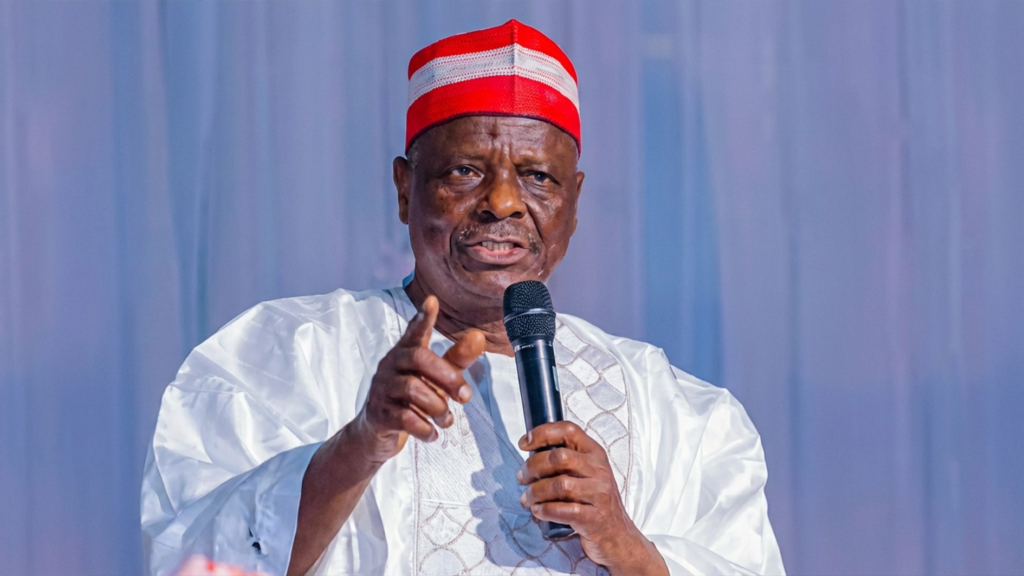
Nigerian politics is full of unexpected shifts, bold moves, and strategically calculated alliances. As political leaders begin positioning themselves for the 2027 general election, former Kano State governor and leader of the New Nigeria Peoples Party (NNPP), Senator Rabiu Musa Kwankwaso, has delivered a major statement that is creating massive conversation across the nation.
During a recent national television interview, Kwankwaso officially confirmed that he and Peter Obi, the presidential candidate of the Labour Party in the 2023 elections, have signed a formal, written agreement.
Under this political pact, if Peter Obi wins the presidency in 2027, he will serve for only one term of four years. Once those four years are completed in 2031, executive power will rotate back to Northern Nigeria.
At the same time, Kwankwaso launched a direct critique at the ruling All Progressives Congress (APC). He questioned their decision to run a Muslim-Muslim presidential ticket, arguing that ignoring religious balance in a nation as diverse as Nigeria remains a serious issue that will continue to cause political trouble for the ruling party.
At WhatsBuzzn.com, we break down major political events and trending stories so you can understand what is happening without reading through complicated political jargon. To learn more about who we are and what we do, feel free to explore our About Us page or check out our latest articles on Technology & AI.
Build Funnels, Email Lists & Sell Online With One Free Tool
Create funnels, send emails, and sell online using Systeme.io without paying for multiple tools.
Create Free AccountFree forever • No credit card • Beginner-friendly
Here is a simple, clear, and comprehensive breakdown of Kwankwaso’s announcement, why the written agreement matters, and what it means for the upcoming 2027 elections.
The Details Behind the Single-Term Agreement
In Nigerian political history, informal promises and unwritten verbal agreements have been made many times, only to be tossed aside once elections are over. Kwankwaso emphasized that this alliance is different because both parties decided to put their commitments on paper.
Speaking during an interview on Channels Television, Kwankwaso made it clear that he trusts Peter Obi to respect the deal, but both sides wanted to ensure complete clarity for their supporters and the entire country.
“I personally believe him. Based on what I know about him, I don’t think he will change his mind when the time comes. We are all gentlemen, and we have agreed to put it on paper.” — Senator Rabiu Musa Kwankwaso
According to Kwankwaso, the arrangement involved two distinct signed documents:
- A Party-Level Agreement: A formal document signed by leadership representatives across their political coalition to give the agreement structural backing.
- A Personal Pact: A direct commitment signed personally between Rabiu Kwankwaso and Peter Obi.
Under this single-term pact, Peter Obi would serve as president from 2027 to 2031. At the end of the four-year term, power would rotate back to the North. Both political leaders agreed to work hand-in-hand to deliver good governance, repair the economy, and address security challenges throughout those four years.
Why Kwankwaso Agreed to Accept the Vice-Presidential Position
One of the most talked-about aspects of this announcement is Kwankwaso’s willingness to accept the vice-presidential spot. Kwankwaso is a heavyweight in northern political circles with millions of devoted followers, particularly through his Kwankwasiyya movement in Kano and across Northern Nigeria.
During the build-up to the 2023 elections, coalition talks between Kwankwaso and Obi broke down primarily because neither candidate wanted to serve as the running mate to the other. That split divided the opposition vote and ultimately paved the way for the APC’s victory.
So, why did Kwankwaso change his stance this time around? He explained that national interest, equity, and fairness guided his decision.
Key Reasons Behind the Decision
- Promoting National Balance: Kwankwaso noted that allowing the South one more term brings a sense of fairness and helps restore political equilibrium across regions.
- Northern-Southeast Reconciliation: The joint ticket builds a much-needed bridge between Northern Nigeria and the South-East, helping to heal old political rivalries and foster national unity.
- A Shared Economic Agenda: Both Kwankwaso and Obi agree that tackling Nigeria’s soaring inflation, high unemployment, and widespread security concerns is far more urgent than personal ambitions.
- A Guaranteed Return to Northern Power: Because the four-year limit is clearly defined on paper, Kwankwaso’s northern base is assured that northern representation in the presidency will return swiftly in 2031.
Why Put a Political Pact on Paper?
You might wonder why having a written contract is such a big topic of conversation. In Nigerian democracy, power-sharing agreements between geopolitical zones are usually based on informal zoning rules.
However, informal agreements often lead to disputes. Leaders who promise to serve for a short period sometimes change their minds once they gain control of state apparatus and federal resources.
By signing a physical document, Kwankwaso and Obi are attempting to introduce higher standards of transparency and accountability into Nigerian alliance politics.
Benefits of a Signed Agreement
- Public Accountability: A written document gives the electorate a reference point to measure political integrity.
- Reassurance for Voters: Northern voters who might hesitate to vote for a Southern candidate are given reassurance that power will return to their region after four years.
- Coalition Trust: Written terms help keep coalition partners aligned, reducing internal power struggles as election campaigns heat up.
- Clear Roadmap: It provides a defined timeline for policy implementation and political succession between 2027 and 2031.
Kwankwaso Takes Aim at APC’s Muslim-Muslim Ticket
Beyond disclosing his alliance deal with Obi, Kwankwaso spent significant time analyzing the current administration and the strategy of the ruling APC. In particular, he criticized the APC’s same-faith presidential ticket, featuring President Bola Ahmed Tinubu and Vice President Kashim Shettima.
In Nigeria’s multi-ethnic and multi-religious society, top political leadership has traditionally been shared between a Christian and a Muslim to ensure all religious groups feel represented. The APC broke with this long-standing practice during the 2023 elections by fielding two Muslim candidates.
Kwankwaso warned that the religious balance issue has not disappeared and will remain a thorn in the ruling party’s side.
“Religious balance remains important in Nigeria’s diverse society. A ticket that fails to reflect our national diversity will always face questions and resistance from voters.” — Rabiu Kwankwaso
Why the Religious Balance Issue Persists
Nigeria is nearly evenly split between Christians and Muslims, with religious identity playing a notable role in public life and voter sentiment. Kwankwaso outlined several reasons why the APC ticket remains vulnerable:
- Voter Sentiment: Many citizens in the Middle Belt, South-East, and South-South felt disenfranchised by the lack of religious diversity on the ruling party’s ballot.
- Social Cohesion: Promoting balance at the highest level of government builds trust among different faith communities, especially during tough economic times.
- Strategic Opposition Advantage: A joint ticket that combines regional diversity (North and South) and religious balance (Christian and Muslim) provides a clear contrast that appeals to a broader demographic across the country.
Regional Power Dynamics: North vs South-East
Kwankwaso’s statement highlights how political strategists view power rotation. The North holds significant voting weight due to its high population figures and voter turnout rates.
Some northern political analysts and groups have expressed cautious reactions to the proposal. They are carefully evaluating how an Obi-Kwankwaso administration would handle economic growth, agricultural development, and regional security.
At the same time, many northern stakeholders recognize that a single four-year term for a Southern president fits well into long-term political timelines. If President Tinubu stays in power for two terms (eight years), the North would wait until 2031 for a power shift. Under the Obi-Kwankwaso proposal, power also returns to the North in 2031, but with a different political coalition running the country in the interim.
Strategic Considerations for Northern Stakeholders
- Faster Power Rotation: A four-year term ensures the North regains executive leadership sooner than waiting through a potential two-term APC presidency.
- Strong Representation: Having Kwankwaso as vice president guarantees that northern interests remain central in decision-making.
- Security Priority: Addressing insecurity in northern states requires focused leadership, which a united opposition coalition promises to prioritize.
What Lies Ahead for the 2027 General Elections?
While a signed pact creates momentum, running a successful nationwide presidential campaign involves overcoming major hurdles. The ruling APC controls significant state machinery, financial resources, and governor networks across Nigeria.
For this opposition alliance to succeed, several critical factors must align:
- Broader Opposition Unity: Other prominent opposition figures, such as Atiku Abubakar and key party leaders, must decide whether to align with this ticket or run independently. Division among opposition forces helped the APC in 2023.
- Legal and Institutional Requirements: Coalition parties must handle registration processes, legal structures, and official filings flawlessly to avoid pre-election court battles.
- Voter Registration and Turnout: Engaging young voters, grassroots communities, and previously undecided citizens will determine whether the alliance can turn public interest into actual votes.
- Addressing Economic Realities: Voters will pay close attention to concrete economic solutions offered by all candidates to address the cost of living, energy costs, and job creation.
If you enjoy staying up to date with digital trends and online media strategies, take a moment to read our detailed guide on YouTube Automation to see how modern content creators turn trending political developments into engaging online videos.
Frequently Asked Questions (FAQs)
What did Rabiu Kwankwaso announce regarding Peter Obi?
Rabiu Kwankwaso confirmed that he and Peter Obi signed a written agreement specifying that Peter Obi will serve a single four-year term as president if elected in 2027, with power returning to the North in 2031.
Is a signed political agreement legally enforceable in court?
While political pacts function primarily as moral, strategic, and party commitments rather than strict legal contracts, putting the agreement in writing creates strong public accountability for both leaders.
Why did Kwankwaso accept the vice-presidential spot this time?
Kwankwaso agreed to serve as vice president to promote national reconciliation, ensure regional fairness, and build a unified opposition front capable of winning the 2027 election.
Why is Kwankwaso critical of the APC’s Muslim-Muslim ticket?
Kwankwaso believes that in a nation with high religious diversity, top leadership should represent both Christians and Muslims to preserve trust and social harmony.
Build Funnels, Email Lists & Sell Online With One Free Tool
Create funnels, send emails, and sell online using Systeme.io without paying for multiple tools.
Create Free AccountFree forever • No credit card • Beginner-friendly
How does this agreement affect the 2027 presidential race?
It establishes a consolidated opposition alliance combining northern and south-eastern voting blocs, creating a formidable challenge to the ruling APC.
Conclusion
The confirmation of a signed single-term agreement between Rabiu Kwankwaso and Peter Obi introduces a powerful dynamic into Nigerian political discussions. By committing to a clear four-year power rotation and raising questions about the APC’s same-faith ticket, the opposition alliance is working to build a broad voter coalition ahead of 2027.
How this agreement holds up over the coming years will be one of the most closely watched stories in West African politics.
What are your thoughts on Kwankwaso’s single-term pact with Peter Obi? Do you think a written four-year agreement will build greater trust among voters?
Have questions or feedback? Head over to our Contact page and let us know your thoughts!
Stay connected with WhatsBuzzn on social media for real-time news updates, political commentary, and trending analysis:
- Follow our latest posts on Instagram
- Join the discussion on our Facebook Page
- Catch quick updates and news on X (Twitter)
Kwankwaso on APC’s Muslim-Muslim Ticket
This video broadcast highlights Rabiu Kwankwaso’s interview on Channels Television where he directly discusses the APC’s same-faith ticket and its ongoing impact on Nigerian political sentiment.
