
Every year when late summer rolls around, the entire technology industry starts focusing on one specific event. For over a decade, Apple has followed a strict, predictable schedule.
They host a massive keynote presentation in September, unveil a brand new lineup of smartphones, and release them to the public a few weeks later. This routine has become a cornerstone of the modern tech calendar.
However, major waves of fresh supply chain leaks indicate that this long-standing tradition is about to change completely. A brand new timeline is emerging for the highly anticipated iPhone 18 Pro and iPhone 18 Pro Max, and it represents one of the biggest strategic shake-ups the company has ever attempted.
If you are planning to upgrade your phone in the near future, the old rules no longer apply. Instead of dropping an entire family of four devices all at once, the company is splitting its rollout strategy into two distinct phases. The ultra-premium flagship devices are keeping their traditional autumn launch window, while the standard, more affordable versions are being pushed down the calendar.
This new approach completely changes how consumers will shop for smartphones over the next year. Let us look closely at what this new timeline involves, why the company is changing its playbook, and what incredible features are coming to the next generation of premium devices.
The $0 Secret To Launching Your Entire Online Empire
Why pay hundreds every month for separate software? Build funnels, send emails, and make sales with Systeme.io completely free.
Get Started For $0Free Forever • No Credit Card Needed • Beginner-Friendly
The Split Strategy: What Is the New September Timeline?
For many generations, buying a new smartphone in the fall meant choosing between a base model, a larger standard model, a Pro model, or a massive Pro Max model. They all shared the stage at the same time. According to detailed regulatory filings and inside reports from major manufacturing partners, that unified launch style is officially a thing of the past.
The new strategy splits the generation across two different seasons. When the traditional September event arrives, the stage will belong entirely to the most expensive, advanced premium hardware. The initial launch phase will include only three devices:
- The 6.3-inch iPhone 18 Pro
- The 6.9-inch iPhone 18 Pro Max
- The highly anticipated premium foldable model, often referred to as the iPhone Fold or iPhone Ultra
If you usually look forward to the standard model or the budget-friendly alternatives, you will find the autumn stage empty. The baseline model, the lower-cost variant, and the ultra-slim second-generation Air model are being held back. Current production data indicates that these entry-level and mainstream choices will not see the light of day until the first quarter of the following year, landing somewhere in the spring.
| Launch Phase | Expected Release Window | Models Included | Focus Area |
| Phase 1 | September | iPhone 18 Pro, iPhone 18 Pro Max, iPhone Fold | Luxury, High Performance, Advanced AI |
| Phase 2 | Spring | iPhone 18, iPhone 18e, iPhone Air 2 | Accessibility, Value, Everyday Use |
This clear division creates a whole new dynamic. Fall becomes a luxury showcase dedicated to power users and big spenders, while spring transforms into the new home for casual users looking for great value.
Why Apple Is Changing the Playbook
Breaking up a highly successful product launch formula is a massive risk, but the company has several incredibly strong business and technical reasons for making this move.
The first reason comes down to manufacturing complexity. Building a premium foldable smartphone requires an immense amount of factory precision, specialized components, and dedicated assembly lines. By moving the high-volume standard models out of the autumn production rush, the company frees up massive amounts of factory capacity. This allows their suppliers to focus entirely on perfecting the complex folding screens and the top-tier Pro casings, ensuring fewer defects and better availability during the crucial holiday shopping season.
The second reason is pure marketing strategy. In previous years, the cheaper standard models often took attention away from the expensive flagships. By giving the premium Pro models and the new foldable device the autumn stage entirely to themselves, the company ensures that early buyers only have eyes for the high-margin products. If you absolutely want the newest device before the holidays, you will be directed naturally toward the top-of-the-line options. This is a brilliant corporate move designed to maximize profits and boost the average amount of money spent per customer.
At Whatsbuzzn, we love uncovering these massive shifts in global business and technology. Our team is dedicated to keeping you informed on how these industrial changes affect your everyday decisions. To understand more about our goal of making trending topics accessible to everyone, you can check out our About Us page.
Everything We Know About the iPhone 18 Pro and Pro Max So Far
Even though the standard models are taking a back seat until the spring, the upcoming Pro series is shaping up to be an unbelievable leap forward in hardware capability. The latest leaks from supply chain factories provide a clear picture of the groundbreaking upgrades coming to these elite flagships.
A Much Needed Boost in Battery Life
For several years, smartphone manufacturers were obsessed with making devices as thin as cardboard. However, real-world user feedback has completely shifted. Most everyday users would gladly accept a slightly heavier phone if it meant they did not have to carry a battery charger everywhere they go.
It looks like those complaints have finally been answered. Leaks from component suppliers reveal that both premium models will be noticeably thicker than their predecessors. The overall frame thickness is expected to increase substantially, which is a deliberate engineering choice made to accommodate massive new physical batteries.
According to recent listings in international regulatory databases, the flagship Pro Max model is testing battery capacities that climb as high as 5,567mAh for certain regional versions. This represents a massive jump of nearly ten percent over previous generations.
When you combine this giant physical power cell with more efficient internal components, the result will likely be the longest-lasting flagship device the company has ever created.
The smaller Pro model will also get a refined internal power structure, ensuring that even heavy users can easily power through a long day of navigation, video streaming, and work without stress.
The Mini Dynamic Island and Design Refinements
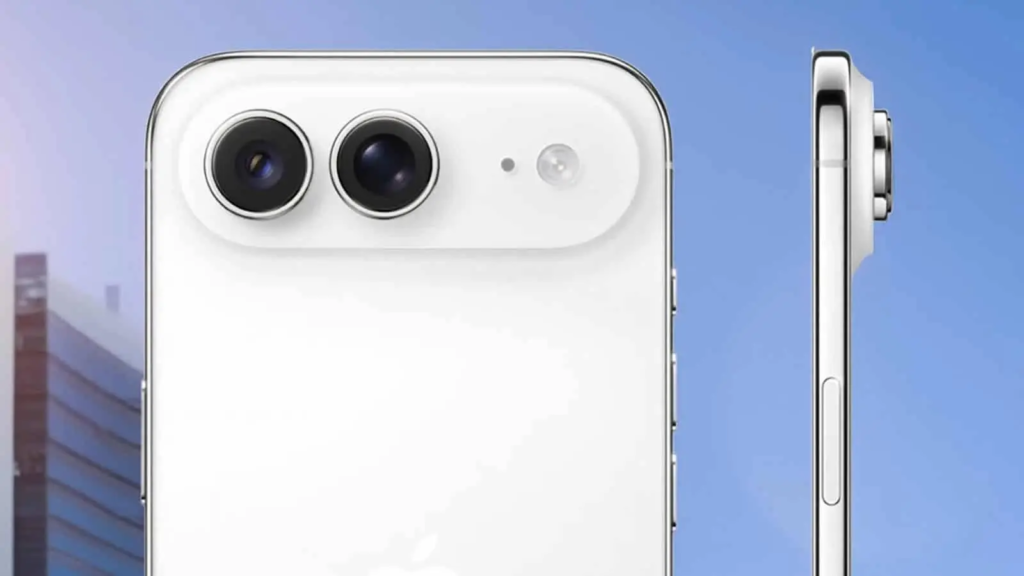
When you look at the back of the device, the overall appearance will feel comfortably familiar. The company is continuing to use the straight-edged aesthetic and the durable aluminum alloy mid-frame that users appreciate for its excellent heat distribution. However, when you flip the device over to look at the display, you will notice a significant upgrade.
Send, Spend & Hold Money Worldwide Without Hidden Fees
Transfer money internationally at the real exchange rate and hold 40+ currencies in one account.
Open a Wise AccountMid-market rate • Fast transfers • 40+ currencies
The pill-shaped cutout at the top of the screen, known as the Dynamic Island, is getting a massive structural reduction. Inside factory reports indicate that engineers have found a way to shrink the specialized Face ID sensors down to a fraction of their original size. This allows the company to make the display cutout roughly 35 percent narrower than before.
This reduction changes the entire feel of the display. It frees up an immense amount of screen real estate at the top of the device, making activities like watching widescreen videos, playing immersive mobile games, and reading long articles feel much cleaner and completely uninterrupted.
Game-Changing Camera Upgrades
The camera department is always the main reason why photography enthusiasts and content creators choose to spend extra money on a Pro-tier device. This generation brings a massive leap in mechanical camera engineering with the introduction of a physical variable aperture system on the main 48-megapixel camera lens.
To understand why this matters, think about how a traditional camera works. Most smartphones have a fixed lens opening, meaning they can only let in a set amount of light no matter where you are standing. A variable aperture system means the lens has tiny mechanical blades that can physically open wider or close tighter depending on your surroundings.
If you are trying to take a picture inside a dimly lit restaurant or under the evening sky, the lens blades will expand wide to capture every available drop of ambient light, giving you a bright image without digital fuzziness. If you step outside onto a bright, sunlit beach, the lens blades will instantly contract to protect the image from getting washed out, keeping the entire landscape perfectly sharp.
This physical control provides professional-grade photography options and creates a stunning, natural depth-of-field background blur that looks entirely real because it is created by optics rather than computer software.
Powerhouses Built for Advanced AI
On the inside, these devices are being engineered from the ground up to support the massive computing demands of next-generation artificial intelligence. The driving force behind this performance is the brand new A20 Pro system chip. This processor is built using a highly sophisticated 2-nanometer manufacturing process.
In simple terms, this means the microscopic pathways inside the brain of the phone are packed closer together than ever before in human history. This incredible density allows the processor to handle complex math problems up to 15 percent faster while consuming roughly 30 percent less power from the battery.
To make sure the software runs perfectly smoothly, the internal memory is getting a substantial upgrade as well. The premium models are moving up to a whopping 12GB of RAM. This massive amount of working memory is absolutely essential for running heavy, on-device AI models locally. It means your smart assistants, real-time translation tools, and automated photo editing software can process information instantly without needing to send your private data away to a distant cloud server.
If you are fascinated by how advanced hardware and machine learning are shifting the digital landscape, you can stay up to date by exploring our dedicated Technology and AI section.
The $0 Secret To Launching Your Entire Online Empire
Why pay hundreds every month for separate software? Build funnels, send emails, and make sales with Systeme.io completely free.
Get Started For $0Free Forever • No Credit Card Needed • Beginner-Friendly
The Hot New Color Palette
Part of the fun of a new smartphone launch is checking out the fresh signature colors that let everyone know you have the absolute latest device. For this premium cycle, the headline option is a stunning hue called Dark Cherry.
This color is described by supply chain insiders as a deep, elegant wine-red shade with very subtle purple undertones. It offers a incredibly classy, sophisticated appearance that looks beautiful when hitting the light. Alongside this bold new signature choice, the classic lineup is getting a crisp refresh to complete the luxury look:
- Light Blue: A soft, clean, and breezy pastel shade that gives a bright alternative to traditional colors.
- Dark Gray: A deep, serious charcoal tone that looks incredibly modern, sleek, and industrial.
- Silver: The timeless, bright metallic finish that remains a favorite for purists who love a clean look.
These colors are applied directly to the updated matte-finish back panel, which has been redesigned to blend seamlessly into the metal frame, reducing the visual gaps for a completely unified look.
How This New Launch Timeline Affects You
This unexpected split in the release schedule changes the environment for several different types of people, from regular daily tech consumers to online business owners and creative digital professionals.
If you are a dedicated technology fan who always buys the highest-end flagship device anyway, your routine stays exactly the same. You can start setting aside your upgrade budget now and prepare for the usual mid-September pre-order window. However, if you are an everyday consumer who prefers the standard models because they are lighter on your wallet and easier to manage, you will need to adjust your expectations. You will need to take extra care of your current device and prepare to wait until the winter ice clears in early next year before you can buy the baseline version.
For individuals who earn a living online, this broken timeline is actually an incredible business opportunity. Instead of having all the global tech traffic packed into one chaotic week in September, the industry is essentially getting two massive news cycles spread across the year.
Content creators who talk about technology will get a huge surge of video views and article clicks in the fall for the luxury Pro flagships and foldables, followed by a completely separate wave of high-intent search traffic in the spring when mainstream buyers look for reviews on the standard models.
If you are interested in transforming these massive product shifts into reliable income streams, there are several highly practical paths you can explore:
- Automated Content Creation: Many smart entrepreneurs build channels that summarize tech rumors, news, and leaks without ever needing to show their faces on camera. If you want to learn how to set up a digital system that captures viral search traffic automatically, you can read through our detailed breakdown of YouTube Automation.
- Building a Flexible Online Career: Tracking global product trends and creating helpful digital resources is an incredible way to build a lifestyle that frees you from a traditional office desk. It is a perfect fit for anyone working as a Digital Nomad, allowing you to travel the world while managing your digital properties.
- Earning Commissions Through Content: By setting up a simple review website or a social media page, you can participate in Affiliate Marketing. When you share your honest thoughts on new phone cases, charging cables, or smartphones and include your custom links, you earn a percentage of the sale whenever someone makes a purchase.
- Creating a Personal Income Stream: Navigating these major industry changes is an ideal foundation for starting a profitable Side Hustle or finding stable ways to Make Money Online right from the comfort of your living room couch.
Frequently Asked Questions (FAQs)
When will the iPhone 18 Pro and iPhone 18 Pro Max actually go on sale?
The premium flagship models are remaining on the traditional autumn schedule. You can expect the official announcement event to happen in mid-September, with the devices hitting retail shelves and shipping to customers a few weeks later.
Why is the standard model delayed until next year?
The company is dividing the generation to ease pressure on its manufacturing facilities. Producing a brand new foldable device alongside advanced flagship screens takes an enormous amount of factory resources. Pushing the standard versions to the spring ensures better quality control and keeps the focus entirely on luxury devices for the holidays.
Will the new premium phones feel significantly heavier or thicker?
Yes, leaks indicate a noticeable physical increase in thickness for both the main chassis and the rear camera module. This extra room is being used for a very popular reason: installing significantly larger physical batteries and housing the moving components of the new variable aperture lens system.
What does a variable aperture camera actually do for my photos?
A variable aperture camera features mechanical parts that adjust the physical size of the lens opening. It automatically opens wide in dark rooms to pull in extra light for clear nighttime photos, and it closes down in bright sunlight to keep your daytime images sharp, balanced, and professional.
What are the main color choices for the upcoming Pro generation?
The headline signature color for this cycle is Dark Cherry, an elegant, deep wine shade. It will be sold alongside three other refined options: Light Blue, Dark Gray, and classic Silver.
Final Thoughts
The upcoming smartphone season is turning out to be one of the most unusual and exciting cycles we have witnessed in a very long time. By splitting its release timeline down the middle, Apple is stepping away from years of marketing tradition to focus intensely on luxury, high-performance technology when the autumn doors open.
While baseline buyers will need to exercise a bit of patience this year, those who are waiting for the heavy-hitting iPhone 18 Pro and iPhone 18 Pro Max have an extraordinary list of real physical upgrades to look forward to. From massive battery cells that solve daily charging anxiety to mechanical camera lenses that mimic professional photography gear, these devices are taking a massive step forward.
We will continue to watch the global manufacturing supply chains closely as the autumn launch window draws closer. If you have any questions about these leaked specifications, or if you want to share your thoughts on whether splitting the timeline is a good move for everyday consumers, we would love to hear from you. Please feel free to head over to our official Contact Page to get in touch with our team and join the conversation.
