
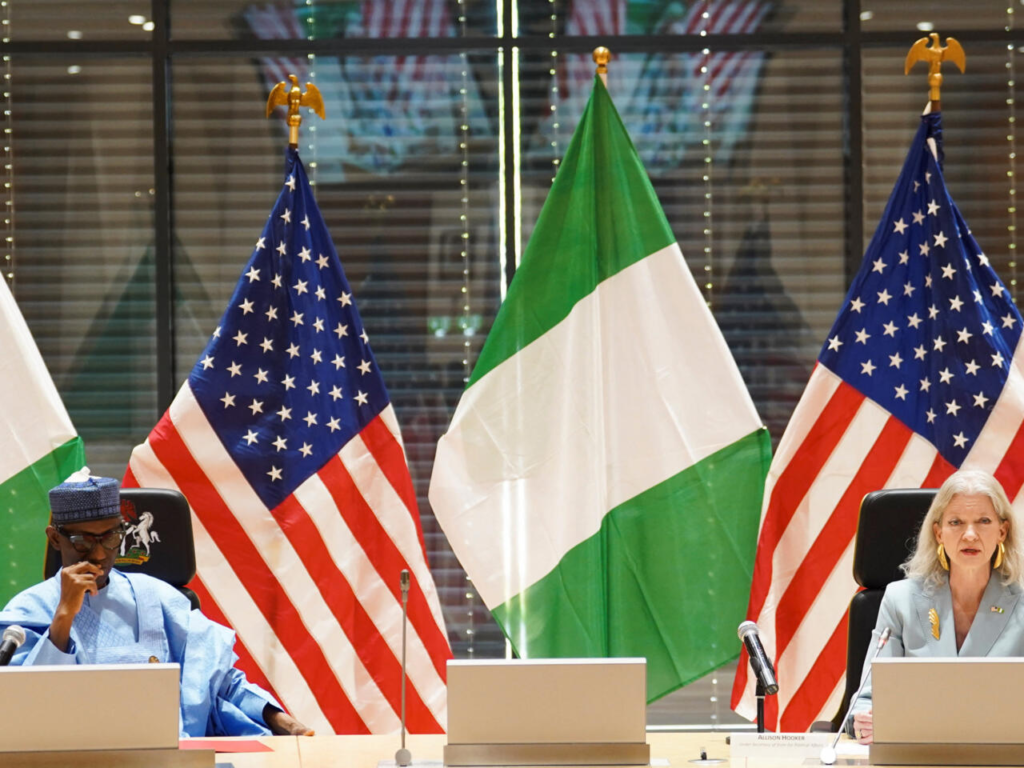
Nigeria and the United States have officially opened high-level discussions in Washington to resolve issues surrounding Nigeria’s designation as a Country of Particular Concern. Top officials from both governments met to review progress on religious freedom, community protection, and military cooperation.
This meeting comes at a crucial moment for diplomacy between the two nations. The discussion forms part of the ongoing U.S.-Nigeria Joint Working Group, which was created to fix severe security concerns and protect vulnerable citizens across affected states.
Understanding international relations can sometimes feel complicated with all the official terms thrown around. Here is a clear breakdown of what happened during these talks, why the Country of Particular Concern label was given, and what both countries plan to do next.
What Is the Country of Particular Concern Tag and Why Does It Matter?
The phrase Country of Particular Concern, often shortened to CPC, is an official label used by the United States government. Under American law—specifically the International Religious Freedom Act of 1998—the U.S. President and State Department evaluate religious freedom across the globe every year.
When a country is placed on this list, it means the U.S. government believes severe violations of religious freedom are happening there. This includes situations where a government actively participates in persecution or simply tolerates violent attacks against people based on their faith.
The $0 Secret To Launching Your Entire Online Empire
Why pay hundreds every month for separate software? Build funnels, send emails, and make sales with Systeme.io completely free.
Get Started For $0Free Forever • No Credit Card Needed • Beginner-Friendly
In late 2025, President Donald Trump redesignated Nigeria as a Country of Particular Concern. The decision came after growing international worries over ongoing violence targeting Christian communities in Nigeria’s Middle Belt, alongside broader security struggles across the country.
Being tagged as a CPC is a serious diplomatic issue. It brings international scrutiny and can potentially impact trade agreements, foreign assistance, and military partnerships. Because of this, the Nigerian government has been working closely with American officials to show that concrete steps are being taken to fix security gaps and protect all citizens.
Inside the High-Stakes Washington Meeting
The latest diplomatic talks took place in Washington, marking the second official session of the U.S.-Nigeria Joint Working Group. The first session was held earlier in Abuja in January 2026, setting up the ground rules for collaboration.
The Nigerian team was led by National Security Adviser Mallam Nuhu Ribadu, alongside Foreign Affairs Minister Bianca Odumegwu-Ojukwu and top officials from ten different ministries. The U.S. delegation was led by Under Secretary of State for Political Affairs Allison Hooker, supported by representatives from eight federal agencies.
According to reports published by THISDAYLIVE Coverage and news updates from The Guardian Nigeria Report, the mood of the gathering was focused on action and practical solutions. Both sides wanted real measurements of progress rather than just political promises.
The dialogue lasted over several days and included strategic sessions at both the U.S. Department of State and the Pentagon. The goal was simple: work together to reduce violence, hold lawbreakers accountable, and create a safe environment where everyone can live and practice their beliefs without fear.
The Three Main Focus Areas of the US-Nigeria Joint Working Group
During the sessions, negotiators narrowed their conversations down to three key priorities. These three areas address the main complaints that led to the original CPC classification.
1. Protecting Communities in the Middle Belt
The security of rural farming communities, especially Christian villages in Nigeria’s Middle Belt region, remains the biggest focus. For years, these areas have suffered from recurring violent raids by armed militias, causing severe loss of life and displacing thousands of families.
The U.S. side emphasized that protecting these farming communities must be an urgent priority. Both delegations discussed plans to improve early warning systems, deploy localized security patrols, and establish safe conditions so Internally Displaced Persons can return home to their ancestral lands safely.
2. Strengthening Accountability and Courts
One major reason for international concern has been the perception of impunity—the idea that attackers commit crimes without being caught or punished. To change this narrative, Nigeria presented evidence of steps taken to strengthen its legal and law enforcement capacity.
Nigeria highlighted the recruitment and training of 50,000 new police officers, aimed at putting more boots on the ground. Additionally, Nigerian authorities shared details about ongoing counterterrorism trials that have seen hundreds of suspected Boko Haram and Islamic State West Africa Province fighters prosecuted in court.
3. Expanding Defense and Security Partnerships
The third pillar of the meeting focused on direct military-to-military cooperation. Defense officials met at the Pentagon to discuss tactical support, intelligence sharing, and combating terror financing.
As recorded in the official US Embassy in Nigeria Statement, both nations are also working on sharing biometric data. This technology helps track known criminal networks and prevents terrorist groups from moving funds or personnel across national borders.
Where Progress Has Been Made and Where Work Remains
Diplomatic meetings always involve honest feedback, and this working session was no exception. While the U.S. government acknowledged positive steps taken by Nigerian authorities, they also pointed out areas where performance must improve.
Positives Noted by the United States
- Prosecution of hundreds of insurgency and terrorism suspects in official courts.
- Creation of special judicial tracks to handle backlog terrorism cases quickly.
- Expansion of police recruitment programs to boost local law enforcement presence.
- Realignment of military resources to focus on volatile North-Central regions.
Remaining Challenges Highlighted
- Persistent reports of civilian casualties during security operations.
- Lack of clear transparency regarding how humanitarian spending and aid funds are distributed.
- Slow pace of safely resettling displaced citizens back into their original communities.
Human rights organizations and advocacy groups have also voiced their perspectives on the issue. Details from ADF International Announcement show that civil rights advocates continue to track local conditions closely, pushing for quick justice for victims of violence.
Send, Spend & Hold Money Worldwide Without Hidden Fees
Transfer money internationally at the real exchange rate and hold 40+ currencies in one account.
Open a Wise AccountMid-market rate • Fast transfers • 40+ currencies
Reports from media outlets like Punch Newspapers Report also indicate that advisory bodies, including the U.S. Commission on International Religious Freedom, continue to monitor how effectively these reforms are implemented on the ground.
What This Means for Everyday Citizens
International news like this can sometimes sound distant, but diplomatic designations directly affect everyday life in several practical ways.
First, better security cooperation between the U.S. and Nigeria means better equipped security forces. For people living in farming communities or areas affected by banditry, improved intelligence sharing and military training can lead to safer roads, protected farmlands, and peaceful towns.
Second, resolving the CPC tag helps protect international trade and investment. Foreign investors prefer stable countries with strong human rights records. When a nation works through its security challenges openly, foreign businesses feel more confident investing money, which helps create local jobs.
Third, solving displacement issues helps restore local economies. When displaced farmers can safely return home and start planting crops again, food production increases across the nation, which helps bring down high food prices for everyone.
Staying Updated on News, Technology, and Digital Trends
Keeping track of fast-moving global news and societal trends is essential. As international politics and security strategies evolve, digital communication tools play a massive role in how news spreads and how public opinions are formed.
If you are interested in modern content creation and how digital platforms distribute breaking news worldwide, explore our complete guide on WhatsBuzzn YouTube Automation Guide. Learning how video platforms work helps you understand how global stories reach millions of viewers in seconds.
Technology also shapes modern security, from biometric tracking systems to artificial intelligence used in monitoring threats. You can read more about these rapid technological advancements in our dedicated WhatsBuzzn AI and Tech Section.
To browse all our published stories across politics, lifestyle, entertainment, and global updates, check out the complete list on our WhatsBuzzn Full Article Sitemap.
Want to learn more about who we are and our mission? Head over to the official WhatsBuzzn About Page to get to know our team, or reach out to us directly through the WhatsBuzzn Contact Page.
The $0 Secret To Launching Your Entire Online Empire
Why pay hundreds every month for separate software? Build funnels, send emails, and make sales with Systeme.io completely free.
Get Started For $0Free Forever • No Credit Card Needed • Beginner-Friendly
You can also join our growing online community across our official social channels:
- Follow live visual updates on WhatsBuzzn Instagram.
- Join our community discussions on WhatsBuzzn Facebook.
- Get instant breaking updates directly on WhatsBuzzn X Page.
Frequently Asked Questions (FAQs)
What does the CPC designation mean?
CPC stands for Country of Particular Concern. It is a official label given by the U.S. government to countries that engage in or tolerate severe, ongoing violations of religious freedom.
Why was Nigeria designated as a Country of Particular Concern?
Nigeria was added to the list due to sustained global concern over attacks on rural religious communities, particularly Christian farming villages in the Middle Belt, alongside broader security issues and gaps in prosecution of offenders.
Who led the recent talks in Washington?
The Nigerian delegation was led by National Security Adviser Mallam Nuhu Ribadu and Foreign Affairs Minister Bianca Odumegwu-Ojukwu. The United States delegation was led by Under Secretary of State for Political Affairs Allison Hooker.
What main actions is Nigeria taking to address these concerns?
Nigeria is training 50,000 new police officers, conducting counterterrorism trials against Boko Haram and ISIS-WA suspects, sharing biometric data for security tracking, and working on safe resettlement plans for internally displaced persons.
What are the next steps for both countries?
Both nations will continue working through the U.S.-Nigeria Joint Working Group. They will monitor progress on judicial transparency, civilian protection, and military cooperation ahead of future policy reviews.
The Path Ahead for U.S.-Nigeria Bilateral Relations
The ongoing meetings between Nigerian and American officials show a clear commitment to working through difficult diplomatic problems together. Rather than stepping away, both countries are actively sitting down to review hard facts, analyze progress, and tackle remaining challenges head-on.
Removing a country from the Country of Particular Concern list does not happen overnight. It requires consistent effort, clear evidence of improved safety on the ground, and accountable judicial systems that protect every citizen regardless of background or faith.
As the U.S.-Nigeria Joint Working Group continues its effort, the focus will remain on real results: safer villages in the Middle Belt, swift justice in courtrooms, and stronger partnerships that support peace and economic growth. Watching these diplomatic moves unfold offers a look into how international cooperation works behind closed doors to solve real-world security challenges.
