
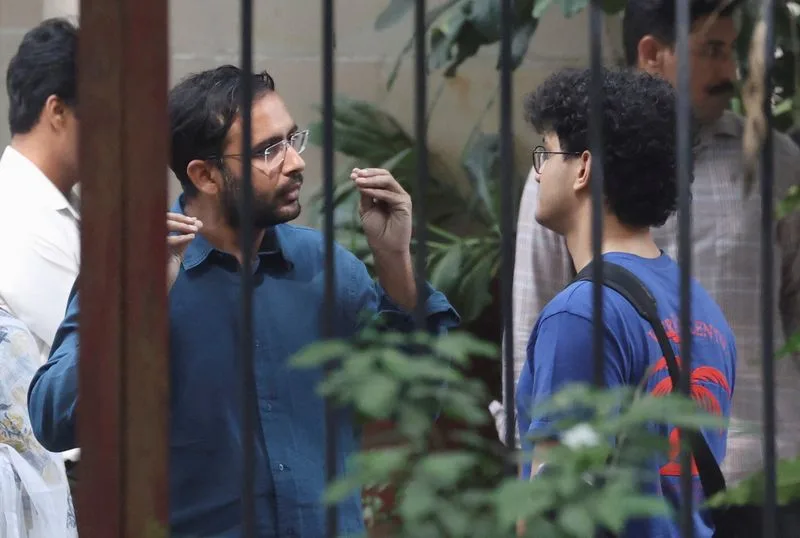
New Delhi is under an intense security lockdown on Sunday as India’s capital prepares for a second consecutive day of massive youth-led demonstrations. Protesters from across the country are demanding the immediate resignation of Chief Election Commissioner Gyanesh Kumar over controversial changes to the nation’s voter lists.
The security apparatus in the capital remains on high alert following a chaotic Saturday that saw more than 15,000 to 20,000 activists detained, major transit hubs shut down, and central government buildings barricaded. Despite the heavy police presence, civil society organizations, student groups, and opposition leaders are standing firm in their call for institutional accountability.
The unfolding standoff represents one of the largest democratic confrontations in India in recent years, pitting a rapidly growing youth movement against federal authorities in a battle over voting rights and electoral transparency.
Sudden Court Order Releases Key Movement Leaders
A significant turning point occurred early Sunday morning when an Executive Magistrate court in New Delhi ordered the immediate release of three high-profile protest leaders. The release included Abhijeet Dipke, the 28-year-old founder of the youth-led Cockroach Janta Party (CJP), along with senior movement organizers Saurav Das and Ashutosh Ranka.
The trio had been dramatic targets of police action on Saturday morning. Law enforcement officers boarded their commercial flight as soon as it landed at Delhi Airport, taking them into custody before they could even step onto the tarmac.
The $0 Secret To Launching Your Entire Online Empire
Why pay hundreds every month for separate software? Build funnels, send emails, and make sales with Systeme.io completely free.
Get Started For $0Free Forever • No Credit Card Needed • Beginner-Friendly
Lawyer Ratna Singh confirmed their release in an official statement on social media, noting that the magistrate found insufficient grounds to hold the activists under temporary preventive detention codes.
Prior to his arrest on Saturday, Dipke managed to record a brief video message from inside the aircraft. He stated that threatening activists with jail time would not halt their demand for electoral transparency, urging citizens to remain peaceful while standing up for their constitutional rights.
The release of Dipke and his colleagues has provided fresh momentum to organizers, who spent Saturday evening reassembling decentralized teams across Delhi despite widespread police checkpoints.
Why Are People Protesting? The Controversy Over the Voter Roll Revision
At the central heart of this national crisis is a massive nationwide project managed by the Election Commission of India (ECI), known as the Special Intensive Revision (SIR).
The Election Commission states that this administrative update is necessary to sanitize voter registries, remove duplicate entries, update home addresses, and eliminate deceased individuals from official records. Officials maintain that maintaining clean records is vital for fair elections.
However, opposition parties, civil liberty groups, and youth organizations allege that the process is being weaponized. Critics argue that millions of legitimate voters—disproportionately affecting young citizens, migrant workers, rural laborers, and minority communities—have been quietly stripped from the rolls without adequate notice or clear legal recourse.
Some independent political analysts estimate that tens of millions of names have been flagged or removed ahead of critical upcoming state assembly elections. This dynamic mirrors broader global debates surrounding voting access, such as legal battles over voter eligibility checks and legislative fights surrounding voting procedures.
Protesters contend that Chief Election Commissioner Gyanesh Kumar has failed to remain neutral, demanding his resignation and a full pause on the voter list revision until an independent judicial panel can audit the changes.
How New Delhi Was Brought to a Virtual Standstill
To prevent Saturday’s planned rally at the historical Jantar Mantar demonstration ground, federal and municipal authorities deployed a security plan rarely seen in the capital’s modern history.
Over 25,000 armed police and paramilitary personnel were stationed throughout central Delhi. High physical barricades, razor wire, water cannon trucks, and armored riot control vehicles blocked major thoroughfares leading to government facilities.
The logistical crackdown created widespread disruption across the metropolis:
- Mass Transit Closures: Almost 50 metro stations across central New Delhi were temporarily shuttered, with trains passing through without stopping.
- Rail Operations Suspended: Inbound passenger trains arriving at Delhi’s primary railway terminals were held or canceled for up to ten hours on Saturday.
- Highway Checkpoints: Police set up inspection gates along major highways connecting Delhi to neighboring states, stopping commercial buses and private vehicles to question passengers regarding their travel destinations.
- Delivery and Gig Restrictions: Authorities ordered ride-hailing services not to drop passengers within designated protest zones and instructed food delivery applications to block bulk food orders directed to gathering points.
- Institutional Closures: Local schools and municipal courtrooms were instructed to shift all operations online, while local hotel management was directed to report out-of-town guests arriving without local business reasons.
Similar law enforcement strategies were documented during port security responses and intelligence-led crowd management operations.
Rise of the Cockroach Janta Party: From Satire to National Power
The organization leading this protest wave, the Cockroach Janta Party (CJP), has a unique origin story. Founded in May 2026 by political communications strategist Abhijeet Dipke, the group began as a satirical online movement reacting to public statements made by political figures regarding young activists.
Using humorous memes, viral social media commentary, and digital campaigns, the group quickly resonated with university students and young working adults who felt disconnected from traditional political parties.
The movement transitioned from digital satire to real-world political power in July 2026. During that period, CJP organized mass student-led demonstrations that ultimately forced the resignation of Union Education Minister Dharmendra Pradhan over alleged examination leaks and education management issues.
Send, Spend & Hold Money Worldwide Without Hidden Fees
Transfer money internationally at the real exchange rate and hold 40+ currencies in one account.
Open a Wise AccountMid-market rate • Fast transfers • 40+ currencies
This rapid escalation from classroom discussions to national policy changes mirrors other youth movements globally, such as widespread high school demonstrations and student walkouts in France.
Student leader Neha Bora, who was briefly detained on Saturday afternoon, compared the current movement to historical civil rights marches, emphasizing that detaining leaders does not eradicate the underlying public concern regarding voter rights.
Prominent Figures Detained and Under House Arrest
The scope of law enforcement action on Saturday went well beyond the immediate protest grounds in Delhi, extending to high-profile commentators, political figures, and influencers:
- Dhruv Rathee: One of India’s most popular independent content creators and political commentators, who commands a social media audience of over 33 million followers, was placed under house arrest at his residence to prevent his physical attendance at the rally.
- Arvind Kejriwal: The former Chief Minister of Delhi and leader of the Aam Aadmi Party (AAP) was detained alongside several opposition lawmakers as they attempted to walk toward the Jantar Mantar protest site in solidarity with the youth groups.
- Student Representatives: Dozens of student union leaders from Delhi University, Jawaharlal Nehru University (JNU), and Jamia Millia Islamia were taken into police custody during pre-dawn raids on campus dormitories.
In a public statement released shortly after his detention, Arvind Kejriwal criticized the government’s response, calling the mass arrest of young citizens off flights and out of homes an excessive overreach that highlights deep official anxiety over public scrutiny.
Official Government Defense and Opposition Responses
The ruling Bharatiya Janata Party (BJP) and federal government officials have strongly defended the security measures and the actions of the Election Commission.
A national spokesperson for the BJP dismissed the protest movement, stating that the demonstrators lack empirical evidence to support their claims of electoral bias. Government representatives argued that the opposition is using youth movements to create public disruption and undermine public trust in national constitutional institutions.
Pro-government commentators also stressed that removing duplicate voter entries and updating residential records is a necessary legal duty to ensure that non-citizens or deceased persons do not remain on voting rolls.
On the other side of the aisle, leaders across the unified opposition bloc voiced full support for the student demonstrators. Senior opposition figures asserted that the Election Commission must maintain complete independence from the executive branch of government and called for immediate parliamentary review of the voter roll revision software.
Everyday Impact on Citizens and Daily Life
For ordinary residents of New Delhi, the confrontation converted routine weekend life into a navigating exercise through security checkpoints and transport disruptions.
Major market districts were largely empty as commuters struggled to cross police lines. Families attempting to travel across state lines faced long traffic delays along primary arterial roads, while local businesses in central Delhi reported significant operational drop-offs due to station closures.
The $0 Secret To Launching Your Entire Online Empire
Why pay hundreds every month for separate software? Build funnels, send emails, and make sales with Systeme.io completely free.
Get Started For $0Free Forever • No Credit Card Needed • Beginner-Friendly
In neighboring residential areas, local housing associations issued advisories asking parents to monitor student travel and avoid central gathering zones. Despite these hurdles, groups of young people continued to gather in smaller, neighborhood-level clusters through Saturday evening, holding peaceful candlelight vigils and singing nationalist songs.
What Happens Next for Indian Electoral Integrity?
As Sunday progresses, all eyes remain focused on whether law enforcement will maintain the complete lockdown of central New Delhi or permit peaceful assemblies following the court-ordered release of CJP leaders.
Legal teams representing the Cockroach Janta Party and various civil rights groups have already submitted petitions to the Supreme Court of India, requesting an emergency hearing on two key points:
- Voter Roll Audit: An immediate stay on the Special Intensive Revision process until a transparent, third-party technical audit can verify that no eligible voters are being improperly removed.
- Right to Assembly: A judicial confirmation that peaceful public gathering cannot be restricted through blanket transportation shutdowns and mass preventive detentions.
Whether the political leadership chooses dialogue or continued security enforcement, this weekend has clearly signaled that India’s youth demographic has become an active, organized force in national politics.
Frequently Asked Questions (FAQs)
Why are protesters asking Chief Election Commissioner Gyanesh Kumar to resign?
Protesters accuse the Chief Election Commissioner of overseeing a voter roll revision process that unfairly removes eligible voters, particularly youth, migrant workers, and minority groups, without adequate notice or verification.
What is the Cockroach Janta Party (CJP)?
The Cockroach Janta Party is a youth-led political movement founded in May 2026 by Abhijeet Dipke. It started as a satirical online movement but grew into a major political force after organizing nationwide student protests in mid-2026.
How many people were detained during the New Delhi protests?
Organizers estimate that over 15,000 to 20,000 protesters and activists were detained across Delhi and surrounding states on Saturday, October 10, 2026.
Why were metro stations and train services stopped in Delhi?
Authorities implemented transit shutdowns—closing nearly 50 metro stations and halting inbound passenger trains—to prevent large crowds of protesters from gathering at the central Jantar Mantar protest site.
What did the court decide regarding the arrested protest leaders?
On Sunday morning, October 11, 2026, an Executive Magistrate court ordered the immediate release of CJP founder Abhijeet Dipke and senior leaders Saurav Das and Ashutosh Ranka, ruling that their preventive detention was unwarranted.
This situation continues to develop rapidly across New Delhi and major urban centers. To share your perspective or submit local updates on this story, reach out to our team directly through our Contact Page.
Stay connected with the latest real-time updates and discussions by following us across our official social channels:
- Instagram: WhatsBuzzn Nigeria on Instagram
- Facebook: WhatsBuzzn Nigeria on Facebook
- X (Twitter): WhatsBuzzn Nigeria on X
