
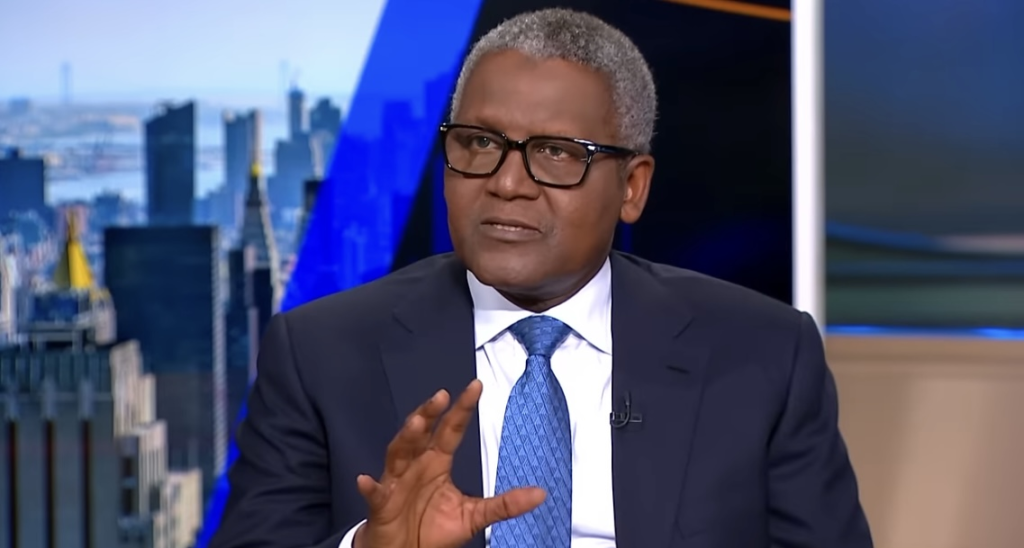
Dangote Petroleum Refinery has submitted an official application to Nigeria’s Securities and Exchange Commission for a historic $5 billion Initial Public Offering on the Nigerian Exchange. Chief Executive Officer David Bird confirmed that the public share sale is specifically designed as a “people’s IPO” to give everyday retail investors direct ownership in Africa’s largest refinery. At the same time, company leadership officially ruled out any immediate foreign stock exchange listing in markets like London for at least three years while it builds a proven operational and financial track record.
This decision places the Nigerian stock market right at the center of one of the biggest corporate financial events in African history. Rather than rushing to international markets in Europe or North America, the business is prioritizing local citizens and regional investors who want a personal stake in the nation’s premier industrial asset.
Here is a full look at what this major decision means, how the share sale is structured, why the overseas debut is on hold, and how regular people can prepare to participate in this landmark stock offering.
Understanding the Dangote Refinery Share Sale
An Initial Public Offering happens when a privately owned company offers its shares to the general public on a stock exchange for the very first time. Through this process, Dangote Petroleum Refinery is transitioning from private control under Africa’s richest man, Aliko Dangote, into a publicly traded corporation owned by thousands of individual and institutional shareholders.
The decision to focus heavily on retail buyers is a deliberate strategy to democratize corporate ownership. In many major stock offerings around the world, big institutions like investment banks, pension funds, and foreign hedge funds buy up almost all available shares before individual citizens get a chance. CEO David Bird explained in a recent interview with Reuters that the core mandate given to management was to create a true retail-focused offer that drives broad public participation across Nigeria.
The $0 Secret To Launching Your Entire Online Empire
Why pay hundreds every month for separate software? Build funnels, send emails, and make sales with Systeme.io completely free.
Get Started For $0Free Forever • No Credit Card Needed • Beginner-Friendly
- Targeted Capital Goal: The refinery aims to raise up to $5 billion through this public share offer, depending on final regulatory approvals and overall market conditions.
- Baseline Valuation: A private funding round raised $2.5 billion from major institutional investors, placing an estimated valuation on the refinery at roughly $40 billion.
- High Investor Demand: That private placement, led by the Africa Finance Corporation, was oversubscribed by 3.7 times, demonstrating huge appetite from institutional buyers.
- Local Exchange Priority: The listing will take place directly on the Nigerian Exchange, allowing local brokers, bank apps, and retail trading platforms to handle share orders.
By setting aside a dedicated portion of shares for small individual buyers, the company aims to let ordinary citizens share directly in the wealth created by the country’s petroleum processing sector.
Why Is the Foreign Listing Delayed for Three Years?
Before this official announcement, many financial analysts assumed Dangote Petroleum Refinery would dual-list its shares in both Lagos and London right away. However, executive leadership made the strategic choice to hold off on any overseas stock debut for at least three years.
There are clear, practical reasons for taking this measured, step-by-step approach:
- Building a Proven Operational Record: Overseas exchanges like the London Stock Exchange require multi-year track records of audited financial results and steady production performance to award top valuations.
- Maximizing Future Stock Value: By waiting until the refinery completes three consecutive years of full-scale refining operations and consistent dividend payouts, the company can command a much higher price per share when it eventually lists abroad.
- Focusing Capital Locally: Keeping the initial listing exclusively inside Nigeria strengthens the domestic stock market and ensures local buyers get first access before international funds drive up prices.
- Executing Expansion First: Management wants to focus on doubling production capacity at home before taking on the extra regulatory burdens and quarterly scrutiny that come with listing on foreign stock exchanges.
Establishing a rock-solid operational foundation in Nigeria first gives the business a far stronger standing when it eventually approaches global capital markets down the road.
Inside the Refinery: Massive Production and Global Impact
To understand why this IPO is generating such strong interest across Africa and beyond, it helps to look at the massive physical scale and economic footprint of the facility itself. Located in the Lekki Free Trade Zone in Lagos, the project cost roughly $20 billion to construct and stands as the world’s largest single-train crude oil refinery.
The complex has transformed energy supply lines both domestically and internationally:
- Meeting National Demand: The plant supplies most of Nigeria’s domestic gasoline and diesel requirements, while completely covering the country’s total demand for aviation jet fuel.
- Global Fuel Exports: International market disruptions shifted energy trade flows, allowing the facility to export jet fuel across Africa and into Western Europe, where it became Europe’s largest single jet fuel supplier during June and July.
- Cost Advantages: Unlike many older facilities in Europe or North America, the Lekki plant sits directly beside deepwater ports, enjoys steady crude supplies, and features fully integrated petrochemical manufacturing units.
- Capacity Expansion Plans: Management confirmed ambitious plans to double refining capacity from 650,000 barrels per day to 1.4 million barrels per day within three years.
Doubling the plant’s operational throughput will cost significantly less than building the original site because all foundational marine ports, heavy utility grids, and land pipelines are already fully operational. This expansion will be funded through a balanced combination of IPO proceeds and manageable corporate debt.
What This Means for Everyday Nigerian Investors
For decades, giant infrastructure assets across Africa were funded almost exclusively through private equity syndicates, foreign state loans, or international banks. Regular citizens rarely had a practical way to invest directly in the major industrial projects powering their own national economies.
This retail-focused stock offer shifts that dynamic:
- Direct Participation in Industrial Wealth: Regular individuals can purchase actual ownership shares in a company that processes essential fuels for transportation, commerce, and power generation.
- Protection Against Inflation: Holding stock in a high-demand physical commodity producer offers a realistic way to protect personal savings against general price increases over time.
- Potential Foreign Currency Dividends: Company leaders have discussed arrangements with national regulators to potentially distribute future shareholder dividend payments in US Dollars, offering a built-in hedge against local currency shifts.
- Boosting Local Stock Exchange Activity: Injecting billions of dollars into the Nigerian Exchange increases overall market trading volume, builds investor confidence, and encourages other African corporations to list locally.
If you want to keep up with how digital platforms and automated tools are transforming business and financial education across Africa, take a look at our dedicated section covering technology and AI news for fresh insights.
How to Prepare for the Upcoming Share Offer
If you intend to participate in this public share sale when the subscription period opens, taking a few preparatory steps now will help you avoid last-minute delays.
- Open a CSCS Account: To buy and store shares on the Nigerian Exchange, you need an active Central Securities Clearing System account number. You can open one through any licensed stockbroking firm or registered digital stock trading app.
- Complete Your Identity Verification (KYC): Make sure your Bank Verification Number, National Identification Number, and current address documentation are fully updated with your stockbroker so your profile is approved.
- Set Your Investment Budget: Decide ahead of time how much money you can safely afford to invest without touching your day-to-day living expenses or emergency savings funds.
- Select a Brokerage Platform: Modern financial technology applications now allow users to apply for IPO share allocations directly from a mobile phone in just a few clicks.
- Study the Official Offer Prospectus: Once regulators approve the final filings, the company will publish a detailed prospectus document outlining share prices, minimum purchase quantities, and risk disclosures. Read this document carefully before placing your order.
Building long-term wealth requires regular research and staying informed about market shifts. Learn more about our media mission to deliver clear, accessible news and practical insights for curious readers across the continent.
How Digital Media and Automation Are Changing Investment Knowledge
In earlier decades, getting clear information about major stock listings meant sifting through thick corporate prospectuses or paying high fees for professional financial advice. Today, modern digital publishing and online media have made financial literacy accessible to anyone with an internet connection.
Independent creators and digital platforms break down complex market updates into straightforward language that anyone can understand. If you are interested in learning how digital media channels build online audiences and share knowledge at scale, explore our detailed guides on YouTube automation strategies to see how modern content systems operate behind the scenes.
Staying informed across reliable channels ensures you remain well-prepared for major economic developments like national IPOs and industrial expansion news. If you have questions about upcoming market stories or want to suggest news topics for our editorial team, reach out anytime through our contact page.
Send, Spend & Hold Money Worldwide Without Hidden Fees
Transfer money internationally at the real exchange rate and hold 40+ currencies in one account.
Open a Wise AccountMid-market rate • Fast transfers • 40+ currencies
FAQs About the Dangote Refinery Retail IPO
When will the Dangote Refinery IPO officially take place?
The company is targeting October 2026 for the completion of the public share offer, pending final clearance from Nigeria’s Securities and Exchange Commission. Exact subscription opening and closing dates will be published in the official offer prospectus.
How much capital is the refinery looking to raise?
The preliminary application submitted to securities regulators outlines a target size of up to $5 billion. However, the exact final amount raised will depend on market demand and official allocations during the book-building process.
Can everyday retail investors buy small share packages?
Yes. Chief Executive Officer David Bird specifically confirmed that the core mandate of the transaction is to be a “people’s IPO”. The share allocation structure is specifically designed to encourage broad participation from individual retail buyers.
Why is the overseas listing in London postponed?
Management wants at least three full years of proven production records, steady audited earnings, and double capacity expansion completed before listing abroad. This strategy helps secure a much higher overall valuation on international stock exchanges down the road.
Will shareholders receive dividend payments in US Dollars?
Company executives have held active discussions with Nigerian financial regulators regarding the legal framework for paying future dividends in US Dollars, which would help protect investor returns against domestic currency volatility.
Do I need a stockbroker account to buy shares?
Yes, you need an account with a licensed Nigerian stockbroker or a verified digital investment application connected to the Central Securities Clearing System network to purchase and hold your shares.
A Turning Point for African Equity Markets
The planned public listing of Dangote Petroleum Refinery marks a momentous chapter for capital markets in West Africa. By choosing to prioritize local retail investors over immediate foreign exchange listings, the company is placing its trust in domestic buyers to share in its long-term industrial journey.
With plans to double processing output to 1.4 million barrels per day, secure reliable domestic fuel supplies, and grow export revenues across international markets, this public offering represents far more than a standard stock transaction. It gives everyday citizens an opportunity to own a piece of an industrial engine that is actively reshaping energy dynamics across Africa.
To keep up with breaking corporate news, stock market updates, and trending stories, connect with us across our official social channels:
- Follow our regular updates on Facebook
- Join the latest conversations on X (Twitter)
- View visual highlights and behind-the-scenes content on Instagram
