
Words are easy to say, especially in the world of politics. Every election cycle comes with speeches, grand plans, and promises of a brighter tomorrow. But at a certain point, speeches lose their power. When daily life becomes a constant struggle, people stop caring about eloquent explanations and start looking for actual results.
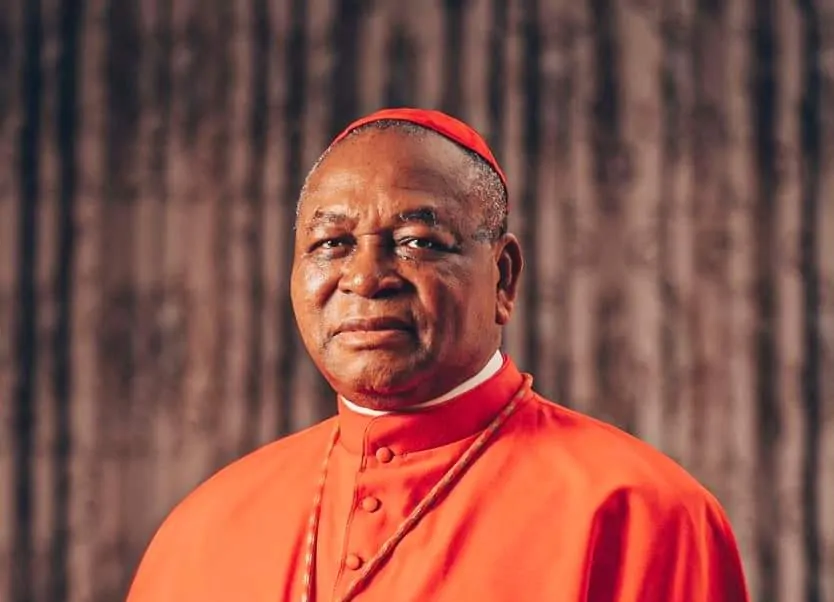
That is exactly the point Cardinal John Onaiyekan made when he delivered a straightforward message to the Nigerian Presidency. His message was simple: people are done talking, and it is time for the government to govern better.
When a respected religious leader like Onaiyekan speaks up, it is not just political chatter. He is reflecting the quiet frustration felt in households, markets, and workplaces across the country. People are tired of hearing about plans for the future while suffering in the present. They want to see real actions that make a difference in their everyday lives.
Cardinal Onaiyekan’s recent statement is not just a news headline; it represents a major turning point in public patience. Let us take a closer look at what prompted this bold statement, why it resonates so deeply with ordinary citizens, and what better governance should actually look like.
Who is Cardinal John Onaiyekan and Why His Voice Matters
To understand the weight of this statement, it helps to know who Cardinal John Onaiyekan is. As the Archbishop Emeritus of Abuja, he has spent decades serving as a spiritual leader and a moral voice in Nigeria. Over the years, he has consistently spoken truth to power, regardless of which political party or leader held office.
The $0 Secret To Launching Your Entire Online Empire
Why pay hundreds every month for separate software? Build funnels, send emails, and make sales with Systeme.io completely free.
Get Started For $0Free Forever • No Credit Card Needed • Beginner-Friendly
Onaiyekan is not a politician searching for votes. He does not run for office, nor does he seek political favors. This gives his voice a level of independence that many political commentators lack. When he talks about public suffering, he speaks from the perspective of someone who interacts directly with people from all walks of life.
Religious leaders in Nigeria carry a unique responsibility. Because millions of citizens gather in places of worship every week, faith leaders often hear the personal struggles of ordinary families firsthand. They hear about parents who cannot pay school fees, workers who cannot afford transportation, and families struggling to put food on the table.
When Cardinal Onaiyekan tells the Presidency that the era of empty speechmaking is over, he is speaking on behalf of countless citizens who feel unheard by those in power.
The Weight of Speech Fatigue in Modern Politics
For years, citizens have listened to countless press briefings, presidential addresses, and economic summits. While communication is an important part of leadership, words cannot replace practical outcomes.
Speech fatigue happens when people hear the same promises repeated over and over without seeing any measurable improvement in their daily living conditions. Leaders announce new committees, release policy documents, and ask for patience. But patience is hard to maintain when basic survival becomes harder every day.
Cardinal Onaiyekan highlighted this exact problem. He pointed out that continuously telling people to remain hopeful while doing nothing to solve their problems only creates frustration and distrust.
When governance is reduced to speeches, people feel ignored. A father trying to buy medicine for his child cannot use official press releases as payment. A mother shopping at the local market cannot trade political promises for a bag of rice. People need working policies, not comfortable explanations.
The Daily Realities Fueling the Frustration
To fully grasp why Cardinal Onaiyekan’s words hit home, we have to look at the day-to-day economic challenges facing ordinary citizens across the nation.
Inflation and the Rising Cost of Living
The price of basic goods has reached levels that make daily life difficult for millions. Food inflation has made simple meals expensive for average families. Items that used to be affordable daily staples are now treated like luxury goods.
When the cost of living jumps sharply while wages remain static, families are forced to make tough choices. Parents cut back on meals, remove children from school, or skip medical treatment just to get by. When leaders ask citizens to endure economic hardship, people naturally want to see that hardship leading to tangible improvements.
Transportation and Energy Expenses
Energy costs impact almost every part of the economy. High fuel prices affect public transit costs, farm produce transport, and small business operations. Small business owners who rely on generators to run their shops face high running costs that eat away at their small profits.
When transportation and power become too expensive, small businesses struggle to survive. Since small businesses form the backbone of the economy, their struggles quickly hurt whole communities.
Security Concerns and Public Safety
Beyond economic struggles, safety remains a critical concern. Citizens want to feel safe in their homes, on their farms, and along public highways.
Reports from national news platforms like Vanguard News and The Guardian Nigeria show that insecurity continues to affect daily life across different regions. When farmers cannot access their fields due to security risks, food supply drops and prices soar. A government’s primary duty is to protect its people. Without safety, economic progress is nearly impossible.
What Does “Govern Better” Actually Mean in Practice?
When Cardinal Onaiyekan asks the government to govern better, what does that mean in practical terms? Good governance is not an abstract concept; it is demonstrated through clear, deliberate actions that improve public life.
Send, Spend & Hold Money Worldwide Without Hidden Fees
Transfer money internationally at the real exchange rate and hold 40+ currencies in one account.
Open a Wise AccountMid-market rate • Fast transfers • 40+ currencies
Good Governance = Wise Resource Use + Clear Rules + Public Accountability + Visible Results
Here are the key areas where citizens expect to see immediate, real progress:
1. Cutting the High Cost of Public Governance
One of the biggest sources of public frustration is the gap between the sacrifices asked of everyday citizens and the lifestyle maintained by public officials. While citizens are urged to tighten their belts, official spending often appears wasteful.
Govern Better Means:
- Reducing unnecessary administrative spending and official convoys.
- Cutting down on excessive foreign travel by political appointees.
- Directing public resources toward essential services like health, education, and infrastructure.
When leaders lead by example and show fiscal restraint, citizens are far more likely to trust their decisions.
2. Protecting the Vulnerable with Direct Support
Economic reforms often hurt low-income families the most. When subsidy policies change or currency values shift, those living near the poverty line feel the pain immediately.
Govern Better Means:
- Creating social safety programs that reach the people who need them.
- Supporting small farmers directly to increase local food production.
- Providing clear incentives for businesses to create jobs for young people.
Social welfare should not be treated as political charity; it is a vital shield for vulnerable citizens during economic transitions.
3. Clear Accountability and Strong Anti-Corruption Actions
Corruption eats away at public resources and destroys trust in public institutions. Reporting from outlets like Premium Times frequently highlights how misplaced funds and poor oversight slow down development projects.
Govern Better Means:
- Holding public officials accountable for how money is spent.
- Ensuring public projects are finished on time and within budget.
- Making government financial records accessible to the public.
When governance is transparent, citizens can easily see where public money goes and how it benefits the nation.
The $0 Secret To Launching Your Entire Online Empire
Why pay hundreds every month for separate software? Build funnels, send emails, and make sales with Systeme.io completely free.
Get Started For $0Free Forever • No Credit Card Needed • Beginner-Friendly
The Role of Religious and Civic Leaders in Public Life
Some critics argue that religious leaders should stay out of political matters and focus strictly on faith. However, in many developing nations, faith leaders play an essential civic role.
Religious institutions are often the first place people go when they need assistance. Churches and mosques run schools, hospitals, emergency feeding programs, and community support centers. Because of this, leaders like Cardinal Onaiyekan see the impact of government decisions long before official statistics are published.
When religious leaders speak out on governance:
- They highlight moral responsibilities that go beyond political interests.
- They provide a neutral space for public concerns to be heard.
- They remind leaders that public service is about caring for human lives.
By urging the Presidency to move past empty speeches, Onaiyekan is fulfilling a traditional moral role: reminding leaders of their duty to serve the public good.
Modern Media, Technology, and Demanding Public Accountability
The way citizens interact with government news has changed significantly in recent years. Today, information travels fast, and people no longer rely solely on evening television broadcasts or morning papers to stay informed.
At Whatsbuzzn, we see how digital media brings political discussions straight to people’s phones. Citizens are more informed, and they use online tools to cross-check claims made by politicians.
Using Tech and Digital Platforms to Track Governance
Modern technology plays a major role in tracking public promises and government performance. From open-data tools to public budget monitoring platforms, technology gives citizens better insight into how public money is handled.
- Data Analysis: Developments in technology and AI make it easier to process public spending data, track projects, and spot irregularities quickly.
- Independent Media Content: Educational digital channels and creators using modern tools like YouTube automation can share simple, clear videos explaining complex economic policies to thousands of viewers.
- Public Dialogue: Social platforms allow ordinary people to share their personal experiences, giving real-time context to economic headlines.
When citizens have easy access to clear information, political leaders find it much harder to rely on empty speeches.
How Citizens Can Shift from Complaining to Active Civic Action
It is easy to feel helpless when facing economic hardship and political frustration. But complaining alone does not create lasting change. As Cardinal Onaiyekan pointed out, the time for passive dialogue has passed. Citizens must actively engage in shaping their communities.
Here are practical steps everyday people can take to encourage better governance:
Stay Informed with Reliable News
Don’t rely on unverified rumors or social media outrage. Read balanced reporting from reliable news organizations like Punch Newspapers to understand the facts behind public policy debates.
Participate in Local Governance
National politics gets the most attention, but local governance impacts daily life just as directly. Local council decisions affect community roads, sanitation, local primary health centers, and neighborhood markets.
- Attend local town hall meetings and community discussions.
- Ask your local representatives how community funds are being used.
- Organize neighborhood groups to solve local problems together.
Vote and Track Official Commitments
Voting remains one of the most effective ways to hold leaders accountable. Registering to vote, studying candidate track records, and holding elected officials to their promises creates real political accountability.
Keep a record of what leaders promise during campaigns. When officials know that voters remember their promises, they take their duties far more seriously.
The Danger of Ignoring Public Discontent
When governments consistently ignore public warnings from respected figures like Cardinal Onaiyekan, public trust erodes.
A lack of public trust leads to serious challenges for any country:
- Low Policy Compliance: People are less likely to cooperate with new economic policies if they do not trust the motives behind them.
- Brain Drain: Skilling professionals and young workers leave the country to seek better opportunities elsewhere, depriving the nation of valuable talent.
- Civic Restlessness: Long-term economic stress combined with a lack of political response can lead to widespread public unrest.
Governing better is not just a polite suggestion; it is essential for national stability and social harmony. Taking clear action builds trust and brings stability to the country.
Frequently Asked Questions (FAQs)
Why did Cardinal Onaiyekan address the Presidency directly?
Cardinal Onaiyekan addressed the Presidency directly because he believes leadership sets the tone for national progress. As a moral leader, he feels a duty to convey the direct frustration of citizens who are struggling under current economic and security conditions.
What is the main point of Cardinal Onaiyekan’s statement?
The core message is that citizens are tired of endless political speeches, policy promises, and official explanations. The government needs to focus on producing clear, practical results that fix economic hardship, reduce insecurity, and lower the cost of living.
How can ordinary citizens encourage better governance?
Citizens can promote better governance by staying informed through reliable news, participating in local civic meetings, holding local and national leaders accountable to their promises, and using their votes wisely during election cycles.
Why do religious leaders speak on political matters in Nigeria?
In Nigeria, religious leaders often serve as a bridge between the public and state officials. Because faith organizations run local charity programs, health clinics, and community support centers, leaders see the real-world effects of government policies firsthand.
Final Thoughts: Moving Beyond Talk to Practical Results
Cardinal John Onaiyekan’s call to the Presidency is a clear reminder of what leadership should be about. Speeches and promises have their place, but they cannot replace practical results. When prices keep rising, security remains uncertain, and basic public services struggle, citizens naturally expect their leaders to act.
Governing better does not mean fixing every national problem overnight. It means showing clear priorities, making transparent decisions, reducing public waste, and putting the needs of ordinary citizens first.
As public discussions continue, staying informed and engaged is vital. Have thoughts or feedback on this topic? Feel free to reach out directly through our contact page and share your thoughts.
To stay updated on viral stories, current political insights, and trending discussions across Nigeria and beyond, follow our official social channels:
- Connect with us on Facebook
- Follow our latest updates on X (formerly Twitter)
- See our visual stories on Instagram
