
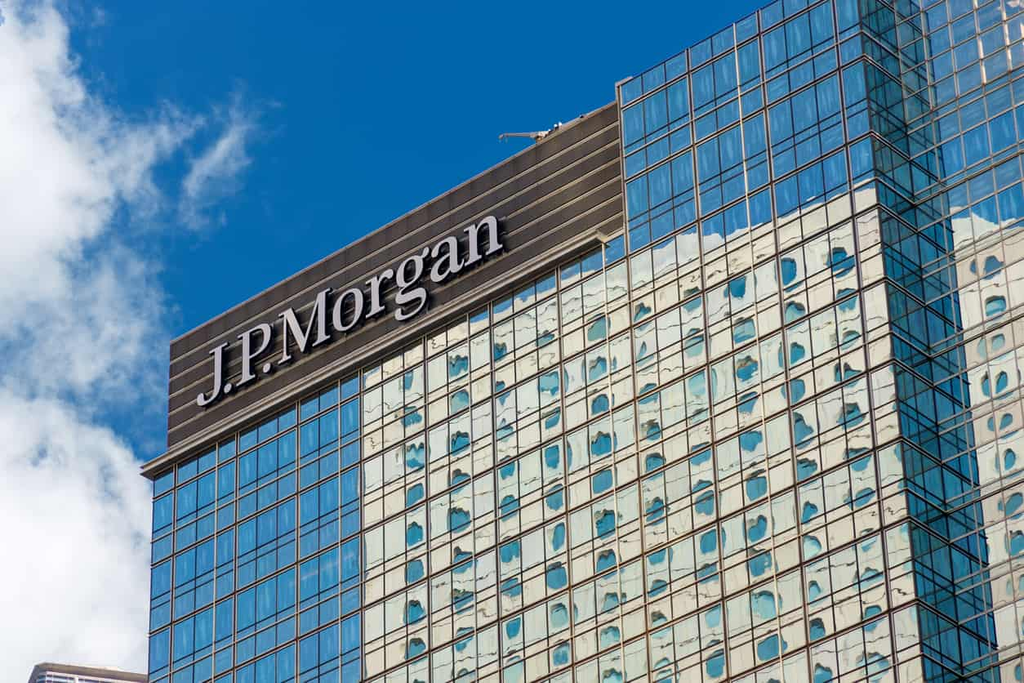
J.P. Morgan, the largest bank in the United States and one of the biggest financial institutions in the world, is planning to open a full merchant bank in Nigeria before the end of 2026.
Dapo Olagunji, the Managing Director of J.P. Morgan West Africa, revealed this big decision during the Nigeria-Asia Financial Connectivity Dialogue held in Singapore. The event was organized by the Central Bank of Nigeria (CBN) in collaboration with J.P. Morgan, the Nigerian Exchange Group (NGX), and the FMDQ Group.
This announcement has quickly become the biggest topic of discussion across the business community in West Africa. For years, J.P. Morgan only operated a representative office in Lagos. Now, the bank wants to expand its presence by building a fully operational merchant bank in the country, subject to final regulatory approval from the CBN.
If you are wondering what this news means for the economy, local businesses, and your daily life, this detailed breakdown covers everything in simple language.
The Big Announcement: What J.P. Morgan Is Planning to Do in Nigeria
J.P. Morgan is taking a major step forward in its African operations. Instead of simply maintaining a liaison office, the global giant is setting up a licensed merchant bank.
The $0 Secret To Launching Your Entire Online Empire
Why pay hundreds every month for separate software? Build funnels, send emails, and make sales with Systeme.io completely free.
Get Started For $0Free Forever • No Credit Card Needed • Beginner-Friendly
According to reports from Nairametrics and THISDAY Live, the bank aims to start full operations before the end of December 2026.
The timing of this announcement is especially significant. Central Bank of Nigeria Governor Olayemi Cardoso has been meeting with international investors and top financial leaders across Asia and Europe ahead of global financial summits. The goal of these meetings is to rebuild global trust in Nigeria’s financial market and attract foreign investments.
Having America’s top bank state publicly that it wants to build a merchant bank in Nigeria sends a strong signal to global markets that Nigeria is open for big business again.
Merchant Bank vs. Regular Bank: What Is the Real Difference?
To understand what J.P. Morgan is doing, it helps to know the difference between a commercial bank and a merchant bank.
Most people in Nigeria interact with commercial banks every day. These are banks like Access Bank, GTBank, Zenith Bank, or United Bank for Africa (UBA). Commercial banks deal directly with the public. You can walk into a branch, open a savings or checking account, deposit cash, collect a debit card, or apply for a personal loan.
A merchant bank works completely differently. Merchant banks do not serve regular retail customers. You will not see J.P. Morgan opening physical branches on every street corner where individuals can deposit daily cash or get ATM cards.
Instead, merchant banks focus exclusively on big businesses, government agencies, and wealthy corporations. Here are the core services a merchant bank provides:
- Corporate Finance: Helping large companies raise millions or billions of dollars to expand their operations.
- Investment Banking: Advising large companies when they want to buy other businesses or merge together.
- Debt and Equity Capital Markets: Assisting governments and big corporations in issuing bonds or selling company shares.
- Foreign Exchange and Treasury Services: Helping large firms handle huge currency transactions for international trade.
- Trade Finance: Providing funding and security for major import and export operations.
In short, while you will not open a personal account with J.P. Morgan, the bank will be funding the massive companies that build infrastructure, create jobs, and supply essential products across the country.
Why Is J.P. Morgan Making This Huge Move Right Now?
J.P. Morgan is not entering this new market phase by accident. The financial giant has been carefully monitoring economic changes in West Africa for years.
Nigeria’s Economic and Foreign Exchange Reforms
Over the past couple of years, the Nigerian government and the Central Bank of Nigeria implemented series of tough economic reforms. These changes included removing costly foreign exchange subsidies, unifying exchange rates, and improving transparency in currency trading.
Global investors like clarity. When a country allows market forces to determine exchange rates and makes it easier for international firms to bring money in and out, global financial firms take notice. J.P. Morgan praised these reforms in economic assessments, noting that increased transparency was gradually rebuilding international trust.
The Shift from 2015 to 2026: A Remarkable Turnaround
To truly appreciate this moment, we need to look back at history.
Back in 2015, J.P. Morgan made headlines when it removed Nigeria from its famous Government Bond Index-Emerging Markets (GBI-EM). At that time, J.P. Morgan cited a lack of liquidity in the foreign exchange market and strict capital controls that made it difficult for foreign investors to buy and sell Nigerian bonds.
That removal was a major blow to Nigeria’s financial reputation at the time. Fast forward to 2026, and the story has flipped completely. J.P. Morgan is moving beyond bond tracking to setting up a full-fledged merchant bank inside Nigeria. This turnaround highlights how much confidence has returned to the local market.
What This Means for the Nigerian Economy
When a global titan like J.P. Morgan expands its footprint in a developing market, the economic ripple effects are huge.
Send, Spend & Hold Money Worldwide Without Hidden Fees
Transfer money internationally at the real exchange rate and hold 40+ currencies in one account.
Open a Wise AccountMid-market rate • Fast transfers • 40+ currencies
1. Massive Boost for Foreign Direct Investment (FDI)
International investors are often cautious about putting money into emerging markets. They want to know that their capital is safe and that reliable financial systems exist to handle their transactions.
J.P. Morgan setting up a merchant bank acts as an endorsement for Nigeria. When pension funds, private equity firms, and global corporations see J.P. Morgan expanding in Lagos, they feel far more confident investing their own capital into Nigerian projects.
2. Easier Access to Cheap Capital for Nigerian Companies
Building large factories, constructing power grids, expanding telecommunication networks, and drilling for oil require billions of dollars. Local commercial banks sometimes struggle to provide funding of that scale on their own.
A local J.P. Morgan merchant bank will make it much easier for top Nigerian companies to raise foreign capital through international Eurobonds, syndicated loans, and global equity markets. This means local businesses can access cheaper, long-term financing to grow their businesses.
3. Stronger Foreign Exchange Liquidity
Foreign currency shortages have been a big challenge for Nigerian businesses trying to pay overseas suppliers or buy equipment.
Because J.P. Morgan deals with massive global currency flows every single day, its active presence as a local merchant bank will help bring foreign currency liquidity into the Nigerian market. This makes trade smoother for everyone involved.
4. Deepening Capital Markets
The presence of major global investment banks helps local markets grow faster. According to coverage by TVC News, the partnership between the CBN, NGX Group, and FMDQ Group aims to modernize local trading platforms, clear complex financial products, and align local financial rules with international standards.
How Will This Impact Local Banks and Businesses?
The arrival of J.P. Morgan’s merchant bank will change the competitive landscape for corporate banking in Nigeria.
High-End Competition for Corporate Clients
Nigeria already has several well-established merchant banks and corporate banking divisions, such as FBNQuest Merchant Bank, Coronation Merchant Bank, Rand Merchant Bank, and Nova Merchant Bank.
J.P. Morgan’s entry means these existing institutions will need to step up their game. Increased competition leads to better financial products, lower advisory fees, and faster deal execution for corporate clients.
The $0 Secret To Launching Your Entire Online Empire
Why pay hundreds every month for separate software? Build funnels, send emails, and make sales with Systeme.io completely free.
Get Started For $0Free Forever • No Credit Card Needed • Beginner-Friendly
Big Opportunities for Large Corporations
For top-tier Nigerian conglomerates in energy, technology, agriculture, and manufacturing, having J.P. Morgan on the ground is a game-changer. Businesses will no longer need to travel to London or New York just to pitch complex corporate restructuring or debt deals. They can work directly with J.P. Morgan’s team in Lagos.
High-Paying Jobs in High Finance
Setting up a full merchant bank requires elite talent. J.P. Morgan will need skilled investment bankers, financial analysts, risk managers, compliance officers, and software engineers.
This creates exciting job opportunities for young Nigerian professionals and finance experts looking to build world-class careers at home.
What Does This Mean for the Everyday Nigerian?
You might be asking yourself: “If J.P. Morgan is not opening regular bank branches for everyday retail customers, why should I care?”
Even though you won’t be opening a personal savings account with J.P. Morgan, this move affects your everyday life in several indirect ways:
- Job Creation: As big companies get access to better funding through J.P. Morgan, they expand their operations, build new factories, hire more workers, and create job opportunities across different sectors.
- Exchange Rate Stability: When foreign investment flows into Nigeria through global banks, it increases the supply of foreign exchange. A stable foreign exchange rate helps curb runaway inflation, keeping the cost of imported items like food, fuel, and electronics steady.
- Better Infrastructure: Large infrastructure projects like roads, power plants, renewable energy grids, and ports rely heavily on international investment banks for project financing. Better funded projects lead to better infrastructure for everyone.
- Overall Economic Confidence: A healthy financial sector keeps the entire economy moving forward, which creates a better environment for small businesses, startups, and everyday workers.
Key Challenges and What to Watch Out For
While this announcement is overwhelmingly positive, there are still key steps and potential hurdles along the way.
1. Final Regulatory Approval from the CBN
J.P. Morgan’s plan is currently subject to final regulatory approval from the Central Bank of Nigeria. While the CBN has voiced strong support for foreign financial investments, J.P. Morgan must still complete all statutory requirements, meet capital adequacy guidelines, and comply with local banking laws.
2. Global Macroeconomic Volatility
Global economic conditions can shift quickly. Interest rate decisions by the U.S. Federal Reserve, global oil price fluctuations, and geopolitical events can impact how fast global banks deploy capital into emerging markets.
3. Local Market Inflation
For the new merchant bank to achieve its goals, Nigeria must continue working to keep inflation under control and maintain stable regulatory policies so that foreign investors feel secure over the long term.
Frequently Asked Questions (FAQs)
Is J.P. Morgan opening regular bank branches in Nigeria for everyday customers?
No. J.P. Morgan is applying for a merchant banking license, not a commercial banking license. Merchant banks do not handle everyday retail banking, personal savings accounts, or personal debit cards.
When will J.P. Morgan start operating its merchant bank in Nigeria?
Operations are targeted to begin before the end of 2026, depending on how quickly final regulatory approvals are completed by the Central Bank of Nigeria.
Can small business owners get loans from J.P. Morgan?
J.P. Morgan’s merchant bank will primarily focus on large corporations, government institutions, and major industrial projects. However, small businesses will benefit indirectly as big corporate clients expand and hire local contractors and suppliers.
Why did J.P. Morgan decide to expand in Nigeria now?
The decision comes after recent foreign exchange and financial market reforms in Nigeria that improved market transparency and restored international investor confidence.
Will J.P. Morgan’s entry help stabilize the Nigerian Naira?
Yes. By helping attract foreign direct investment and foreign portfolio capital into Nigeria, J.P. Morgan’s operations can improve foreign exchange liquidity, which supports currency stability.
What is the main difference between a commercial bank and a merchant bank?
Commercial banks serve the general public with everyday services like savings accounts, ATM cards, and personal loans. Merchant banks focus on corporate finance, investment banking, capital markets, and foreign exchange services for big companies and governments.
J.P. Morgan’s plan to launch a full merchant bank in Nigeria before the end of 2026 is a milestone for West Africa’s financial landscape. It reflects growing global confidence in Nigeria’s market reforms and opens up new avenues for corporate funding, economic expansion, and foreign investment.
Stay connected with us for more updates on trending stories, business analysis, and global news. You can learn more about our mission on our About Us page or reach out directly through our Contact Us page.
Follow us across our social media platforms to never miss a story:
- Follow us on Instagram
- Like our page on Facebook
- Connect with us on X (Twitter)
