
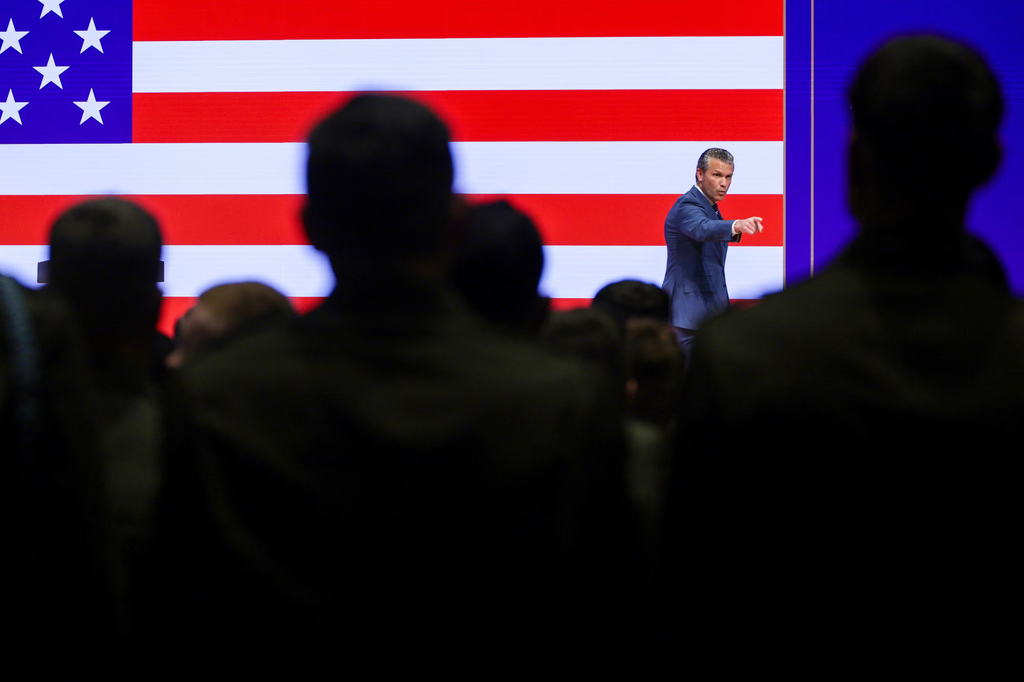
A massive political storm has hit Washington, and Defense Secretary Pete Hegseth is standing right in the center of it. Following a devastating sweep for the Republican Party in the midterm elections, party leaders and lawmakers are searching for answers. More specifically, they are searching for someone to hold accountable.
Despite Donald Trump publicly defending his chosen defense chief, serious fractures are tearing through Capitol Hill. Lawmakers are openly blaming the escalating military campaign in Iran and cultural controversies within the armed forces for alienating voters at the ballot box. With impeachment resolutions already lined up and whisper networks suggesting replacements, Hegseth’s position at the Pentagon has never looked more vulnerable.
The Election Hangover: How a “Red Wave” Turned Into a GOP Defeat
Heading into the midterm cycle, expectations were remarkably high. Party operatives promised a decisive defense of conservative control, relying on core issues like border policy and the economy to pull swing voters toward their side.
Instead, election night played out as an absolute disaster for the GOP. Key legislative districts flipped across the country, erasing narrow margins in the House and shaking up the balance of power in the Senate.
Voters sent an undeniable message: they were exhausted by foreign conflict, rising energy costs tied to overseas turmoil, and nonstop political infighting. As soon as the numbers rolled in, party members realized that defending the current path was no longer an option. Before the final votes were even tallied, the finger-pointing began.
The $0 Secret To Launching Your Entire Online Empire
Why pay hundreds every month for separate software? Build funnels, send emails, and make sales with Systeme.io completely free.
Get Started For $0Free Forever • No Credit Card Needed • Beginner-Friendly
Why Is Pete Hegseth Getting the Blame?
In politics, every major defeat requires a scapegoat, and Defense Secretary Pete Hegseth fits the profile for frustrated lawmakers looking to divert public anger away from the party leadership.
1. The Shadow of the Iran War
Foreign policy rarely decides American midterms, but 2026 became a dramatic exception. Hegseth has stood out as one of the loudest proponents of aggressive military action in the Middle East. For months, the military carried out aggressive actions, including major strikes in regional waters that sent shockwaves through international oil markets.
When the White House launched military operations against Iran, officials insisted it would show strength. Instead, the conflict dragged on, and voters linked military actions overseas directly to their shrinking paychecks at the gas pump. By the time voters hit the polling booths, the cost of an ongoing war outweighed campaign slogans.
Prior to the vote, analysts had warned about geopolitical instability, pointing directly to how U.S. strikes on Iranian oil tankers and repeated combat engagements in the Persian Gulf were testing voter patience.
2. Upheaval Inside the Pentagon
Beyond overseas battles, Hegseth’s domestic leadership style has divided lawmakers. From the moment he took office, Hegseth made it his personal mission to reshape the Pentagon’s culture, targeting programs he labeled “woke” and challenging traditional military leadership.
While that message fired up party activists at rallies, it alarmed moderate voters and defense veterans. Reports of friction between Hegseth and career military officials became public knowledge. High-profile internal disputes, such as Army Secretary Dan Driscoll resigning over Pentagon clashes, created an impression of disarray at the top level of national defense.
Earlier reports on how Pete Hegseth’s culture war focus disrupted Army progress revealed growing anxiety among senior brass that political wars were taking focus away from actual military readiness.
3. Sharp Public Divides Within the GOP
The blame game is not just coming from Democrats. Conservative politicians are actively distancing themselves from the defense secretary’s rhetoric.
Vice President JD Vance went as far as acknowledging the impact of the war, stating on social media that the conflict was a driving factor behind their electoral beating. When top figures inside the executive branch begin pointing at military conflict as the source of their problems, the cabinet secretary running that war inevitably ends up in the crosshairs.
Donald Trump’s Stance: Standing by His Man or Playing for Time?
Donald Trump’s immediate reaction was to defend his Defense Secretary. Speaking to reporters right after the midterm results, Trump was direct, stating that he thinks Hegseth is doing “a very good job” and rejecting claims that a firing was imminent. White House representatives quickly followed up, releasing statements insisting that the president maintains full confidence in Hegseth.
Yet seasoned observers of Washington politics know that a public vote of confidence can be fleeting.
Behind closed doors, discussions are reportedly far more tense. Reports indicate that close advisers have begun assessing the fallout, debating whether keeping Hegseth will poison the administration’s legislative agenda for the next two years.
Some aides have suggested shifting public blame onto senior military commanders, including Central Command leaders, to shield cabinet officials. At the same time, names for potential replacements are already circulating through Washington. Figures like outgoing Florida Governor Ron DeSantis have been floated as candidates who could clear the Senate during a transition window to restore stability.
For readers following party dynamics, the panic inside the Republican party over midterms was already visible weeks before voters actually went to the polls.
The Impeachment Threat: What Happens in Congress Next?
The political battlefield now moves straight to Capitol Hill. With the election over, lawmakers are preparing to take formal action against the Defense Secretary.
Send, Spend & Hold Money Worldwide Without Hidden Fees
Transfer money internationally at the real exchange rate and hold 40+ currencies in one account.
Open a Wise AccountMid-market rate • Fast transfers • 40+ currencies
Kentucky Representative Thomas Massie has already announced plans to force an impeachment vote against Hegseth as soon as lawmakers return to the chamber. Massie, who has long expressed skepticism over foreign interventions, filed multiple articles of impeachment taking direct aim at the administration’s handling of the Iran conflict and Hegseth’s leadership decisions.
This creates a serious dilemma for House Republicans:
- If they vote against an impeachment inquiry, they risk appearing disconnected from voters who just rejected their foreign policy record.
- If they vote in favor of punishing Hegseth, they openly break with Donald Trump and trigger an all-out civil war within their own party.
On the other side of the aisle, Democrats who are taking control of congressional committees are eagerly preparing aggressive investigations. Representative Adam Smith, the incoming leader of the House Armed Services Committee, promised that Congress will launch strict oversight on the Pentagon. Lawmakers plan to probe military operations, internal personnel purges, and the handling of defense intelligence.
Even if an impeachment resolution does not remove Hegseth from office, months of high-profile hearings could keep the administration on defense continuously.
The Broader Fallout for American Foreign Policy
The political clash over Hegseth is not just a personal drama; it marks a pivotal moment for United States military strategy.
For months, the administration walked a difficult line: promising to keep America out of “forever wars” while simultaneously executing deep military engagements in the Middle East. When public approval of those operations plummeted, that balance collapsed.
The recent election results show that the American public is increasingly resistant to prolonged overseas engagements. With gas prices high, domestic budgets squeezed, and economic uncertainty lingering, voters showed little appetite for open-ended military commitments.
If Hegseth is forced out or sidelined, it will likely signal a forced retreat from aggressive foreign actions. The administration may be compelled to dial back operations in the Middle East, seek diplomatic exit ramps, and focus on domestic economic priorities to regain public support before the next presidential election cycle.
Frequently Asked Questions (FAQs)
Why are Republicans blaming Pete Hegseth instead of other officials?
Because Hegseth leads the Pentagon and was a primary champion for military strikes against Iran, an issue that proved deeply unpopular with voters during the midterms. His public focus on culture wars within the military also created friction that lawmakers believe hurt them with independent voters.
Is Donald Trump planning to fire Pete Hegseth?
Trump has publicly denied plans to fire Hegseth, stating that he believes the defense chief is doing a good job. However, reports confirm that internal discussions are underway among White House advisers regarding Hegseth’s long-term political viability.
The $0 Secret To Launching Your Entire Online Empire
Why pay hundreds every month for separate software? Build funnels, send emails, and make sales with Systeme.io completely free.
Get Started For $0Free Forever • No Credit Card Needed • Beginner-Friendly
Can Congress actually impeach a Defense Secretary?
Yes. The United States Constitution allows Congress to impeach and remove civil officers of the federal government, including cabinet members. An impeachment vote requires a simple majority in the House and a two-thirds majority in the Senate for removal.
Who could replace Hegseth if he steps down?
Several prominent conservative figures have been mentioned in media reports, including outgoing Florida Governor Ron DeSantis, who has military experience and could theoretically navigate a confirmation process.
The coming weeks will determine whether Pete Hegseth survives the political storm or becomes the primary casualty of a bruised Republican party. While Donald Trump’s public backing provides a temporary shield, the pressure from congressional leaders, looming impeachment motions, and public outrage over military spending will test that loyalty to its absolute limits.
