
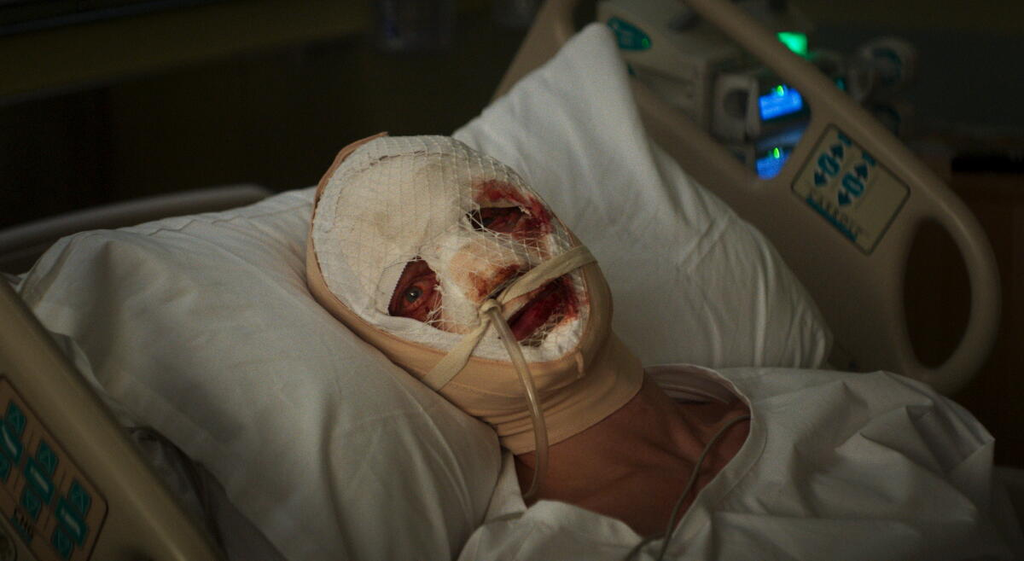
DC Studios cannot seem to catch a quiet break. Just when fans and industry watchers thought the comic book movie landscape had settled into a steady rhythm, new box office tracking numbers dropped like an anvil.
Early presale data reveals that the upcoming R-rated horror project, Clayface, is pacing roughly 80% behind the advance ticket sales of Supergirl. That comparison hurts because Supergirl already stands as one of the most painful commercial misfires in recent DC history.
When tracking services look at theater receipts weeks ahead of a release, an 80% collapse looks like an emergency siren going off inside Warner Bros. and Skydance executive suites. Early projections now suggest the film could open anywhere between $20 million and $29 million domestically. To casual observers, that number reads like a total disaster.
The full story is not quite that simple. Box office tracking is a tricky game, especially when a studio takes an iconic Batman villain and drops him directly into a dark, low-budget body horror film.
The Raw Data: How the 80% Presale Crash Happened
Tracking ticket sales is standard practice for Hollywood analytics firms. Sites like Box Office Theory monitor seat reservations across major theater chains including AMC, Regal, and Cinemark to gauge opening weekend demand.
The $0 Secret To Launching Your Entire Online Empire
Why pay hundreds every month for separate software? Build funnels, send emails, and make sales with Systeme.io completely free.
Get Started For $0Free Forever • No Credit Card Needed • Beginner-Friendly
Fifteen days before its scheduled premiere, Clayface had sold barely one-fifth of the preview tickets that Supergirl managed at the identical point in its sales cycle. In box office terms, that is an 80% drop in opening buzz.
Supergirl opened softly, struggled with international receipts, and exited theaters well short of recouping its enormous production and marketing costs. When a new DC project tracks significantly behind a known flop, alarm bells ring across social media and film industry blogs.
Industry analysts from Boxoffice Pro originally projected Clayface to debut between $23 million and $33 million. With weaker advance bookings coming in from multiple regional theater chains, conservative box office models now hover around a flat $20 million opening frame.
For an intellectual property connected to the Batman universe, a $20 million start sounds tiny. In comparison, standard comic book blockbusters routinely budget for $70 million, $90 million, or even $150 million opening weekends. Seeing numbers that resemble an independent mid-tier movie has sent comic book forums into full panic mode.
Why Comic Book Movies and Horror Movies Sell Tickets Differently
To understand what is happening here, look at how different movie audiences actually purchase their tickets. Comparing a traditional superhero movie to a niche horror film creates a major blind spot.
The Pre-Order Culture of Superhero Fandom
Mainstream superhero releases depend heavily on fan hype. Marvel and DC fans buy advance tickets weeks ahead of time. They want the best center seats in Dolby or IMAX theaters to avoid spoilers on social media.
A high-profile superhero film often makes up to 60% or 70% of its entire opening weekend revenue strictly through opening Thursday previews and advance presales. If a traditional superhero movie has poor presale numbers two weeks out, it usually means the general public has checked out.
The Walk-Up Power of Horror Audiences
Horror fans operate under completely different habits. People rarely buy tickets two weeks in advance for a scare flick. Instead, horror is famously driven by spontaneous walk-up crowds.
Groups of teenagers, college students, and couples show up at the theater box office on Friday or Saturday night, look at the showtimes, and buy whatever scary film is starting next. Recent genre hits like Smile, Barbarian, and Terrifier showed weak advance presales days before release, only to explode over the weekend once word of mouth hit the internet.
While Clayface is trailing comic book blockbusters, its preview pace is actually running over 70% ahead of several notable horror peers, such as Evil Dead Burn. The movie exists in a weird middle ground: it carries the DC brand, but it looks and sounds like a pure horror release. That confusion throws standard tracking formulas completely out of alignment.
The $40 Million Budget: The Detail That Changes Everything
Headlines focusing on an “80% drop” miss the single most critical factor in modern movie business: the production budget.
A box office number is only good or bad in direct relation to how much money the studio spent to make the film. When Supergirl struggled, it was carrying an estimated budget north of $200 million, alongside an enormous worldwide marketing campaign. A movie with that kind of price tag must make at least $500 million to $600 million globally just to break even after theater owners take their 50% cut.
Clayface was built on an entirely different financial foundation.
- DC Studios produced Clayface for a lean, reported production budget of around $40 million to $50 million.
- The film uses practical gore effects, real locations, and claustrophobic staging rather than city-level computer-generated destruction.
- The typical Hollywood formula says a theatrical release needs to earn approximately 2.5 times its production budget to break even.
- That places the break-even line for Clayface around $100 million to $120 million globally.
If Clayface opens at $20 million domestically and legs out to $50 million or $60 million in North America, while pulling in another $60 million internationally, it reaches safety. If reviews are strong and walk-up horror audiences push it toward a $30 million debut, the film becomes cleanly profitable before it ever lands on home video or streaming platforms.
A $20 million opening on a $200 million film is a catastrophe that ends executive careers. A $20 million opening on a $40 million film is a quiet, manageable entry that gives the studio room to breathe.
Send, Spend & Hold Money Worldwide Without Hidden Fees
Transfer money internationally at the real exchange rate and hold 40+ currencies in one account.
Open a Wise AccountMid-market rate • Fast transfers • 40+ currencies
Mike Flanagan and the Shift Toward True Body Horror
Much of the public curiosity around Clayface stems from its creative team. Rather than treating the character as a giant CGI mud monster who smashes buildings in Gotham City, the production leaned on acclaimed horror filmmaker Mike Flanagan to help shape the story.
Flanagan made his name directing masterclasses in psychological dread, including The Haunting of Hill House, Midnight Mass, and Doctor Sleep. Bringing his sensibility into the Batman rogues gallery signals a major change in tone for DC Studios.
The Tragedy of Basil Karlo
In classic comic lore, Basil Karlo is an aging B-movie actor who is terrified of losing his looks, his fame, and his relevance. In an act of desperation, he turns to an experimental chemical face cream to preserve his youth. The substance mutates his body, turning his skin and flesh into malleable, melting clay.
The script treats this setup not as an action spectacle, but as a tragic Hollywood body horror piece reminiscent of David Cronenberg’s The Fly. It explores:
- The psychological nightmare of physical decay and losing control of one’s identity.
- The dark, exploitative nature of old-school studio Hollywood.
- Unflinching, practical transformation scenes designed to make audiences squirm rather than cheer.
By stripping away superhero tropes, the filmmakers crafted a hard R-rated character study. That creative choice automatically cuts off the lucrative family audience. Parents will not be bringing children to see Clayface on a Saturday afternoon. That alone cuts initial ticket volume significantly, which explains why general public awareness sat at just 32% in recent tracking surveys.
Among moviegoers who actually knew the film existed, however, 21% stated they planned to buy a ticket on opening weekend. That rate is nearly double the standard conversion metric for mid-budget releases, showing that while the potential audience is smaller, they are exceptionally dedicated.
Real Theatrical Obstacles: The Loss of Premium Screens
While the modest budget protects Clayface from becoming a financial ruin, the film still faces real headwinds at multiplexes this October. The box office landscape is crowded, and physical theater real estate is limited.
No IMAX Footprint
One of the largest hits to the movie’s presale revenue is the complete absence of premium large-format screens. Studio scheduling clashes forced Clayface off IMAX and prime Dolby Cinema screens, which were locked down by rival releases including Street Fighter.
IMAX tickets carry a heavy surcharge, often costing $5 to $10 more per seat than standard 2D digital projections. In modern theatrical tracking, premium screens account for up to 25% of an opening weekend’s total dollar volume. Without high-ticket premium auditoriums boosting early grosses, every dollar Clayface earns must come from standard, lower-priced seats.
Direct Box Office Competition
October is prime real estate for theatrical releases leading into Halloween. Clayface is opening directly against stiff counter-programming, including Laika’s animated dark fantasy Wildwood, which is tracking for a $10 million to $15 million opening among family crowds.
The $0 Secret To Launching Your Entire Online Empire
Why pay hundreds every month for separate software? Build funnels, send emails, and make sales with Systeme.io completely free.
Get Started For $0Free Forever • No Credit Card Needed • Beginner-Friendly
Meanwhile, horror fans are juggling several seasonal options across the month. If reviews for Clayface are only mediocre, genre fans will wait for streaming, leaving theatrical receipts stranded near the low-end $20 million floor.
What Studio Insiders Are Saying
Even with a manageable budget, corporate politics are intense. Warner Bros. Discovery and Skydance have faced severe scrutiny from Wall Street over entertainment spending and theatrical returns.
Recent reporting from industry insiders suggests that studio leadership has little patience for projects that simply break even. Under new management, breaking even is increasingly treated as a missed opportunity. An insider recently noted that with studio schedules tightening, every single movie on the slate is expected to generate meaningful theatrical profit, not just cover its basic expenses.
The pressure on Clayface is less about avoiding bankruptcy and more about proving that DC Studios can diversify its output. James Gunn has repeatedly stated that DC projects should not look, feel, or sound identical. He wants some releases to feel like sprawling sci-fi adventures, while others feel like tight, R-rated genre exercises.
If Clayface underperforms and fails to cross $100 million worldwide, critics will argue that superhero studios should stop trying to make mid-budget horror films. If it succeeds, it will open the door for more filmmakers to take creative risks with obscure comic book villains without needing a $200 million safety net.
Breaking Down the Opening Weekend Scenarios
When the final box office numbers roll in after opening weekend, the results will fall into one of three realistic paths:
Scenario 1: The Low-End Freeze (Under $20 Million)
In this scenario, advance tracking proves accurate, and walk-up traffic fails to materialize. Casual Batman fans skip the film because it feels too dark or detached from the wider DC Universe, while horror fans choose other seasonal releases.
A debut in the $16 million to $19 million range would leave the studio relying heavily on international markets and home digital rentals to claw back its investment. It would officially mark the lowest opening weekend ever for a modern DC theatrical release.
Scenario 2: The Middle Road ($20 Million to $26 Million)
This remains the most probable outcome based on current Box Office Theory calculations. Diehard DC enthusiasts show up on Thursday and Friday, while standard horror moviegoers provide steady business through Saturday night.
A domestic run ending around $55 million, combined with $60 million from international territories, would push the movie past $115 million worldwide. That clears the break-even threshold cleanly and generates modest theatrical profits.
Scenario 3: The Horror Breakout ($30 Million+)
If critical reviews are glowing and social media clips praise the film’s practical body horror, Clayface could beat tracking models entirely. Word of mouth spreads quickly across opening weekend.
A debut above $30 million against a $40 million budget would instantly make the film an undisputed commercial hit, cementing Mike Flanagan’s genre approach as a winning formula for DC.
Frequently Asked Questions (FAQs)
What is the budget for the new Clayface movie?
Clayface has a reported production budget of approximately $40 million to $50 million. This is remarkably small compared to standard superhero tentpoles, which typically cost between $150 million and $250 million to produce.
Why are Clayface presales tracking so far behind Supergirl?
Clayface presales are pacing roughly 80% behind Supergirl because the two movies target entirely different demographics. Superhero tentpoles rely on massive advance ticket presales from comic fans weeks before release. Clayface is an R-rated horror film, and horror audiences traditionally purchase their tickets at the theater counter on the night of the screening.
Is Clayface part of James Gunn’s main DC Universe?
Clayface was developed under the DC Studios banner led by James Gunn and Peter Safran. It is designed as a standalone, genre-specific horror project that focuses on Basil Karlo rather than serving as a standard crossover blockbuster.
Will Batman appear in the Clayface film?
The film is laser-focused on Basil Karlo’s personal descent into madness and body horror. The story centers on the tragic origin of the villain inside the entertainment world, rather than a classic hero-versus-villain showdown.
What does Clayface need to make to become profitable?
Using the traditional 2.5x theatrical multiplier to cover production costs, theater cuts, and marketing, Clayface needs roughly $100 million to $120 million at the worldwide box office to achieve profitability.
Box office tracking will always produce eye-catching headlines, but numbers without financial context rarely tell the whole truth. A drop of 80% behind a previous release sounds catastrophic on paper, but a $40 million horror movie does not need to perform like a $200 million summer blockbuster to succeed.
The coming days will show whether spontaneous walk-up crowds and horror enthusiasts can push ticket sales past early projections. The real test will not be won or lost in advance booking apps, but at theater box office windows when the lights go down this weekend.
