
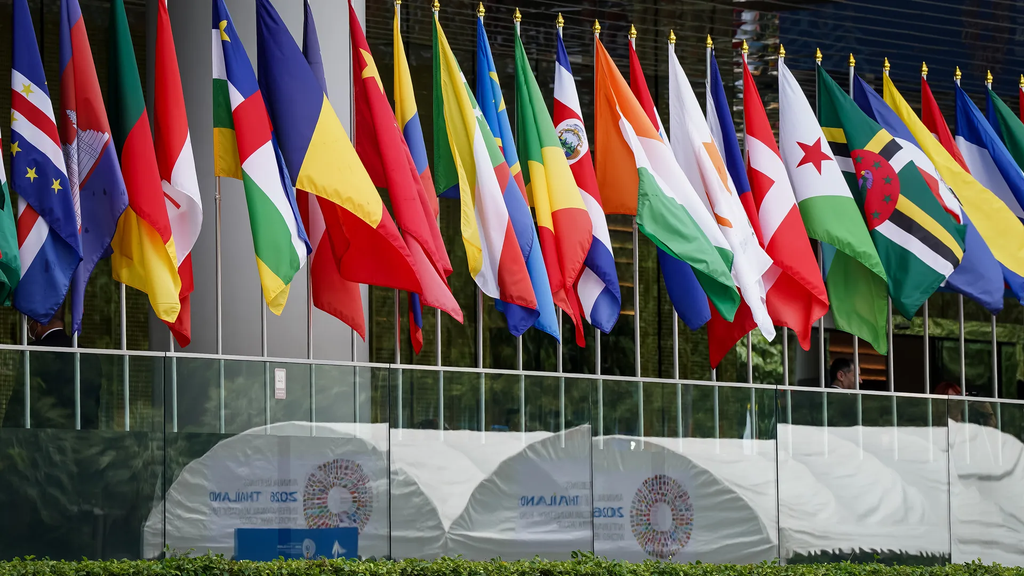
The International Monetary Fund has issued a blunt warning to governments, businesses, and everyday citizens: the global economy is rapidly approaching the outer limits of its resilience.
According to the latest IMF World Economic Outlook unveiled in Bangkok, the global financial system has survived an extraordinary series of shocks over the last several years. It held up against global health crises, geopolitical conflict in the Middle East, trade skirmishes, and stubborn price spikes.
The emergency shock absorbers that kept the world moving are practically worn down to the metal.
From drained emergency oil reserves to runaway government debt, the safety nets that policymakers relied on to cushion previous downturns are vanishing. If another major economic shock hits tomorrow, the world may not have the tools left to absorb the impact.
Here is what the IMF warning really means, why the foundation beneath our financial systems is cracking, and what it looks like for your personal finances.
The $0 Secret To Launching Your Entire Online Empire
Why pay hundreds every month for separate software? Build funnels, send emails, and make sales with Systeme.io completely free.
Get Started For $0Free Forever • No Credit Card Needed • Beginner-Friendly
What Does “Limits of Resilience” Actually Mean?
Resilience is an economy’s ability to take a massive punch and keep standing.
When a crisis strikes, a healthy economy dips into its backup reserves. Governments spend money they saved during good times to keep families afloat. Central banks lower borrowing costs to stimulate spending. Energy departments tap strategic oil supplies to keep gas from doubling in price overnight.
Over the past four years, world leaders have tapped those backup systems constantly.
The global economy has continued to grow—with the IMF projecting a modest expansion of 3.1% this year and 3.4% next year. Headline inflation remains stuck high across the globe at roughly 4.7%.
The problem is that the world did not generate this growth because the underlying fundamentals were strong. It managed to keep moving because countries emptied out their emergency savings accounts and burned through strategic stockpiles.
IMF Managing Director Kristalina Georgieva noted that while growth has not collapsed, uncertainty has become the new normal. The buffers are thin, the safety margins are gone, and policymakers are operating without a safety net.
1. Dwindling Energy Reserves: Running the Engine on Fumes
One of the loudest red flags raised by the IMF is the state of global energy reserves.
Over the past two years, repeated tensions around major shipping corridors, maritime chokepoints, and regional conflicts have threatened world fuel supplies. When energy prices threatened to surge past historic highs, major economies opened the valves on their strategic petroleum reserves to flood the market with cheap crude and calm prices down.
That strategy kept gas pumps from causing riots, but it created an even bigger hidden risk. Those strategic reserves are now sitting at multi-decade lows.
As geopolitical tensions continue, incidents like escalating Middle East strikes and tanker confrontations and disruptions where maritime shipping corridors face sudden capture can quickly derail fuel supplies.
If a fresh escalation closes shipping lanes again, governments will have very few emergency barrels left to release. Any new supply shock will hit wholesale fuel markets immediately, driving up gasoline, diesel, and home heating costs without any buffer to slow down the surge.
2. Mountains of Public Debt and Sky-High Borrowing Costs
The second pillar of the IMF warning centers on government balance sheets.
During previous downturns, governments acted like big spenders with limitless credit lines. They rolled out pandemic rescue checks, subsidized energy bills, funded green transitions, and gave businesses emergency loans.
Those checks came at a staggering price tag. Public debt around the world has climbed to eye-watering records. For example, the U.S. national debt crossing $40 trillion illustrates how deeply major governments have stretched their credit.
Borrowing massive sums of money is manageable when interest rates are sitting near zero. Today, borrowing costs are hovering near multi-decade highs.
Send, Spend & Hold Money Worldwide Without Hidden Fees
Transfer money internationally at the real exchange rate and hold 40+ currencies in one account.
Open a Wise AccountMid-market rate • Fast transfers • 40+ currencies
When long-term bond yields stay elevated, governments have to dedicate massive shares of tax revenues simply to pay interest on loans they took years ago. Even when central authorities attempt intervention, we see strange market reactions where treasury buyback programs fail to prevent yields from rising.
At the same time, geopolitical shifts have caused traditional buyers to hesitate, with reports showing major foreign creditors quietly trimming holdings of foreign government debt.
If a fresh recession hits today, governments cannot simply cut another round of relief checks without pushing their national finances toward a dangerous breaking point.
3. The AI Investment Boom: A Two-Edged Sword
If government debt is elevated and energy reserves are low, why has global growth stayed above 3%?
According to the IMF, the heavy lifting has been carried by a massive corporate spending spree on artificial intelligence.
Companies around the globe are pouring hundreds of billions of dollars into data centers, microchips, server farms, and specialized software. This tidal wave of capital expenditure has boosted international manufacturing, supported trade, and sent stock market valuations skyrocketing.
However, the IMF cautions that this dynamic has created dangerous market concentration.
Much of the world’s economic resilience is being propped up by a small handful of massive technology firms, located mostly in the United States. The entire expansion leans on the assumption that artificial intelligence will create unprecedented productivity gains to justify these massive financial bets.
There is already friction building on the ground. Communities and utilities are pushing back against the immense electricity and land demands of these infrastructure projects, leading to investor anxiety around growing pushback against AI data centers.
If artificial intelligence fails to produce real-world profits quickly enough, or if a sudden valuation reset hits the tech sector, the global economy could lose the primary engine currently keeping it afloat.
The $0 Secret To Launching Your Entire Online Empire
Why pay hundreds every month for separate software? Build funnels, send emails, and make sales with Systeme.io completely free.
Get Started For $0Free Forever • No Credit Card Needed • Beginner-Friendly
4. Sticky Inflation Traps Central Banks
For years, people looked forward to the moment central banks would declare victory over inflation and slash interest rates back down to make mortgages, car loans, and business lines cheaper.
The latest data shows that victory remains elusive.
While extreme post-pandemic inflation spikes cooled down, core inflation remains firmly stuck near 3.9% globally. Supply disruptions, higher freight charges, and energy volatility continue to filter into retail prices.
Because prices refuse to settle back to normal targets, central banks cannot easily lower rates. In fact, financial leaders have cautioned that inflation pressures could even prompt central bankers to consider rate hikes.
Central bankers are caught between two bad options:
- Cut interest rates to stimulate a weakening economy and risk setting off another uncontrollable inflation spiral.
- Keep interest rates painfully high to suppress inflation, even if it crushes consumer purchasing power and pushes businesses into bankruptcy.
5. Trade Wars and Broken Supply Chains
Another major source of strain on global resilience is the breakdown of open trade.
For decades, the global economy relied on frictionless international trade to keep goods affordable. If making a product at home was too expensive, companies bought parts from overseas partners who could produce them cheaper.
Today, that system has splintered. Protectionism, national security restrictions, and retaliatory tariffs have become standard political tools.
Consumers in North America and beyond are learning firsthand how escalating bilateral tariff wars drive up the real cost of living. From lumber and electronics to food and manufacturing components, tariffs act like an unavoidable sales tax on ordinary buyers.
When nations slap taxes on each other’s goods, factories pay more for materials and pass those expenses directly to store shelves. This economic friction makes the entire system slower, less adaptable, and far more prone to supply bottlenecks.
6. Developing and Emerging Economies Take the Hardest Blow
While wealthy nations feel the squeeze in the form of higher credit card interest and expensive groceries, developing economies are facing a much harsher crisis.
Emerging markets have to pay for imported energy, food, and fertilizer in foreign currency, mostly US dollars. When interest rates stay elevated in advanced economies, capital flows out of developing nations, weakening their local currencies.
A weaker domestic currency makes every barrel of imported fuel and every shipment of grain significantly more expensive.
In West Africa, for example, households have had to navigate headline inflation drops that mask stubborn, crushing food costs. At the same time, domestic businesses struggle with raw material shortages, creating conditions where GDP figures show growth while factory production quietly plunges.
When smaller, developing nations run out of fiscal space, they cannot simply print money or issue new debt to protect their most vulnerable populations. Millions of households end up absorbing the economic pain directly through skipped meals, lost jobs, and vanishing purchasing power.
How This Impacts Your Daily Life and Personal Budget
It is easy to tune out global economic reports because words like “fiscal consolidation,” “term premiums,” and “limits of resilience” sound like abstract policy chatter.
These high-level warnings describe real financial realities that affect your personal finances every single week:
Borrowing Costs Stay Painful
If you planned on taking out a mortgage, refinancing a student loan, or buying a car on credit, cheap borrowing is not returning anytime soon. High public debt forces lenders to demand higher interest returns, meaning banks will keep loan rates steep for consumers.
Everyday Living Costs Refuse to Drop
When energy reserves are depleted, any small conflict in an oil-producing region will cause immediate price hikes at the local pump. Higher transportation costs directly translate into pricier bread, eggs, vegetables, and consumer goods.
Job Security Shifts
As businesses face high borrowing costs, they can no longer expand blindly on cheap debt. Companies are becoming far more cautious with hiring, prioritizing cost cuts, automation, and lean teams over massive staff expansions.
Investment Volatility Increases
Because stock market growth is heavily dependent on a concentrated cluster of tech stocks, everyday retirement portfolios and index funds carry more vulnerability than they look on the surface. Any sudden stumble in the tech sector can pull broad market funds down with it.
Practical Steps to Build Your Own Personal Resilience
You cannot fix national debt or refill global oil reserves, but you can build your own financial shock absorbers before the next wave of volatility arrives:
Build a Cash Buffer
When the broader system lacks emergency funds, having personal savings becomes your most important asset. Stashing away three to six months of basic living expenses in an accessible, high-yield savings account protects you against unexpected car repairs, medical bills, or job transitions without resorting to high-interest debt.
Attack High-Interest Debt First
Carrying a balance on a credit card charging 22% or 25% interest is an emergency in a high-rate environment. Make a concerted plan to pay down variable-rate debt before tackling lower-interest loans. Every dollar of high-interest debt you eliminate is an instant guaranteed return on your money.
Diversify Your Income Streams
Relying on a single paycheck leaves you vulnerable if your industry faces unexpected layoffs. Look for ways to monetize existing skills through freelancing, consulting, or small digital projects on the side. Even an extra few hundred dollars a month can cushion the impact of rising utility bills and grocery costs.
Avoid Speculative Financial Traps
In uncertain markets, get-rich-quick investments become especially risky. Protect your hard-earned money by sticking to consistent, simple, long-term investments rather than chasing volatile meme stocks or untested assets that depend on continued hype.
Frequently Asked Questions
What did the IMF mean by saying the economy is nearing its “limits of resilience”?
The IMF means that the safety mechanisms that helped the world survive recent crises—such as emergency oil stockpiles, low interest rates, and spare government budget cash—are almost completely used up. If a new global emergency happens, economies will have very little protection left to prevent a severe economic downturn.
Is the world economy heading into an immediate global recession?
The IMF is not predicting an immediate global recession for 2026; in fact, its baseline forecast projects growth of 3.1% this year. It warns that the foundation beneath this growth is fragile. Any fresh shock—like an energy crisis or financial market sell-off—could quickly drag growth significantly lower.
Why is the artificial intelligence boom considered a risk by the IMF?
While massive spending on artificial intelligence has created jobs and lifted international trade, that growth is concentrated in a tiny group of tech corporations. If corporate AI investments take longer than expected to produce real profits, a sharp market drop could ripple through the entire financial system.
Why do government budget deficits affect my personal grocery bill?
When governments run massive deficits, they issue huge amounts of bonds to borrow cash. This pushes up overall borrowing costs and interest rates across the entire economy. High interest rates and heavy public spending also keep inflationary pressure alive, making shipping, packaging, and goods more expensive for retailers to stock.
What is the single best financial move to make right now?
The best single move is eliminating variable high-interest debt while setting aside a dedicated emergency savings fund. Having a cash reserve gives you the flexibility to handle price increases and market surprises without having to borrow at punishing interest rates.
The warning from the IMF serves as a timely reminder that the global financial system cannot run on emergency measures forever. Governments and central banks are running out of easy fixes, which means the responsibility of staying prepared falls directly onto ordinary households and small businesses.
Staying informed, cutting wasteful debt, and keeping your own financial buffers stocked are the best ways to stay steady no matter what happens in the wider market.
Have questions, suggestions, or a story tip you want us to cover? Reach out to our team directly through our Contact Page.
Join the conversation and stay connected with our latest updates across our social community on Instagram, Facebook, and X.
