
Driving across Canada is one of the ultimate open-road adventures on Earth. The country stretches nearly 10,000 kilometers from the Pacific Ocean in British Columbia to the Atlantic shore in Newfoundland. That distance is roughly the same as driving across Western Europe and back again.
Underestimating the sheer scale of the landscape is easy. You can drive for twelve hours straight through Northern Ontario and still be in the exact same province. Without a solid plan, a cross-country drive can quickly turn into a grueling marathon of empty gas tanks, expensive last-minute hotel stays, and endless driving fatigue.
Planning every step carefully keeps your trip smooth, safe, and fun. Here is everything you need to know about setting up a realistic route, keeping fuel costs down, avoiding dangerous weather, and enjoying every single mile.
Plan Your Route Based on Time, Not Just Distance
Trying to see the entire country in two weeks is a classic mistake. If you only have seven to ten days, pick one specific region instead of driving coast to coast. Driving across the whole nation takes at least three to four weeks if you want to enjoy the places you visit.
The primary highway across the nation is the Trans-Canada Highway, also known as Highway 1. It links major cities and scenic regions from Victoria, British Columbia, all the way to St. John’s, Newfoundland. Another great option is the Yellowhead Highway, which takes a northern path through Edmonton, Saskatoon, and Jasper National Park.
The $0 Secret To Launching Your Entire Online Empire
Why pay hundreds every month for separate software? Build funnels, send emails, and make sales with Systeme.io completely free.
Get Started For $0Free Forever • No Credit Card Needed • Beginner-Friendly
Break your overall journey into distinct regional segments:
The Pacific Coast and Rocky Mountains
This leg takes you from Vancouver through the dramatic interior of British Columbia into Banff and Jasper National Parks in Alberta. Expect winding mountain roads, glacier lakes, and incredible wildlife.
The Canadian Prairies
Stretching across Alberta, Saskatchewan, and Manitoba, this section features wide-open skies, endless farmland, and vibrant cities like Calgary, Regina, and Winnipeg. The driving here is straightforward, but winds can be strong.
Northern Ontario Loop
Driving around Lake Superior from Thunder Bay down toward Sudbury and Toronto is one of the longest legs of the trip. The views of the lake are stunning, but distances between towns are large, and cellular service is limited.
Quebec and the Atlantic Coast
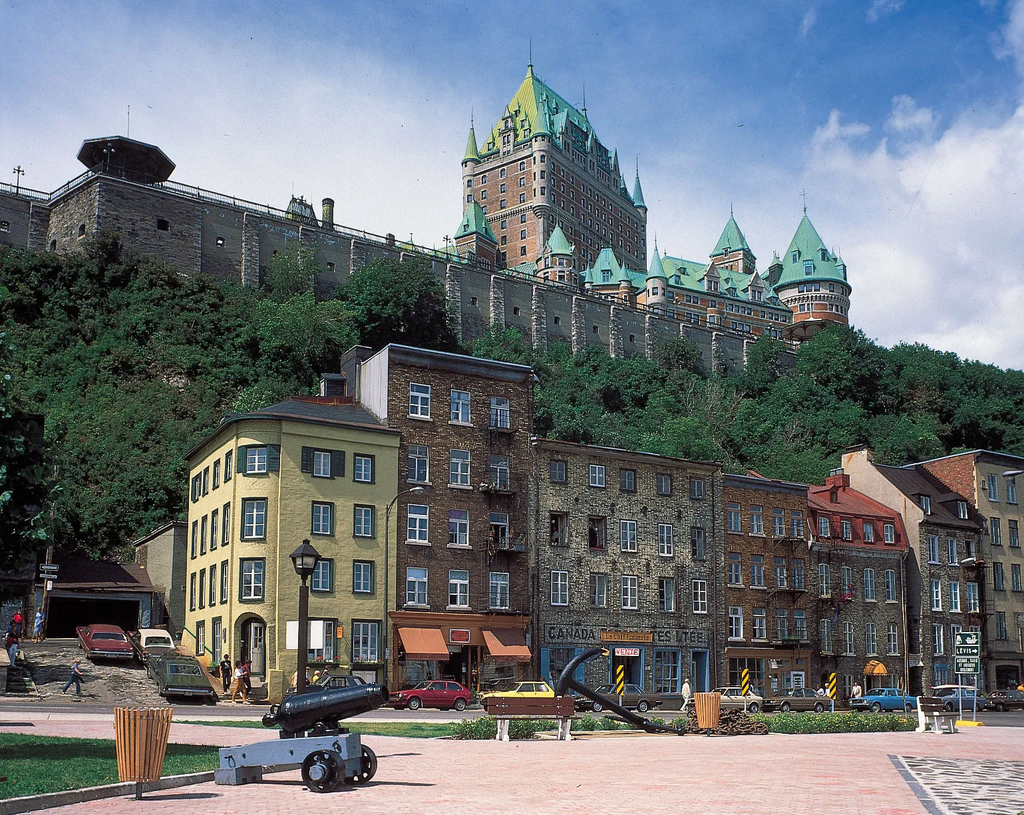
Heading east through Montreal and Quebec City leads into New Brunswick, Nova Scotia, Prince Edward Island, and Newfoundland. This region offers coastal driving, historical European-style architecture, and fresh seafood.
Set a strict daily driving limit. Covering 500 to 700 kilometers per day is plenty. Starting early in the morning lets you arrive at your destination by late afternoon so you can explore, eat a good dinner, and rest without driving in the dark.
Choose the Best Time of Year to Travel
Timing shapes your entire driving experience. Canada has four distinct seasons, and winter weather can linger far longer than expected in mountain passes and northern regions.
Summer (July and August)
Summer brings warm weather, fully open mountain passes, long daylight hours, and active seasonal attractions. It is the most popular time for a road trip. The downside is higher accommodation prices, heavy traffic in national parks, and crowded campsites.
Shoulder Seasons (May to June, September to October)
Spring and autumn offer cooler weather, smaller crowds, and lower prices for hotels and car rentals. Autumn is particularly beautiful in Eastern Canada, where forest leaves turn brilliant shades of red and orange. Be aware that some mountain trails and rural tourist spots close early in October.
Winter (November to April)
Driving cross-country in winter requires serious preparation. Heavy snowstorms, icy highways, freezing rain, and extreme cold temperatures make long-distance travel risky. If you travel during winter, your vehicle must have dedicated winter tires, an emergency winter survival kit, and flexible plans in case highways close due to blizzards.
Pick the Right Vehicle and Rental Option
Your choice of vehicle affects your comfort, gas budget, and where you can sleep.
If you drive your own car, take it to a mechanic for a complete inspection at least two weeks before leaving. Ask them to inspect the brakes, tires, battery, suspension, and all fluid levels. Replacing worn brake pads or aging tires before you hit the road prevents costly breakdowns in middle-of-nowhere towns.
If you rent a vehicle, compare options between a standard sedan, an SUV, and a campervan or RV:
- Sedans and Hatchbacks: These are the most fuel-efficient vehicles. They work great if you plan to stay in hotels, motels, or airbnbs and stick to paved highways.
- SUVs and Crossovers: An SUV offers extra ground clearance, better traction during rain or light snow, and plenty of room for heavy luggage or camping gear.
- Campervans and RVs: A campervan gives you a kitchen and bed on wheels. This setup allows you to stay at scenic campgrounds, but gas costs will be significantly higher, and maneuvering large vehicles through city centers like Toronto or Montreal can be tricky.
Look for rental agencies that allow one-way rentals without charging massive drop-off fees. Flying into Vancouver and dropping the car off in Halifax saves you from making the long drive back.
Budget Smartly and Save Money on Fuel
Fuel will likely be your largest expense. Fuel prices vary significantly between provinces. Gas in Alberta is usually cheaper than in British Columbia or Quebec due to provincial tax differences.
Send, Spend & Hold Money Worldwide Without Hidden Fees
Transfer money internationally at the real exchange rate and hold 40+ currencies in one account.
Open a Wise AccountMid-market rate • Fast transfers • 40+ currencies
Keep fuel costs down with these practical steps:
- Fill Up Early: In remote parts of Northern Ontario or rural Western Canada, gas stations can be hundreds of kilometers apart. Make it a strict habit to fill up whenever your tank reaches half empty.
- Use Fuel Apps: Download apps like GasBuddy to compare gas prices at upcoming stations along your route so you do not overpay.
- Get a National Park Pass: If you plan to visit multiple national parks, buy an annual Parks Canada Discovery Pass. A single annual pass covers unlimited admission to over 80 national parks and historic sites for an entire vehicle load of people, saving you money over individual daily entry fees.
- Pack a Food Cooler: Eating at roadside restaurants three times a day drains your wallet fast. Buy a portable cooler, stock up at local grocery stores, and prepare your own lunches, fruits, and cold drinks at picnic stops along the highway.
If you love using modern software tools to optimize your travel budgets and itineraries, checking out resources on technology and AI can give you great ideas for travel apps and digital expense trackers.
Book Accommodations and Campsites in Advance
Finding a place to sleep on short notice during peak summer months can be tough. Popular destinations like Banff, Jasper, and Prince Edward Island often sell out months in advance.
Mix up your stays to balance your comfort and your budget:
Provincial and National Park Campgrounds
Camping in national or provincial parks is the cheapest and most scenic way to travel. Parks Canada offers unique stays like oTENTiks, which are hybrid frame-tents with real beds and wooden floors. Book campsites as soon as reservations open in early spring.
Budget Motels and Roadside Hotels
Motels along highway exits offer clean rooms, free parking, and quick morning departures. They are ideal for nights when you just need a comfortable bed after a long day of driving.
Staying Flexible in the Off-Season
If you travel in late spring or autumn, you can stay more flexible. Booking hotel rooms just a day or two in advance gives you room to change your route if you discover an interesting detour or run into bad weather.
Prepare for Remote Areas and Weak Cellular Service
Cellular service in Canada is reliable in cities and major towns, but huge gaps exist along rural highways. You will lose phone signal for hours at a time in places like the Canadian Rockies, Northern Ontario, and rural parts of the Prairies.
Never rely solely on live online navigation tools:
- Download Offline Maps: Download offline maps onto your smartphone using apps like Organic Maps or Google Maps before you depart. This ensures your GPS navigation keeps working even when you have no cellular signal.
- Carry a Paper Map: Keep a detailed physical highway map in your glove box as a reliable backup.
- Monitor Road Conditions: Check provincial highway hotlines every morning for construction updates, road closures, or weather warnings. Use official weather tracking tools like WeatherCAN to stay informed about sudden storms or fog.
Pack a complete vehicle emergency kit in your trunk. Your kit should include a portable jump-starter battery bank, tire pressure gauge, first aid supplies, flashlight, extra drinking water, non-perishable food, heavy blankets, and basic hand tools.
The $0 Secret To Launching Your Entire Online Empire
Why pay hundreds every month for separate software? Build funnels, send emails, and make sales with Systeme.io completely free.
Get Started For $0Free Forever • No Credit Card Needed • Beginner-Friendly
Respect Wildlife and Drive Safely
Canada is home to large wildlife such as moose, elk, deer, black bears, and grizzly bears. Encounters on or near highways are common, especially in forested and mountainous areas.
Keep these safety rules in mind while driving:
- Avoid Night Driving: Animals like moose and deer are most active at dawn, dusk, and during the night. Moose are tall, dark, and difficult to spot in headlights until you are very close.
- Watch the Shoulders: Scan the sides of the road continuously while driving through forested corridors. If you see one animal cross, slow down immediately, as others often follow close behind.
- Keep Your Distance: If you spot bears or elk grazing near the side of the road, do not get out of your vehicle. Stay inside, keep your windows rolled up, and keep moving slowly so you do not cause traffic jams or stress the animals.
Enjoy Roadside Attractions and Local Foods
A great road trip is about more than just logging miles on the highway. Taking breaks to stretch your legs at quirky roadside monuments keeps driving fun and keeps fatigue away.
Look out for famous roadside stops, like the Giant Nickel in Sudbury, Ontario, or the World’s Largest Axe in Nackawic, New Brunswick. Stopping at local farm stands in the autumn for fresh apple cider and homemade soups is another great way to stretch your legs.
Take time to enjoy iconic Canadian foods in different regions:
- Poutine in Quebec: Try fresh hand-cut fries topped with hot gravy and squeaky cheese curds at local roadside stands known as casse-croûtes.
- Saskatoon Berry Pie: Stop at local bakeries on the Prairies for fresh pie made from sweet local berries.
- Seafood in the Maritimes: Enjoy fresh lobster rolls, clam chowder, and pan-fried cod along the Atlantic coast.
Many content creators film these culinary stops and scenic views to share with global audiences online. If you produce travel videos or run an online content channel while traveling, learning about youtube automation can help you organize, edit, and publish your trip vlogs efficiently while you focus on the road.
Frequently Asked Questions
How long does it take to drive completely across Canada?
Driving across Canada non-stop covers roughly 7,000 to 8,000 kilometers depending on your exact start and end points. Driving without long stops takes about seven to eight full days of ten-hour driving. However, to enjoy the trip, explore national parks, and visit cities, plan for at least three to four weeks.
How much money do you need for a Canadian road trip?
Costs vary based on your accommodation choices and vehicle fuel efficiency. On average, a two-week road trip for two people costs between $2,500 and $5,000 USD. Camping and preparing your own food lowers costs significantly, while hotels, rental cars, and restaurant dining increase the total budget.
What is the best month to do a road trip across Canada?
July and August offer the best combination of warm weather, long daylight hours, and fully open mountain roads. If you want fewer crowds and lower accommodation prices, late May, June, and September are ideal months to travel.
Can you camp for free along Canadian highways?
Free camping, often called crown land camping, is permitted for Canadian residents on public land in certain provinces. However, non-residents face strict rules and permits depending on the province. Pitching a tent at highway rest stops or in national park parking lots is illegal. Stick to official campgrounds or designated RV sites to avoid fines.
Do you need an SUV or 4WD vehicle for a Canada road trip?
In late spring, summer, and early autumn, a standard two-wheel-drive sedan or hatchback is perfectly fine for all paved highways. An SUV or 4WD vehicle is only necessary if you plan to travel in deep winter, drive extensive gravel logging roads, or tow a heavy trailer through mountain passes.
Planning a trip across Canada takes time, but setting a realistic schedule, monitoring the weather, and staying safe on remote stretches turns a long drive into an incredible adventure.
To learn more about our team and what we do, visit our about page. If you have travel tips or questions, reach out through our contact page. You can also stay connected with us on Instagram, follow our updates on Facebook, or join the discussion on X.
