
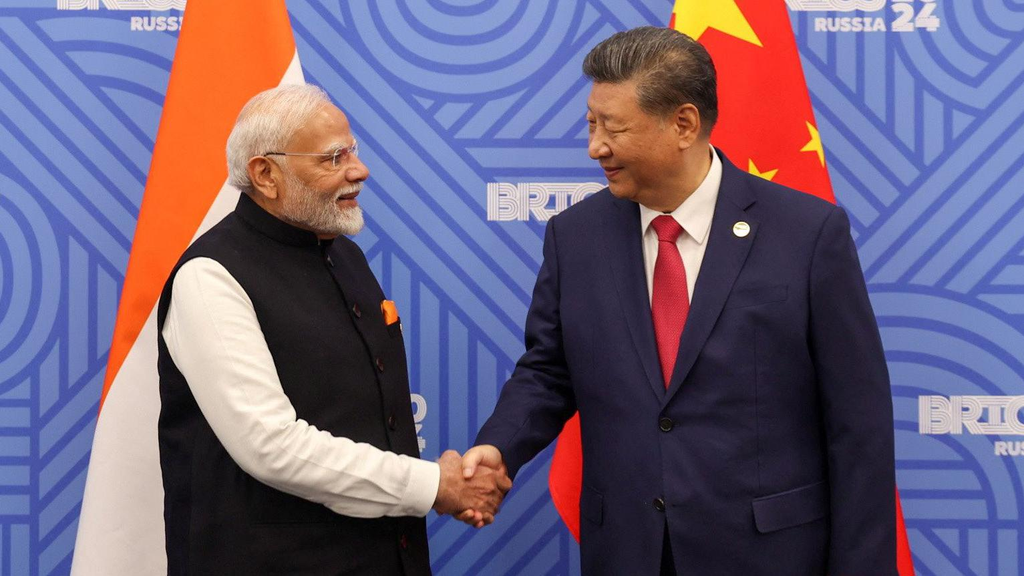
Chinese President Xi Jinping has officially left Beijing and arrived in New Delhi for the 18th BRICS summit. This marks a major moment in international politics, as it is his first visit to India since 2019. He joins other prominent leaders, including Indian Prime Minister Narendra Modi, Russian President Vladimir Putin, and Iranian President Masoud Pezeshkian, to discuss issues that affect the entire global economy.
These leaders are meeting during a period of intense global upheaval. Ongoing conflicts in the Middle East and Ukraine are dominating the conversation. Alongside these wars, the summit is tackling global trade turbulence and energy security. This is a critical meeting that could reshape how countries trade, handle energy resources, and interact with Western nations.
We will break down what is happening at this summit, why it matters to the global economy, and how these high-level discussions eventually impact everyday life. For more detailed coverage on the initial news, you can read the primary report from Al Jazeera.
What Exactly is the BRICS Summit?
For those who do not follow international politics closely, BRICS is an acronym for a group of major emerging economies. The bloc originally included Brazil, Russia, India, China, and South Africa. Recently, it expanded to include 11 nations, making it an even more powerful force on the global stage.
The group was formed back in 2009. The main goal was to create a way for these emerging economies to have a stronger voice in a global financial and political system that has historically been dominated by Western powers like the United States and Europe. Together, these countries represent a massive portion of the global population and a highly significant chunk of the world’s wealth.
Build Funnels, Email Lists & Sell Online With One Free Tool
Create funnels, send emails, and sell online using Systeme.io without paying for multiple tools.
Create Free AccountFree forever • No credit card • Beginner-friendly
Every year, leaders from these countries gather to discuss economic cooperation, security, and trade. The 18th summit currently happening in New Delhi spans two days and is heavily focused on strengthening the economies of the member states.
However, this year is entirely different. The political climate is highly tense. Global energy markets are in chaos, and global supply chains are facing constant threats. The leaders at this summit are trying to find ways to secure their trade routes and reduce the financial risks associated with global conflicts.
A Thaw in China and India Relations
One of the biggest stories coming out of this summit is the meeting between Xi Jinping and Narendra Modi. To understand why this is so significant, we have to look back at the rocky relationship between China and India over the last few years.
Xi’s visit to New Delhi is his first since 2019. The relationship between these two nuclear-armed neighbors has been extremely frosty since a deadly military clash occurred along their disputed Tibetan border in 2020. That clash changed the dynamic between the two nations, leading to heavy military deployments along their shared 3,500-kilometer high-altitude border.
Despite the military tension, both countries recognize the need for economic cooperation. They have a massive trade relationship, even though there is a widening trade deficit that complicates things.
Recently, there has been a cautious thaw in their relations. Flights have been restored, visas are being processed again, and high-level diplomatic contacts have resumed. Prior to the summit, Beijing stated it was ready to work with India by strengthening communication and properly handling differences.
During this summit, Xi and Modi are scheduled to hold face-to-face talks. The goal is to properly handle their differences and find an early and substantial resolution to the border issues. You cannot maintain a massive military buildup on the border while simultaneously trying to build strong economic relationships. This meeting is a critical step in figuring out how they can move forward peacefully.
Of course, deep mistrust still exists. Dozens of Tibetans living in exile recently protested in New Delhi, waving placards against Xi’s visit. The territorial disputes will not vanish overnight, but opening a direct line of communication is a positive sign for the region and the broader global economy.
Wars Overshadowing the Economic Agenda
While trade and financial cooperation are the official topics on the agenda, it is impossible to ignore the wars that are heavily influencing the discussions. Major BRICS powers are directly or indirectly involved in conflicts, making unified statements very complicated.
The Middle East Crisis and Energy Security
The ongoing war involving the United States, Israel, and Iran is a massive focal point. The conflict has been raging for over six months and has completely disrupted global trade routes and energy markets.
Iranian President Masoud Pezeshkian’s presence at the summit is historic. It marks the first visit by an Iranian president to the Indian subcontinent in eight years. Since Iran is a BRICS member, the economic impact of the war is a shared problem for the entire bloc. Pezeshkian is expected to heavily discuss the conflict during the meetings.
Finding a unified voice on this conflict is going to be incredibly difficult. In May, a meeting of BRICS foreign ministers failed to jointly condemn the war on Iran. The situation is complicated further by confrontations between Iran and another BRICS member, the United Arab Emirates.
Retaliatory strikes by Iran have hit civilian infrastructure and military assets across the Gulf, causing casualties in the UAE. As a result, the UAE announced an indefinite trade embargo on Iran in August. Because of these internal tensions within the bloc, getting all member nations to agree on a common statement regarding the Middle East will be a major challenge.
The War in Ukraine and Global Sanctions
Russian President Vladimir Putin is also in New Delhi, holding talks with Modi to strengthen the special relationship between Russia and India. The war in Ukraine continues to have a massive ripple effect on the global economy, particularly concerning sanctions.
Western nations have placed severe economic sanctions on both Russia and Iran. To navigate these sanctions, countries like India have had to act strategically. India has managed the current energy crisis by purchasing oil heavily from Russia, despite intense pressure from the United States and other Western capitals to stop doing so.
This dynamic shows exactly why BRICS is so important to these nations. It provides a platform for them to support each other economically when Western powers try to isolate them. India is currently balancing its relationships with Western allies while maintaining crucial trade lines with Russia to keep its energy costs down.
Moving Away From the US Dollar
One of the most talked-about topics at any BRICS summit is the idea of changing how countries pay each other. For decades, the US dollar has been the dominant currency for international trade. This reality gives the United States immense power over the global financial system.
Countries like Brazil and Russia have been pushing for the bloc to trade using local currencies or digital currencies instead of the dollar. At this week’s summit, Russia plans to hold discussions on conducting trade settlements in digital currencies.
The primary goal of these discussions is to secure supply chains and reduce risks amid ongoing conflicts and sanctions. If these countries can figure out a reliable way to bypass the Western financial system, it would drastically reduce the impact of any economic punishments handed out by the United States.
However, completely replacing the dollar is not going to happen quickly. The economic differences between BRICS countries are simply too large. Experts note that while they will discuss cross-border payment alternatives, they are not trying to completely substitute the dollar right now. It is more about having backup options and reducing total dependence on a single currency network.
Technology, Artificial Intelligence, and the Future
Beyond wars and money, the 2026 BRICS summit is placing a heavy emphasis on technology. The member states plan to share knowledge about artificial intelligence and technological advancements.
As AI continues to evolve, it is changing how economies function, how businesses operate, and how global security is managed. Developing nations understand that if they fall behind in the AI race, they will fall behind economically. By sharing research and technological resources, the BRICS nations hope to build a more robust digital infrastructure that does not rely entirely on Western tech giants.
Technology moves fast, and its impacts are seen everywhere from major government policies to small online businesses. If you are interested in how technology is reshaping modern industries, you can read more about it in our technology and AI section.
The advancements discussed by global leaders often trickle down to consumer technology and online business models. Understanding algorithms and machine learning is no longer just for scientists; it is for everyone. For example, AI tools are currently revolutionizing digital content creation, which you can learn about in our YouTube automation guide. Being aware of these trends helps you stay ahead of the curve as the job market changes.
Why This Summit Matters to You
It is easy to look at a political summit in New Delhi and think it has nothing to do with your daily routine. But the decisions made by these leaders directly affect the global economy, which in turn affects your wallet.
When supply chains are disrupted by conflicts in the Middle East, the cost of shipping goods increases. This means higher prices for electronics, clothing, and everyday household items at your local store. When energy markets are in chaos, you see the direct result at the gas pump and in your monthly utility bills.
The push to change how countries trade could also shift the balance of global power. If emerging economies become less reliant on Western institutions, we could see a fundamental change in international relations. Understanding these shifts helps you make better decisions about your career, your investments, and your future. The world is highly connected, and a policy change in India or China can easily affect business trends in your own country.
Build Funnels, Email Lists & Sell Online With One Free Tool
Create funnels, send emails, and sell online using Systeme.io without paying for multiple tools.
Create Free AccountFree forever • No credit card • Beginner-friendly
If you want to know more about the team behind these insights and how we source our topics, feel free to visit our about page. You can also reach out to us directly through our contact page if you have any questions or suggestions for future topics you want us to cover.
Frequently Asked Questions
What is the BRICS summit?
The BRICS summit is an annual meeting of major emerging economies. The original members are Brazil, Russia, India, China, and South Africa, but the group recently expanded to 11 nations. They meet to discuss economic cooperation, trade, and global security.
Why is Xi Jinping’s visit to India a big deal?
Chinese President Xi Jinping has not visited India since 2019. The two countries had a severe military clash on their border in 2020, which led to a freeze in relations. This current visit is a major step toward restoring diplomatic and economic ties between the two nuclear-armed nations.
Will BRICS nations stop using the US dollar?
While member nations are discussing ways to use digital currencies and local money for cross-border payments, experts believe completely replacing the US dollar is not realistic in the near future. They are mainly looking to reduce their total reliance on it due to Western sanctions.
Who attended the 2026 BRICS summit?
The event featured top leaders from member countries. Notable attendees included Indian Prime Minister Narendra Modi, Chinese President Xi Jinping, Russian President Vladimir Putin, and Iranian President Masoud Pezeshkian.
How do ongoing wars affect the BRICS meeting?
Wars in the Middle East and Ukraine have disrupted global trade routes and energy markets. The leaders at the summit are trying to figure out how to secure supply chains and manage their economies despite these massive global crises.
Conclusion
The 2026 BRICS summit in New Delhi is much more than a routine political gathering. It highlights a changing world order where emerging economies are demanding a bigger seat at the table. From navigating the complexities of modern warfare to discussing the future of artificial intelligence, the outcomes of this meeting will be felt across the globe for years to come.
As leaders like Xi Jinping and Narendra Modi attempt to thaw their frosty relations, and as nations look for ways to protect their economies from sanctions, the global landscape is shifting rapidly. Staying informed is the best way to understand how these massive changes will impact your own life, your business, and your future.
Thank you for reading and exploring this topic with us. Make sure to stay connected for more updates on trending topics and global news. Follow us on our social media platforms to join the conversation and let us know your thoughts on these global shifts:
