
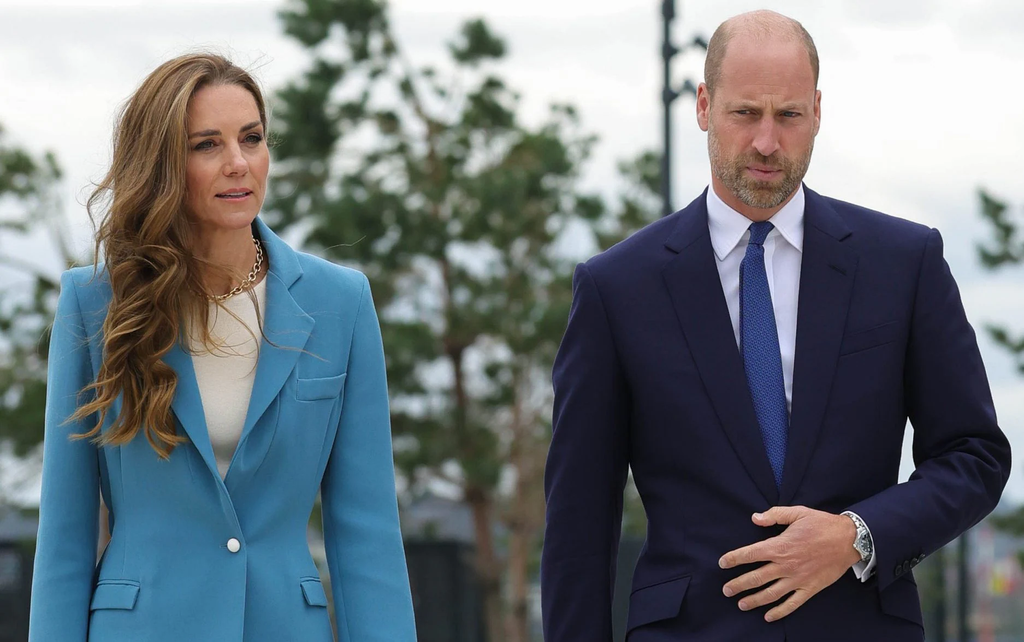
Prince William has launched a major new suicide prevention toolkit called On Your Side, designed specifically for sports teams and sports organizations across the UK. Unveiled at Everton Football Club’s stadium in Liverpool on World Suicide Prevention Day, this new guide aims to train coaches, players, staff, and fans on how to spot early warning signs of mental distress and intervene before someone reaches a crisis point.
The project was created by the Royal Foundation—the charitable organization run by Prince William and the Princess of Wales—in partnership with the national mental health charity Chasing the Stigma and the British Standards Institution. It brings together some of the biggest names in sports, including England football captain Harry Kane and Formula 1 driver George Russell, to break the stigma surrounding mental health in athletic spaces.
This launch comes at a time when mental health support is needed more than ever. Suicide remains one of the leading causes of death for men under 50 in the UK, with over 7,000 lives lost each year. By bringing suicide prevention tools into locker rooms, local pitches, and stadium stands, the initiative seeks to reach people who might never walk through the doors of a traditional medical clinic.
Why Sports Teams Are on the Frontlines of Mental Health
Sports have a unique power to bring people together. For millions of people, a weekly match or training session is where they feel most connected to their friends and community. Yet, sports environments have traditionally been places where people feel pressured to show toughness and hide their personal struggles.
Many people who suffer from severe mental health challenges suffer in silence. They may feel embarrassed to ask for help or worry that showing weakness will affect their standing on the team or in their friend group. Because coaches, teammates, and parents spend so many hours together each week, they are often in the best position to notice subtle changes in someone’s behavior.
Build Funnels, Email Lists & Sell Online With One Free Tool
Create funnels, send emails, and sell online using Systeme.io without paying for multiple tools.
Create Free AccountFree forever • No credit card • Beginner-friendly
Prince William noted during the launch that sports can reach individuals who would otherwise never seek professional help on their own. By equipping local leaders with simple, practical tools, local sports clubs can become a safe first line of defense against mental health crises.
Inside the ‘On Your Side’ Suicide Prevention Toolkit
The On Your Side toolkit is a practical online resource that any team, from grassroots neighborhood leagues to elite professional organizations, can use free of charge. It focuses on clear, everyday actions that anyone can take to help save a life.
Here are the primary components included in the guide:
- Spotting Warning Signs: Instructions on how to identify subtle shifts in a person’s mood, attendance, energy level, or communication habits.
- Starting Honest Conversations: Easy-to-follow advice on how to ask someone how they are really doing without making them feel uncomfortable or judged.
- Asking Direct Questions: Guidance on how to directly address suicide, including asking clear questions like “Are you thinking about suicide?”
- Connecting to Professional Help: Quick links and routing directions to established services such as the Hub of Hope directory and helpline organizations.
One of the most important goals of the toolkit is to debunk a dangerous common myth. Many people worry that asking someone directly about suicide might put the idea in their head. The guide explains that research shows the exact opposite: asking directly helps people feel heard, reduces their isolation, and opens the door for them to accept support.
Big Sporting Stars Lend Their Voices
To ensure the message reaches as many people as possible, the Royal Foundation released an inspiring campaign video alongside the launch. The short film features top athletes talking openly about checking in on friends and teammates.
In the video, England football star Harry Kane reminds viewers that asking a simple question can change everything. He points out that no one has to figure out life’s toughest moments all by themselves. Joining Kane in the video are prominent figures across multiple sports, including:
- George Russell – Formula 1 driver
- Dame Kelly Holmes – Double Olympic gold medalist
- Jill Scott – Former Lioness and European champion
- Dame Laura Kenny – Olympic track cycling champion
- Carl Frampton – Former world champion boxer
- Rocky Clark – Former women’s rugby World Cup winner
The venue chosen for the launch—Everton’s stadium—holds deep emotional significance. Everton was a club close to the heart of former Wales manager Gary Speed, who tragically lost his life to suicide in 2011. Former England striker Alan Shearer highlighted how poignant it was to stage this launch at a place honoring Speed’s memory, reminding everyone of the lasting impact suicide leaves on families and friends.
Major Governing Bodies Commit to Change
This toolkit is not meant to sit on a shelf or collect digital dust online. Major sports organizations in the UK have formally committed to embedding the On Your Side guidelines into their daily operations and safeguarding policies.
The Football Association (FA), which oversees English football from grassroots Sunday leagues to top national teams, will roll out the guidelines across its entire network. The Premier League and British Cycling have also pledged to prioritize suicide prevention within their organizations, while Team GB will integrate the resource into its support system for Olympic athletes and coaching staff.
When major leagues adopt these standards, it creates a ripple effect. It sends a message to local youth coaches, parent volunteers, and amateur players that mental health is just as important as physical fitness.
How to Spot the Signs and Offer Support
Knowing how to react when a friend or teammate is struggling can feel intimidating, but you do not need to be a mental health professional to make a positive difference. Small acts of care often carry the biggest weight.
Here are practical steps recommended by experts when looking out for someone:
1. Watch for Changes in Behavior
Pay attention if someone suddenly stops showing up to practices, becomes unusually quiet, shows bursts of anger, or loses interest in things they used to love. Subtle comments like “I’m just tired of everything” or “Everyone would be better off without me” should always be taken seriously.
2. Choose a Private, Comfortable Setting
If you notice warning signs, pull the person aside in a quiet moment where they won’t feel put on the spot. You might chat while walking off the training pitch, sitting on the bench after a game, or grabbing a drink together.
3. Ask Directly and Listen Without Judgment
Be honest about what you have noticed. Say something like, “I’ve noticed you seem down lately, and I wanted to check in on you.” If you are worried they might be thinking about ending their life, ask them directly. Keep your voice calm and give them time to answer without interrupting.
4. Help Them Connect to Professional Care
You do not have to solve all their problems on your own. Offer to help them reach out to a support service or trusted relative. Let them know about confidential support lines like the Samaritans, where they can talk to someone 24/7.
How Modern Media and Technology Spread Vital Messages
Spreading awareness about mental health relies heavily on modern communication channels. In the past, important guidance could take years to reach small local communities. Today, digital tools and online media platforms allow life-saving information to reach millions of people instantly.
Sports clubs and community leaders frequently rely on modern digital formats to share educational guides, video training, and awareness videos. You can explore more about how digital tools and automated content systems are evolving across our technology and AI section, as well as our guides on YouTube automation to see how creators share viral educational content around the globe.
Social media networks play an equally vital role in keeping people connected. Online communities provide spaces where people share encouraging stories, find local meetups, and break down longstanding social stigmas. You can join our ongoing conversations on Instagram, follow updates on Facebook, or connect with us on X (formerly Twitter).
Where to Find Help Right Now
If you or someone you know is going through a tough time, remember that help is always available. You do not have to go through it alone.
- Samaritans (UK): Call 116 123 for free, 24/7 confidential support, or visit samaritans.org.
- Hub of Hope: Visit hubofhope.co.uk to find local mental health services and support groups near you.
- Campaign Against Living Miserably (CALM): Call 0800 58 58 58 or use their webchat service from 5pm to midnight daily.
- Mind: Call 0300 123 3393 during office hours for guidance and mental health information.
If you want to learn more about our ongoing work and story, feel free to check out our About Page or drop us a message through our Contact Page.
Frequently Asked Questions
What is the ‘On Your Side’ toolkit?
On Your Side is a free online suicide prevention toolkit designed to help people in sporting environments identify mental health crisis signs and offer early support.
Who developed this sports mental health guide?
The toolkit was created by Prince William’s Royal Foundation alongside the mental health charity Chasing the Stigma and the British Standards Institution.
Does asking someone about suicide make them more likely to do it?
No. Experts and health studies confirm that asking someone directly about suicide does not give them the idea. Instead, it provides a safe space for them to open up and seek help.
Can grassroots and amateur sports teams use this guide?
Yes. The guide is designed for everyone involved in sports, including local community clubs, amateur players, coaches, volunteers, and parents.
What should I do if a teammate tells me they are in crisis?
Listen calmly without judgment, stay with them, and help them connect immediately with professional help, such as calling a helpline like Samaritans or taking them to a healthcare provider.
The launch of the On Your Side toolkit marks an encouraging shift in how society addresses mental health. By turning athletic fields, changing rooms, and spectator stands into places of compassion and active listening, sports teams are proving that taking care of your teammates goes far beyond what happens on the scoreboard. Making suicide prevention part of the everyday game plan has the potential to save countless lives.
Build Funnels, Email Lists & Sell Online With One Free Tool
Create funnels, send emails, and sell online using Systeme.io without paying for multiple tools.
Create Free AccountFree forever • No credit card • Beginner-friendly
