
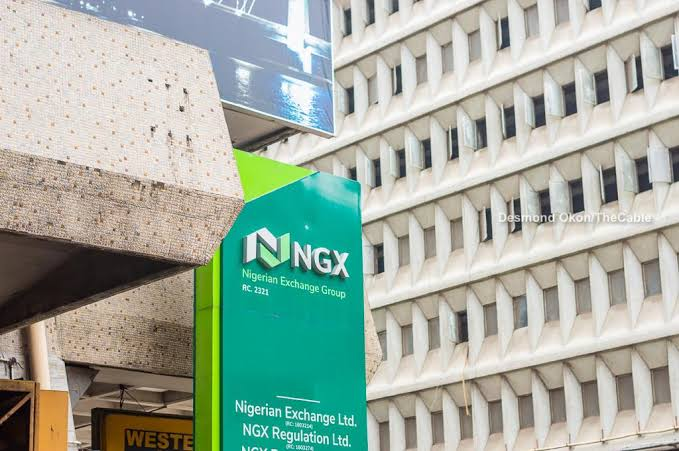
Trading activity on the Nigerian Exchange experienced a notable shift as total market turnover dropped by 10 percent, landing at N157.76 billion. For anyone following business news in Nigeria, seeing numbers like this can raise a few questions. Some investors wonder if the market is slowing down, while others want to know if this is just a short pause in trading activity.
The Nigerian stock market has enjoyed strong momentum over recent months, with many major companies delivering impressive returns. However, trading figures show that the total value of shares bought and sold over the period slowed down compared to previous weeks.
Understanding why this drop happened does not require a degree in economics. It comes down to basic market forces, investor habits, and wider economic factors across the country. Here is a full breakdown of what caused this 10 percent decline to N157.76 billion, what it means for your money, and how you should look at the stock market right now.
What Does Market Turnover Mean in Plain English?
To understand why a 10 percent drop to N157.76 billion is important, it helps to start with what market turnover actually means. Think of the Nigerian stock market like a massive local market in Lagos or Abuja. On any given day, people walk into the market to buy and sell goods.
Market turnover is simply the total value of money that changes hands during trades over a specific time frame. When people say turnover reached N157.76 billion, it means that investors bought and sold shares worth that exact combined amount.
The $0 Secret To Launching Your Entire Online Empire
Why pay hundreds every month for separate software? Build funnels, send emails, and make sales with Systeme.io completely free.
Get Started For $0Free Forever • No Credit Card Needed • Beginner-Friendly
It is very common for people to confuse market turnover with stock prices or market capitalization. They are not the same thing.
Market capitalization is the total value of all listed companies combined. Stock price is what it costs to buy a single share of one company. Turnover measures the volume of trading action taking place. When turnover drops by 10 percent, it simply means fewer total naira values were traded on the floor during that period. It shows that buyers and sellers traded with a bit more caution than before.
The Main Reasons Behind the 10% Drop in Trading Activity
A drop in stock market turnover rarely happens by accident. It usually happens when big and small investors decide to adjust their financial plans at the same time. Several key drivers caused trading value to cool down to N157.76 billion.
1. Big Investors Are Locking in Profits
One of the biggest reasons for the dip is simple profit-taking. The Nigerian stock market experienced massive gains earlier in the year, pushing many stock prices to record highs. Shares in banking, oil and gas, and manufacturing companies saw huge price increases.
When prices reach high levels, institutional investors like pension fund managers and investment firms naturally choose to sell off some of their shares. They do this to lock in their cash gains. Once these big players sell off their positions, they often step back and wait for stock prices to drop before buying again. This temporary waiting period naturally reduces overall daily trading activity.
2. High Interest Rates on Safe Investments
Another major reason for lower stock market activity is the rising interest rate environment in Nigeria. The Central Bank of Nigeria has adjusted interest rates to manage inflation. When central bank rates go up, fixed-income investments like Treasury Bills and government bonds begin to offer very attractive interest rates.
For many investors, fixed-income investments are considered low-risk compared to stocks. If a government bond offers a guaranteed return that is competitive, large investors will temporarily shift part of their capital out of the stock market and into government bonds. Because money moved into these safer fixed-income channels, less cash was left flowing through the stock exchange, causing turnover to dip to N157.76 billion.
3. Foreign Exchange Adjustments and Investor Caution
Foreign portfolio investors play a noticeable role in adding liquidity to the Nigerian stock market. When foreign investors buy and sell heavy volumes of shares, trading turnover jumps significantly.
However, foreign investors tend to move cautiously whenever they evaluate currency stability, inflation rates, and global economic signals. Many foreign funds decided to adopt a wait-and-see approach while observing local macroeconomic policies. When foreign funds reduce their active trading, overall market turnover drops.
4. Investors Preparing for Corporate Financial Results
Timing matters a lot in the stock market. During periods between major quarterly corporate financial reports, trading volume often slows down.
Traders prefer not to make massive moves right before companies release their quarterly earnings reports or dividend announcements. Instead of buying heavily, many market participants hold their current positions until they see how much profit top companies made. This natural pause creates lower trading volume across the exchange.
How Key Sectors Performed During the Slowdown
The N157.76 billion turnover was spread across several major industries listed on the exchange. Some sectors remained very active, while others saw noticeable pullbacks in trading interest.
The Banking Sector
As usual, commercial banks accounted for a substantial portion of the total trading value on the floor. Financial institutions are consistently the most liquid stocks in Nigeria because everyday traders and big institutional funds trade them daily. Even with the overall 10 percent drop in market turnover, bank shares saw active exchange among traders rebalancing their portfolios.
Consumer Goods and Manufacturing
Consumer goods companies experienced mixed trading activity. Rising operational costs and general inflation have affected profit margins for some manufacturing firms. As a result, investors traded these shares with greater caution, contributing to the lighter trading volume seen across the market.
Industrial Goods, Oil, and Telecoms
Heavy industrial companies, telecom giants, and energy firms saw moderate trading levels. Because these companies represent long-term infrastructure holdings, investors tend to hold onto these shares rather than trading them frequently every week. This holding pattern keeps stock prices stable but lowers daily trading turnover.
Send, Spend & Hold Money Worldwide Without Hidden Fees
Transfer money internationally at the real exchange rate and hold 40+ currencies in one account.
Open a Wise AccountMid-market rate • Fast transfers • 40+ currencies
What This Drop Means for Everyday Nigerian Investors
If you hold stocks or use mobile trading apps to invest monthly, seeing news about a 10 percent drop in market turnover can sound concerning. However, it is essential to look at what this statistic means for everyday retail investors.
First, a drop in turnover does not mean the stock market is crashing. It simply means money is moving at a slower pace for a short period. The underlying value of top Nigerian companies remains solid, and many listed businesses continue to report revenue growth.
Second, trading slowdowns often create strategic opportunities for patient investors. When turnover drops and big institutional buyers step back, short-term stock prices often cool off. For people looking to build long-term wealth, market cool-offs can offer a chance to buy shares in solid companies at more reasonable prices.
Third, it highlights the importance of having a clear investment plan instead of chasing short-term market noise. Investors who buy shares based on strong company fundamentals rarely worry about weekly turnover dips.
Is the Nigerian Stock Market Still Strong Overall?
When you zoom out from short-term figures, the bigger picture for the Nigerian Exchange remains positive. Over the past year, the Nigerian stock market has ranked among the top-performing equity markets globally.
Market pullbacks and brief periods of lower trading turnover are normal stages in any financial cycle. No stock market moves straight up without stopping. Periods of high activity are almost always followed by periods of consolidation where prices settle and trading volume slows down.
The current market turnover of N157.76 billion shows that there is still huge liquidity flowing through the Nigerian capital market. Billions of naira are actively changing hands every single trading day, showing that local institutions, pension funds, and individual traders retain strong confidence in the domestic financial system.
Smart Strategies for Navigating Market Slowdowns
When financial markets slow down or experience minor pullbacks, taking a smart approach can protect your money and set you up for long-term growth. Here are practical steps you can follow.
Avoid Panic Selling
The biggest mistake new investors make during market dips is selling their shares out of fear. Selling your shares when trading activity slows down turns temporary market price changes into permanent cash losses. Unless the fundamental business model of a company has failed, holding onto quality stocks through market cycles is usually the safest path.
Practice Dollar-Cost Averaging
Instead of trying to guess the exact moment trading turnover will jump back up, consider using dollar-cost averaging. This means investing a fixed amount of money into your chosen stocks at regular intervals, such as every month. When prices are lower during market slowdowns, your fixed investment buys more shares. When prices rise, those shares increase in overall value.
The $0 Secret To Launching Your Entire Online Empire
Why pay hundreds every month for separate software? Build funnels, send emails, and make sales with Systeme.io completely free.
Get Started For $0Free Forever • No Credit Card Needed • Beginner-Friendly
Focus on Dividend-Paying Companies
If you want consistent returns regardless of daily market turnover, look for companies with a long history of paying steady dividends. Dividend-paying stocks provide regular cash payouts to shareholders, giving you passive income even when overall stock market turnover experiences temporary dips.
Diversify Your Wealth Building Strategies
While investing in stocks is a great way to grow long-term wealth, smart financial planning involves building multiple streams of income and skills. Expanding your personal skill set gives you financial resilience during economic shifts.
For example, learning about modern digital tools and technology and AI tools can open up fresh online business opportunities and modern career paths. Similarly, exploring online media creation like YouTube automation can help you build digital assets that generate income alongside your traditional investment portfolio. Combining stock market investing with online digital skills creates a powerful personal financial strategy.
What Financial Analysts Expect Next for the Market
Financial analysts and market experts in Nigeria believe the stock exchange will remain dynamic over the coming months. Several upcoming events could spark a fresh wave of trading activity and push turnover figures higher once again.
First, as listed companies begin publishing their upcoming quarterly financial performance reports, investor interest is expected to pick up. Positive earnings figures and dividend announcements usually bring traders back to the buying floor in full force.
Second, any future policy shifts regarding inflation management and foreign exchange stability will influence how quickly foreign and local institutional capital flows back into equities. If fixed-income yields adjust downwards, big institutional funds will likely redirect their capital back into high-performing stocks, driving market turnover well past previous levels.
Third, the ongoing recapitalization efforts across the banking sector are expected to keep investor interest high. Banks raising fresh capital often creates fresh trading opportunities and attracts substantial liquidity into the equity market.
Frequently Asked Questions (FAQs)
What is the difference between stock market capitalization and turnover?
Market capitalization represents the total calculated cash value of all shares listed on the stock exchange. Turnover measures the actual value of shares bought and sold during a specific trading period. Capitalization shows total market size, while turnover shows active trading volume.
Why did Nigerian stock market turnover drop to N157.76 billion?
The 10 percent drop was primarily caused by big investors taking profits after recent market rallies, funds shifting into high-yielding government fixed-income securities, and traders waiting cautiously for upcoming corporate earnings reports.
Does a drop in turnover mean stock prices are falling?
Not necessarily. A drop in turnover simply means fewer trades or smaller overall transaction values took place. While lower turnover can sometimes accompany price pullbacks, stock prices can remain stable or even rise while turnover drops if sellers are unwilling to discount their shares.
Is a drop in market turnover bad for small investors?
No, a short-term drop in turnover is a normal part of financial market cycles. For small investors with long-term goals, periods of lower trading activity can offer good entry points to buy quality stocks while prices cool down.
How can beginners start trading stocks on the Nigerian Exchange?
Beginners can open a stockbroking account through any licensed brokerage firm or registered mobile investment app in Nigeria. Once your account is verified and funded, you can research listed companies and begin purchasing shares directly from your mobile phone.
Final Thoughts
A 10 percent decline in Nigerian stock market turnover to N157.76 billion is a clear sign that investors are taking a brief pause to evaluate economic conditions, lock in profits, and reposition their portfolios. Rather than signaling weakness, this slowdown reflects normal market movements following months of strong growth.
By understanding how market turnover works, keeping your focus on company fundamentals, and maintaining a diversified approach to building income, you can comfortably navigate any financial cycle. Staying informed about economic trends helps you make calm, confident money choices.
To learn more about our mission to bring you clear, straightforward insights on finance, news, and trends, feel free to visit our About Us page. If you have questions, feedback, or story ideas, you can always reach out to our team directly through our Contact Page.
Do not forget to stay connected with us on social media for real-time updates and community discussions. Follow our official pages on Instagram, Facebook, and Twitter/X to stay ahead of the curve.
