
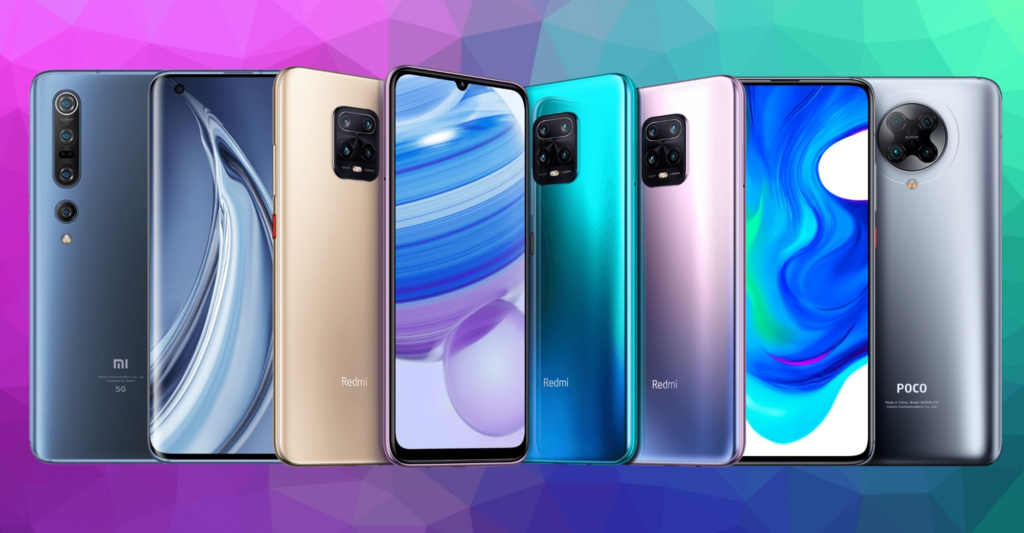
Smartphone specifications often highlight main processors like Qualcomm Snapdragon or MediaTek Dimensity. However, top-tier flagship phones rely on additional internal chips working quietly in the background. In recent years, Xiaomi has made massive investments in creating its own custom micro-chips under the name Surge.
If you have looked closely at the specs of recent high-end Xiaomi devices, you have likely seen names like Surge P2, Surge G1, or Surge T1S listed next to the main processor. These extra chips do not replace the main processor. Instead, they handle specialized jobs like ultra-fast charging, keeping the battery healthy, improving camera focus, and boosting signal quality.
Understanding how this technology works shows why modern flagships feel faster, charge quicker, and last longer than older phones.
The Evolution of Xiaomi’s Custom Silicon Project
Xiaomi did not start with small micro-chips. Back in 2017, the company tried to build a complete main processor from scratch. That chip was called the Surge S1, and it powered a smartphone named the Mi 5C.
Building a full processor to compete with giants like Qualcomm or Apple turned out to be extremely difficult, expensive, and time-consuming. Main processors have to manage everything at once, including app performance, graphics, modem networks, and display rendering.
The $0 Secret To Launching Your Entire Online Empire
Why pay hundreds every month for separate software? Build funnels, send emails, and make sales with Systeme.io completely free.
Get Started For $0Free Forever • No Credit Card Needed • Beginner-Friendly
After analyzing the market, Xiaomi shifted its strategy. Instead of building the whole brain of the phone, they decided to build specialized mini-processors designed for single, dedicated tasks. This shift gave birth to the modern Surge family. By focusing on targeted chips, Xiaomi can innovate much faster in areas that matter most to users, like charging speeds and photo processing.
Why Main Processors Need Help From Specialized Chips
To understand why Surge chips exist, think of a smartphone like a busy restaurant kitchen. The main processor is the head chef. The head chef is great at directing the kitchen, cooking complex dishes, and managing recipes.
However, if you force the head chef to chop all the vegetables, clean every plate, and take customer orders at the door, service slows down dramatically. The kitchen gets hot, orders take longer, and mistakes happen.
A custom co-processor works like a specialist assistant in that kitchen.
- It takes over heavy, repetitive jobs so the main processor can stay focused on running apps and games smoothly.
- It performs its specific task with far greater energy efficiency than a general processor could manage.
- It reduces internal heat generation because the main chip does not have to work as hard.
- It gives engineers direct control over hardware features without waiting for main chip vendors to add them.
By adding small, custom chips inside flagship phones, phone makers achieve better performance without killing battery life.
Deep Dive: The Four Major Types of Xiaomi Surge Chips
Xiaomi groups its Surge hardware into distinct categories, each identified by a letter. Each series tackles a specific frustration that smartphone owners face every day.
1. Surge P Series: Ultra-Fast Charging Without Overheating
Charging a phone at 67W, 120W, or even higher power levels creates huge technical challenges. High power generates intense heat, and heat damages phone batteries quickly.
In the past, phone makers had to split the battery inside the phone into two separate pieces to handle 100W+ charging speeds safely. While this worked, two physical batteries took up a lot of extra space inside the phone body, leaving less room for bigger camera sensors or cooling chambers.
The Surge P1 and Surge P2 chips solved this problem completely:
- They allow 120W rapid charging on a single-cell battery.
- They convert high-voltage electricity into safe battery current with over 96% energy efficiency.
- They reduce overall charging heat by up to 30% compared to older charging systems.
- They dynamically adjust power flow depending on how hot the room or the phone is getting.
Because of the Surge P series, flagship phones can charge from zero to full in about 15 to 20 minutes without turning into a hand warmer.
2. Surge G Series: Protecting Long-Term Battery Health
Fast charging is great, but people also want their phone batteries to last for years without losing capacity. That is where the Surge G1 chip comes into play.
The Surge G1 is a dedicated battery management chip that monitors the internal health of the battery cells in real time:
- It tracks chemical changes inside the battery down to microscopic levels.
- It prevents dangerous overcharging by learning your sleeping habits and stopping high-speed current before you wake up.
- It predicts remaining battery percentage much more accurately than basic software algorithms.
- It extends the overall lifespan of the battery, keeping it healthy for up to 1,600 full charge cycles.
When the Surge G1 works together with the Surge P series, the phone achieves both super-fast charging and long battery lifespan at the same time.
3. Surge C Series: Smarter Image Processing for Better Photos
Taking a great photo on a smartphone requires massive computing power. When you tap the shutter button, the phone takes multiple exposures, removes visual noise, balances colors, and sharpens edges in milliseconds.
The Surge C1 and Surge C2 are Image Signal Processors (ISPs) designed purely for photography:
Send, Spend & Hold Money Worldwide Without Hidden Fees
Transfer money internationally at the real exchange rate and hold 40+ currencies in one account.
Open a Wise AccountMid-market rate • Fast transfers • 40+ currencies
- They run high-speed algorithms for auto-focus, auto-exposure, and auto-white balance.
- They process complex low-light photos much faster so you do not have to hold your hand still for seconds in dark rooms.
- They preserve true-to-life skin tones while suppressing unwanted digital grain.
- They handle ultra-wide angle distortion corrections automatically.
Offloading picture processing to a dedicated Surge C chip allows flagship cameras to shoot crisp photos rapidly without freezing the viewfinder.
4. Surge T Series: Signal Boosting and Unmatched Connectivity
Have you ever lost mobile network connection in a crowded stadium, inside an elevator, or while traveling through rural areas? The Surge T1 and Surge T1S chips are engineered specifically to stop that from happening.
These chips act as intelligent network tuners inside the phone:
- They analyze how you are physically holding the phone so your hand does not accidentally block internal antennas.
- They boost signal reception across cellular 4G/5G, Wi-Fi, Bluetooth, and GPS simultaneously.
- They switch between different cell towers automatically to maintain stable data download speeds.
- They improve connection reliability for satellite messaging on top-end models like the Xiaomi 15 Ultra.
With a Surge T chip operating in the background, calls stay clearer, online gaming lag decreases, and Wi-Fi connections remain strong even through thick concrete walls.
How Surge Chips Solve Real Everyday Phone Problems
It is easy to get lost in technical names, but what do these chips actually do for someone using the phone every single day? Here is how this silicon affects real-world daily use:
- No More Charging Anxiety: You wake up with 5% battery, plug the phone in while brushing your teeth, and come back to a nearly full battery without dangerous overheating.
- Better Photos in Tough Lighting: Night shots look bright and sharp instead of blurry or muddy because the image chip processes lighting instantly.
- Durable Battery Life Over Time: Phones used to lose significant battery health after one year. Smart battery monitoring keeps devices lasting two to three years on original performance.
- Smoother Multiplayer Gaming: Stable signal management means fewer dropped Wi-Fi packets during competitive online games.
- Thinner, Lighter Flagship Phones: Single-cell fast charging saves physical internal space, making phones easier to hold.
How Xiaomi’s Strategy Compares to Other Smartphone Giants
Xiaomi is not the only company building specialized custom chips. Looking at how other major tech brands handle in-house silicon helps put this technology into perspective.
- Apple: Apple designs its own full processors (A-series and M-series) alongside specialized components like the Neural Engine for AI tasks. Because Apple controls both hardware and iOS software, their integration is seamless.
- Google: Google uses custom Tensor processors in Pixel phones. Tensor focuses heavily on artificial intelligence and voice processing rather than raw speed or battery charging.
- Vivo: Vivo uses custom V-series chips (like the V3) primarily as image signal processors to boost camera quality and night video recording.
- Oppo: Oppo previously developed custom chips under the MariSilicon brand for camera processing and audio clarity.
Xiaomi stands out by using a modular approach. Instead of making just one extra chip, Xiaomi combines up to three or four custom Surge chips inside a single flagship phone. One chip handles power, another manages battery safety, a third handles signals, and a fourth helps the camera.
Why Specialized Chips Are the Future of Mobile Tech
As mobile apps, artificial intelligence, and mobile gaming demand more power, main processors face physical limits. Making main chips smaller and faster becomes harder and more expensive every year.
Specialized co-processors offer a practical solution. By breaking down heavy tasks into small, dedicated hardware chips, phone manufacturers can improve performance without draining battery packs or overheating devices.
We can expect Xiaomi to expand the Surge lineup into new areas. Future Surge chips will likely focus on on-device AI processing, display refresh rate management, and smart hardware integration for electric vehicles and smart home gadgets.
The $0 Secret To Launching Your Entire Online Empire
Why pay hundreds every month for separate software? Build funnels, send emails, and make sales with Systeme.io completely free.
Get Started For $0Free Forever • No Credit Card Needed • Beginner-Friendly
Exploring More Tech Insights and Staying Connected
Understanding mobile technology helps you make smarter buying decisions when upgrading your devices. If you want to dive deeper into tech trends, smartphone reviews, and emerging artificial intelligence tools, check out our technology and AI section for regular updates and easy-to-read guides.
Digital technology is also transforming how people create content online. If you are curious about content creation, automated video workflows, or growing a digital brand, feel free to read our comprehensive YouTube automation guide to learn how modern tools streamline channel growth.
We love connecting with curious readers! If you want to learn more about our writing team, visit our about page. If you have questions, feedback, or topic suggestions, reach out anytime through our contact page.
You can also join our growing social community for daily tech updates, trending stories, and quick discussions:
- Follow our visual updates on Instagram
- Connect with our community on Facebook
- Catch live updates and tech conversations on X
Frequently Asked Questions (FAQs)
What is the main difference between a Snapdragon chip and a Surge chip?
A Snapdragon chip is a full System-on-Chip (SoC) that acts as the main brain of the phone, running the operating system, apps, and main graphics. A Surge chip is a tiny assistant chip designed for one specific job, such as managing fast charging speeds, keeping the battery cool, or improving cell phone reception.
Do Surge chips work in budget Xiaomi phones?
Surge chips are mostly featured in Xiaomi’s premium flagship lines, including the Xiaomi number series (like Xiaomi 13, 14, and 15), MIX Fold foldables, and select top-end Redmi Note Pro+ models. Lower-cost budget phones usually rely entirely on standard processors to keep prices down.
Does fast charging with Surge chips damage the battery faster?
No, it actually does the opposite. Surge P chips control the flow of electricity to reduce heat buildup, while Surge G chips actively monitor cell health to prevent degradation. Together, they allow high-speed charging while protecting the battery for years.
Can a phone function without custom Surge chips?
Yes, smartphones worked for years using only main processors. However, without custom chips, high-end features like 120W single-cell fast charging, advanced signal tuning, and zero-lag night photography are much harder to achieve without making the phone thicker or hotter.
How do I know which Surge chips are inside my Xiaomi phone?
You can check your device’s official specification sheet on Xiaomi’s website or review hardware details in phone setting menus. Key specs usually list chips like Surge P2, Surge G1, or Surge T1S under the battery, charging, or connectivity sections.
Will Xiaomi ever build a complete main processor again?
While Xiaomi focused on co-processors over the last few years, semiconductor research is an ongoing effort. Building custom co-processors gives Xiaomi valuable hardware design experience that could eventually help them build full main processors in the future.
Custom silicon marks a major turning point for smartphone engineering. By combining powerful main processors with dedicated Surge co-processors, Xiaomi continues to deliver flagships that charge faster, stay cooler, take cleaner photos, and hold stronger network connections. As smartphone hardware evolves, these small dedicated chips will play an even bigger role in shaping how our favorite mobile devices perform every day.
