
Smartphone cameras have completely changed the way we capture daily life. A few years ago, taking a good picture on a mobile phone required bright sunlight and a lot of luck. Today, phone cameras can capture pictures that look like they came straight out of a professional studio.
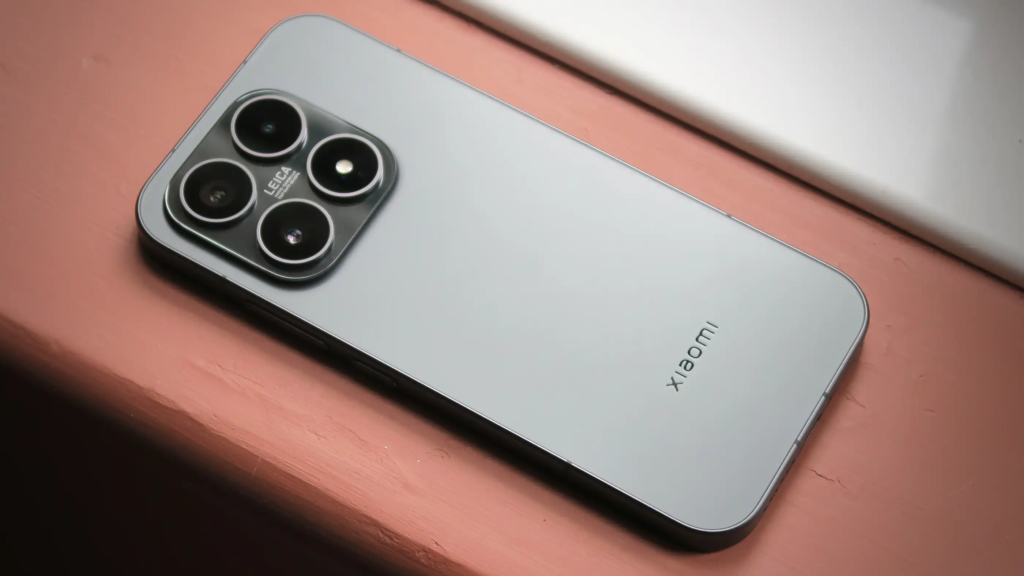
A big reason for this change is the strategic partnership between Xiaomi, one of the world’s leading tech companies, and Leica, the legendary German camera maker. You might have noticed the small Leica logo printed on the back of recent Xiaomi flagship phones. That logo represents much more than a simple marketing deal.
The Xiaomi Leica co-engineered camera system is a total redesign of how mobile cameras shoot, process, and present photos. It combines over a century of German optical craftsmanship with modern computational image processing.
If you want to understand how this camera setup works, what makes it special, and why it matters for your everyday photos, this breakdown covers everything in simple terms.
What Is the Xiaomi Leica Co-Engineered Camera System?
At its core, the Xiaomi Leica co-engineered camera system is a joint development project between Xiaomi and Leica Camera AG. Instead of Xiaomi just placing Leica’s brand name on their phones, both companies work together from the very beginning of the design process.
The $0 Secret To Launching Your Entire Online Empire
Why pay hundreds every month for separate software? Build funnels, send emails, and make sales with Systeme.io completely free.
Get Started For $0Free Forever • No Credit Card Needed • Beginner-Friendly
Leica brings over 100 years of experience in making optical lenses, professional cameras, and color tuning. Xiaomi brings high-performance smartphone processors, custom image sensors, and advanced mobile software.
When two companies co-engineer a camera system, they collaborate on several key areas:
- Designing the physical glass lenses so light enters the phone cleanly.
- Coating the lens elements to eliminate reflections, glare, and blurry edges.
- Calibrating the image processor so shadows and colors look natural instead of artificial.
- Creating custom shooting modes that mirror classic physical camera gear.
This combined effort ensures that the phone behaves like an authentic piece of photographic equipment rather than a basic gadget with heavy software filters.
The Story Behind the Partnership
Before teaming up with Xiaomi, Leica worked with other smartphone brands to improve mobile camera quality. However, in 2022, Xiaomi and Leica officially launched a long-term strategic partnership, starting with the Xiaomi 12S series.
Their main goal was simple: bring the iconic “Leica look” to mobile users everywhere. The classic Leica look is famous for rich contrast, realistic skin tones, deep shadows, and true-to-life colors. Many traditional mobile cameras try to make pictures look as bright and saturated as possible, which often results in fake-looking trees, skin that looks like plastic, and blown-out skies.
Xiaomi and Leica wanted to reverse that trend. They established the joint Xiaomi x Leica Optical Institute to research new ways to shrink professional camera optics down to fit inside slim mobile devices. To stay updated on how new hardware and software trends are changing modern smartphones, feel free to explore our collection of technology and AI updates.
How the Xiaomi Leica System Works Under the Hood
To understand why this camera system performs so well, it helps to look at the three major building blocks: optics, computational science, and color tuning.
1. High-End Optical Lenses
A photo can only be as good as the light that enters the camera sensor. If the glass lens is cheap or poorly designed, no amount of computer software can fully fix the blurry details or strange light glare.
Xiaomi phones with the Leica system use high-grade Leica Summilux and Vario-Summilux optical lenses. These lenses feature special lens construction, including cyclo-olefin polymer materials and anti-reflective coatings. This hardware setup reduces flare, removes color fringing, and allows maximum light to hit the sensor even in dark environments.
2. Large Image Sensors
Light collection requires a large surface area. Xiaomi equips its top Leica models with large 1-inch type image sensors. A larger sensor captures significantly more light than a standard phone camera. This brings cleaner photos at night, natural background blur without artificial software effects, and better detail in bright and dark areas.
3. Dual Leica Color Profiles
When you open the camera app on a Xiaomi Leica phone, you get to choose how your pictures process right away. The camera gives you two distinct color profiles built into the core software:
- Leica Authentic Look: This mode keeps lighting conditions looking realistic. It preserves light and dark contrasts, keeps shadows deep, and avoids over-brightening the scene. The colors match what your human eye actually sees.
- Leica Vibrant Look: This mode combines Leica’s classic color science with Xiaomi’s modern HDR processing. It makes colors slightly warmer and brighter while keeping skin tones natural. It is perfect for social media posts where you want vibrant photos without looking fake.
Key Features That Make the System Stand Out
Floating Telephoto Lenses
One common issue with phone cameras is zoomed-in shots. Standard zoom lenses cannot adjust their internal elements, meaning close-up macro shots often look blurry.
Xiaomi introduced the Leica floating telephoto lens design on flagship models like the Xiaomi 14 and 15 series. The internal lens elements shift floating groups inside the module. This allows the phone to focus on objects just a few centimeters away for macro shots, while seamlessly focusing on distant buildings or landscapes without losing sharpness.
Human-Centric Master Portrait Modes
Taking photos of people is where camera quality matters most. Standard phones often use artificial edge detection that cuts off hair or creates weird outlines around faces.
The Leica portrait system offers classic focal length modes:
Send, Spend & Hold Money Worldwide Without Hidden Fees
Transfer money internationally at the real exchange rate and hold 40+ currencies in one account.
Open a Wise AccountMid-market rate • Fast transfers • 40+ currencies
- 35mm Documentary Lens: Great for capturing people within their surrounding environment.
- 50mm Swirly Bokeh Lens: Mimics vintage portrait lenses with soft background blur.
- 75mm Portrait Lens: Focuses closely on facial features with zero distortion.
- 90mm Soft Focus Lens: Designed for tight close-up portraits with soft lighting.
Instead of heavy digital filters, these modes shape light and depth of field naturally.
Dedicated Leica Shooting Controls
For users who enjoy tactile photography, top-tier models like the Ultra series offer physical photography kits. These kits include a detachable camera grip, a physical shutter button, a zoom lever, and a Leica camera ring with precise mechanical feedback. It transforms the phone into an actual compact camera in your hands.
Why Mobile Photography Is Moving Away from Heavy AI Processing
For years, smartphone brands competed by adding more aggressive artificial intelligence to photos. Sky colors were turned deep blue, grass was turned neon green, and faces were smoothed out until skin detail disappeared.
Many creators and photographic artists grew tired of over-processed images. The industry is now shifting toward optical purity, where light quality and realistic textures matter more than extreme digital sharpening.
The Xiaomi Leica camera system leads this movement by prioritizing real optical glass and balanced lighting. Photos taken with this system look like genuine pictures captured by a dedicated camera rather than heavily edited digital renders.
If you create visual content for online platforms or run video channels, having clean, natural source material makes editing much easier. Content creators who want to build efficient workflows can read through our guides on YouTube automation strategies to learn more about visual production tips.
Which Xiaomi Phones Have Leica Cameras?
Not every Xiaomi phone includes the Leica co-engineered camera system. Xiaomi reserves this special hardware for its flagship and premium device lineups:
The Ultra Series
Models like the Xiaomi 12S Ultra, 13 Ultra, 14 Ultra, 15 Ultra, and 17 Ultra represent the peak of Xiaomi’s mobile photography technology. These phones carry giant 1-inch main sensors, multiple telephoto cameras, adjustable apertures, and Leica APO optics. They are built specifically for photography enthusiasts and professionals.
Standard Flagships
Devices like the Xiaomi 13, 14, and 15 pack high-end Leica Summilux lenses into a compact body size. They offer the full Leica photo modes, floating telephoto optics, and excellent low-light performance while remaining easy to use with one hand.
The T-Series
Phones like the Xiaomi 13T, 14T, and 15T offer a balance of high performance and accessible pricing. They feature co-engineered Leica optics, Leica Authentic and Vibrant modes, and fast camera response times at a more affordable price point.
The $0 Secret To Launching Your Entire Online Empire
Why pay hundreds every month for separate software? Build funnels, send emails, and make sales with Systeme.io completely free.
Get Started For $0Free Forever • No Credit Card Needed • Beginner-Friendly
Simple Tips for Taking Great Photos with a Xiaomi Leica Camera
If you own or plan to buy a Xiaomi Leica phone, simple adjustments can help you maximize photo quality:
- Pick your default profile early: Test both Leica Authentic and Leica Vibrant modes. If you love natural photos with strong mood and character, stick with Leica Authentic. If you prefer bright photos ready for sharing immediately, select Leica Vibrant.
- Embrace shadows: Do not try to brighten every dark corner of your image. Leica color science excels at handling contrast, so natural shadows add depth and realism.
- Use portrait focal lengths: When photographing friends or family, open portrait mode and switch between 35mm, 50mm, or 75mm depending on how much background you want in the shot.
- Turn off heavy beauty filters: Let the natural resolution of the Leica optical lens showcase fine textures and skin details cleanly without artificial smoothing.
- Clean your camera glass: Because these phones feature large camera bumps and glass elements, wipe off fingerprints with a soft cloth before shooting to avoid lens flare.
Frequently Asked Questions
Is the Leica camera on Xiaomi phones real hardware or just a software filter?
It is real hardware co-engineered by both companies. Leica designs the physical optical lens structures, lens coatings, and optical quality standards, while also tuning the software image processing and color profiles.
What is the difference between Leica Authentic and Leica Vibrant modes?
Leica Authentic focuses on natural lighting, accurate colors, realistic shadow depth, and classic camera contrast. Leica Vibrant balances Leica’s optical accuracy with Xiaomi’s colorful HDR processing to produce punchier images suitable for social media.
Do all Xiaomi phones feature Leica cameras?
No. Leica cameras are only available on select flagship devices, including the main flagship series (e.g., Xiaomi 13, 14, 15), the Ultra series, and the T-series. Budget and mid-range devices under the Redmi or Poco brands do not feature Leica co-engineered camera systems.
Can a Xiaomi Leica phone replace a professional DSLR camera?
While a smartphone cannot completely replace a full-frame professional camera with interchangeable lenses, top models like the Xiaomi 14 Ultra or 17 Ultra come remarkably close for daily photography, travel, street shots, and portraits.
Why are Leica optics famous in photography?
Leica has been building cameras and optics in Germany for over 100 years. They are world-renowned for exceptional glass manufacturing, outstanding sharpness, beautiful color rendition, and robust engineering quality.
The Xiaomi Leica camera system shows what happens when smartphone engineering meets traditional optical design. By focusing on physical light, high-grade glass lenses, and classic color science, Xiaomi and Leica have given mobile users tools to capture authentic, high-quality images without relying on heavy artificial filters.
If you want to discover more about our editorial mission, check out our about us page. If you have questions, feedback, or media queries, drop us a line on our contact page.
Stay connected with us for trending tech updates and daily discussions on our social channels:
- Join our community on Facebook
- Follow our visual updates on Instagram
- Catch up with quick news and announcements on X (Twitter)
