
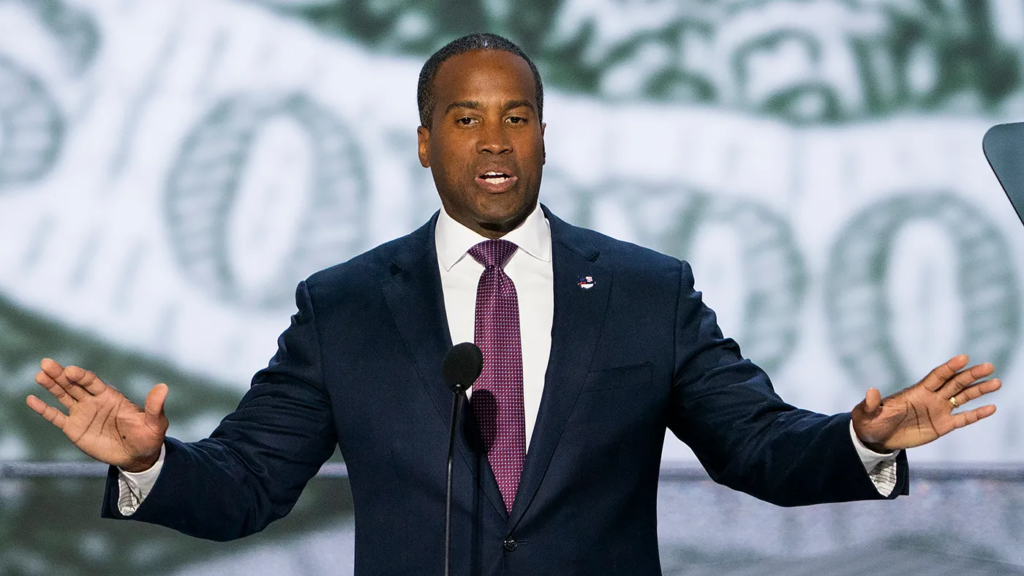
Here’s the situation: A US lawmaker has issued a direct warning to the Nigerian government—release detained IPOB leader Nnamdi Kanu, or risk losing millions of dollars in American foreign financial and military assistance.
This call marks one of the most intense diplomatic pressure points between Washington and Abuja in recent years. What started as a local political and legal battle inside Nigeria has now stepped squarely onto the international political stage.
For years, the detention of Nnamdi Kanu has sparked heated debates across Nigeria and the global African diaspora. But now that American foreign aid is officially brought into the conversation, the stakes are higher than ever before.
At WhatsBuzzn, we keep an eye on trending global events that impact real lives. In this detailed breakdown, we will explain who Nnamdi Kanu is, why a US politician is threatening aid cuts, what this means for Nigeria, and how the story might unfold.
Who Is Nnamdi Kanu and Why Is His Case Making Global Headlines?
To understand why an American lawmaker is stepping into this matter, you first need to understand who Nnamdi Kanu is and how he ended up in detention.
Build Funnels, Email Lists & Sell Online With One Free Tool
Create funnels, send emails, and sell online using Systeme.io without paying for multiple tools.
Create Free AccountFree forever • No credit card • Beginner-friendly
Nnamdi Kanu is the leader of the Indigenous People of Biafra, commonly known as IPOB. IPOB is a political group that advocates for the independence of the South-East region of Nigeria. The group wants to create a separate nation called Biafra, pointing to historical grievances, economic marginalization, and security concerns in the region.
Kanu, who holds both Nigerian and British citizenship, gained a massive following through his broadcasts on Radio Biafra. His fierce radio speeches criticized the Nigerian government and called on people in the South-East to push for self-determination.
His political journey has been full of intense legal troubles:
- 2015 Arrest: Nigerian security forces arrested Kanu in Lagos on charges of treason and illegal broadcasting.
- 2017 Bail and Disappearance: After spending months in prison, he was granted bail. Shortly after, military forces raided his family compound in Abia State. Kanu fled Nigeria and lived abroad for several years.
- 2021 Extraordinary Rendition: In mid-2021, Kanu was intercepted in Kenya under controversial circumstances and brought back to Nigeria. Kanu’s legal team termed this act an illegal “extraordinary rendition” under international law.
- 2022 Court Decisions: In October 2022, a Nigerian Court of Appeal dropped all remaining charges against Kanu. The judge ruled that his forced extradition from Kenya violated international laws and invalidated his trial.
Despite that ruling, the Nigerian government refused to release him. The government kept Kanu in the custody of the Department of State Services (DSS) in Abuja while appealing the decision. This refusal to release him after court orders caught the attention of global human rights groups like Amnesty International and the United Nations Human Rights Council.
Inside the Call for US Action: What the US Lawmaker Is Demanding
The recent statement from the US lawmaker represents a major escalation in diplomatic pressure. The demand is simple: the Nigerian government must respect its own court rulings, observe international human rights standards, and release Nnamdi Kanu.
If Nigeria fails to comply, the US lawmaker argues that Washington should halt or reduce foreign aid dollars sent to Nigeria.
Why would an American politician care about a Nigerian political leader? There are three main reasons driving this intervention:
1. Pressure from Diaspora Constituents
Thousands of Nigerian-Americans live in the United States, and many belong to the Igbo community. These constituents have actively lobbied their elected representatives in the U.S. House of Representatives. They hold protests, write letters, and urge lawmakers to speak up against what they view as human rights violations in Nigeria.
2. Respect for the Rule of Law
In the United States, judicial rulings carry massive authority. When a country’s appeal court drops charges against a detainee and the government ignores that ruling, US lawmakers view it as a violation of the rule of law. American foreign policy often conditions financial assistance on respect for democratic institutions and judicial independence.
3. Human Rights Laws in the US
The United States has laws that restrict funding to foreign military or security units accused of human rights abuses. One well-known example is the Leahy Law. Under this law, if a security force is proven to have violated human rights or illegally detained individuals without due process, the US government can cut off military training, weapons sales, and financial support to those specific units.
What Does Foreign Aid Actually Mean for Nigeria?
When people hear about “foreign aid cuts,” it is easy to assume it only affects military weapons or government budgets. But American foreign assistance to Nigeria is broad and impacts many public sectors.
The United States gives hundreds of millions of dollars in aid to Nigeria every single year. Here is where most of that money goes:
Healthcare Programs
A large portion of US aid to Nigeria funds major public health projects. Programs like PEPFAR (the President’s Emergency Plan for AIDS Relief) provide life-saving medications to millions of Nigerians living with HIV. US funds also support malaria prevention, maternal healthcare, polio eradication, and child vaccination drives.
Humanitarian Aid
In regions affected by violent conflicts, such as the North-East where Boko Haram operates, US aid provides food, clean water, tents, and medical support to displaced families.
Security and Military Training
The US supplies the Nigerian military with advanced training, equipment, intelligence support, and military aircraft (such as Super Tucano jets) to fight terrorism, insurgency, and piracy.
Democracy and Good Governance
US agencies invest in civil society groups, election monitoring bodies, anti-corruption campaigns, and judicial reform initiatives in Nigeria.
If the US Congress decides to cut or freeze foreign aid, it could create serious consequences. While military aid is usually the first target in these disputes, cuts to broader funding packages can harm health programs and local communities reliant on foreign support.
The Response: How Is Nigeria Reacting to International Pressure?
The reaction inside Nigeria to foreign calls regarding Nnamdi Kanu is divided.
The Federal Government of Nigeria maintains that Nnamdi Kanu’s case is a matter of national security and judicial sovereignty. Officials argue that IPOB’s actions—including sit-at-home orders, violent clashes, and threats against state institutions—have disrupted economic life and led to loss of life in the South-East.
From the government’s perspective:
- Sovereignty Comes First: Nigerian officials often argue that foreign nations should not dictate how Nigeria manages its internal security or enforces its laws.
- National Security Over Rights: The government maintains that Kanu’s broadcasts directly incited violence against security personnel, justifying his continued detention while legal appeals are processed.
On the other side of the debate, human rights lawyers, civil society groups, and many South-East political leaders disagree. They argue that ignoring court rulings undermines Nigeria’s democracy. They point out that keeping Kanu in custody despite court orders sets a dangerous precedent for civil liberties in the country.
Many observers also point out that holding Kanu in detention has not solved the security crisis in the South-East. Instead, it has turned him into a symbol of political defiance, worsening economic paralysis caused by weekly “sit-at-home” protests in the region.
How Digital Media and Global Awareness Change the Game
This political standoff highlights how fast information travels across borders today. Decades ago, a legal dispute in a West African country might take months to gain attention in the United States. Today, live streams, online campaigns, and social media posts spread updates instantly around the globe.
Followers of Nnamdi Kanu have used digital tools effectively to keep his name in international headlines. They tag foreign politicians, organize online rallies, and distribute news reports to international human rights organizations.
This online momentum shows how modern communication tools shape world politics. If you want to understand how online platforms and automated video creation spread political news globally, explore our YouTube Automation guide to learn how digital creators build massive audiences around viral topics.
Furthermore, algorithms and artificial intelligence now power how news reaches readers worldwide. To understand the technology behind digital media and modern search trends, check out our Technology & AI section for clear breakdowns of current tech developments.
What Happens Next? Three Potential Scenarios
As pressure builds from foreign lawmakers, the Nigerian government faces a tough choice. Here are three potential ways this situation could play out over the coming months:
Build Funnels, Email Lists & Sell Online With One Free Tool
Create funnels, send emails, and sell online using Systeme.io without paying for multiple tools.
Create Free AccountFree forever • No credit card • Beginner-friendly
Scenario 1: A Diplomatic Solution
The Nigerian government could find a politically sensitive way to release Kanu without appearing to yield directly to foreign demands. This could involve granting him bail on medical grounds, placing him under house arrest, or negotiating a political settlement that allows him to seek medical treatment abroad. This approach would ease diplomatic tension with the US while calming security concerns in the South-East.
Scenario 2: Continued Standoff and Aid Restrictions
The Nigerian government could stand firm, maintaining that Kanu’s trial must continue through the legal system regardless of international opinions. If Washington responds by withholding security funding or placing sanctions on specific officials, diplomatic relations between both nations could grow strained.
Scenario 3: Judicial Resolution
The Nigerian Supreme Court could issue a final, binding judgment on the case. If the highest court orders his unconditional release, the government would face overwhelming legal and public pressure to comply immediately.
Frequently Asked Questions (FAQs)
Why is a US lawmaker getting involved in Nigerian legal matters?
US lawmakers often speak out when American constituents bring international issues to their attention. Additionally, because the United States provides substantial financial and military aid to Nigeria, American politicians have a say in whether that money is sent to governments accused of ignoring court orders or violating human rights.
Can the US really cut aid to Nigeria over Nnamdi Kanu?
Yes, the US Congress holds the power of the purse. Lawmakers can vote to condition, freeze, or reduce foreign assistance packages to any nation. Specific legislation, such as the Leahy Law, also prohibits foreign security forces that commit human rights violations from receiving American military assistance.
What was the Nigerian Court of Appeal’s decision on Nnamdi Kanu?
In October 2022, the Nigerian Court of Appeal discharged Nnamdi Kanu, ruling that his arrest in Kenya and extrajudicial extradition to Nigeria were illegal under international law. The court ruled that this illegal act deprived the lower court of jurisdiction to try him.
Has the Nigerian government responded to the call for foreign aid cuts?
The Nigerian government generally maintains that its judicial processes are independent and that foreign nations should respect its domestic laws and national security decisions. Official responses usually emphasize Nigeria’s sovereignty and its duty to maintain internal order.
How does Nnamdi Kanu’s detention affect the South-East region of Nigeria?
His continued detention has fueled political tension across the South-East. Weekly “sit-at-home” orders issued by factions of IPOB have disrupted local businesses, schools, and transportation, leading to significant economic losses in the region.
The call from a US lawmaker to cut foreign aid unless Nnamdi Kanu is released shows how local political struggles can evolve into major global diplomacy stories. As Abuja weighs its security priorities against its international diplomatic relationships, millions of people in Nigeria and across the globe are watching closely to see what happens next.
What do you think about this development? Should foreign nations use aid leverage to influence domestic legal matters, or should Nigeria handle the issue entirely on its own terms? We would love to hear your thoughts.
Stay connected with us for the latest updates on trending news, tech, and cultural stories! If you have news tips, questions, or feedback, visit our WhatsBuzzn Contact page or learn more about our mission on our WhatsBuzzn About page. You can also join our growing online community by following us on Facebook, Instagram, and X (Twitter).
