
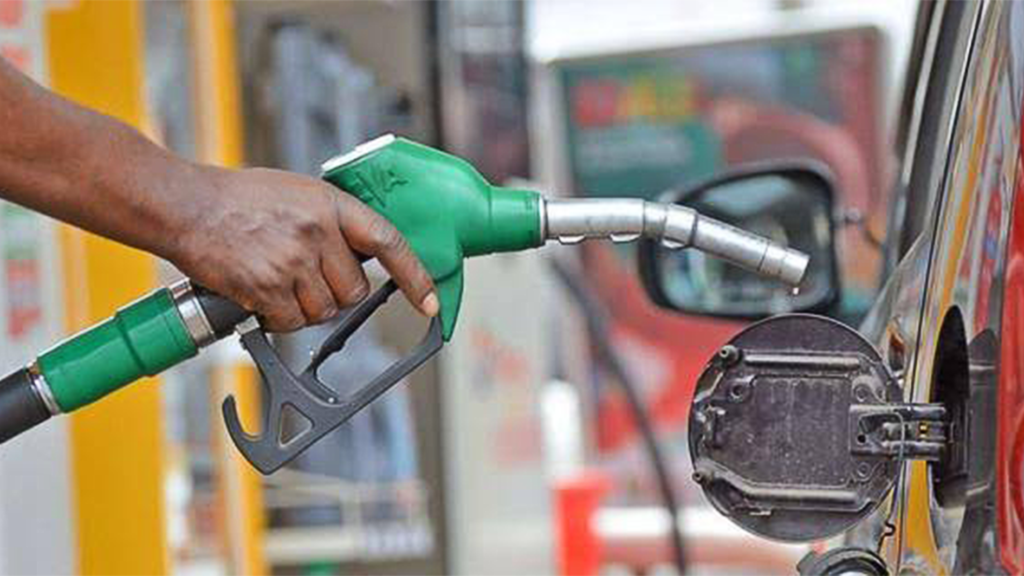
Fuel stations across Nigeria are displaying numbers many citizens hoped they would not see anytime soon. Petrol prices have jumped to between N1,260 and N1,400 per litre in several cities across the country. The sudden price jump has left drivers, commuters, and small business owners struggling to adjust their daily budgets.
From commercial bus parks in Lagos to major roads in Abuja, Port Harcourt, and Maiduguri, people are feeling the heavy squeeze. Higher pump prices instantly translate to higher transport fares, pricier food items, and increased operational costs for anyone relying on petrol generators.
At WhatsBuzzn, our goal is to break down major national developments in simple terms so you can understand what is going on and figure out your best move. Here is a clear look at why petrol prices surged, how it impacts your daily life, and simple steps you can take to manage your money during this tough period.
Why Petrol Prices Are Rising Across Nigeria
Understanding why fuel prices rise so quickly can feel confusing, especially when Nigeria is a major oil producer. However, local pump prices are now tied directly to global market factors and local refining costs. Here are the primary reasons behind the recent jump to N1,400 per litre.
Spiking Global Crude Oil Prices
The biggest driver of this price jump comes from outside Nigeria’s borders. Tensions in the Middle East have caused global crude oil prices to surge, with Brent crude rising above $100 per barrel.
Build Funnels, Email Lists & Sell Online With One Free Tool
Create funnels, send emails, and sell online using Systeme.io without paying for multiple tools.
Create Free AccountFree forever • No credit card • Beginner-friendly
Because crude oil is the raw material used to produce petrol, higher crude prices mean higher production costs for refineries everywhere. When international crude costs go up, the cost of refined petrol coming into the market goes up as well. Reports from The Guardian Nigeria confirm that these international price movements immediately pushed up ex-depot prices across Nigerian coastal terminals.
Dangote Refinery Price Adjustments
Local refining was expected to protect consumers from international market shocks, but local refineries still buy crude oil at prevailing market rates. Dangote Petroleum Refinery recently adjusted its ex-depot price from N1,075 to N1,215 per litre as it resumed truck loading.
As reported by Vanguard News, domestic refiners face immense financial pressure when global crude prices spike. When the refinery raises its wholesale price, petroleum marketers must also raise their retail prices at filling stations to cover transport, storage, and retail margins.
A Fully Deregulated Fuel Market
Nigeria operates a deregulated downstream petroleum market under the Petroleum Industry Act (PIA). This means the government no longer sets petrol prices or pays fuel subsidies.
Instead, prices move freely based on supply, demand, crude oil prices, and currency exchange rates. While deregulation aims to encourage private investment and prevent long-term fuel scarcity, it also means consumers feel every sharp movement in international energy markets.
How the N1,400 Fuel Price Hike Is Hitting Everyday Life
When petrol prices increase, the effect does not stop at the pump. Petrol powers the vehicles that bring food to markets, the buses that take workers to offices, and the generators that keep small businesses running.
Transport Fares Are Skyrocketing
Commercial transport operators were among the first to adjust their rates. Bus drivers and taxi operators now pay significantly more to fill their tanks, forcing them to pass the extra cost on to passengers.
In major urban areas, daily transit costs have doubled on several routes. In places like Maiduguri, long-distance bus fares to cities like Kano jumped from N20,000 to N25,000 almost overnight. For millions of workers earning fixed monthly salaries, commuting now swallows a massive chunk of their income.
Food Prices and Market Logistics
Moving food from rural farms to urban markets requires trucks that run on fuel. When transport costs rise, traders must raise the prices of food items to avoid making losses.
Essential items like rice, garri, beans, yam, and fresh vegetables have all seen fresh price hikes. A detailed report by Punch Newspapers showed how fuel price shocks directly drive up the cost of preparing basic meals for average families across the country.
Small Businesses Are Feeling the Strain
Millions of small businesses in Nigeria rely on petrol generators to stay open due to public power supply challenges. Barbers, hairdressers, cold-room operators, dry cleaners, and business centers are facing tough choices.
Running a small 3.5kVA generator for eight hours a day now costs thousands of Naira more than it did a few weeks ago. Many business owners are forced to raise their prices, while others are shortening their working hours to save fuel.
Household Budgets and Daily Sacrifices
For average households, living costs are stretching tight. Families are making tough sacrifices to cover basics like food, rent, and school fees.
Many people are cutting down on non-essential travel, buying fewer discretionary goods, and searching for smarter ways to stretch every single Naira.
Practical Ways to Navigate High Fuel Costs
While you cannot control the global price of crude oil or the price at local filling stations, you can adjust how you spend and move. Here are simple, practical steps to help you survive this period of high fuel prices.
Rethink Your Daily Transportation
- Embrace Carpooling: If you drive to work, talk to colleagues or neighbors who live near you and travel along the same route. Sharing fuel costs among three or four people reduces daily transport expenses significantly.
- Combine Your Errands: Avoid making multiple short trips during the week. Group your grocery shopping, school runs, and personal errands into a single trip to save fuel.
- Use Public Transport When Practical: Leaving your car at home two or three days a week can save you thousands of Naira in fuel and reduce vehicle wear and tear.
- Work Remotely If Possible: If your job allows remote work, speak with your employer about working from home a few days each week to save on transport costs.
Cut Power Costs with Smart Energy Choices
- Switch to Energy-Saving Bulbs: Replace traditional bulbs with LED lights that use far less electricity, reducing the load on your generator or solar system.
- Unplug Unused Appliances: Electronics consume small amounts of power even when turned off. Unplugging devices helps maximize power efficiency.
- Explore Basic Solar Options: Investing in a basic solar system or DC power station for charging phones, running fans, and lighting can reduce your dependence on petrol generators. Staying informed about modern gadgets through our Technology & AI insights can help you choose energy-efficient tools that lower living costs.
Look for Ways to Diversify Your Income
- Learn Digital Skills: The world is shifting toward online work. Acquiring basic digital skills allows you to offer services globally and earn additional income.
- Explore Content Creation: Online platforms offer flexible ways to build alternative income sources. If you want to learn how people build scalable online channels, check out our guide on YouTube Automation strategies.
- Start a Small Side Business: Look for simple services you can offer within your community that require minimal fuel or overhead costs.
Adjust Your Monthly Family Budget
- Track Every Expense: Write down everything you spend money on for two weeks. Identifying where your money goes makes it easier to spot unnecessary expenses you can pause.
- Buy Food Items in Bulk: Join hands with family members or friends to buy foodstuffs like rice, beans, and oil in bulk directly from wholesale markets to get better prices.
- Focus Strictly on Needs: Temporarily pause non-essential subscriptions, eating out, and leisure travel until fuel prices and overall living costs stabilize.
What to Expect in the Coming Months
Energy analysts and economic experts suggest that fuel prices will remain closely linked to international crude oil trends and domestic exchange rates. As long as global crude oil prices stay elevated due to international conflicts, local fuel prices are unlikely to drop sharply overnight.
However, increased domestic refining capacity from local facilities like the Dangote Refinery is expected to bring better market stability over time. As supply logistics improve and local crude supply arrangements settle, supply bottlenecks should lessen.
For now, staying adaptable, managing daily expenses carefully, and looking for ways to boost household income remain the best ways to navigate these economic pressures.
Frequently Asked Questions
Why did petrol reach N1,400 per litre in Nigeria?
Petrol prices reached N1,400 per litre due to a sudden increase in global crude oil prices, higher ex-depot prices from local refineries and depots, and the full deregulation of Nigeria’s downstream petroleum sector.
Is Dangote Refinery still supplying fuel to the local market?
Yes, Dangote Petroleum Refinery is actively refining and supplying petrol to the domestic market. However, because the refinery purchases crude oil at international market rates, changes in global crude prices affect its wholesale ex-depot rates.
Why do higher petrol prices make food items more expensive?
Most food items are transported from rural farms to urban markets using fuel-powered trucks. When fuel prices rise, transport costs go up, and sellers must increase food prices to cover their transportation expenses.
How can small businesses reduce generator fuel expenses?
Small businesses can reduce fuel costs by switching to energy-efficient appliances, using solar power systems for low-energy tasks like lighting and fans, and operating petrol generators only during core business hours.
Where can I get daily updates on economic and trending news in Nigeria?
You can follow real-time updates and trending stories by connecting with us on our social media pages:
- Follow us on Instagram
- Like our page on Facebook
- Join our community on X (formerly Twitter)
Living through sharp fuel price hikes is never easy, but staying informed helps you make smart choices for your home and business. By adjusting your daily transport habits, cutting down on unnecessary energy use, and exploring new ways to boost your income, you can protect your wallet and stay afloat. If you have questions, feedback, or want to share how you are managing fuel costs in your area, feel free to reach out to us through our contact page.
