
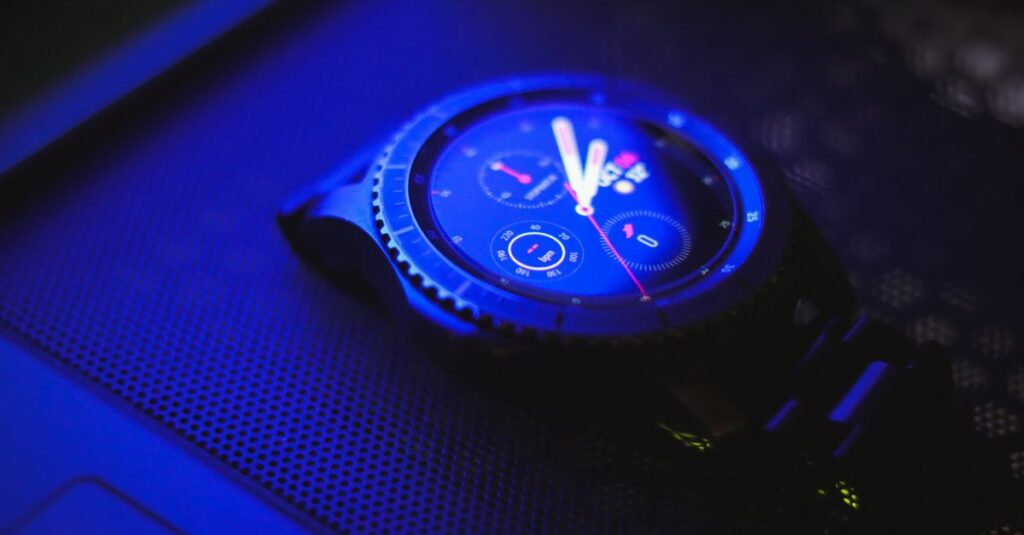
The Samsung Galaxy Watch lineup has grown beyond just a few models. Now there are multiple series designed for different people and different needs. Picking the right one can feel tricky if you do not understand what each model does best.
This guide breaks down every current Galaxy Watch model in simple terms. You will learn what each one is good at, where it falls short, and which one actually fits your wrist.
A Quick Look At The Current Lineup
As of 2026, Samsung sells several watch models at different price points:
- Galaxy Watch 8 – The standard everyday smartwatch
- Galaxy Watch 8 Classic – Traditional watch design with a rotating bezel
- Galaxy Watch Ultra – Rugged model for outdoor adventures
- Galaxy Watch FE – Budget-friendly option with core features
- Galaxy Watch 7 – Still available as an affordable alternative
- Galaxy Watch 6 Classic – Older premium model worth considering
The standard Watch series is a versatile all-rounder, while the Classic focuses on a traditional watch design and the Ultra is built for durability and outdoor use. All current models run Wear OS and include pre-installed Google apps like Maps and the Play Store.
Galaxy Watch 8: Best For Most People
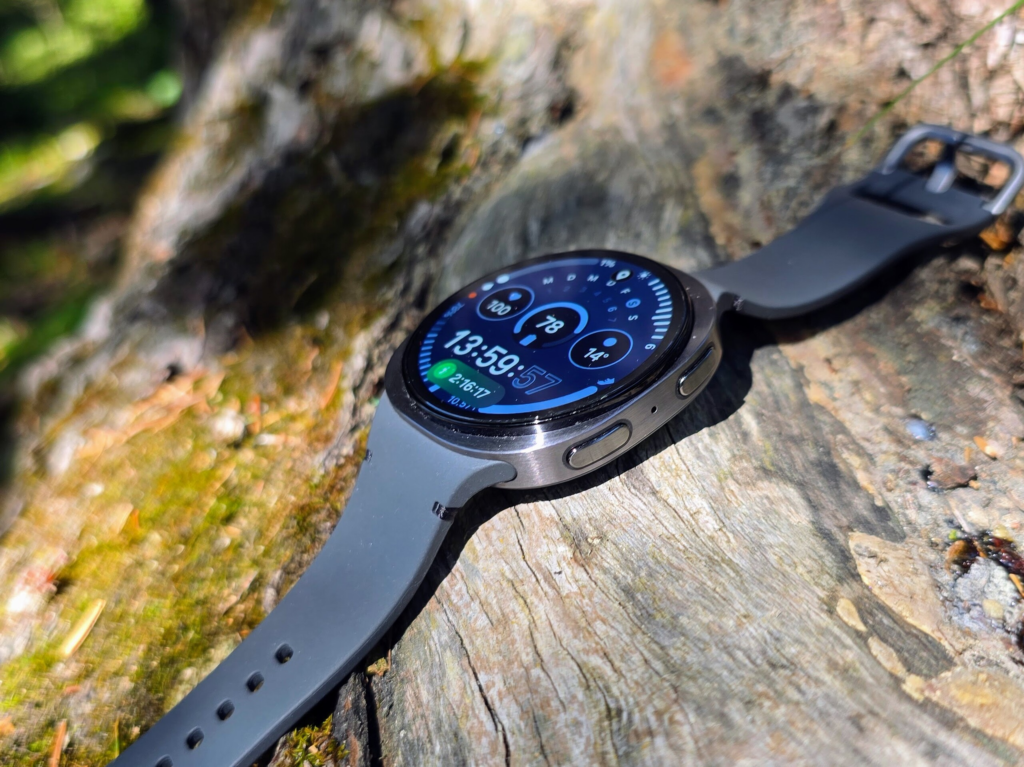
The Galaxy Watch 8 is the standard model and the one most people should consider first. It is a great all-around smartwatch, earning strong praise from reviewers in early 2026.
Build Funnels, Email Lists & Sell Online With One Free Tool
Create funnels, send emails, and sell online using Systeme.io without paying for multiple tools.
Create Free AccountFree forever • No credit card • Beginner-friendly
This model comes in two sizes: 40mm and 44mm. The 44mm version uses a 1.5-inch Super AMOLED display while the 40mm uses a 1.3-inch panel. Both screens are protected by sapphire crystal, which is very hard to scratch.
Under the hood, the Watch 8 runs a new 3nm processor that makes it fast and power-efficient. The standard battery lasts about one to two days with typical use, but heavy use might require daily charging.
Who should buy this: Anyone who wants a reliable, modern smartwatch without paying extra for specialized features. It works well for fitness tracking, getting notifications, and daily wear.
Galaxy Watch 8 Classic: The Premium Experience
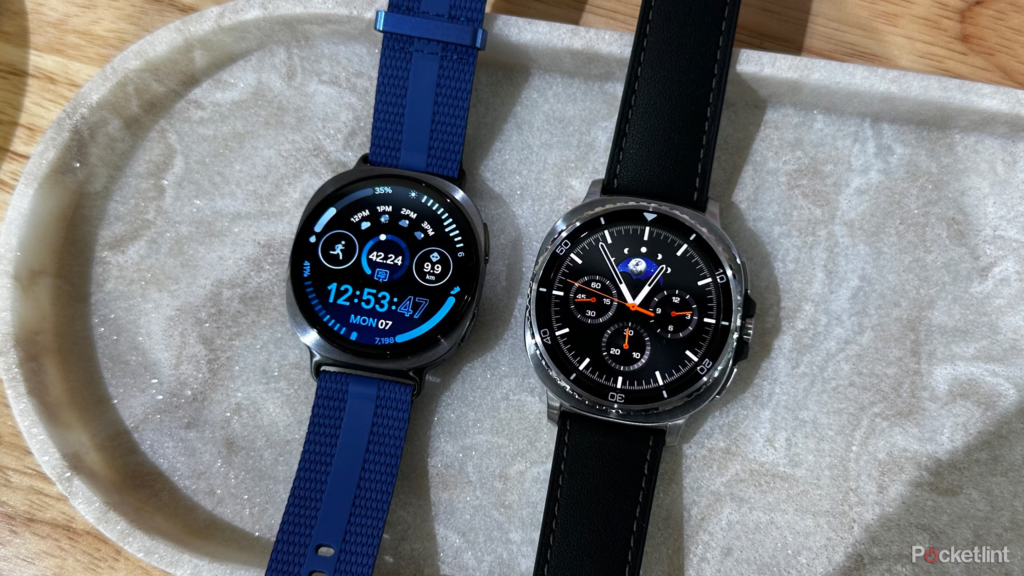
The Galaxy Watch 8 Classic stands out because of its physical rotating bezel. This metal ring turns with satisfying clicks, making navigation smoother and more intuitive than tapping on a screen. Many users love this feature and consider it central to their smartwatch experience.
The Classic model also feels more premium. It uses a stainless steel body and comes in sizes that look and feel like a traditional watch. The 46mm size hits a nice balance for most wrists, being large enough to read easily without feeling bulky under a shirt cuff.
Battery life is slightly better than the standard Watch 8, reaching up to 48 hours compared to 40 hours.
Who should buy this: Anyone who prefers a classic watch look, misses the rotating bezel from older models, or wants something that looks appropriate in business settings. The Classic is the smartwatch to get if design matters as much as function.
Galaxy Watch Ultra: For The Outdoors And Serious Athletes
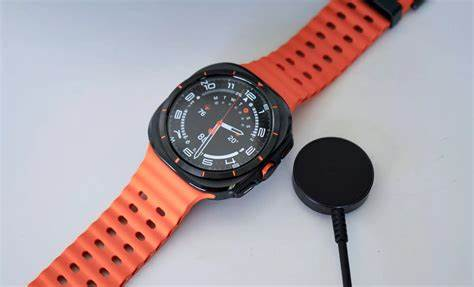
The Galaxy Watch Ultra is the toughest watch Samsung makes. It is built to handle extreme conditions that would damage other smartwatches.
The Ultra has a 1.5-inch Super AMOLED display with 480 x 480 resolution, offering crisp visibility even in bright sunlight. The titanium case adds durability while keeping LTE connectivity built into every unit.
The biggest advantage comes from the massive 590mAh battery, which is significantly larger than the 425mAh battery in the standard Watch 7. In real-world testing, after about 18 hours of use, an Ultra still had 66% battery remaining while a standard model dropped to 58%. In power-saving mode, the Ultra can last up to 100 hours.
The Ultra also offers superior water resistance rated at 10 ATM and can withstand 55°C heat and altitudes up to 9,000 meters.
Who should buy this: Hikers, runners, campers, and anyone who spends long periods away from chargers. If you break regular watches easily or need something that can take a beating, the Ultra is worth the higher price.
Galaxy Watch FE: Smartwatch Basics On a Budget
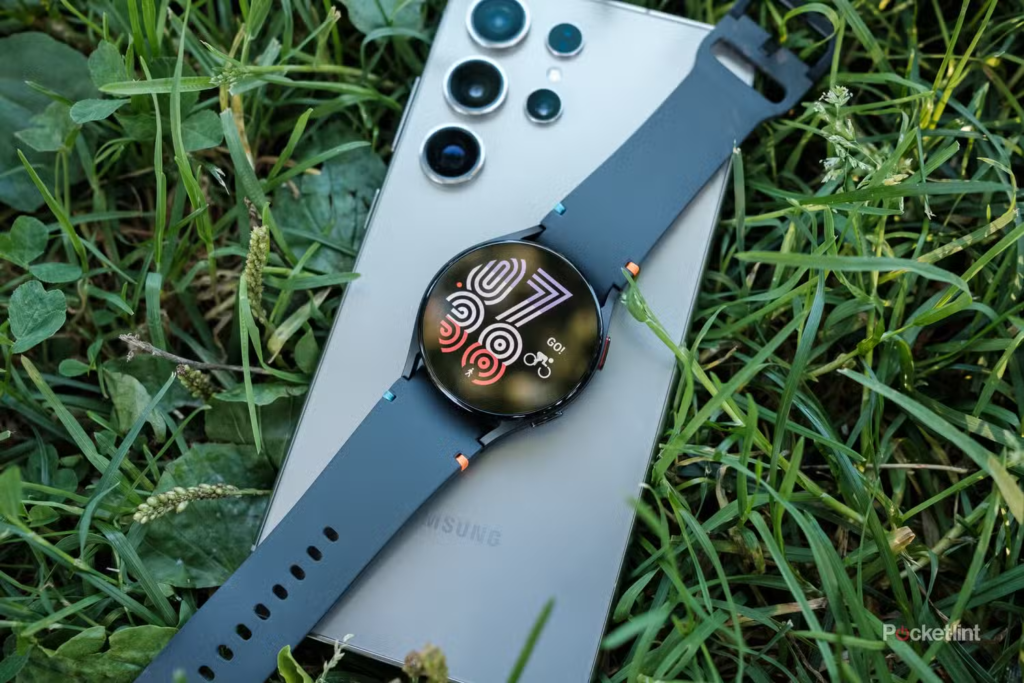
The FE stands for “Fan Edition,” which essentially means a solid smartwatch at a lower price point.
The Watch FE runs Wear OS and offers nearly all the health tracking features of more expensive models, including heart rate monitoring, SpO2 tracking, sleep analysis, VO2 Max measurements, and advanced running metrics like asymmetry and vertical oscillation. It tracks over 100 different workouts and includes body composition analysis.
The display is a 1.2-inch Super AMOLED panel, which is smaller than the premium models. It uses an older Exynos W920 processor with 1.5GB of RAM and 16GB of storage.
Who should buy this: First-time smartwatch buyers, students, or anyone who wants Samsung’s health features without spending a lot. The FE gives you the core experience at a lower price.
Galaxy Watch 7 And Watch 6 Classic: Still Worth Considering
Not everyone needs the newest model. The Galaxy Watch 7 and the Watch 6 Classic remain excellent choices if you find them on sale.
The Watch 7 shares much of the same internal hardware as the newer models including the same BioActive sensor and health tracking capabilities. The main difference is the design.
The Watch 6 Classic is particularly appealing for one big reason. It brought back the iconic rotating bezel that some newer models lack, and because it has been on the market longer, it can often be found at a steep discount. The display is covered by sapphire glass, so even after a year or two of use, it still looks new.
One Critical Compatibility Note
Here is something many buyers miss. Galaxy Watch 4 and all newer models are not compatible with iPhones. Older models like the original Galaxy Watch and Galaxy Watch 3 work with iPhones, but anything from the Watch 4 series onward requires an Android phone.
If you own an iPhone, you cannot use a modern Samsung Galaxy Watch.
Health Tracking Across All Models
All current Galaxy Watch models share the same Samsung BioActive Sensor technology. This three-in-one sensor combines optical heart rate monitoring, electrical heart signal monitoring for ECG, and bioelectrical impedance analysis for body composition.
The sensor can measure:
- Heart rate continuously throughout the day
- Blood oxygen levels (SpO2)
- ECG readings to check heart rhythm
- Body fat percentage and skeletal muscle mass
- Stress levels
- Sleep patterns including sleep apnea detection
- AGEs index for metabolic health
Newer models also include irregular heart rhythm notifications and fainting episode predictions up to five minutes in advance using AI.
Battery Life Comparison
Battery performance varies significantly across the lineup. Here is what to expect:
- Galaxy Watch Ultra – Up to 100 hours in power saving mode, roughly 3-4 days of moderate use
- Galaxy Watch 8 Classic – Up to 48 hours with typical use
- Galaxy Watch 8 – Approximately 40 hours to 1-2 days depending on usage
- Galaxy Watch 7 – About 1-2 days before needing a charge
- Galaxy Watch FE – Decent battery life for its price point
The Ultra stands far above the rest for battery endurance. The standard models will get you through a full day and night comfortably, but expect to charge them daily.
Which One Should You Actually Buy?
The right choice depends on your specific situation:
Build Funnels, Email Lists & Sell Online With One Free Tool
Create funnels, send emails, and sell online using Systeme.io without paying for multiple tools.
Create Free AccountFree forever • No credit card • Beginner-friendly
Get the Galaxy Watch 8 if you want a modern, well-rounded smartwatch that does everything well. This is the safe choice for most people.
Get the Galaxy Watch 8 Classic if you prefer traditional watch styling or really want the physical rotating bezel for navigation.
Get the Galaxy Watch Ultra if you are a serious outdoor athlete, go on multi-day trips without access to chargers, or tend to destroy regular watches through rough use.
Get the Galaxy Watch FE if you are on a tight budget but still want solid health tracking and smartwatch features. The compromises are acceptable given the lower price.
Consider older models like the Watch 7 or Watch 6 Classic if you find them on clearance. You can often get premium features at a fraction of the original price.
FAQs
Can I use a Galaxy Watch with an iPhone?
No, not if you buy a Watch 4, 5, 6, 7, 8, Ultra, or FE. These models require an Android phone. Only much older models like the original Galaxy Watch and Watch 3 work with iPhones.
How long does the battery last on a Galaxy Watch?
It depends on the model. Expect 1-2 days from standard models, up to 2 days from the Classic, and 3-4 days from the Ultra. Heavy use with GPS and always-on display reduces battery life further.
Do Galaxy Watches work without a phone?
Yes, LTE models can make calls, send texts, and stream music without your phone nearby. Bluetooth models require the phone to be within range for full functionality.
Are Galaxy Watches waterproof enough for swimming?
Yes. All recent models are rated IP68 and 5 ATM, meaning they can handle swimming in pools and shallow water. The Ultra goes further with 10 ATM for deeper water activities.
Which Galaxy Watch is best for fitness tracking?
All modern models use the same BioActive sensor, so they track health metrics equally well. The Ultra adds extra durability and GPS accuracy for serious athletes. The standard Watch 8 has been called the best Wear OS fitness watch by multiple reviewers for its comfort and accuracy.
Final Thoughts
Samsung has built a watch lineup that truly has something for everyone. The standard Watch 8 is the best all-around choice; the Classic adds style and that beloved rotating bezel, the Ultra brings extreme durability and battery life, and the FE makes smartwatches accessible to more people. The key is being honest about what you actually need.
Do you really need the Ultra’s multi-day battery and titanium construction, or would the Watch 8 serve you just fine? Think about how you actually use a watch before you buy. Share your thoughts in the comments below.
