

If you’re new to affiliate marketing, figuring out where to start can feel overwhelming. There are dozens of networks, hundreds of programs, and a lot of confusing advice online.
Here’s the simple truth: you don’t need to join ten different programs at once. Most beginners only need one or two good ones to start making money.
I’ve tested and used many affiliate programs over the years. Some paid well but were hard to get into. Others were easy to join but barely made any money. The seven listed below are the sweet spot—beginner-friendly, reliable, and worth your time.
Let’s get into them.
1. Amazon Associates
Amazon’s affiliate program is usually the first one people join. For good reason.
You can promote almost anything—books, kitchen gadgets, electronics, toys, pet supplies. If it exists, Amazon probably sells it. That means you’ll always find something relevant to your audience.
Why it’s great for beginners:
Approval is quick and easy. You just need an active website, blog, or social media account. No minimum traffic requirements. No complicated application process.
Commission rates:
Ranges from 1% to 10% depending on the product category. Luxury beauty and furniture can hit 10%. Most everyday items are around 3-5%.
Payment details:
Paid monthly via direct deposit, gift card, or check once you reach $10 (gift card) or $100 (other methods).
Realistic expectation:
Don’t expect big bucks from a single sale. Amazon works best when you send lots of visitors. Many successful affiliates use Amazon as a secondary income stream, not their main one.
Pro tip:
Promote products people already search for—like “best coffee maker under $50” or “wireless mouse for small hands.” These convert better than random links.
2. ShareASale
ShareASale is one of the oldest and most trusted affiliate networks. Think of it as a mall where thousands of merchants list their affiliate programs in one place.
Why it’s great for beginners:
Signup is free and straightforward. Once approved, you can browse hundreds of programs and apply to as many as you want. Many merchants accept beginners without a fuss.
Commission rates:
Varies wildly. Some merchants offer 5%, others 20% or more. You’ll find both flat fee (like $10 per sale) and percentage-based commissions.
Payment details:
Paid monthly once you reach $50. Direct deposit, Payoneer, or check.
Realistic expectation:
The quality of merchants varies. Some are excellent. Others have outdated tracking or poor support. Always check a merchant’s “average sale amount” and “conversion rate” before applying—ShareASale shows these stats.
Pro tip:
Look for merchants with a high “7-day EPC” (earnings per click). That number tells you how much affiliates earn on average for every 100 clicks. Stick to programs with an EPC above $1.00.
3. ClickBank
ClickBank specializes in digital products—online courses, software, membership sites, and ebooks. Commissions are much higher here than on Amazon.
Why it’s great for beginners:
Anyone can sign up. No website review. No traffic minimums. You could join today and start promoting within an hour.
Commission rates:
Typically 50% to 75% per sale. Sometimes even higher. A $100 product can earn you $50 to $75.
Payment details:
Paid weekly or bi-weekly once you reach $100 (weekly) or $250 (bi-weekly). Direct deposit, wire, or check.
Realistic expectation:
ClickBank has a reputation problem. Some products are low quality or overly hype-y. You have to be picky. Also, refund rates can be high for digital products. If a product has a refund rate above 5%, think twice before promoting it.
Pro tip:
Sort products by “gravity” (a metric showing how many affiliates are making sales). High gravity means the product is selling well. But don’t chase gravity alone—check customer reviews and the sales page first. Promote only what you’d buy yourself.
4. Rakuten Advertising
Formerly known as Rakuten LinkShare, this network hosts big-name brands like Walmart, Macy’s, Best Buy, and Sephora.
Why it’s great for beginners:
Rakuten has lowered its entry requirements over the years. You don’t need a massive site anymore. A decent blog or social following will often get you approved.
Commission rates:
Varies by brand. Many offer 3% to 10% on retail products. Some offer flat fees like $5 per signup.
Payment details:
Paid quarterly (every three months) once you reach $50. Direct deposit or check. The quarterly payment schedule is slower than others, so keep that in mind.
Realistic expectation:
Rakuten is pickier than Amazon or ShareASale. If your website is brand new with almost no content, wait a few months. Add 10-15 quality posts first. Then apply.
Pro tip:
Look for “coupon” or “deal” programs within Rakuten. These let you promote discount codes. People love saving money, and coupon links convert very well.
5. CJ Affiliate (formerly Commission Junction)
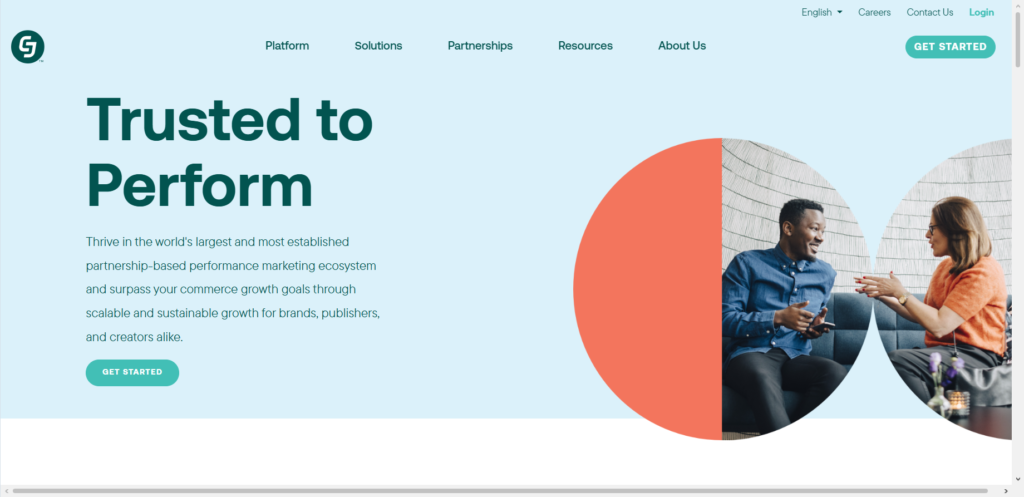
CJ is another giant in the affiliate space. You’ll find huge brands like GoPro, Home Depot, Priceline, and Bluehost here.
Why it’s great for beginners:
It’s gotten more beginner-friendly in recent years. CJ now has a “CJ Starter” program that helps new affiliates get their first approvals.
Commission rates:
Wide range. SaaS products might pay 30% recurring. Retail products pay 3% to 8%. Travel and booking sites pay flat fees per reservation.
Payment details:
Paid monthly once you reach $50. Direct deposit, Payoneer, or check.
Realistic expectation:
CJ still rejects many new websites. Don’t take it personally. If rejected, work on your site for 2-3 months and reapply. Add an “About Me” page, clear contact info, and consistent content. That builds trust.
Pro tip:
Use CJ’s “Product Search” tool to find items with high “commission” and “conversion rate.” Then check the “cookie duration” (how long after a click you get paid). 30 days is good. 60 or 90 days is excellent.
6. Impact
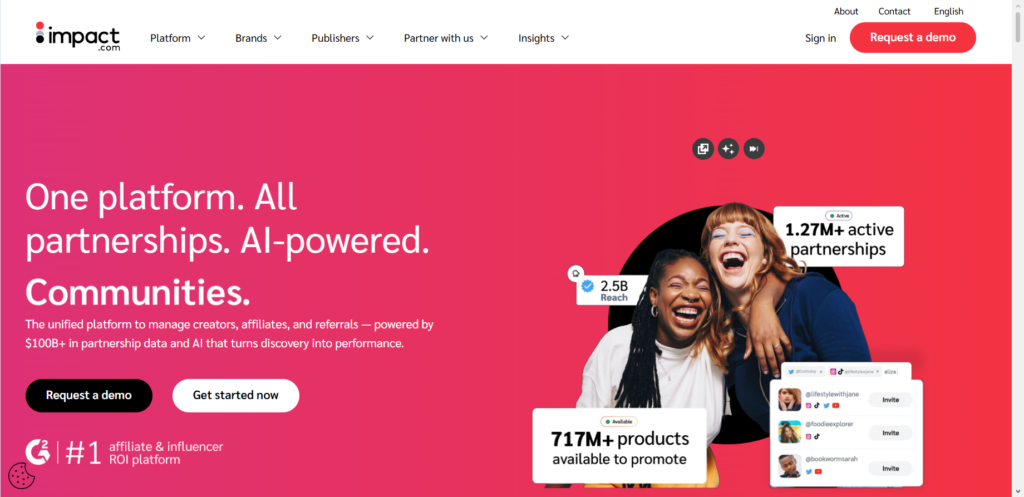
Impact is a newer network that many big brands have moved to. You’ll find companies like Ticketmaster, Canva, and Airbnb on Impact.
Why it’s great for beginners:
The interface is clean and modern—much easier to use than older networks. Many brands on Impact accept smaller publishers because they value diversity.
Commission rates:
Varies. Some brands offer 10-20% recurring commissions for software subscriptions. Others offer flat fees per booking or lead.
Payment details:
Paid monthly once you reach $50 (or whatever the brand sets). Multiple payout options including PayPal and direct deposit.
Realistic expectation:
Impact is growing fast, but not every brand will accept you. Start with smaller, less competitive brands on the network. Build a track record, then apply to bigger names.
Pro tip:
Look for “hybrid” deals that pay both a small flat fee plus a percentage. For example, $5 plus 10% per sale. These add up nicely over time.
7. PartnerStack
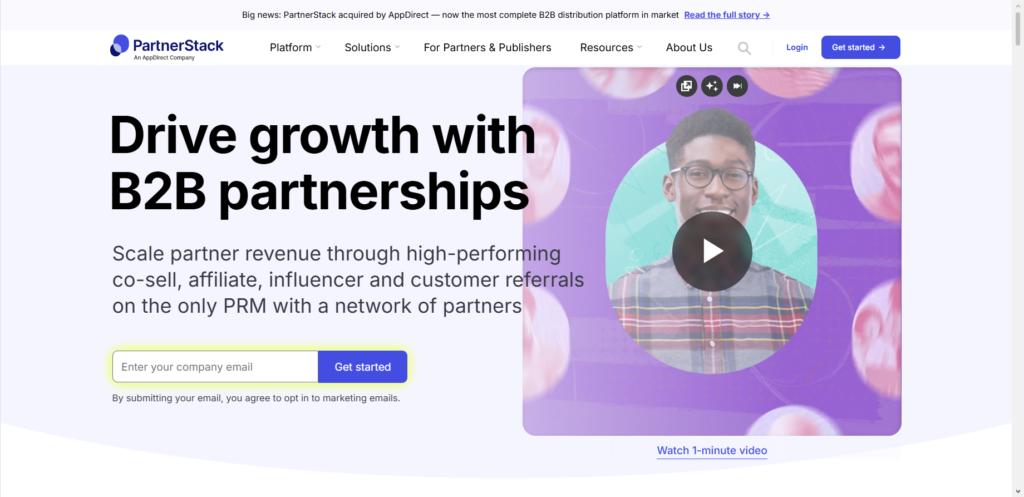
PartnerStack focuses on B2B software, SaaS, and digital tools. If you write about productivity, marketing, or business software, this is your best bet.
Why it’s great for beginners:
PartnerStack is designed for individuals, not just agencies. You can join as a solo affiliate. Many programs on PartnerStack offer recurring commissions, meaning you get paid every month as long as the customer stays subscribed.
Commission rates:
Typically 15% to 30% recurring. Some programs offer a one-time payment of $50 to $200 per sale.
Payment details:
Paid monthly via PayPal, Stripe, or direct deposit. Minimum payout varies by program but is often $25 to $50.
Realistic expectation:
B2B products have longer sales cycles. Someone might click your link today and buy three weeks later after researching. Be patient. The upside is that one customer can earn you hundreds or thousands of dollars over time.
Pro tip:
Write honest comparisons between two similar software tools. For example, “Tool A vs Tool B: Which is better for small teams?” Include your affiliate link for the one you recommend. These posts rank well on Google and attract buyers who are ready to purchase.
How to Choose the Right Program for You
You don’t need to join all seven. That’s a fast path to burnout.
Here’s a simple way to decide:
- If you have a general blog or review site → Start with Amazon Associates + ShareASale.
- If you promote courses or info products → Start with ClickBank.
- If you have a site about software or business tools → Start with PartnerStack.
- If you want big retail brands → Start with Rakuten or CJ Affiliate.
Pick one. Learn how it works. Make your first few sales. Then add a second program.
A Few Honest Words About Money
Affiliate marketing is not a “post a link and get rich” thing. That’s a lie people sell to make you buy their course.
Here’s what actually happens:
Month one: You make $0. Maybe $5 if you’re lucky.
Month three: You start seeing $50 to $200 if you’re consistent.
Month six: $500 to $1,000 is possible with good traffic and smart promotion.
Some people make six figures. Most don’t. The ones who succeed treat it like a real business—they create useful content, build an email list, and earn trust over months or years.
Be honest with your audience. Disclose that you use affiliate links. Never recommend something just for the commission. Your reputation is worth more than a quick sale.
Frequently Asked Questions
Do I need a website to start affiliate marketing?
No. You can use YouTube, Instagram, TikTok, or even a newsletter. That said, a website (blog) gives you more control and long-term traffic from Google. Start with whatever platform you already use.
How much money can a beginner make in the first month?
Most beginners make $0 to $20 in month one. That’s normal. Don’t quit. Focus on learning, not earning, for the first 60 days.
Which program pays the fastest?
ClickBank pays weekly. Amazon pays monthly. ShareASale pays monthly. Impact and PartnerStack also pay monthly. No program pays instantly—you usually wait 30 to 60 days due to refund windows.
Do I need to pay taxes on affiliate income?
Yes. Affiliate commissions are taxable income. Keep track of what you earn. In the US, you’ll get a 1099 form if you make over $600 in a year. Talk to a tax person if you’re unsure.
Can I join multiple programs at once?
Absolutely. Many affiliates are in 5 to 10 programs. Just don’t overwhelm yourself. Master one, then add another.
Final Thoughts
The best affiliate program for beginners is the one you’ll actually use. It doesn’t matter if a program pays 75% commission if you never promote it. Pick one from this list. Set up your links. Write one helpful post or record one honest video. See what happens.
Affiliate marketing rewards patience and consistency. Not luck. Not shortcuts.
So here’s my question for you: Which of these seven programs feels like the best fit for what you’re already doing online? And what’s one small step you can take this week to get started with it?
