
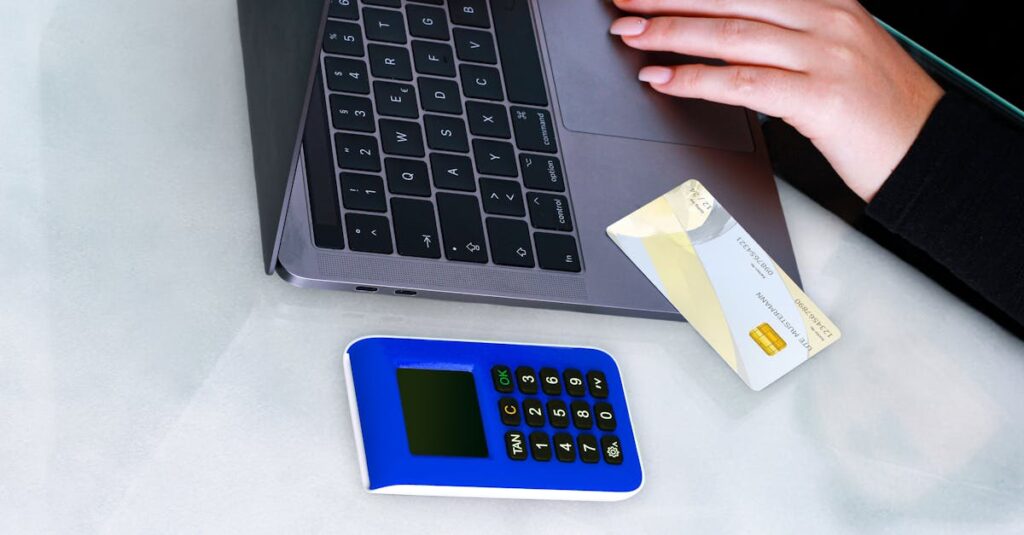
You do not need a credit card, a website, or any paid tools to start affiliate marketing. That is a myth that keeps a lot of people stuck.
What you actually need is time, a little bit of creativity, and the willingness to help people before you try to sell them anything.
I have seen people go from zero followers and zero dollars to making their first affiliate sale within a few weeks. Not because they got lucky, but because they followed a simple system that works.
This guide walks you through exactly how to do that. No fluff. No expensive courses. Just real steps you can take today with nothing but your phone or laptop.
1. Pick a Topic You Actually Care About
A lot of beginners make the mistake of chasing the highest paying products. That usually backfires because you end up writing about things that bore you, and that shows in your content.
Instead, ask yourself three simple questions:
- What do I enjoy learning about or doing in my free time?
- What problems have I solved for myself recently?
- What do my friends ask me for advice about?
Your answers to those questions are your best niche ideas.
For example, maybe you fixed a leaky faucet last week using a specific tool. Or you figured out how to meal prep on a tiny budget. Or you found a pair of hiking shoes that actually last.
Those everyday experiences are gold for affiliate marketing because they feel real. And real content builds trust faster than anything else.
2. Choose a Free Platform to Share Your Content
You do not need to buy a domain name or pay for hosting. There are several platforms where you can start publishing content for free.
Here are the best ones for beginners with no money:
Medium – This is like a giant blog where anyone can write. You create a free account, write articles, and add your affiliate links. Medium already has millions of readers, so you do not have to build an audience from scratch.
YouTube – If you are comfortable talking on camera or even just recording your screen, YouTube is free. You can make videos reviewing products or showing how to do something. Add your affiliate links in the video description.
Pinterest – This is a search engine, not just a social media app. You create free pins (images with text) that link to your content. Pinterest sends free traffic for months or even years after you post.
Reddit – There are communities (subreddits) for almost every topic. You can join conversations and share helpful answers. When someone asks for a product recommendation, you can link to your review or directly to an affiliate link if the subreddit allows it.
Pick one platform and get really good at it before adding another. Trying to do everything at once will burn you out.
3. Join Affiliate Programs That Accept Anyone
Most affiliate programs are free to join. You just need to sign up and get approved. Some programs approve everyone instantly. Others take a few days.
Start with these beginner-friendly programs:
Amazon Associates – Amazon has almost every product you can think of. You get a small commission when someone buys through your link. Approval is easy, but you need to make three qualifying sales within 180 days to stay active.
ShareASale – This is a network with thousands of brands. Sign up once and then apply to individual programs. Many accept new affiliates with no traffic requirements.
ClickBank – Mostly digital products like courses and software. Commissions are higher than Amazon (often 50% or more). They approve almost everyone.
Impact and Rakuten Advertising – These are also affiliate networks with lots of big brands. Sign up is free.
When you join, be honest on the application. Tell them you are a beginner using free platforms like Medium or YouTube to share content. Most programs accept that.
4. Create Content That Helps First, Sells Second
Here is where most people go wrong. They write posts that say “Buy this product” over and over, and then wonder why no one clicks.
The right way is to focus on helping someone solve a problem. When you do that, recommending a product becomes a natural part of the conversation.
Here are three types of content that work well for beginners:
The “How I Solved X” Post – Write about a problem you had and exactly how you fixed it. Mention the product you used and why it worked for you. This feels honest because it is.
The Comparison Post – Take two similar products and compare them. Which one is better for a tight budget? Which one lasts longer? Which is easier to use? People search for these comparisons all the time.
The Beginner’s Guide – Teach someone how to do something from start to finish. If a product makes that task easier, mention it as a tool they might find useful.
Keep your writing simple. Short sentences. Short paragraphs. Use examples and stories from your own life. That is what makes content feel real.
5. Get Traffic Without Spending a Dollar
You can write the best content in the world, but if no one sees it, you will not make sales. The good news is that free traffic is absolutely possible.
For Medium – Focus on writing headlines that make people curious. Publish consistently, at least once or twice a week. Medium’s algorithm shows your articles to more people when they get good engagement.
For YouTube – Use keywords in your video titles that people actually search for. For example, instead of “My Favorite Coffee Maker,” try “Best Cheap Coffee Maker Under 30 Dollars.” The second one tells people exactly what they will get.
For Pinterest – Create vertical images (the tall ones) with clear text on them. Use keywords in your pin descriptions. Pinterest acts like a search engine, so think about what someone would type to find your content.
For Reddit – Do not just drop links and leave. That gets you banned. Instead, spend time answering questions genuinely. After you have built some reputation, then share a link if it truly helps the person asking.
A simple daily routine that works: spend 30 minutes writing or recording, 15 minutes promoting on one platform, and 15 minutes engaging with other people’s content. Do that for 90 days, and you will see movement.
6. Disclose Your Affiliate Links (This Is Important)
Some beginners try to hide the fact that they are using affiliate links because they think people will not click. That is a mistake for two reasons.
First, it is legally required in many countries. The FTC in the US can fine you for not disclosing.
Second, honesty actually builds more trust. When you say “This link helps support me at no extra cost to you,” most people appreciate the transparency.
Just add a simple line at the beginning or end of your post. Something like:
“Some links in this post are affiliate links. If you buy through them, I earn a small commission at no extra cost to you. I only recommend things I truly use or believe in.”
That is all it takes. No fancy legal language needed.
7. Be Patient and Track What Works
Affiliate marketing with no money is a slow build. You are trading money for time and effort. That means your first sale might take weeks or even a couple of months.
That is normal. Do not quit right before it starts working.
The people who succeed are the ones who keep showing up while everyone else stops after two weeks.
Keep a simple log of what you post and where. After a month, look back and see which pieces of content got the most views or comments. Make more content like that. Stop making content that gets no attention.
If a product is not selling even when people are clicking, try a different product. If a platform is not sending any traffic, focus more energy on a different platform.
8. Scale What Works Once You Have Proof
After you make your first few sales, you will have some data. You will know which topics people care about and which platforms send the most traffic.
That is when you can start thinking about small investments if you want to grow faster. But you never have to spend money if you do not want to.
Some people stay completely free and build a nice side income just using Medium and Pinterest. Others eventually buy a domain name and hosting for a WordPress site (around $5 to $10 a month) because they want more control.
But that is a choice, not a requirement. You can make your first hundred dollars, then your first thousand, without ever opening your wallet.
Frequently Asked Questions
How long until I make my first sale?
For most beginners working consistently, the first sale happens between two weeks and three months. Some people get lucky and make a sale in their first week. Others take longer. The key is to keep going.
Do I need a website or blog?
No. You can use Medium, YouTube, Pinterest, or Reddit. A website is helpful but not necessary to start.
Can I use just one social media platform?
Yes. Pick the one that feels easiest to you. If you hate making videos, do not force YouTube. If you cannot stand writing, try YouTube or Pinterest.
How much money can I realistically make?
With no money spent, a realistic first goal is $50 to $200 per month within six months. Some people do more. Many do less. It depends on your niche, your content quality, and your consistency. Treat it like a long-term project, not a lottery ticket.
What if I do not have any followers?
Followers do not matter as much as you think. Platforms like Medium, YouTube, and Pinterest send traffic from search results, not just from followers. You can make sales with zero followers if your content answers a question someone is searching for.
A Few Honest Truths Before You Go
Affiliate marketing is not a magic money button. It is a skill. Like cooking or playing guitar, you get better with practice.
Some of your early content will not get views. That is fine. Every piece you publish teaches you something.
Some products you recommend will feel wrong after you try them. That is also fine. Update your content or remove the link. Your honesty is worth more than one sale.
And some days you will feel like giving up. On those days, go back to why you started. Maybe it was to pay off a bill. Maybe it was to have more time at home. Maybe it was just to prove to yourself that you could build something from nothing.
That reason is still there. Keep going.
Here is my question for you: What is one small piece of content you could create today about something you already know and love? Not next week. Today.
