
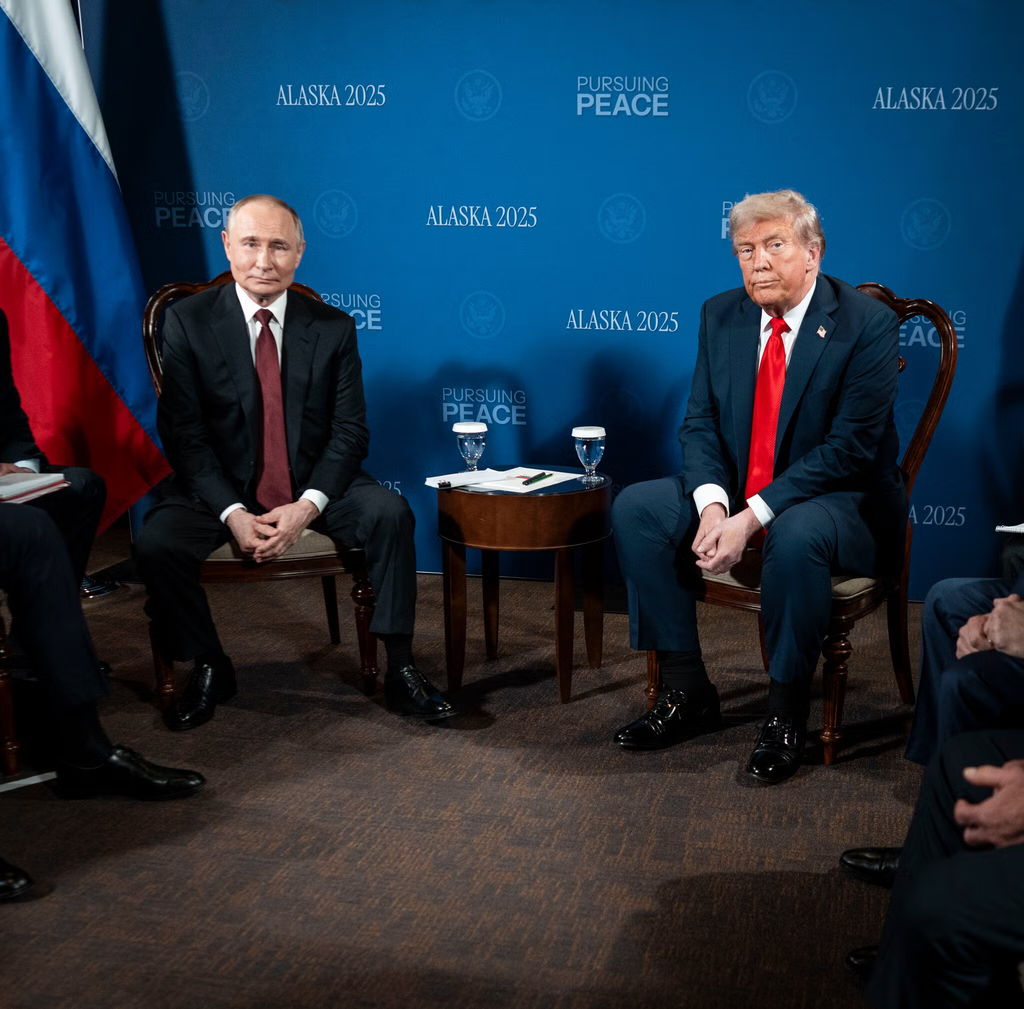
President Donald Trump signed a late-night executive order on Friday waiving sweeping economic penalties and massive tariffs against Russia, just hours before they were scheduled to take effect. The move effectively freezes the toughest parts of the Lindsey O. Graham Sanctioning Russia and Iran Act of 2026. That law, passed by Congress with overwhelming support from both political parties and signed by Trump himself just four weeks ago, aimed to choke off funding for Moscow’s war effort.
Instead of letting the hammer fall on Sunday, the White House stepped in to stop it. The decision halts planned tariffs of up to 500% on Russian goods and duties of up to 100% on foreign countries buying Russian energy. It has touched off immediate anger in Ukraine, widespread shock across Capitol Hill, and deep relief in capitals like New Delhi and Beijing.
The story behind this sudden reversal involves skyrocketing fuel costs, a secret deal for Russian diesel, and a dramatic shift in how Washington handles foreign relations. Here is the full breakdown of what just went down, why it happened, and what it means for everything from global stability to your monthly fuel budget.
What Is the Lindsey Graham Act of 2026?
To understand why this waiver is causing such an uproar, you have to look at what the bill was designed to do in the first place. The legislation was named after the late Senator Lindsey Graham, who spent his final months pushing Congress to pass the toughest sanctions package yet against Russia. Graham teamed up with Democratic Senator Richard Blumenthal to create a law that would strip Moscow of its oil revenues and penalize any nation helping Vladimir Putin evade existing trade bans.
The bill was not a minor tweak to trade rules. It was a massive piece of economic artillery.
The $0 Secret To Launching Your Entire Online Empire
Why pay hundreds every month for separate software? Build funnels, send emails, and make sales with Systeme.io completely free.
Get Started For $0Free Forever • No Credit Card Needed • Beginner-Friendly
The core of the legislation gave the White House the authority to slap 500% tariffs on all Russian imports entering American ports. More importantly, it created what trade experts call “secondary tariffs”. Under Section 113 of the Act, the President was authorized to impose import duties of up to 100% on the top five countries buying Russian crude oil and natural gas.
The bill also went after Russia’s “shadow fleet”. These are old, uninsured oil tankers that Moscow uses to move crude across international waters without using Western banking or shipping services. In simple terms, Congress designed the bill to force every major nation to pick a side: either do business with the United States or buy Russian energy, but not both.
Congress passed the bill with rare bipartisan enthusiasm. The Senate approved it by an overwhelming vote of 86 to 11 in August, and the House of Representatives cleared it with a strong 262 to 159 majority in mid-September. Trump signed the bill into law on September 18, 2026.
The 48-Hour Countdown to Sunday’s Deadline
When Trump signed the Graham Act into law in September, a 30-day countdown clock began ticking immediately. Under the terms of the legislation, the steepest tariffs and mandatory restrictions had a hard launch date: Sunday, October 18, 2026.
As that deadline approached, panic began spreading through international trade offices. If the secondary tariffs took effect as written, billions of dollars worth of goods imported into the United States from America’s key trading partners would face overnight 100% price hikes. Importers in New York, Los Angeles, and Chicago were bracing for catastrophic supply-chain shocks.
Foreign ambassadors spent days knocking on doors at the State Department and the Office of the United States Trade Representative. They wanted to know if the White House was really going to enforce the measures or if there was an exit door.
Late on Friday evening, October 16, Trump pulled the emergency brake. Invoking Section 115 of the statute, which allows the President to waive enforcement if he certifies that doing so protects American interests, Trump signed an executive order granting blanket relief.
The order stated plainly that the President was waiving the application of the specified tariffs, trade restrictions, and penalties outlined in the Graham Act. With the stroke of a pen, the Sunday deadline evaporated into thin air.
Why Trump Backed Off: Gas Prices and the Diesel Deal
The biggest question everyone is asking is simple: why sign a law only to gut it 30 days later?
The answer comes down to fuel pumps and everyday pocketbooks. The global energy landscape in late 2026 has been thrown into chaos by widening conflict across the Middle East, particularly around Iran. Traditional shipping lanes through the Persian Gulf have faced major disruptions, cutting off significant flows of crude oil and refined diesel fuel to international markets.
Diesel fuel is the lifeblood of modern commerce. It powers the semi-trucks that haul food to grocery stores, runs the cargo trains that link factories, and fuels heavy farming equipment. When diesel prices spike, the price of everything on retail shelves goes up right along with it.
Trump has made bringing down inflation his number one domestic priority. Imposing massive tariffs on Russian energy buyers would have removed millions of barrels of crude from circulation, driving oil and diesel prices through the roof.
Behind the scenes, the White House had already negotiated a separate, controversial arrangement with Moscow. Under this agreement, Russia agreed to supply massive shipments of refined diesel fuel to stabilize global and American markets.
The supply schedule includes more than 300,000 metric tonnes of diesel delivered immediately, another 500,000 tonnes during November, and 1 million tonnes shortly after that. In exchange for keeping the fuel flowing and preventing a nationwide price shock at gas stations, Trump promised sanctions relief.
Enforcing Lindsey Graham’s tariffs would have broken that arrangement instantly. For Trump, keeping domestic energy prices down took clear precedence over tightening the economic screws on Moscow.
Send, Spend & Hold Money Worldwide Without Hidden Fees
Transfer money internationally at the real exchange rate and hold 40+ currencies in one account.
Open a Wise AccountMid-market rate • Fast transfers • 40+ currencies
The Panic in India and China: Why Asia Breathed a Sigh of Relief
Nobody watched the ticking clock on the Graham Act more closely than government officials in India and China. Over the past three years, both nations have become the world’s biggest purchasers of discounted Russian crude oil.
For India, the proposed 100% tariffs represented an economic nightmare. India imports more than 80% of its crude oil to keep its growing economy running. With Middle Eastern supplies tightened by the Iran conflict, Indian refineries have relied heavily on Russian barrels.
Had the Graham Act been enforced, Indian exports of textiles, generic medicines, electronics, and automotive parts sent to the United States would have been hit with a 100% tax at the American border. Indian diplomats warned Washington in no uncertain terms that such a move would shatter bilateral relations and cause severe damage to trade partnerships.
China faced a similar dilemma. While Beijing regularly brushes off American sanctions rhetoric, facing 100% punitive tariffs on its manufactured goods during an already sluggish export market was a risk Beijing did not want to take.
When Trump issued the waiver on Friday, leaders in New Delhi and Beijing breathed an enormous sigh of relief. Russian state officials also celebrated the news. Kirill Dmitriev, an envoy for Vladimir Putin, publicly described Trump’s decision as a historic moment that avoided a needless global trade breakdown.
Outrage in Kyiv: Ukraine Calls the Decision “Weak”
While energy buyers celebrated, the reaction from Ukraine was furious. Ukrainian President Volodymyr Zelensky did not mince words when asked about the executive order, publicly branding the waiver a weak decision that undermines years of collective sacrifice.
From Kyiv’s viewpoint, sanctions and tariffs are the only non-military weapons powerful enough to restrict Russia’s capacity to build missiles, pay soldiers, and sustain its military operations. By waiving the Graham Act, critics argue, Washington is allowing Moscow to sell its energy freely, pocket billions in foreign currency, and pump that revenue straight into the front lines.
Tensions between the White House and Kyiv have been boiling over for months. Trump has repeatedly criticized Zelensky in recent public remarks, arguing that Ukraine should have made concessions to end the fighting long ago. Trump has gone so far as to publicly suggest that Ukraine might need new leadership to achieve peace.
Ukraine responded to the waiver almost immediately. Within hours of the announcement, Ukrainian military forces launched a fresh wave of long-range drone strikes targeting major oil refineries deep inside Russian territory. The message from Kyiv was unmistakable: if Washington will not stop the flow of Russian oil using trade laws, Ukraine will attempt to stop it using drones.
The Political Firestorm on Capitol Hill
Back home in Washington, the executive order sparked a massive backlash from lawmakers on both sides of the aisle.
The $0 Secret To Launching Your Entire Online Empire
Why pay hundreds every month for separate software? Build funnels, send emails, and make sales with Systeme.io completely free.
Get Started For $0Free Forever • No Credit Card Needed • Beginner-Friendly
Congress specifically wrote the Graham Act to close loopholes that previous administrations had used to soft-pedal sanctions. Lawmakers felt that passing the bill with near-unanimous majorities gave the White House an ironclad mandate to punish Russia. Seeing the entire framework sidelined before it even began felt like a direct slap in the face to Capitol Hill.
Democratic Senator Elizabeth Warren released a blistering statement attacking the decision:
“Tonight’s announcement is another abject and predictable failure in leadership. By waiving these sanctions, Trump is thumbing his nose at Congress’s direction that he ratchet up pressure on the Kremlin and enabling Vladimir Putin to continue his war of aggression.”
Representative Don Beyer also slammed the decision, arguing that the White House is sacrificing long-term national security for short-term political convenience. Beyer warned that giving Russia access to lucrative energy markets will make ending the conflict far harder, not easier.
Even among Republicans who normally back Trump on domestic policy, the mood was sour. Lindsey Graham had spent years warning about the dangers of Russian aggression. Many of Graham’s closest Senate allies viewed the bill as his crowning legislative achievement. Seeing it dismantled within four weeks of his passing felt like a betrayal of his legacy.
For regular updates on breaking political developments, you can read more from CBS News’s ongoing coverage of the Graham Act waivers.
What Did Trump Actually Waive? (And What Still Stands)
With all the angry headlines, it is easy to assume that the United States just dropped every single sanction on Russia. That is not what happened. It is important to look closely at what changed and what remains on the books.
The executive order specifically targets the new powers created under the 2026 Graham Act.
What Was Waived
- The proposed 500% tariff on Russian goods entering the United States.
- The proposed 100% secondary tariffs on top foreign buyers of Russian oil and gas, including India and China.
- New restrictions targeting Russian financial institutions and international energy joint ventures that were scheduled to take effect on October 18.
- Direct enforcement crackdowns on vessels operating in the Russian shadow tanker network under the newly enacted statute.
What Remains in Effect
- Pre-existing sanctions issued under earlier executive orders by previous administrations, including individual asset freezes against Russian oligarchs.
- The Graham Act’s outright ban on American citizens purchasing newly issued Russian sovereign debt, which took effect immediately upon signature in September.
- Financial penalties administered by the U.S. Treasury Department’s Office of Foreign Assets Control against designated state-owned Russian banks.
- Independent sanctions and trade bans imposed by the European Union and the United Kingdom, which are not subject to American presidential waivers.
The Graham Act itself remains official U.S. federal law. It has not been repealed. Trump has merely placed its most aggressive penalties in an indefinite operational freeze.
How This Move Affects You Directly
Foreign trade laws can sound like distant political theater, but decisions like this filter down into daily life very quickly.
When global oil supplies tighten, you feel it immediately at the fuel pump. A sharp rise in crude oil ripples through every product shipped by truck, flown by plane, or packed in plastic.
By refusing to slap 100% tariffs on Indian and Chinese trade goods, Trump averted an immediate spike in retail prices across the country. A 100% tariff on major trading partners would have doubled the wholesale import cost of thousands of everyday goods, ranging from smartphone components to basic clothing and over-the-counter medicine.
Furthermore, bringing 1.8 million tonnes of Russian diesel onto the market helps cap rising transport costs during the peak autumn freight shipping season.
However, there is an obvious trade-off. By keeping Russian fuel flowing and easing trade restrictions, Moscow continues to generate steady revenue to fund its war operations. If the war expands or destabilizes Eastern Europe further, the long-term economic fallout could easily wipe out any short-term savings consumers see at the pump.
Frequently Asked Questions (FAQs)
What is the Lindsey Graham Act of 2026?
The Lindsey O. Graham Sanctioning Russia and Iran Act of 2026 is a federal law passed by Congress in September 2026. It authorized the President to impose up to 500% tariffs on Russian imports and up to 100% secondary tariffs on foreign countries that buy Russian crude oil and natural gas. Its goal was to eliminate Russia’s oil profits and force nations like India and China to stop trading with Moscow.
Why did Donald Trump waive the sanctions right before the deadline?
Trump used the national interest waiver inside the statute to stop the penalties from kicking in on Sunday, October 18. He wanted to avoid a massive spike in global energy prices caused by ongoing fighting in the Middle East. In addition, Trump struck a separate agreement with Russia to deliver 1.8 million tonnes of diesel fuel to stabilize fuel prices, which required offering sanctions relief in return.
Which countries gain the most from this waiver?
India and China are the biggest winners. Both nations purchase massive quantities of discounted Russian oil. If the waiver had not been signed, both countries were facing potential 100% American tariffs on their exports to the United States, which would have severely damaged their economies.
Did this order remove all American sanctions against Russia?
No. It only paused the new tariffs and financial penalties authorized under the recently passed Graham Act. Earlier sanctions targeting specific Russian individuals, state corporations, defense contractors, and sovereign debt purchases remain active and enforceable.
How has Ukraine responded to Trump’s executive order?
President Volodymyr Zelensky called the waiver a weak decision that helps fund Russia’s invasion. Ukrainian forces responded within hours by launching long-range drone attacks against several major oil refineries inside Russia to disrupt Moscow’s fuel production directly.
Can Congress force Trump to enforce the sanctions?
Congress has limited tools while the waiver is active. Lawmakers can introduce a joint resolution of disapproval to try to overturn the presidential waiver, but passing it requires supermajority support in both the House and Senate to survive a guaranteed presidential veto.
The Road Ahead for U.S. Foreign Policy
The waiver on the Lindsey Graham Act marks a clear turning point in how American power is wielded on the world stage. For decades, bipartisan Washington treated economic sanctions as the default tool to punish bad behavior abroad. The White House has now signaled that keeping fuel prices low and avoiding trade wars with giants like India and China takes priority over strict economic containment.
This leaves American foreign policy standing in uncharted territory. Ukrainian leaders feel abandoned, European allies are confused by the shifting signals, and Capitol Hill is actively looking for ways to reassert control over trade policy. Meanwhile, oil markets will spend the coming weeks watching whether Russia actually delivers the promised diesel supplies and whether Ukrainian drones succeed in knocking Russian refineries offline.
One thing is certain: the clash between the White House and Congress over foreign policy is far from finished. As the 2026 political calendar rolls forward, lawmakers will continue pushing for stricter enforcement, while the administration keeps its eyes firmly on the price at the pump.
