
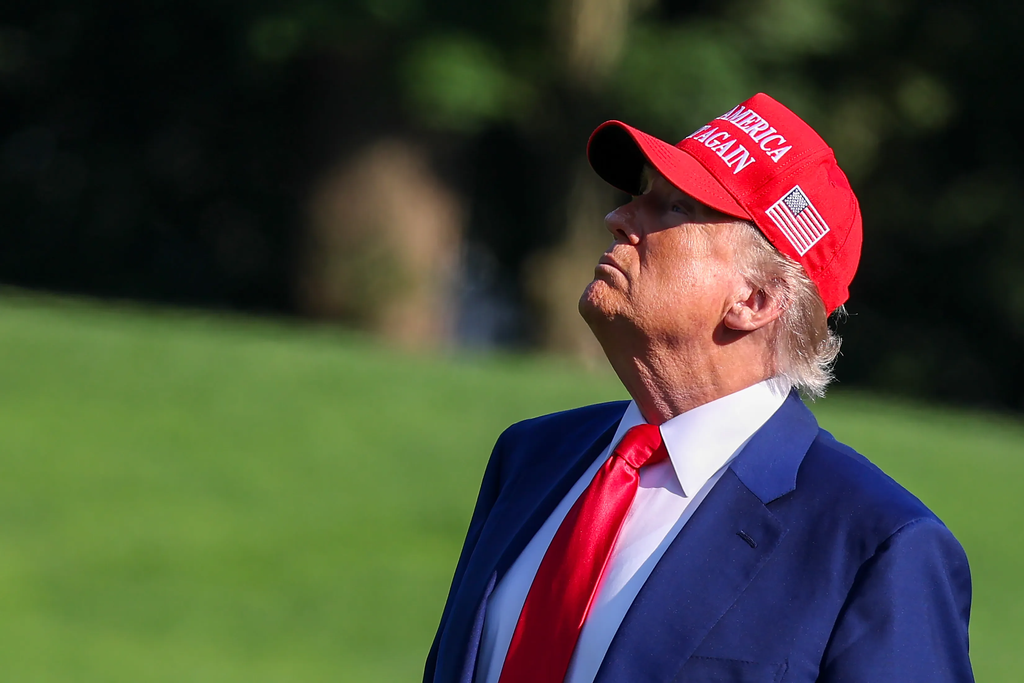
A major international political drama unfolded when United States President Donald Trump announced a massive energy deal with South Korea. Standing before reporters at the White House, Trump claimed that South Korea had agreed to invest a eye-watering $200 billion in American energy projects. The centerpiece of this headline announcement was a massive $54 billion commitment to build a long-sought natural gas export pipeline in Alaska.
The excitement surrounding the announcement was short-lived. Within hours of the press conference, trade officials in Seoul publicly pushed back against the White House claim. South Korean officials clarified that while conversations had taken place, no binding contracts had been signed. They pointed out that President Trump had jumped the gun by presenting preliminary trade discussions as a done deal.
This disagreement has put a bright spotlight on the delicate economic relationship between Washington and its key East Asian ally. It also brings renewed attention to an ambitious Alaska energy project that has struggled to get off the ground for decades.
What Did Trump Actually Announce at the White House?
During a crowded White House briefing, President Trump touted what he framed as a monumental victory for American energy dominance and US job growth. Flanked by lawmakers and state leaders, he outlined a high-profile package of South Korean investments aimed at boosting domestic energy production.
The main highlight was the $54 billion project focused on exporting liquefied natural gas (LNG) out of Alaska. According to the initial White House framing, Korean companies would fund and build a massive liquefaction facility in Nikiski, Alaska. The plan calls for building an 800-mile pipeline across rugged terrain to transport natural gas from northern Alaska down to the coast, where up to 20 million tons of LNG could be processed and shipped across the Pacific Ocean each year.
The $0 Secret To Launching Your Entire Online Empire
Why pay hundreds every month for separate software? Build funnels, send emails, and make sales with Systeme.io completely free.
Get Started For $0Free Forever • No Credit Card Needed • Beginner-Friendly
For Trump, presenting this colossal figure offered a major political talking point during a busy campaign season. With midterm races heating up, the administration has been eager to show voters that its economic trade strategies are bringing billions of foreign dollars directly into American industrial projects.
The announcement was initially reported as a finalized breakthrough for US energy exports, as noted in early coverage on Trump’s energy investment announcements. However, as the finer details emerged, the story shifted dramatically from a completed celebration to a diplomatic puzzle.
Why South Korea Says Trump Jumped the Gun
South Korean trade and energy officials were quick to respond to the White House claims, releasing statements to set the record straight. Officials in Seoul clarified that while they had discussed potential energy cooperation with Washington, those discussions were far from a finalized $54 billion investment package.
According to South Korean representatives, the current agreement is limited to non-binding discussions and shared goals outlined in past joint fact sheets. They emphasized that private Korean energy companies make their own independent decisions based on commercial feasibility, construction costs, and long-term profit margins.
Investing $54 billion in an Alaskan pipeline is a giant financial risk. Korean energy firms have expressed hesitation over several major factors, including:
- Rising construction and raw material costs in remote wilderness areas.
- Regulatory hurdles and strict environmental reviews required in Alaska.
- Volatile global natural gas prices that make decades-long payback periods unpredictable.
- The lack of firm, binding long-term buyer contracts from international markets.
By jumping ahead and declaring the $54 billion deal as a finished fact, the US administration put South Korean leaders in a tough position. Seoul had to choose between staying quiet or publicly correcting the President of the United States to protect its own domestic market credibility.
This pushback comes at a time when South Korea is managing its own economic challenges and massive public spending plans, such as South Korea’s national budget initiatives. Committing tens of billions of dollars to an unproven overseas mega-project without detailed board approvals simply was not something South Korean leadership could endorse.
“I Didn’t Jump the Gun”: Trump Threatens Tariffs in Response
When reporters confronted President Trump at the White House regarding South Korea’s quick denial, he strongly defended his original statements. Trump rejected the idea that he had exaggerated the agreement or acted prematurely.
Trump told reporters that South Korean representatives were present during discussions and insisted that the agreement was real from the American perspective. In classic fashion, he turned the pushback into an immediate trade warning.
Trump remarked that if South Korea did not want to move forward with the $54 billion energy commitment, that was fine with him, but it would come with a heavy cost. He directly warned that he would simply increase import tariffs on South Korean goods coming into the United States.
This response highlights how energy deals and trade tariffs are tightly linked in modern international relations. The White House had previously offered lower tariff rates on foreign imports in exchange for big commitments to buy American energy products. By threatening higher tariffs, Trump signaled that South Korea’s refusal to confirm the Alaska gas deal could trigger broader economic penalties on Korean electronics, automobiles, and industrial exports.
This leverage-heavy approach aligns with broader US trade maneuvers across global markets, such as ongoing discussions seen in international trade and investment summits.
The Long History of the Alaska LNG Pipeline Project
To understand why this $54 billion clash is such a big deal, it helps to look at the history of the Alaska LNG project. For nearly fifty years, leaders in Alaska have dreamed of building a massive natural gas pipeline to unlock the vast gas reserves buried under the state’s North Slope.
Right now, enormous amounts of natural gas are stranded in northern Alaska because there is no way to transport it to buyers thousands of miles away. Building an 800-mile pipeline through freezing mountains, forests, and rivers to reach the Pacific coast is one of the most complex engineering challenges in North America.
Over the decades, multiple major oil and gas corporations have looked at the project, ran the numbers, and walked away. The price tag is simply too high for any single state or company to handle alone.
Send, Spend & Hold Money Worldwide Without Hidden Fees
Transfer money internationally at the real exchange rate and hold 40+ currencies in one account.
Open a Wise AccountMid-market rate • Fast transfers • 40+ currencies
Because of this, Alaska state officials and the US federal government have spent years looking for wealthy foreign partners across Asia. Countries like South Korea, Japan, and Taiwan consume massive amounts of energy and are looking for reliable gas suppliers outside of volatile regions.
While South Korea remains very interested in buying American energy to ensure its own energy security, writing a blank check for $54 billion to build the pipeline infrastructure itself is a totally different story. That distinction is at the heart of the current misunderstanding between Washington and Seoul.
Political Midterms and Foreign Policy Impact
The public dispute over the $54 billion investment comes at a sensitive time for domestic politics in Washington. With election season in full swing, candidate promises and economic announcements are under intense scrutiny from political opponents and media outlets.
President Trump has made American energy dominance a core pillar of his economic platform, arguing that expanding domestic gas and oil projects lowers costs at home and boosts power abroad. When a key headline victory like a $54 billion foreign investment is publicly questioned by the investor, it creates immediate political friction.
The controversy also adds pressure to ongoing economic campaigns and voter messaging across key election states, as discussed in reports on Trump’s midterm campaign strategy.
On the geopolitical stage, publicly threatening an essential ally like South Korea with higher tariffs over an unfinalized energy deal risks straining diplomatic trust. South Korea is not only a major trade partner but also a critical military ally in East Asia. Commercial disputes that spill over into tariff threats can complicate broader diplomatic cooperation on defense and regional stability.
Furthermore, international investors watch these public spats very closely. When energy deals become political footballs in press rooms, private companies often become even more hesitant to put real cash into long-term infrastructure projects.
Frequently Asked Questions (FAQs)
What is the $54 billion Alaska LNG project?
The Alaska LNG project is a proposed energy infrastructure development designed to transport natural gas from Alaska’s North Slope through an 800-mile pipeline to a liquefaction facility in Nikiski. From there, the gas would be frozen into liquid form and loaded onto specialized tanker ships to be exported to overseas markets in Asia.
Did South Korea actually sign a binding contract for $54 billion?
No, South Korea did not sign a binding contract. Officials from Seoul confirmed that while preliminary talks and joint fact sheets took place regarding energy cooperation, no corporate boards or government bodies have committed to a binding $54 billion financial investment.
Why did Donald Trump say South Korea agreed to the investment?
President Trump presented the preliminary discussions and overarching $200 billion trade agreement as a completed commitment during a White House briefing. Promising big foreign investments in American energy aligns with his administration’s economic goals and campaign messaging.
The $0 Secret To Launching Your Entire Online Empire
Why pay hundreds every month for separate software? Build funnels, send emails, and make sales with Systeme.io completely free.
Get Started For $0Free Forever • No Credit Card Needed • Beginner-Friendly
What happens if South Korea refuses to fund the Alaska pipeline?
If South Korean companies decide not to participate in funding the project, the Alaska LNG pipeline will remain in limbo unless another major foreign investor or state entity steps in. Additionally, President Trump has threatened to raise tariffs on South Korean goods exported to the United States if they walk away from energy deals.
Why is the Alaska gas pipeline so expensive to build?
Building the pipeline requires laying 800 miles of steel pipe across extremely harsh terrain, including frozen tundra, high mountain ranges, and earthquake-prone zones. The extreme conditions, combined with environmental protection rules and massive labor costs, push the estimated price tag over $50 billion.
Looking Ahead at US-South Korea Energy Relations
The dispute over the $54 billion Alaska gas deal highlights how tricky modern trade negotiations can be. While political leaders want fast, dramatic headlines to showcase economic success, international mega-projects require years of careful financial planning, legal binding contracts, and risk management.
Moving forward, trade representatives from both Washington and Seoul will likely return to the negotiating table behind closed doors. South Korea still wants access to clean, reliable American energy, and the United States still wants major foreign buyers for its domestic natural gas exports. Whether those shared interests will eventually lead to real construction in Alaska remains to be seen.
To stay updated on breaking news, trade developments, and global events, visit our About page to learn more about what we do. If you have questions or want to reach out to our editorial team, check out our Contact page.
You can also join the conversation and follow our real-time news updates across our official social media channels:
- Follow us on Instagram
- Connect with us on Facebook
- Join the discussion on X (formerly Twitter)
