
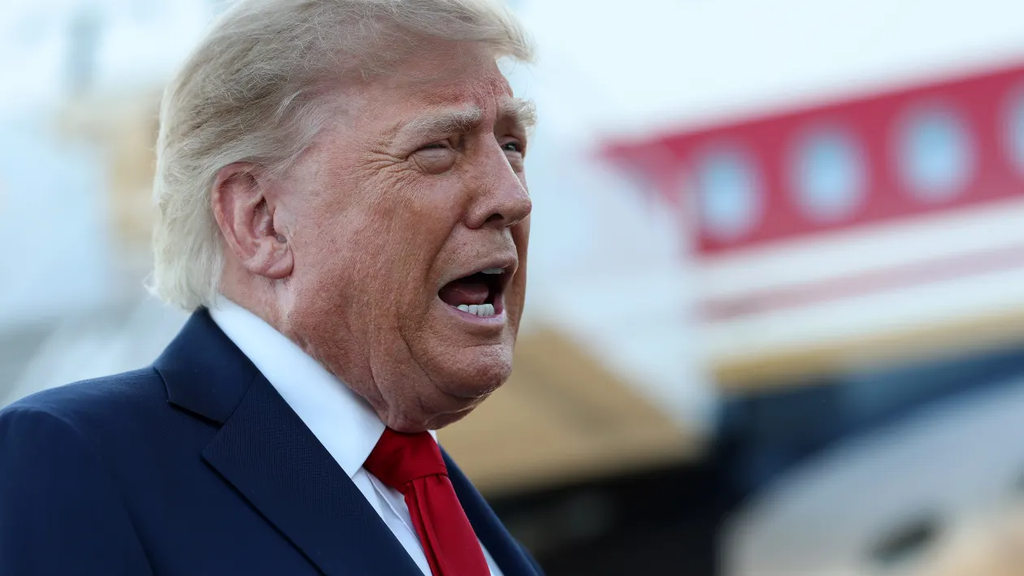
United States President Donald Trump stood in the Oval Office and unveiled an eye-popping $200 billion investment plan funded by South Korea. The announcement covers a sweeping list of energy and infrastructure projects across the United States, ranging from high-tech power facilities in Texas to brand-new nuclear power plants.
The announcement sent waves through global energy markets and political circles alike. Trump framed the agreement as a huge economic win that will create thousands of jobs, supply power to the rapidly growing artificial intelligence industry, and solidify trade ties between Washington and Seoul.
However, behind the headlines and the massive price tag, a much more complicated story is unfolding. While South Korean officials quickly confirmed their commitments to several major projects in the package, they drew a very careful line when it came to a $54 billion liquefied natural gas pipeline planned for Alaska. Government leaders in Seoul made it clear that while they support many aspects of the trade relationship, the Alaska pipeline will only move forward if it passes strict financial and legal checks.
Reports from outlets like The Straits Times and AsiaOne highlight how both nations are handling this high-stakes negotiation. Here is a complete breakdown of what is included in the $200 billion deal, why the Texas and nuclear projects are moving fast, and why South Korea is treading carefully on the icy pipelines of Alaska.
What Is Inside the $200 Billion Package?
The total investment figure announced by President Trump includes several distinct projects spread across the United States. The agreement combines nuclear technology, natural gas power, pipeline development, and heavy industrial support like shipbuilding.
The $0 Secret To Launching Your Entire Online Empire
Why pay hundreds every month for separate software? Build funnels, send emails, and make sales with Systeme.io completely free.
Get Started For $0Free Forever • No Credit Card Needed • Beginner-Friendly
South Korea has long been one of the top industrial and energy partners of the United States. Korean companies are global leaders in heavy manufacturing, power plant construction, and advanced technology. By bringing these companies into major American projects, the US aims to modernize its energy grid and expand domestic energy production.
The main pieces of the $200 billion plan include:
- Eight Large-Scale Nuclear Power Plants: A $120 billion effort to build nuclear reactors across the US to supply clean, continuous power.
- Texas Natural Gas Facility: A $22.3 billion project aimed at constructing a 6-gigawatt power plant in Texas.
- Alaska LNG Pipeline: A $54 billion proposal to build a natural gas pipeline across Alaska to export gas to Asian markets.
- Shipbuilding and Heavy Industry: Broader economic commitments totaling up to $150 billion in industrial and maritime support.
While these numbers sound astonishing on paper, each project comes with its own timeline, financial requirements, and technical challenges.
The Texas Power Project: Electricity for the AI Boom
One of the most concrete and immediate parts of the deal is the $22.3 billion energy facility in Texas. Technology companies across the United States are building massive data centers to train and run artificial intelligence models. These data centers require enormous amounts of electricity, and existing power grids are struggling to keep up with the demand.
South Korea’s commitment to build a 6-gigawatt natural gas power generation plant in Texas addresses this energy bottleneck directly. Gas-fired power plants can run constantly, providing a stable source of electricity that does not fluctuate with the weather.
For Texas, this investment brings major benefits:
Boosting Local Infrastructure
Building a 6-gigawatt facility requires significant construction, engineering, and equipment manufacturing. Local suppliers and contractors stand to gain direct business from Korean investment groups.
Supporting Tech Expansion
Without new power generation, large tech firms cannot build or expand their AI data centers. By securing dedicated energy sources, Texas reinforces its position as a major hub for technology and data infrastructure.
Reliable Grid Support
A constant, heavy supply of natural gas energy helps protect the state’s power grid from shortages during periods of peak demand, such as severe heatwaves or winter freezes.
Because the demand for power in Texas is so high and immediate, South Korean firms view this project as a solid, commercially viable investment.
Building Eight Nuclear Power Plants Across America
Another major component of the package is the $120 billion plan to build eight large nuclear power reactors in the United States. South Korea has decades of experience constructing and operating commercial nuclear reactors both domestically and internationally.
Nuclear energy is gaining renewed interest in Washington because it produces massive amounts of zero-emission electricity around the clock. As electric vehicles, industrial factories, and digital networks consume more power, nuclear energy provides a predictable long-term power solution.
South Korea’s top energy corporations, including Korea Electric Power Corporation (KEPCO) and Korea Hydro & Nuclear Power (KHNP), are renowned for completing nuclear projects on time and within budget. Their involvement in building US nuclear infrastructure gives American utilities access to proven construction techniques and experienced engineering teams.
However, building nuclear reactors in the United States is a slow and heavily regulated process. Each plant requires extensive environmental reviews, safety permits, and local approval before ground can be broken. Even with South Korean backing, constructing eight nuclear reactors will take many years to complete.
The Alaska Pipeline Catch: Why Seoul Is Stepping on the Brakes
While the Texas power plant and nuclear reactor agreements enjoy clear support from both sides, the proposed $54 billion Alaska LNG pipeline project is facing significant skepticism.
Send, Spend & Hold Money Worldwide Without Hidden Fees
Transfer money internationally at the real exchange rate and hold 40+ currencies in one account.
Open a Wise AccountMid-market rate • Fast transfers • 40+ currencies
President Trump highlighted the Alaska pipeline as a centerpiece of the energy agreement, claiming it would turn Alaska into a top exporter of natural gas to Asian allies. The pipeline would stretch roughly 800 miles across freezing terrain, carrying natural gas from Alaska’s North Slope down to a ocean port for shipping.
However, officials in Seoul quickly clarified that they have not given a final, binding green light to the pipeline. According to reporting by The Korea Herald, South Korean leaders made sure to emphasize that their participation depends on strict commercial, legal, and financial evaluations.
There are several major reasons why South Korea is being cautious about the Alaska project:
Tremendous Construction Costs
Building an 800-mile pipeline through Arctic conditions, over mountain ranges, and across earthquake-prone land is insanely expensive. Initial estimates of $54 billion could easily rise due to harsh weather and logistics.
Market Competition
Global gas markets are crowded. South Korea already buys liquefied natural gas from suppliers in Qatar, Australia, Canada, and the US Gulf Coast. If Alaska gas turns out to be more expensive than these existing sources, South Korean utilities will lose money buying it.
Domestic Political Opposition
In Seoul, opposition lawmakers and financial analysts are warning against spending public funds on risky overseas megaprojects without guaranteed profits.
Because of these concerns, South Korea is choosing to keep its options open rather than committing capital immediately.
Financial Guardrails: How South Korea Protects Its Own Economy
South Korea’s hesitation on the Alaska pipeline is not just about gas prices; it is also about protecting its national currency and domestic economy.
Sending tens of billions of dollars overseas can put severe downward pressure on the South Korean won. If too much cash leaves the country at once, the won can lose value quickly against the US dollar, driving up import prices and causing inflation inside South Korea.
To prevent this, South Korea has financial guardrail rules in place:
The $0 Secret To Launching Your Entire Online Empire
Why pay hundreds every month for separate software? Build funnels, send emails, and make sales with Systeme.io completely free.
Get Started For $0Free Forever • No Credit Card Needed • Beginner-Friendly
Capital Outflow Caps
South Korean rules structurally cap physical capital outflows for foreign investments at roughly $20 billion per calendar year. This means a $54 billion project cannot simply be funded in one quick transfer.
Commercial Viability Tests
Every foreign project backed by Korean state institutions must pass rigorous financial tests. If a project does not guarantee a safe return on investment, it cannot receive government backing or state loans.
By sticking to these strict rules, Seoul ensures that its companies support key international partnerships without exposing the domestic economy to unnecessary danger.
Political Timelines and Midterm Election Pressure
The timing of this announcement is no coincidence. The deal comes as political energy in Washington builds toward the upcoming November midterm elections.
For President Trump, showcasing major investment deals is a clear way to demonstrate economic momentum to voters. With voters paying close attention to inflation, fuel costs, and job creation, announcing a $200 billion investment package helps reinforce the administration’s economic narrative.
The Alaska pipeline also carries direct local political weight. Republican Senator Dan Sullivan of Alaska, who faces a tight reelection contest against Democrat Mary Peltola, attended the Oval Office announcement alongside Trump. For Alaskan leaders, getting a major commitment for local gas infrastructure is a top priority on the campaign trail.
However, experienced observers know there is often a gap between political announcements in Washington and actual construction on the ground. While political leaders gain immediate positive headlines, corporate executives must take their time checking figures, securing loans, and signing contracts.
Geopolitics and Trade: Balancing US Relations with Domestic Reality
South Korea finds itself in a delicate spot on the global stage. The United States is Seoul’s most important military ally and a key economic partner. At the same time, South Korean exporters face threats of new US tariffs and trade restrictions if trade imbalances grow too large.
By pledging significant capital toward American energy and manufacturing, South Korea demonstrates its goodwill toward Washington. Investing in US infrastructure helps relieve trade friction and builds strong working relationships with American lawmakers.
President Lee Jae Myung’s administration in Seoul must balance these diplomatic goals against domestic economic needs. Pledging support for nuclear energy and Texas power plants shows full commitment to the US alliance. Taking a cautious stance on the Alaska pipeline keeps Korean taxpayers and financial markets safe.
What Happens Next? Key Milestones to Watch
The coming months will show how much of this $200 billion package moves forward into physical construction. Here are the key things to watch as negotiations continue:
Bilateral Working Groups
The US and South Korea are setting up joint working groups to review project plans, environmental permits, and financing arrangements.
December Deadline for Binding Agreements
Alaska officials hope to finalize preliminary agreements by December. If South Korean energy companies sign binding papers, it will signal real progress for the pipeline.
Permitting for Texas and Nuclear Projects
Watch for fast-tracked state approvals in Texas for the 6-gigawatt power facility. Similarly, look for preliminary regulatory filings with the Nuclear Regulatory Commission for the planned nuclear units.
Currency Volatility and Market Conditions
Global natural gas prices and currency exchange rates will heavily influence whether private Korean investors agree to put money into Alaska.
Frequently Asked Questions (FAQs)
How much money is South Korea planning to invest in the United States?
President Donald Trump announced an investment package of up to $200 billion. This includes $120 billion for nuclear power plants, $22.3 billion for a Texas energy facility, and up to $54 billion proposed for an Alaska gas pipeline.
Why is South Korea hesitant about the Alaska LNG pipeline project?
South Korea is being cautious because the Alaska pipeline carries immense construction costs, faces harsh Arctic working conditions, and must compete with cheaper natural gas options across the globe. Korean law also requires strict financial reviews before public funds can be committed.
What is the purpose of the $22.3 billion Texas gas power project?
The 6-gigawatt natural gas facility in Texas is designed to generate reliable electricity for data centers powering artificial intelligence applications. It helps tech companies expand while preventing blackouts on the Texas power grid.
How does South Korea protect its currency from big foreign investments?
South Korea uses financial guardrails, such as capping physical capital outflows at around $20 billion per calendar year. This prevents sudden large transfers of money that could weaken the South Korean won and cause domestic inflation.
When will construction on these projects actually start?
Projects like the Texas natural gas plant are moving quickly because of immediate commercial demand. Nuclear power plants and the Alaska pipeline will require years of regulatory permits, environmental reviews, and detailed financial negotiations before major construction begins.
This massive $200 billion investment outline demonstrates how international energy policy, corporate strategy, and domestic politics overlap. While the headline figures showcase a strong bond between the US and South Korea, practical financial realities will dictate which projects get built first.
To learn more about our team and mission, head over to our About Us page or send us a message directly through our Contact page.
Stay connected with our community and get real-time updates by following us on Instagram, liking our page on Facebook, and joining the conversation on X (Twitter).
