
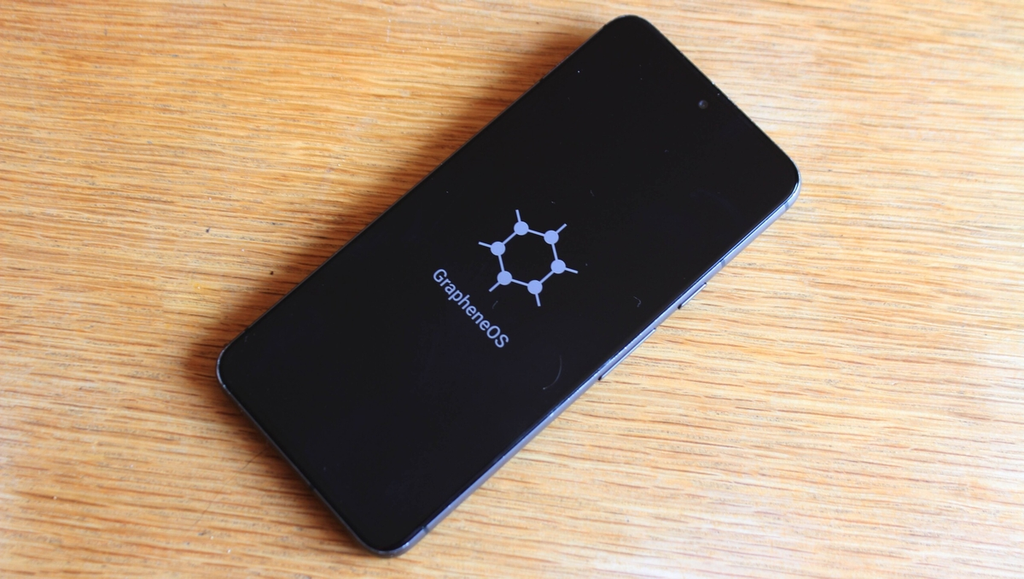
Privacy enthusiasts have been asking for a non-Google device running GrapheneOS for years. That wish is finally coming true, but it comes with a major catch.
GrapheneOS, the security-hardened mobile operating system, has officially confirmed a partnership with Motorola. The first wave of supported devices is scheduled to land in 2027. However, if you were hoping for a budget-friendly phone to protect your personal data, you might want to start saving money now.
These upcoming Motorola phones will be top-tier flagships. In fact, they are expected to cost even more than Google’s premium Pixel lineup.
This news marks a massive shift in the mobile industry. For almost a decade, Google Pixel phones were the only devices that met the strict hardware security standards needed to run GrapheneOS properly. Motorola stepping up to join the party is big news, but the high price tag has sparked a heated debate across the tech community.
What is GrapheneOS and Why Does It Matter?
To understand why this Motorola news is such a huge deal, it helps to know what GrapheneOS actually is.
The $0 Secret To Launching Your Entire Online Empire
Why pay hundreds every month for separate software? Build funnels, send emails, and make sales with Systeme.io completely free.
Get Started For $0Free Forever • No Credit Card Needed • Beginner-Friendly
GrapheneOS is a custom open-source mobile operating system built on top of the Android Open Source Project (AOSP). Unlike standard Android or iOS, it does not come with Google Play Services or tracking code pre-installed. It focuses purely on giving you total control over your digital life, offering advanced sandboxing, hardened memory defenses, and granular network permissions.
For years, privacy-conscious buyers had only one option if they wanted to use GrapheneOS: buy a Google Pixel.
It created an interesting irony. To escape Google’s data collection and tracking ecosystem, you had to buy hardware made directly by Google. Many users felt uneasy giving money to a big advertising company just to flash a private operating system onto it.
Motorola’s entrance breaks this monopoly. It provides a genuine alternative hardware manufacturer for anyone who wants high-level security without buying Google hardware.
If you like following major updates in mobile computing and software security, keep an eye on our dedicated technology and AI news section for ongoing developments in the smart device space.
Why Google Pixels Held the Exclusive Rights for So Long
Many people ask why GrapheneOS couldn’t just run on any Samsung, Xiaomi, or OnePlus phone. The answer comes down to strict security requirements.
The GrapheneOS development team refuses to compromise on security standards. For a phone to support the OS, it must have specific hardware features built right into the processor and motherboard:
- Verified Boot that lets users lock the bootloader with custom encryption keys.
- Dedicated hardware security modules (like Google’s Titan M chip) to protect encryption keys and biometric data.
- Support for Hardware Memory Tagging Extension (MTE) to stop memory corruption attacks.
- Prompt firmware updates and long-term security patch commitments from the hardware maker.
Google Pixels were the only phones on the market that consistently checked every single one of these boxes. Other phone makers either kept their bootloaders locked tight or used hardware chips that lacked memory protection features.
Now, Motorola is working closely with the GrapheneOS development team to meet these strict specifications from the factory floor.
The Price Tag Problem: Why Budget Phones Are Out
When the partnership was first announced, many tech fans hoped for an affordable, midrange Motorola device running GrapheneOS. Motorola is famous for making solid budget phones under its Moto G series, so a cheap privacy phone seemed like a logical step.
GrapheneOS shattered those hopes in a detailed update on their official Mastodon channel. They confirmed that the initial devices releasing in 2027 will be high-end flagships priced above Google Pixels.
There are clear technical reasons why lower-tier phones are excluded for now:
1. Chipset Limitations
Qualcomm manufactures the processors used in most Motorola devices. However, Qualcomm only includes its top-tier security features—such as full MTE support and advanced hardware sandboxing—in its flagship Snapdragon chips (like the Snapdragon 8 series). Budget and midrange processors simply do not have the hardware capabilities GrapheneOS requires.
2. Software Patch Duration
GrapheneOS requires long-term firmware update support. Historically, phone manufacturers only paid chipmakers for two or three years of updates on cheaper devices. To qualify for GrapheneOS, Motorola must commit to paying Qualcomm for extended software maintenance, which is a costly investment.
3. The True Cost of “Free” Software
Standard budget smartphones are often sold at very low profit margins. Manufacturers make up for those thin margins by pre-loading bloatware, running system ads, and licensing user data to third parties.
Send, Spend & Hold Money Worldwide Without Hidden Fees
Transfer money internationally at the real exchange rate and hold 40+ currencies in one account.
Open a Wise AccountMid-market rate • Fast transfers • 40+ currencies
A device built for GrapheneOS stripped of pre-installed tracking apps and bloatware loses those hidden revenue streams. Motorola must make its entire profit directly on the sale of the physical device, driving up the retail price.
What Will the First Motorola GrapheneOS Phone Look Like?
While full hardware specs are still under wraps until closer to the 2027 launch, early details reported by major tech outlets like Android Authority and Ars Technica paint a clear picture.
The initial release focus is a conventional, non-folding flagship slab smartphone. It will likely sit at the very top of Motorola’s product lineup, featuring premium displays, high RAM configurations, and top-of-the-line camera setups.
GrapheneOS developers also mentioned that support for Motorola’s popular foldable lineup—including the Razr Fold and Razr Ultra series—is on the long-term roadmap. However, foldables will come later down the road after the initial flagship launch succeeds.
Here is what users can expect from these upcoming devices:
- Next-generation Qualcomm Snapdragon processors with full hardware memory tagging.
- At least seven years of official software and security updates.
- Hardened memory management to stop zero-day exploits before they happen.
- Option to buy directly or install via a simple web-based installer.
- Complete freedom from forced Google account logins and background tracking.
Snapdragon vs. Tensor: A Upgrade in Raw Performance
One hidden benefit of Motorola entering the GrapheneOS ecosystem is the upgrade in raw hardware performance.
Google Pixels rely on Google’s custom Tensor chips. While Tensor processors are good at machine learning and camera processing, they have faced criticism for running hot and consuming battery quickly under heavy workloads. Gaming performance and sustained processing speeds on Tensor chips have consistently trailed behind top Qualcomm processors.
Motorola’s upcoming GrapheneOS flagships will run on Qualcomm’s top-tier Snapdragon chips.
For heavy phone users, this means:
- Better thermal management without extreme overheating.
- Superior battery efficiency during everyday use.
- Faster processing power for heavy multitasking and gaming.
- Stronger cellular reception and modern modems.
This performance boost makes the higher price tag much easier to digest for users who felt limited by Google Pixel hardware limitations.
The $0 Secret To Launching Your Entire Online Empire
Why pay hundreds every month for separate software? Build funnels, send emails, and make sales with Systeme.io completely free.
Get Started For $0Free Forever • No Credit Card Needed • Beginner-Friendly
Digital workers, content creators, and professionals running online businesses often need reliable hardware. If you manage online video channels or build digital brands, check out our guide on YouTube automation tools and strategies to learn how modern tech can boost your production workflows.
How Much Will These Phones Actually Cost?
To guess the exact price tag, we have to look at current flagship pricing trends.
Current Google Pixel flagship models range from $900 for base Pro versions up to $1,300 or more for top-tier storage options. Because GrapheneOS explicitly stated that Motorola’s initial devices will be higher-end and more expensive than Pixels, prices will easily land in the $1,100 to $1,400 range at launch.
If Motorola expands GrapheneOS support to its premium foldable phones like the Razr Ultra, prices could easily push past $1,500.
Price Spectrum Comparison (Estimated Launch Values): [Midrange Budget Phones] —-> $300 – $500 (Not Supported by GrapheneOS) [Standard Pixel Series] —-> $700 – $900 (Fully Supported) [Pixel Pro / Pro XL] —-> $900 – $1,300 (Fully Supported) [Motorola GrapheneOS] —-> $1,100 – $1,500+ (Targeted 2027 Flagships)
For privacy-conscious buyers who are used to picking up second-hand Pixel phones for $300 or $400, this high price point might come as a shock. However, building elite hardware security without relying on data tracking revenue simply costs money.
What Does This Mean for Current Google Pixel Users?
If you already own a Google Pixel running GrapheneOS, there is no need to worry.
GrapheneOS has made it crystal clear that they are not abandoning Google Pixel support. Pixels will remain the primary development hardware for the project, and upcoming Pixel generations will continue to get full support alongside Motorola devices.
The expansion to Motorola simply gives users more choices. If you love Pixel cameras and Google’s hardware design, you can stay on Pixels. If you want faster Snapdragon processors, different display designs, or non-Google hardware, you will have a valid option starting in 2027.
Privacy as a Premium Product: A Growing Trend
The news about Motorola and GrapheneOS reflects a wider shift in the tech industry: privacy is rapidly becoming a premium product.
In the early days of the internet, privacy tools were mostly free, open-source utilities built by hobbyists. Today, as major tech platforms build massive business models around user tracking and targeted advertising, staying private requires specialized hardware, dedicated software development, and non-traditional business models.
Companies like Apple have used privacy as a major marketing selling point for years. Now, open-source projects like GrapheneOS are collaborating directly with hardware makers like Motorola to offer real, enterprise-grade privacy to consumers willing to pay for premium devices.
While it is disappointing that budget phone users cannot access these new Motorola builds right away, GrapheneOS stated that they hope to support cheaper devices in the future as Qualcomm trickles advanced security down to its lower-tier chips.
Frequently Asked Questions (FAQs)
When will the first Motorola GrapheneOS phones be available to buy?
The official target launch window is set for 2027. Motorola and GrapheneOS are working together on hardware integration and firmware support to ensure everything is ready for major Android updates.
Will GrapheneOS stop supporting Google Pixel phones?
No. GrapheneOS will continue to fully support Google Pixel phones. Pixels will remain a core platform for the operating system alongside the new Motorola lineup.
Why won’t GrapheneOS work on cheaper Motorola phones?
Cheaper phones use budget processors that lack key security features like Hardware Memory Tagging Extension (MTE). Lower-end devices also lack long-term software update commitments from chip manufacturers like Qualcomm.
Will Motorola foldables like the Razr support GrapheneOS?
Yes, but not right away. The GrapheneOS team confirmed that initial efforts focus on standard, non-folding flagships. Foldable devices like the Razr Ultra are planned for future updates.
Can I install GrapheneOS on my current Motorola phone?
No. Current Motorola phones on the market do not meet the strict hardware and bootloader requirements needed to run GrapheneOS securely. Only the upcoming 2027 supported models will work.
Final Thoughts on the Future of Mobile Privacy
The partnership between Motorola and GrapheneOS is a huge step forward for digital privacy. For years, privacy-focused smartphone users were locked into buying Google hardware. Breaking that single-vendor lock-in gives users real freedom of choice.
While the high price tag will keep these phones out of reach for budget-conscious shoppers at launch, it sets a high bar for what secure mobile hardware should look like. As chip technology improves and security features become standard across cheaper processors, true mobile privacy will eventually become accessible to everyone.
To learn more about our team and mission, check out our about page or send us your thoughts directly through our contact page. You can also stay connected with our community across social media on Instagram, Facebook, and Twitter (X).
