
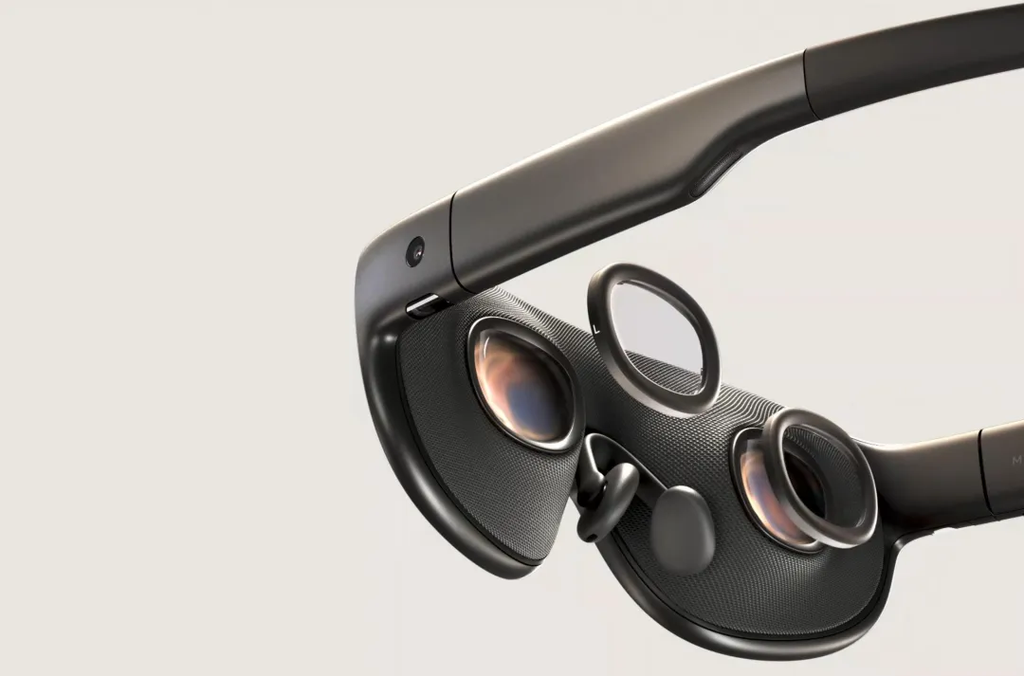
Meta accidentally gave the world its clearest look yet at its upcoming mixed reality device, codenamed Project Phoenix. Visuals found inside Meta’s own Horizon OS system updates show a lightweight headset that looks far more like thick everyday glasses than the bulky plastic boxes of the past.
The leaked images reveal a fresh design direction for Meta. Instead of strapping a heavy computer onto your face with thick foam padding, Project Phoenix rests on your nose using simple glasses-style nose pads. It uses a separate processing unit connected by a thin cable to keep the head unit lightweight and cool.
This leak surfaced just ahead of Meta Connect, giving tech fans a clear picture of how Meta plans to reshape virtual and mixed reality. Here is a full breakdown of what was discovered, how the hardware works, and what it means for everyday users.
How the Project Phoenix Images Were Discovered
The leak did not come from an anonymous insider or a spy photo taken on a factory floor. Meta actually included the official graphics inside one of its own software packages.
Back in August, Meta released a free app called HorizonOS Prescription Lens. At first, the app did not seem to do much and looked like a placeholder package for internal testing. However, a software update released in September contained clear 3D line drawings and visual animations.
Build Funnels, Email Lists & Sell Online With One Free Tool
Create funnels, send emails, and sell online using Systeme.io without paying for multiple tools.
Create Free AccountFree forever • No credit card • Beginner-friendly
These visual assets show step-by-step instructions for attaching custom prescription lenses to a brand-new headset. Tech researchers and VR news outlets quickly extracted these files and realized they were looking at Meta’s unreleased high-end hardware. Outlets like UploadVR and Android Authority verified the files, confirming that Project Phoenix is much further along in production than many expected.
A Radical New Design: Nose Pads Instead of Facial Foam
If you have ever used a standard Meta Quest 2 or Quest 3 headset, you know how they feel. They rely on a thick foam cushion that presses firmly against your forehead, cheeks, and eyes to seal out room light. While that design works well for full immersion in games, it can get hot, heavy, and uncomfortable during long sessions.
Project Phoenix tosses out that heavy foam facial interface. Instead, the headset uses open-periphery architecture resting on small nose pads, just like a regular pair of prescription eyeglasses or sunglasses.
This open design lets you see your real room in your lower and side vision without relying entirely on video cameras. You can look down at your keyboard, check your physical phone, or take a sip of coffee without feeling trapped inside a plastic box. It makes mixed reality feel far more natural for casual work, watching movies, and browsing the web.
Moving the Brains to an External Compute Puck
The secret behind this ultra-thin design comes down to simple math and heat management. Fitting a battery, high-performance processors, graphics chips, and cooling fans into a frame the size of thick glasses is nearly impossible without burning the user’s face.
Meta solved this problem by splitting the device into two parts. The headset itself contains the screens, lenses, and tracking sensors. The main processor, motherboard, and battery sit inside a separate compute puck.
A thin, flexible cable runs from the end of the left temple arm down to the puck, which you can slip into your pocket or clip to your belt. By moving the heaviest parts and heat generators off your head, the overall weight resting on your nose drops significantly. This layout allows you to wear the device for hours without neck strain or facial red marks.
Industry analysts at Digital Trends note that offloading hardware to an external puck is the fastest way to shrink mixed reality headsets down to a glass-like form factor today.
Smart Sensors, MicroOLED Displays, and Controller-Free Control
Even though Project Phoenix looks like a pair of smart glasses, it packs high-end hardware capabilities.
The leaked software renders show multiple camera and sensor cutouts placed strategic around the frame. Small sensor windows line the sides and bottom of the temples. These outward-facing cameras track your hands in real-time and map the physical room around you. Inside the frame, inward-facing sensors track eye movements.
Project Phoenix is designed primarily around eye tracking and hand gestures rather than bulky motion controllers. You look at an app icon, pinch your thumb and index finger together to select it, and scroll through pages using simple hand sweeps. This controller-free approach mirrors the user interface seen on high-end spatial computing hardware.
Reports also indicate that Project Phoenix features crisp microOLED display panels. MicroOLED screens offer bright colors, deep black levels, and sharp text readability, making virtual monitors look clear enough for reading fine print and working on spreadsheets.
Easy Prescription Lens System with QR Code Setup
One of the common struggles for headset owners who wear glasses is finding a comfortable fit. Stacking regular glasses inside a headset often causes pinching and scratched lenses.
The leaked HorizonOS Prescription Lens app shows that Meta built a custom magnetic lens system directly into Project Phoenix. Custom prescription inserts snap neatly over the internal optics.
The app graphics demonstrate a simple setup routine. When you receive your prescription inserts, you hold a printed QR code up in front of the headset cameras. The device scans the code, identifies your exact lens prescription settings, and automatically adjusts its internal software display parameters and eye-tracking alignment. This eliminates manual calibration steps and makes setting up the device smooth and straightforward.
Comparing Project Phoenix to traditional Meta Quest Headsets
Understanding how Project Phoenix fits into Meta’s hardware lineup helps highlight who this device is actually built for.
Form Factor and Daily Ergonomics
Standard Quest headsets are all-in-one boxes. Everything sits on your face, creating forward-heavy strain. Project Phoenix distributes its weight. The lightweight frames rest lightly on the nose, while the puck holds the main mass in your pocket.
Periphery and Ambient Awareness
Quest headsets isolate you completely inside a dark facial gasket. Project Phoenix leaves your side and bottom views open. You remain aware of your physical surroundings, family members, or office environment while using digital floating screens.
Primary Input Method
Quest headsets rely heavily on physical handheld controllers for VR gaming. Project Phoenix focuses heavily on hands-free operation using eye tracking and pinch gestures. While it may support optional controllers for specific games, its main interface is built for quick everyday tasks without holding plastic sticks.
Why Meta Is Shifting Toward Glasses-Style Wearables
Meta’s long-term goal has always been to create lightweight glasses that can replace traditional computer monitors and eventually smartphones.
Bulky VR headsets are fantastic for immersive gaming, active workout apps, and virtual flight simulators. However, most people do not want to put on a heavy plastic helmet just to check emails, watch a movie on a plane, or participate in a virtual work meeting.
By shrinking the headset into a glasses-like shape, Meta lowers the barrier for daily use. You can quickly put the device on, work on multiple virtual screens while sitting on your couch, and take it off without messy hair or face lines.
If you want to read more about how artificial intelligence and spatial computing hardware are evolving, check out our dedicated Technology & AI category for in-depth coverage.
How Creators and Businesses Can Prepare for This Hardware Shift
The shift toward lightweight mixed reality headsets creates massive opportunities for content creators, software developers, and digital marketers.
When screens become floating spatial displays, how people consume digital content changes. Video creators will need to optimize content for wide spatial viewports and hands-free interaction. Automated content channels, interactive video formats, and immersive storytelling will play a major role in how users interact with media on headsets like Project Phoenix.
For creators looking to build automated video channels that thrive across modern digital platforms, explore our guides in the YouTube Automation section to stay ahead of upcoming tech trends.
Frequently Asked Questions (FAQs)
What is Meta Project Phoenix?
Project Phoenix is the codename for Meta’s unreleased high-end mixed reality headset. It features a lightweight, glasses-style design that uses nose pads instead of heavy facial foam and connects to a separate compute puck.
Build Funnels, Email Lists & Sell Online With One Free Tool
Create funnels, send emails, and sell online using Systeme.io without paying for multiple tools.
Create Free AccountFree forever • No credit card • Beginner-friendly
Does Project Phoenix replace the Meta Quest 3?
No, Project Phoenix is expected to sit in a separate high-end category alongside or above the Quest lineup. Quest headsets remain focused on standalone VR gaming, while Project Phoenix emphasizes ultra-portable productivity, spatial media consumption, and comfortable daily wear.
Why does Project Phoenix use a cable and a puck?
Moving the processor and battery to a separate pocket puck keeps heat and heavy weight off your head. This design allows Meta to make the head-mounted frame much thinner and more comfortable.
How do you control Project Phoenix without controllers?
The headset uses built-in cameras to track your eye movement and hand positions. You look at an item on screen and use simple finger pinches or hand gestures to click, drag, and navigate menus.
Can you use Project Phoenix if you wear prescription glasses?
Yes. Instead of wearing your physical glasses inside the headset, Project Phoenix uses magnetic prescription lens inserts that snap onto the internal optics. The device scans a QR code to automatically configure your prescription settings.
Final Thoughts
The firmware leak of Project Phoenix gives us a clear look at the future of wearable technology. By ditching bulky facial cushions in favor of glasses-style nose pads and an external compute puck, Meta is tackling the comfort issues that have held back mixed reality for years.
As hardware gets lighter and software gets smarter, spatial computing is moving closer to everyday life. Whether you are a gamer, remote worker, or tech enthusiast, Project Phoenix shows that the line between smart glasses and mixed reality headsets is disappearing fast.
To learn more about our team and publication mission, feel free to visit our About Page. If you have questions or tips on breaking tech news, reach out to us directly through our Contact Page.
Stay connected with us across social media for daily updates and trending tech stories:
- Connect with us on Instagram
- Follow our official page on Facebook
- Join the conversation on X / Twitter
