
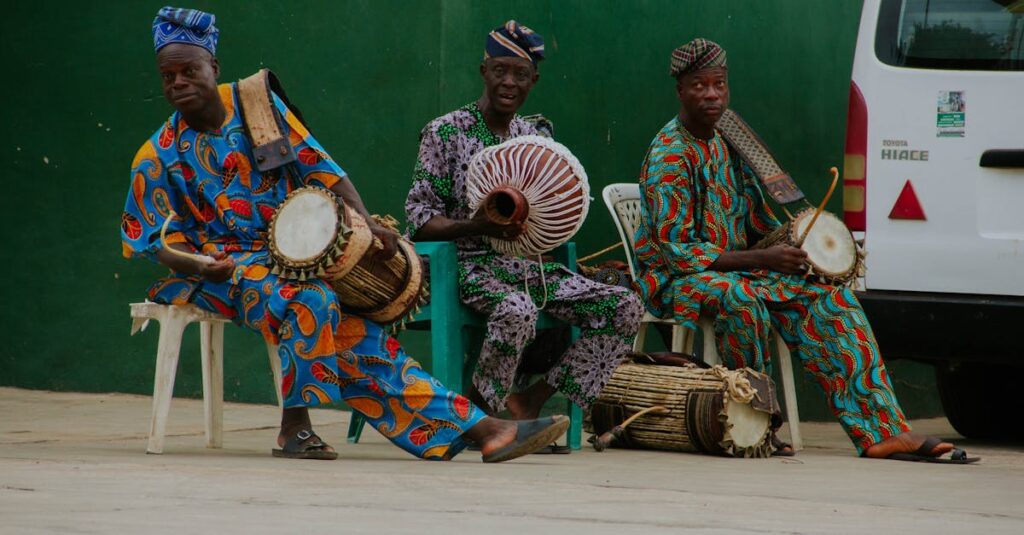
Let me cut straight to it. Nigeria has a reputation. You have probably seen the headlines about kidnappings, terrorism, and scams. And yes, those things exist.
But here is what the news does not always tell you. Millions of foreigners live and work in Nigeria without ever getting hurt. Tourists visit Lagos, Abuja, and Calabar every single week and go home with great stories, not horror stories.
So is Nigeria dangerous? The answer depends completely on where you go, who you know, and how you behave. Let me break this down in a way that actually helps you decide.
What The Headlines Never Show You
The media makes money from fear. A peaceful market scene in Enugu does not get clicks. A kidnapping story does. So you end up thinking the whole country is a war zone when the reality is much more normal.
Nigeria is massive. Over 200 million people live here. That is more people than Russia. And most of them wake up, go to work, make dinner, and scroll through their phones just like you. Violent crime happens, but it is not happening to random tourists walking around with cameras in most cities.
The real problems are concentrated in specific areas. The northeast has Boko Haram. The Delta region has militancy issues. Certain highways have kidnapping risks. But guess what? Tourists are not going to those places anyway.
The Actual Risks You Need To Know
Let me be honest about what could go wrong. If you visit Nigeria, these are the real concerns.
Petty Theft And Pickpocketing
This is the most common problem. Lagos is crowded. Really crowded. In busy markets, bus stops, and traffic jams, someone can grab your phone or wallet and disappear into the crowd before you even notice. This happens in Paris, Rome, and New York too. Nigeria is not special here. Keep your valuables hidden. Leave the expensive watch at home.
Road Accidents
Honestly, this is a bigger threat than crime. Nigerian roads can be chaotic. Bad driving, potholes, poorly maintained vehicles, and limited street lighting add up to real danger. If you rent a car, hire a driver who knows the routes. Use ride-hailing apps like Uber and Bolt instead of hailing random taxis on the street. And avoid long road trips at night.
Scams Targeting Tourists
The classic “your hotel payment didn’t go through” or “someone at the airport needs a fee” type of scam happens. Strangers might approach you with urgent stories. The rule is simple. If someone you just met needs money from you, something is wrong. Pay for things directly. Confirm everything with your hotel or tour operator before handing over cash.
Kidnapping For Ransom
This is the fear everyone has. Yes, kidnapping happens. But look at who gets targeted. Wealthy locals, oil workers, and foreigners staying in remote areas are the usual victims. Random tourists walking through a city center are almost never the target. The highest risk areas are the northern border regions and parts of the south-south. Do not go there. Stick to Lagos, Abuja, and other established tourist-friendly cities, and your risk drops dramatically.
Corruption And Bribe Requests
You might run into a police officer who asks for “a little something” for a made-up violation. This is frustrating more than dangerous. Stay calm, be polite, and ask for a ticket or official receipt. Most of the time, they will let you go when they realize you are not an easy target.
The Safest Places For Tourists
If you want to visit Nigeria, go to these places first.
Lagos
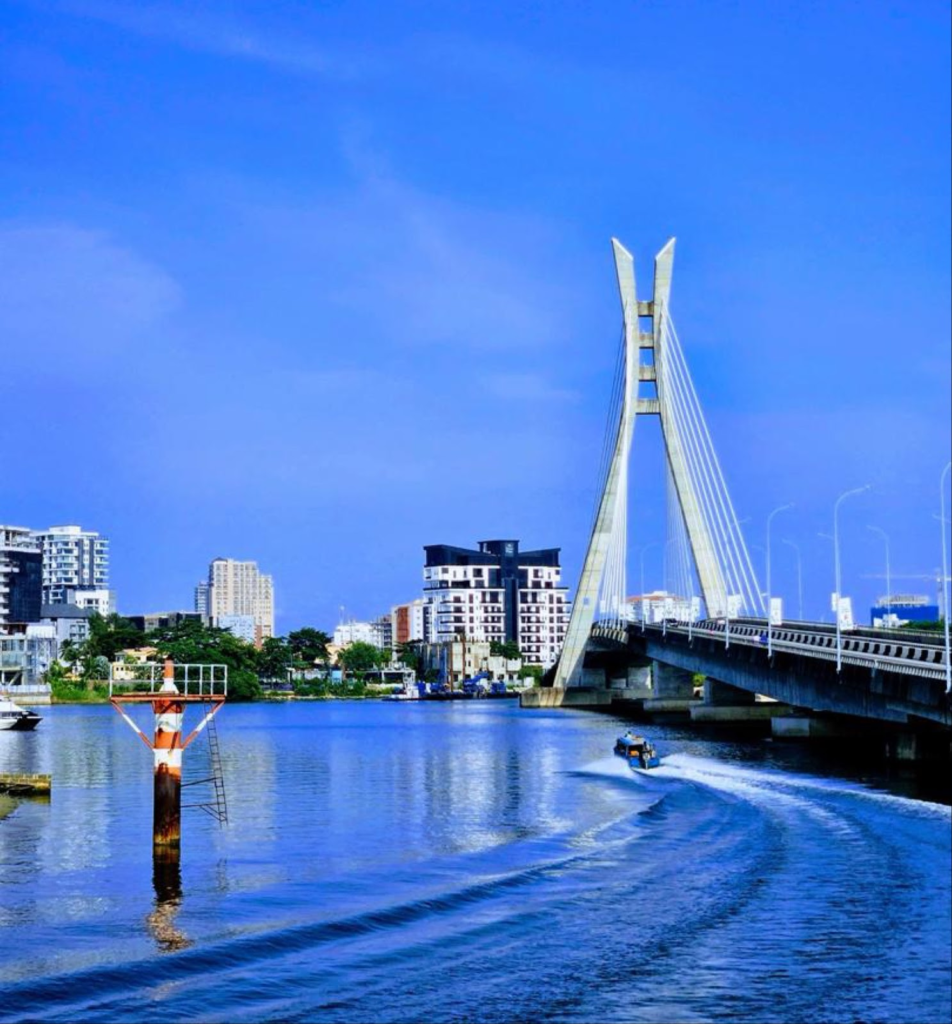
Lagos is chaotic but not a war zone. Neighborhoods like Victoria Island, Ikoyi, and Lekki Phase 1 are safe, modern, and full of good restaurants, hotels, and malls. The Landmark beach area is popular with expats. Just avoid walking alone at night in unfamiliar areas. Use ride apps. Stay in the nicer parts of town.
Abuja

The capital is cleaner, calmer, and more organized than Lagos. Many foreigners live here. You can walk around certain areas during the day without feeling nervous. The metro system is new and safe. Hotels are high quality. For a first time visitor, Abuja is the easier choice.
Calabar
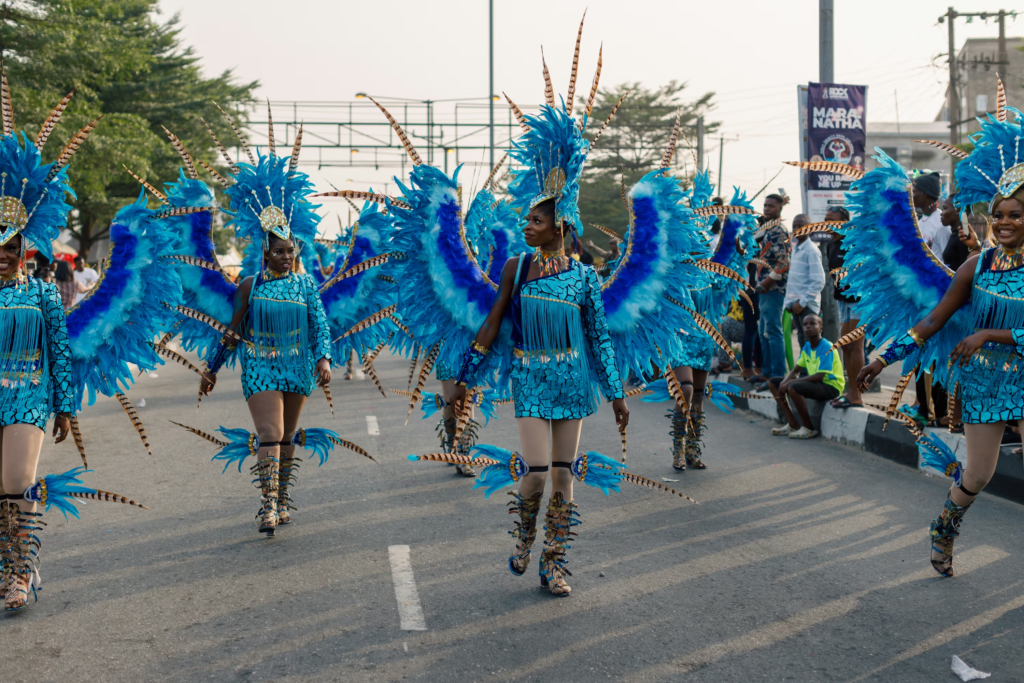
This is one of the quietest and most relaxed cities in Nigeria. It is known for the annual Carnival Calabar. Very low crime compared to Lagos. People are friendly. It feels less intense overall.
Jos And Plateau State

The climate is cooler. The scenery is beautiful. But check current travel advisories before going. Security has been shaky in parts of Plateau state over the years. Stick to resort areas and ask locals for current conditions.
Practical Safety Tips That Actually Work
Do not just read this and forget it. These steps make a real difference.
Find A Local Contact First. Know someone in Nigeria before you arrive. A friend, a coworker, a hotel concierge, or even a trusted guide from a travel forum. That person can tell you which areas to avoid on any given day. Security situations change fast. A local knows.
Use Uber Or Bolt Every Time. Do not wave down random taxis on the street. Do not get into unmarked cars. The app gives you a record of the driver and the route. It is worth the small extra cost.
Keep Your Phone Hidden In Crowded Areas. Do not walk down the street staring at your screen. Pull it out when you need it, then put it away. This alone stops most petty theft.
Stay In Reputable Hotels. Budget hotels can be fine, but read recent reviews. Look for places with security guards at the entrance. Most mid-range and luxury hotels in major cities have solid security.
Dress Like You Belong. Do not wear flashy jewelry, designer clothes, or expensive sneakers if you are walking around normal areas. Look like a local resident, not a rich tourist.
Carry Two Copies Of Your Documents. Keep a digital copy on your phone and a physical copy separate from your passport. If you lose your passport, the copy makes the embassy process much faster.
Know The Emergency Numbers. The police emergency line is 112. Also save the phone number for your country’s embassy. Do this before you need it.
Respect Local Customs. Nigeria is mostly conservative. Cover your shoulders and knees in public areas. Do not take photos of government buildings, military personnel, or random people without asking. Small courtesies prevent big problems.
The Good Side Most People Never Hear About
I have to say this because it matters. Nigerian people are some of the warmest, most helpful, and funniest people you will ever meet. Strangers will help you find your way. Shop owners will invite you for tea. You will hear laughter constantly.
The food is incredible. Jollof rice, suya, egusi soup, pounded yam. You will eat well.
The music and nightlife are famous for a reason. Afrobeats clubs in Lagos stay open late and everyone dances.
If you only focus on the danger, you miss the point. Millions of tourists and business travelers come through Nigeria every year. The vast majority leave wanting to come back.
Who Should Probably Skip Nigeria
Being honest here. Not every traveler is ready for Nigeria.
First time international travelers might feel overwhelmed. If you have never left your home country and you struggle with chaos and noise and people approaching you on the street, start somewhere easier. Go to Thailand or Costa Rica first.
Solo female travelers can visit Nigeria safely, but it takes more planning. Harassment happens. You need to be more careful about hotels, transport, and walking alone. Many women do it. But it is not the same as traveling solo through Europe.
If you need total predictability and comfort, Nigeria will frustrate you. Things change last minute. Power goes out. Traffic takes hours. That is just how it works. Come with flexibility or do not come at all.
Frequently Asked Questions
Is Lagos safe for a week long vacation?
Yes, if you stay in Victoria Island, Ikoyi, or Lekki. Use ride apps. Stay inside reputable hotels. Avoid walking alone after dark. Do those things and you will probably be fine.
Do I need a visa to visit Nigeria?
Most nationalities do. Apply online through the official Nigeria immigration portal. Do not use third party sites that charge extra fees. The process takes about two weeks.
What about yellow fever and malaria?
Yellow fever vaccine is required to enter Nigeria. You will show your card at immigration. Malaria is common. Bring prophylaxis pills or use mosquito nets and repellent. Talk to your doctor before going.
Can I use credit cards in Nigeria?
In big hotels and malls, yes. Everywhere else, cash is king. Bring US dollars or euros and exchange them locally. Do not rely on ATMs. They sometimes run out of money or reject foreign cards.
Is public transportation safe?
No. Avoid local buses and crowded minibuses called danfos. They are packed, chaotic, and targeted by thieves. Use Uber, Bolt, or hired drivers instead.
What if I get sick?
Lagos and Abuja have good private hospitals like Reddington and Cedarcrest. Bring travel insurance that covers medical evacuation just in case. Public hospitals are not for tourists.
The Bottom Line
Nigeria is not a beginner friendly destination. It is loud, crowded, and unpredictable. You cannot wander around like you are in Paris or Tokyo. You have to plan. You have to stay aware. You have to make smart choices.
But dangerous? For most tourists in most parts of the country, no. The risks are real but manageable. Thousands of foreigners live in Nigeria for years without serious incidents. Tourists visit every month and have amazing experiences.
The question is not really whether Nigeria is dangerous. The question is whether you are the kind of traveler who can handle a place that asks you to stay alert while also rewarding you with warmth, flavor, and energy you will not find anywhere else.
So here is my question for you. After reading this, what specific concern is still sitting in the back of your mind? Drop it in the comments. I will answer honestly.
