
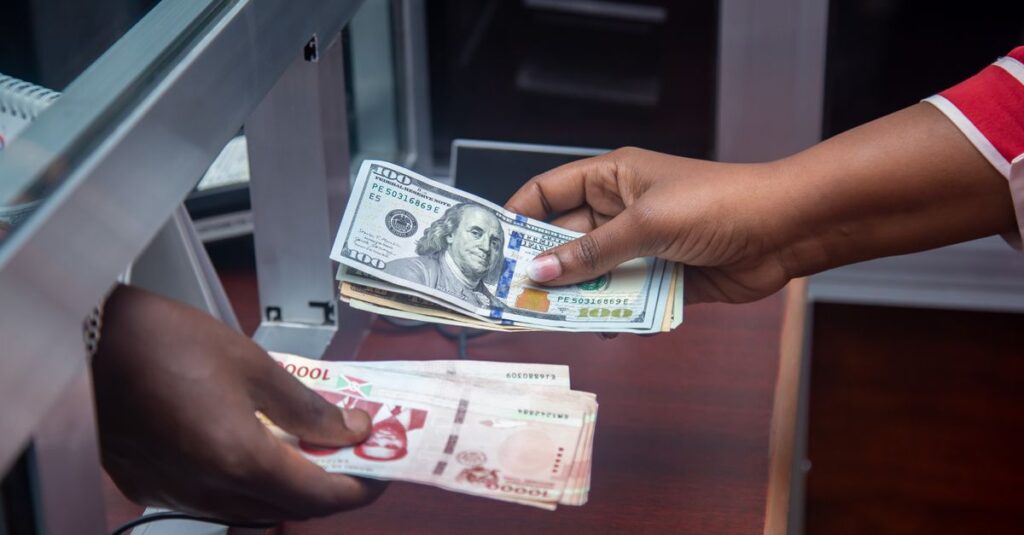
Receiving money from international clients, remote jobs, or family abroad is something many Nigerians deal with regularly. But the process can feel unnecessarily complicated.
Between confusing bank policies, hidden fees, and unexpected delays, getting your dollars safely into your Nigerian account often becomes a puzzle. The good news is that it no longer has to be that way.
The key is knowing the right tools for the job. This guide breaks down the best methods for getting dollars into a Nigerian bank account in 2025, from traditional bank accounts to modern fintech apps.
Know Your Basics: The Domiciliary Account
The most direct way to receive and hold US dollars in Nigeria is through a domiciliary account. Think of it as a special savings account just for foreign currencies like USD, GBP, or EUR.
It acts like a shield, letting you hold your money in dollars without the bank converting it to naira first. This gives you full control over when to convert your funds.
Almost all major Nigerian banks like GTCO, Access Bank, Zenith, First Bank, and UBA offer these services.
Why would you want one?
Holding your money in dollars protects you from the constant ups and downs of the naira. When the naira falls, your dollar savings are safe.
How do you get one?
You can open a domiciliary account online, but be prepared for certain requirements. Banks usually need a minimum opening deposit (often around $100), along with valid ID, a passport photo, your BVN, a utility bill, and sometimes even a reference letter from an existing customer.
Important note: While you can receive international wire transfers into this account, the Central Bank of Nigeria (CBN) has clarified that they have not banned foreign currency cash deposits. However, to avoid any potential banking friction, receiving electronic transfers is always the smoother path.
How do you withdraw?
You have two main options. You can withdraw the physical dollars over the counter at your bank branch. Alternatively, you can convert your dollars to naira using your bank’s exchange rate and then withdraw naira through an ATM or bank transfer.
What are the costs?
There is usually no monthly maintenance fee for keeping the account open. You will, however, face charges for incoming international wire transfers (often between $10 and $50) and for cash handling if you deposit physical dollars. There are also costs for international transfers and the exchange rate spread when you decide to convert to naira.
The New Frontier: Fintech Apps & Digital Wallets
If the paperwork and charges of a traditional bank sound off-putting, several modern fintech apps have become popular for a reason. They offer US bank account details, allowing you to receive funds in dollars without the high traditional SWIFT fees. For anyone working with international clients, these are game-changers.
Grey.
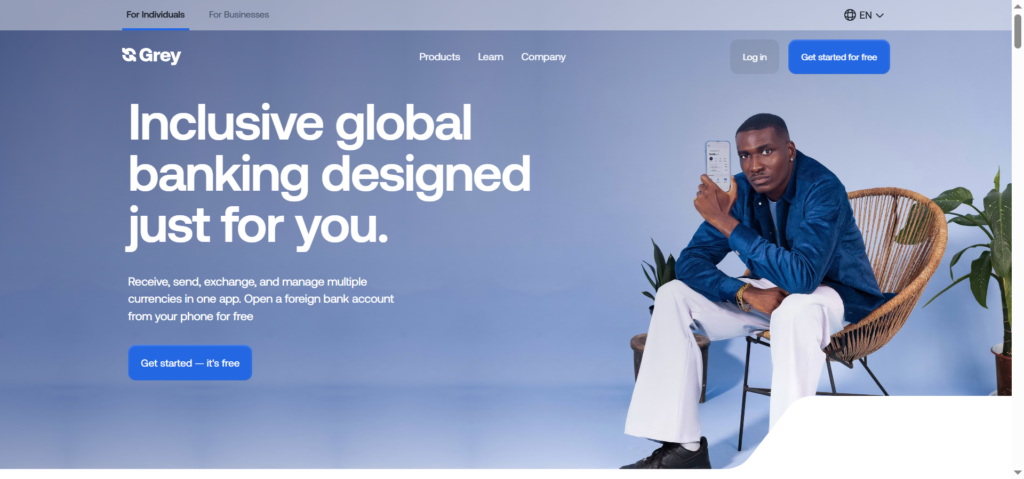
This is a top option for freelancers. It gives you free USD, GBP, and EUR account details instantly. You can receive ACH and wire transfers directly into your account. Once the money lands, you can convert it to naira at competitive rates (often better than the bank) and withdraw to your local account in minutes.
Cleva.
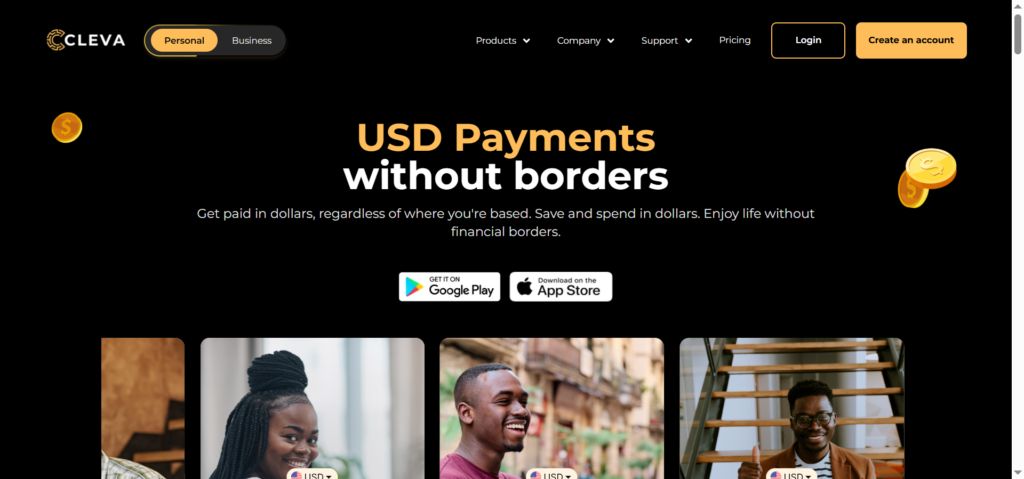
A solid, reliable platform that provides you with a dedicated US bank account in your name. It’s particularly strong for payments from platforms like Upwork and Fiverr.
Payoneer.
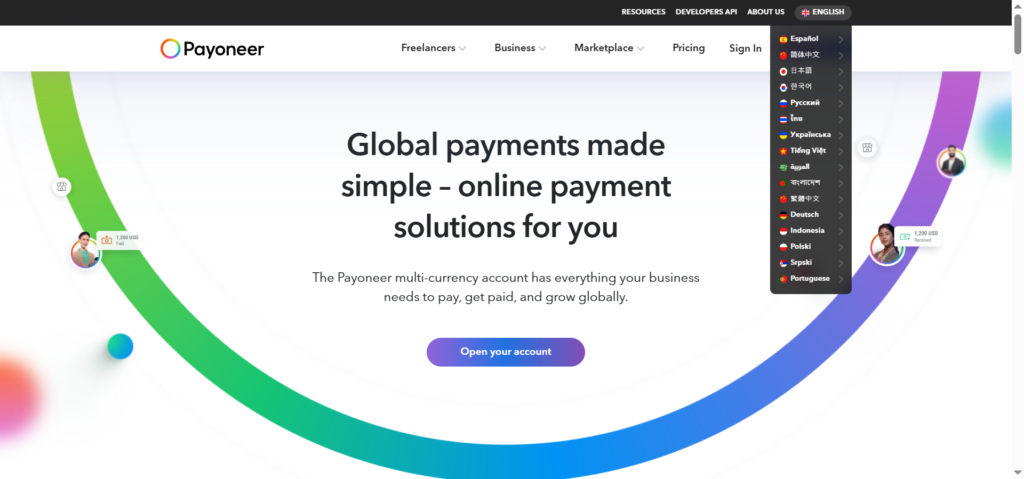
This platform remains an industry standard, especially for freelancers on global marketplaces. You get a receiving account in multiple currencies and can request a physical card to spend your funds directly.
LemFi.
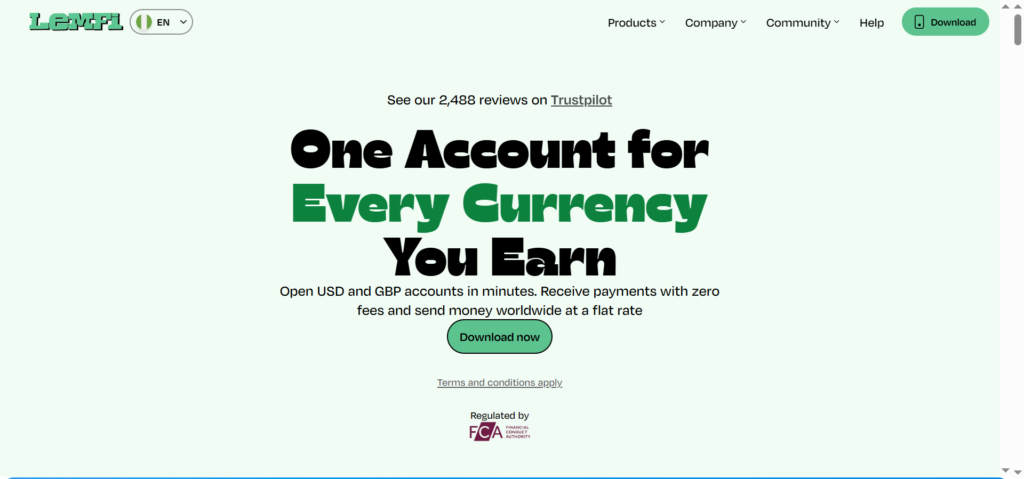
They have recently launched real USD and GBP accounts for Nigerians, which is a very convenient option if you are already using the app for remittances.
Other Platforms: Chipper Cash, Eversend, and Raenest (formerly Geegpay) are also great alternatives that offer competitive rates and virtual dollar cards for online spending.
Virtual Dollar Cards: Spending Your Money Online
Once you have dollars in your account, you might need to pay for subscriptions like Netflix, Canva, or other online services. This is where virtual dollar cards come in.
Many of the apps mentioned above, including Geegpay (now Raenest), Cleva, and Chipper Cash, offer virtual dollar cards. These are digital cards that you fund with the dollars in your account, allowing you to shop online seamlessly without restrictions.
Sending Dollars to Your Local Bank Account
After you’ve received money in a fintech wallet like Grey or Payoneer, getting that money into your physical Nigerian bank account is straightforward. You simply log in, go to the “Withdraw” section, and select “Local Bank Transfer.” Follow the prompts to enter your bank details and the amount you want to send.
Which Method is Right for You?
Here is a simple breakdown to help you decide:
- For a business owner or frequent traveler, a traditional domiciliary account with a major bank gives you stability and the ability to hold large sums and withdraw physical cash.
- For a Freelancer or Remote Worker: Fintech apps like Grey or Cleva are your best bet. They offer the easiest onboarding, the best exchange rates, and the fastest withdrawal speeds for the amounts you earn from clients.
A Note on Taxes
It is important to remember that if you are receiving money for services rendered (i.e., business income), you have a tax obligation. In Nigeria, personal income tax is progressive, with rates ranging from 0% to 25% depending on your annual earnings.
Failing to file your taxes can lead to issues later. Keep records of your foreign income and consult a tax professional to help you file your annual returns correctly.
Frequently Asked Questions
Can I receive money directly from PayPal to my Nigerian bank account?
Nigerian PayPal accounts are generally restricted to sending payments only and cannot receive funds. You need a third-party platform like Grey or Payoneer, which give you a US bank account to link to PayPal for withdrawal.
How long does it take to receive an international transfer?
This depends on the method. SWIFT transfers to a bank domiciliary account can take 1–3 business days. Fintech apps that use ACH transfers can take 1–2 days, while transfers within the same app (e.g., Grey to Grey) are often instant.
What is the cheapest way to receive dollars in Nigeria?
Fintech apps like Grey or Cleva are generally the cheapest. They offer transparent fees, often charging a small, flat fee or a very low percentage, while banks often charge high correspondent bank fees on top of their own service charges.
What is a “SWIFT” transfer and do I need it?
SWIFT is the global messaging network used by banks to send international wire transfers. You will need the bank’s SWIFT code to receive money directly into your domiciliary account from abroad.
Conclusion
You don’t need to be a tech genius or a finance expert to receive dollars in Nigeria. Whether you choose the security of a traditional bank or the convenience of a modern app, the tools are at your fingertips.
The best strategy is often to use a combination of both: a fintech app for receiving client payments quickly and a domiciliary account for securely holding larger sums of savings.
What has been your biggest headache when trying to receive an international payment? Drop a comment below and share your experience.
