
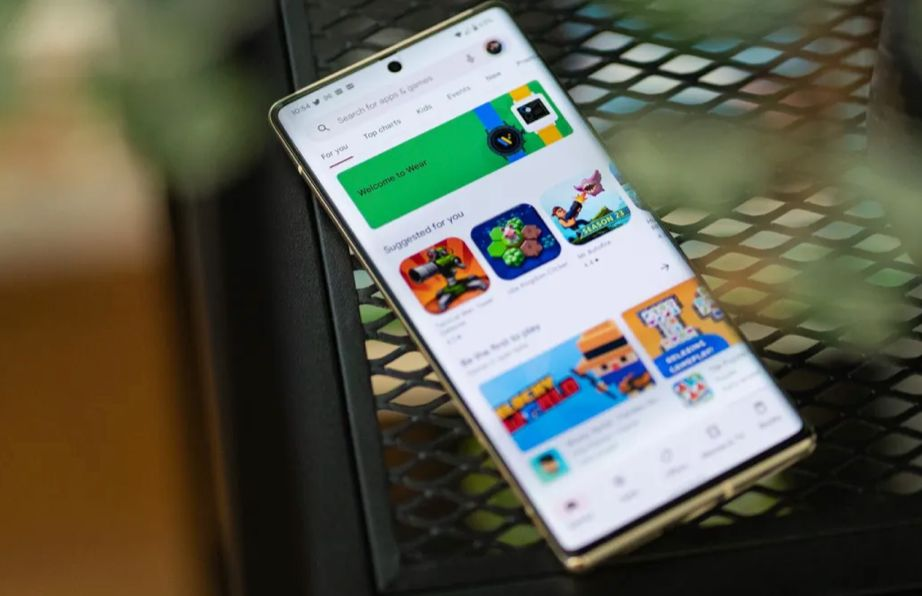
Google has officially ended Google Play Services support for Android 6.0 Marshmallow, making Android 7.0 Nougat the new baseline requirement for core Android updates.
After an impressive run lasting nearly eleven years, Android 6 Marshmallow has reached the official end of its software journey. Google quietly updated its official system requirements, which means smartphones and tablets running Marshmallow will no longer receive Google Play Services updates, background optimizations, or security patches through Play Protect.
At WhatsBuzzN, we keep a close watch on major shifts in technology and digital culture so you always know what is happening in the tech world. If you enjoy following mobile software updates, device news, or artificial intelligence trends, feel free to explore our Technology and AI section for regular insights.
This post breaks down what Google’s decision means for daily phone use, why it happened now, which devices are impacted, and what steps you can take if you still rely on an older Android device.
Understanding the Big Shift: What Happened to Android 6 Marshmallow?
Android 6.0 Marshmallow launched back in September 2015. At the time, it was a major step forward for mobile devices. It introduced essential features that modern smartphone users take for granted today. Features like granular app permissions, Doze battery saver mode to reduce power consumption when the phone is sitting still, native fingerprint reader support, and USB Type-C charging support all debuted with Marshmallow.
Build Funnels, Email Lists & Sell Online With One Free Tool
Create funnels, send emails, and sell online using Systeme.io without paying for multiple tools.
Create Free AccountFree forever • No credit card • Beginner-friendly
For nearly eleven years, Google maintained Play Services support for Marshmallow. That makes Android 6 the single longest-supported version of Android in the history of the platform. However, tech outlets like Android Authority confirmed that Google updated its developer documentation to set Android 7.0 Nougat (API level 24) as the new minimum requirement.
When an operating system version turns eleven years old, maintaining background software compatibility becomes extremely difficult for engineers. Ancient code bases limit what modern features can be introduced, slow down overall system performance, and require massive effort to protect against modern security vulnerabilities. Retiring Marshmallow allows Google’s engineering team to focus their attention on modern security architecture and newer Android versions.
What is Google Play Services and Why Does It Matter?
To understand why this news is significant, it helps to understand what Google Play Services actually does. A lot of phone owners confuse Google Play Services with the regular Google Play Store, but they do completely different jobs.
The Google Play Store is simply the shop front where you browse, search, and download your favorite applications. Google Play Services, on the other hand, is the background engine running quietly under the hood of your phone. It acts as a bridge connecting regular Android apps to Google’s core servers and features.
Here are the main responsibilities Google Play Services handles behind the scenes:
- Google Play Protect: Scans your device continuously for harmful software, bad files, and rogue background apps.
- Google Account Sign-In: Lets you log into third-party apps and websites quickly using your regular Google profile credentials.
- Location Services: Delivers GPS and location mapping data to navigation tools, ride-sharing apps, and food delivery services.
- Push Notifications: Delivers real-time message alerts and push updates from messaging apps, news outlets, and social media networks.
- In-App Payments and DRM: Manages secure billing, subscription checks, and digital rights management (DRM) licensing for mobile games and video streaming platforms.
Because Google Play Services updates automatically without requiring a full system update from your phone maker, Google was able to keep older devices working safely for over a decade. Now that this background connection is disconnected for Android 6, those devices will no longer receive new feature updates or background security improvements.
What Breaks and What Still Works on Android 6 Devices?
If you own or use an older phone running Android 6, the good news is that your device will not shut down or turn into a useless brick. The hardware will still turn on, the camera will still take photos, and core phone features like phone calls, SMS text messages, offline music play, local alarms, and offline calculator tools will keep working normally.
However, the software experience will gradually degrade over time. Here is what you should expect as app developers adapt to Google’s new baseline.
Loss of Google Play Protect
Without Play Protect updates running through Play Services, Marshmallow devices stop receiving updated virus definitions. If a new security vulnerability or malicious file targets older Android code, the device will lack modern built-in scanner protections to catch or block it.
App Compatibility Issues
App developers update their minimum operating system requirements on a regular schedule. Now that Google Play Services requires Android 7.0 Nougat or newer, app creators will stop supporting Marshmallow in their own app updates. Once developers drop Marshmallow, those apps will no longer update through the Play Store, and older versions may eventually stop connecting to online servers.
In fact, Google has already updated the minimum version requirements for several of its own core apps:
- YouTube App: Now requires Android 10 or newer to receive new updates.
- Google Search App: Now requires Android 11 or newer.
- Gmail App: Now requires Android 7.0 Nougat or newer.
For digital creators and video marketers managing online channels or content schedules, keeping up with platform shifts is key. You can read more about digital video strategy and channel growth in our YouTube Automation section.
DRM Checks and Purchased Digital Games
Many mobile games and paid utilities use Google Play Services to check whether you own a valid license. Once Play Services drops support on Marshmallow, some purchased digital games may fail these background license checks, which means they might crash or refuse to launch even if they are already installed on your device.
Popular Devices Impacted by This Change
Android 6.0 Marshmallow came pre-installed on hundreds of smartphone models released between late 2015 and 2017. Furthermore, many budget devices sold in later years continued shipping with Android 6 pre-installed.
Some popular smartphone models that remain on Android 6 Marshmallow include:
- Xiaomi Devices: Xiaomi Mi 3, Mi 4, Mi Note, Redmi Note 3, Redmi 3s, Redmi 4 Prime, and Redmi Note 4 (MediaTek variant).
- Samsung Devices: Older Galaxy J series models, Galaxy Grand Prime, and mid-range Galaxy A series phones from 2015.
- LG Devices: LG G3 (which officially topped out at Android 6) and LG Stylus series.
- Infinix and Tecno Devices: Infinix Note 2, Tecno Boom J8, and several entry-level budget models released around 2016.
- Budget Android Tablets: Dozens of generic and brand-name budget tablets sold for basic reading or media playback.
While tech enthusiasts usually upgrade their main phones every few years, millions of older devices remain in daily use worldwide. People often keep Android 6 phones as secondary backup devices, emergency phones for children or elderly family members, dedicated car music players, or simple alarm clocks.
Step-by-Step Practical Options: What Should You Do Now?
If you or a family member still uses an Android 6 Marshmallow phone, you have several practical choices depending on your budget, needs, and technical comfort level.
Option 1: Upgrade to a Modern Budget Smartphone
The simplest and safest long-term move is upgrading to a modern smartphone. You do not need to spend top dollar on a premium flagship phone. Budget smartphones available today offer vastly superior display screens, multi-day battery power, better cameras, and guaranteed software support. Switching to even an entry-level device running Android 13, 14, or higher ensures your banking apps, social networks, and navigation tools run smoothly and securely.
Option 2: Repurpose Your Old Device for Offline Use
If your old Android 6 phone still has a healthy battery and a working screen, you do not need to throw it away. You can repurpose it for offline tasks where internet security risks are minimal:
- Dedicated Offline Music Player: Load a micro SD card with your offline music files, plug in a pair of headphones or connect to a speaker, and use it as a standalone media player.
- Digital Bedside Clock: Install an offline nightstand clock app, dim the screen brightness, and leave the phone plugged in on your desk or bedside table.
- Dedicated Dashcam or Display: Use an offline camera app to record drive footage, or use it as a dedicated monitor screen inside your home Wi-Fi network.
- E-Reader: Download your favorite offline ebooks or documents and turn the device into a dedicated reading tool.
Option 3: Install a Custom ROM (For Tech-Savvy Users)
If you enjoy tinkering with technology, you can look into installing a custom Android ROM like LineageOS. Independent software developers frequently build custom operating system builds for older phone models. Upgrading your phone to a custom software build based on Android 7.0 Nougat, Android 9.0 Pie, or newer can bring back Google Play Services compatibility and breathe new life into old hardware. Keep in mind that flashing custom software requires unlocking your phone’s bootloader and following step-by-step technical guides carefully.
Option 4: Essential Precautions If You Must Keep Using It Online
If upgrading right now is not an option and you must continue using your Marshmallow device online, practice these safe habits:
- Avoid Mobile Banking and Shopping: Do not access bank accounts, enter credit card info, or handle sensitive financial transactions on an unsupported operating system.
- Avoid Sideloading Unknown APK Files: Never download or install APK files from untrusted third-party websites or internet forums, as older devices lack updated background scanners to detect disguised malware.
- Use Lightweight Web Browsers: Use privacy-oriented browsers like Brave or Firefox, and use web browser versions of services like YouTube or Gmail rather than the outdated mobile apps.
Frequently Asked Questions
Will my Android 6 Marshmallow phone stop working completely?
No, your phone will not stop turning on or functioning. Basic hardware tasks like making cellular calls, sending SMS text messages, taking local photos, setting alarms, and playing offline audio files will continue to work normally. However, online Google services and third-party app updates will gradually stop working.
Can I still download apps from the Google Play Store on Marshmallow?
You can still open the Google Play Store for now, but you will find that fewer apps remain available over time. As app developers adjust their code to target Android 7.0 Nougat or higher, those apps will show as incompatible on your device’s store page.
Is it safe to use banking apps or buy things online on Android 6?
It is not recommended. Because Android 6 no longer receives security patches or Play Protect definitions, the system is more vulnerable to unpatched security threats. For online banking, digital wallets, and online shopping, always use a modern device running a supported operating system.
Can I manually update my phone to Android 7 Nougat?
Official software updates depend on your phone manufacturer. If your manufacturer never released an official Android 7 update for your specific phone model, you cannot update it through your standard system settings menu. The only alternative is installing a custom Android ROM if one exists for your exact model.
Why did Google drop Play Services support after 11 years?
Supporting an eleven-year-old operating system takes significant engineering resources and limits modern software development. Older Android builds lack modern security frameworks and hardware compatibility. Ending support for Marshmallow allows Google engineers to focus on improving performance, privacy, and background tools for modern Android versions.
Staying Updated with WhatsBuzzN
Software lifecycles move quickly, and keeping up with operating system changes, app compatibility updates, and digital security tips helps you protect your personal data while getting the best out of your devices.
Build Funnels, Email Lists & Sell Online With One Free Tool
Create funnels, send emails, and sell online using Systeme.io without paying for multiple tools.
Create Free AccountFree forever • No credit card • Beginner-friendly
At WhatsBuzzN, our goal is simple: deliver clear, practical information on trending topics across tech, culture, and digital media. If you have questions, feedback, or tech topics you want us to cover next, reach out to us through our Contact page.
Want to join our online community and catch our newest articles right in your daily feed? Connect with us across our social profiles:
- Follow us on Instagram
- Like our page on Facebook
- Join the conversation on X (formerly Twitter)
What are your thoughts on Google ending support for eleven-year-old Android versions? Do you still have an old Marshmallow phone lying around in a drawer? Let us know on our social channels!
