
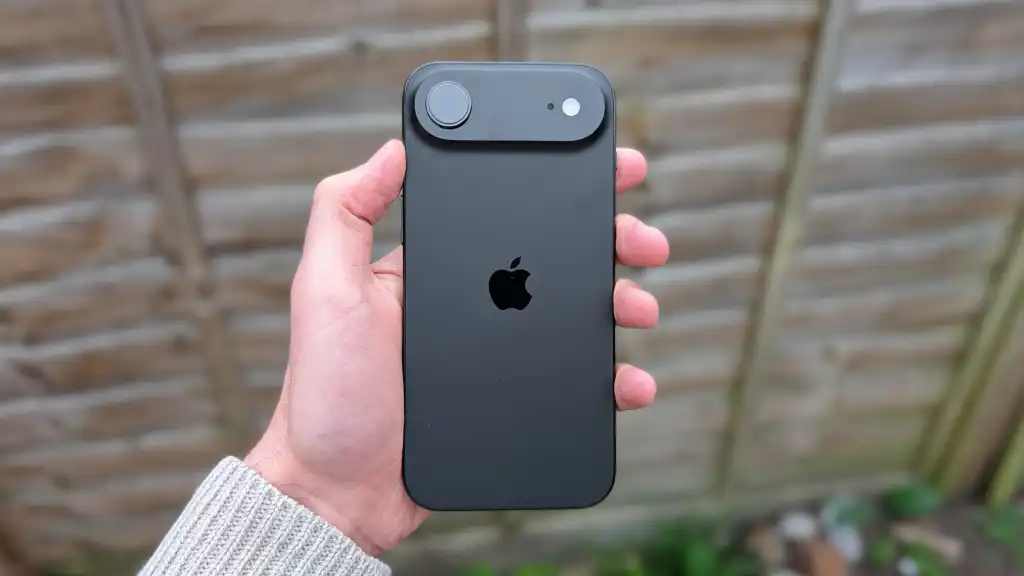
Smartphones have completely changed how we live our daily lives. From setting morning alarms to checking the weather, our phones are always in our hands. Now, artificial intelligence is taking things to a whole new level.
We are moving away from simple voice commands toward smart AI assistants that can read your emails, book rides, write messages, and summarize long documents in seconds.
If you follow the latest tech updates on WhatsBuzzn, you might have noticed that getting these new features is not as simple as clicking an update button. A massive fight is happening behind the scenes between two of the biggest technology companies in the world—Google and Apple—and the European Union.
This clash is all about who gets to control the AI assistants living inside your phone. On one side, European regulators want to make sure small companies and competing AI tools get a fair chance to work on your device. On the other side, Apple and Google argue that forcing them to open up their systems breaks user privacy and device security.
If you are curious about what this means for your phone, your privacy, and the future of smart technology, you are in the right place. We regularly cover major updates in our Technology and AI section, and this story is one of the biggest tech battles of our time. Let us break down everything happening between Big Tech and the EU in plain, simple English.
Build Funnels, Email Lists & Sell Online With One Free Tool
Create funnels, send emails, and sell online using Systeme.io without paying for multiple tools.
Create Free AccountFree forever • No credit card • Beginner-friendly
What Is the Battle Between Big Tech and the EU All About?
To understand why this argument is happening, we need to look at a European rule called the Digital Markets Act, or DMA for short. Think of the DMA as an official referee in a sports game. The European Union created this law to stop huge tech companies from acting like gatekeepers who block everyone else from playing.
For many years, Apple and Google have built massive digital ecosystems. Apple controls iOS on iPhones, and Google controls Android. Because billions of people use these two operating systems, the European Union considers both companies to be digital gatekeepers.
When Apple or Google creates a new tool, like an AI assistant, they naturally want to build it directly into their operating system. This makes their own AI faster and easier to use than any app you download from an app store. For example, when you say a wake-up phrase or hold down a side button, their own assistant pops up instantly.
European regulators say this gives Apple and Google an unfair advantage over other companies. They believe third-party AI assistants, such as OpenAI’s ChatGPT or Anthropic’s Claude, should have the exact same privileges on your phone as Apple’s Siri or Google’s Gemini.
The clash comes down to a fundamental disagreement. The European Commission wants an open marketplace where any AI company can access your phone’s deep settings. Apple and Google argue that letting outside companies dive deep into your phone’s operating system creates massive security holes that could harm everyday users.
Why Apple Is Holding Back AI Features in Europe
Apple has taken a very firm stance in this regulatory fight. When Apple announced its advanced new intelligence features and a completely rebuilt version of Siri powered by on-device AI, iPhone users were excited. However, European users quickly noticed something missing.
Apple decided to delay releasing these key AI features on iPhones and iPads across European Union countries. According to statements on the Apple Newsroom, the company paused these tools in Europe specifically because of regulatory requirements under the Digital Markets Act.
The Siri AI Delay on iPhones
Apple’s new Siri AI is designed to do incredible things. It can look across all your apps, read your personal calendar, analyze your photos, and perform multi-step actions for you. To do this safely, Apple processes most of your data directly on your device or through a secure cloud system built with tight security protections.
The EU told Apple that if Siri AI gets deep access to an iPhone, Apple must give competing AI assistants that same level of deep access. European regulators want you to be able to replace Siri entirely with another AI assistant of your choice without losing any smooth features.
Apple strongly pushed back against this demand. The tech giant argued that giving outside AI assistants direct control over private device functions—like your camera, photos, banking apps, and personal messages—puts user safety at extreme risk.
The Rejected “Trusted System Agent” Solution
To try to reach a middle ground, Apple proposed a technical solution called a Trusted System Agent. This was designed to act as a secure middleman. It would allow third-party AI assistants to perform tasks on your iPhone while keeping your private data behind a safety shield. Apple offered to launch Siri AI in Europe while gradually rolling out this middleman system over eighteen months.
European regulators rejected Apple’s proposal. The European Commission stated that granting an exemption or delaying full open access would prevent other AI companies from competing fairly. They argued that Apple should not get to decide which AI tools European citizens are allowed to use on their own devices.
Because no agreement was reached, Apple decided not to release the main Siri AI tools on iOS in the EU for now. While users in other parts of the world enjoy these upgraded smart features, European iPhone owners are left waiting on the sidelines.
Google’s Turn in the Regulatory Spotlight
While Apple responded by withholding features, Google took a different path. Google launched its powerful Gemini AI assistant on Android devices around the world, including in Europe. But now, European regulators have turned their full attention to Google.
Reports from major news outlets like Reuters show that the European Commission has issued strict, binding orders requiring Google to open up Android to rival AI companies. The EU wants to ensure that Google does not use its mobile operating system to lock users into Gemini while keeping competitors out.
The EU’s New Orders for Android and Gemini
The European Union has identified eleven specific Android features that Google must open up to competing AI services. Under these new guidelines, rival AI assistants must be given the same technical capabilities as Google Gemini.
Here are some of the main changes the EU is demanding:
- First, rival AI tools must be able to wake up using hands-free voice commands, just like saying “Hey Google.”
- Second, third-party assistants must be given deep permission to carry out complex tasks across your installed apps. This includes things like booking a taxi ride, sending text messages, or setting appointments inside non-Google apps.
- Third, Google is required to share anonymized search data with rival search engines and AI chatbots. Since search data is the main fuel used to train smart AI tools, the EU believes sharing this information will help smaller startups build better AI services.
The European Commission has set clear deadlines for Google. Search data sharing is expected to start near the beginning of 2027, with the full Android system changes required by mid-2027.
Google’s Pushback on Security and Data Sharing
Google has expressed deep concern over these mandatory requirements. Legal representatives from Google stated that forcing the company to open up core Android functions risks weakening vital security and privacy guardrails for millions of European citizens.
Google argues that allowing outside AI software to run deeply inside Android could open the door to serious privacy breaches. If a third-party AI tool is hijacked by bad actors or suffers a system glitch, it could access private messages, photos, screen contents, or location history without the user knowing.
Despite Google offering alternative safety proposals, European officials insisted on binding rules. The EU maintains that Google can build proper security checks while still giving rival AI companies equal access to the Android operating system.
Is It About Privacy or Fair Competition?
This conflict highlights a major question facing the tech world today. Should digital platforms prioritize total user security, or should they prioritize open choice and fair competition? Both sides of the argument make points that sound very reasonable.
The Case for the European Union’s View
European regulators are looking at the big picture of digital power. Over the last decade, Google and Apple have built an effective monopoly in mobile tech. Almost every smartphone on the planet runs on either iOS or Android.
If Google and Apple are allowed to make their own AI assistants the default option on every phone, it will be nearly impossible for new AI startups to compete. A user is far more likely to use whatever smart assistant is built directly into their home button or voice command.
By forcing tech giants to open up their systems, the EU aims to create an open market where small innovation can thrive. This could lead to specialized AI tools that excel at medical research, creative writing, or personal organization, rather than relying solely on two tech giants.
The Case for Apple and Google’s View
On the other side, Apple and Google are looking at device security and consumer trust. An AI assistant is not just a standard app like a game or a social media feed. A true personal AI assistant reads your personal notes, listens to your microphone, scans your screen, and interacts with your private accounts.
If a malicious third-party AI tool gets broad access to your device, the potential for damage is huge. A single mistake could expose personal passwords, financial documents, or personal conversations.
Build Funnels, Email Lists & Sell Online With One Free Tool
Create funnels, send emails, and sell online using Systeme.io without paying for multiple tools.
Create Free AccountFree forever • No credit card • Beginner-friendly
Tech companies argue that they build custom hardware and software integrations specifically to protect users from these risks. Forcing them to strip away these protections damages the user experience and hurts their ability to promise safe devices.
How This Big Tech Fight Affects Everyday Phone Users
While corporate executives and government officials argue in courtroom halls, everyday phone users are caught right in the middle. The outcome of this clash will shape how you interact with technology for years to come.
If you live in Europe, the immediate effect is that you might miss out on brand-new smart features on your smartphone. Features that users in other regions enjoy every day might remain delayed or restricted on your device while legal negotiations continue.
On the positive side, if the EU succeeds in creating an open digital environment, European users might soon enjoy a level of customization that the rest of the world does not have. Imagine being able to set ChatGPT, Perplexity, or another custom tool as your complete phone assistant with full voice activation and deep app control.
This battle is not just staying in Europe either. Regulators in Asia, South America, and North America are watching this closely. Decisions made in Europe often set global tech standards over time.
For creators and digital enthusiasts interested in online tech trends—like those exploring our guide to YouTube Automation—these regulatory shifts are critical. Changes in how AI operates on mobile devices will impact content creation, app development, and digital marketing strategies across the entire web.
What Comes Next for Mobile AI Assistants?
The battle between Big Tech and the European Union is far from over. Both Google and Apple are continuing discussions with European officials to find a path forward, but neither side seems ready to give up their core principles.
Over the next two years, we will likely see major updates as key deadlines approach. Google has until 2027 to implement the required Android system changes and search data sharing. Meanwhile, Apple continues to negotiate to bring Siri AI to European users without weakening its hardware security model.
Tech industry analysts predict that we may see hybrid solutions emerge. Apple and Google might create new permission screens that ask users explicitly for consent before allowing third-party AI tools to access sensitive device features.
No matter what happens, one thing is clear: artificial intelligence is changing the relationship between tech companies, governments, and consumers. As AI becomes a central part of our daily lives, deciding who holds the key to your smartphone is one of the most important tech questions of our century.
Frequently Asked Questions (FAQs)
Why are new Siri AI features delayed for iPhone users in Europe?
Apple delayed releasing Siri AI features on iOS and iPadOS in the European Union due to regulatory requirements under the Digital Markets Act. European rules require Apple to give competing AI assistants the same deep system access as Siri. Apple argues that giving outside apps this level of access compromises user privacy and device security, so they paused the rollout while negotiating with regulators.
What is the European Union’s Digital Markets Act (DMA)?
The Digital Markets Act is a set of regulations passed by the European Union to ensure fair competition in the digital sector. It targets large technology companies, known as gatekeepers, and prevents them from favoring their own services over third-party competitors on their platforms.
Will Google Gemini keep working on Android phones in the EU?
Yes, Google Gemini continues to work on Android devices in Europe. However, the European Union has ordered Google to open up core Android system features to rival AI assistants by 2027. This means users in Europe will soon be able to set third-party AI assistants as their default system helper with full hands-free voice commands.
How does this tech clash impact my personal data privacy?
Apple and Google argue that opening up deep system access to third-party AI tools could expose personal data like messages, photos, and location history to privacy breaches. Conversely, European regulators state that strict security criteria and anonymization rules will be enforced to protect user data while allowing healthy competition.
Could these European rules change how smartphones work in other countries?
Yes, regulatory decisions made in Europe often create a global domino effect. When tech companies rebuild their software architecture to comply with European laws, they sometimes apply those changes globally to simplify software development. Other countries may also adopt similar regulatory frameworks in the future.
Final Thoughts
The showdown between Google, Apple, and the European Union represents a turning point for artificial intelligence. It is a complex struggle balancing fast-paced innovation, user privacy, and fair market competition.
At WhatsBuzzn, we believe staying informed about these tech shifts helps you make smarter choices about the devices and software you rely on every day. As this regulatory story unfolds, we will keep bringing you clear, breaking coverage on all things tech.
What do you think about this battle? Do you prefer tighter device security or more open choices for your AI tools? If you have thoughts or questions to share, feel free to visit our Contact Page and reach out to our editorial team.
Do not forget to stay connected with us across all our social media channels for daily tech updates, viral stories, and trend breakdowns:
- Follow us on Instagram
- Like our page on Facebook
- Join the conversation on X (Twitter)
