
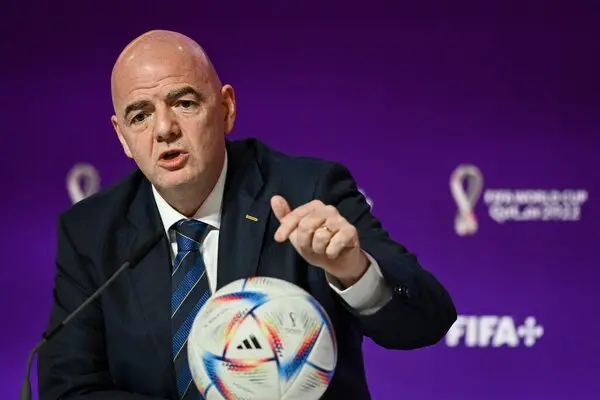
The largest football tournament on the planet has come to an end, but the noise off the field is louder than ever. Spain lifted the trophy after a tense 1-0 victory against Argentina in extra time, wrapping up a massive month of action across Canada, Mexico, and the United States. While millions of fans celebrated in the streets, FIFA President Gianni Infantino decided to address the people who criticized the event.
Instead of sticking to a typical media press conference, Infantino released a fiery 15-slide statement on his personal Instagram account and official FIFA channels. He hit out directly at journalists, media commentators, and critics, accusing them of spreading hatred, false rumors, and negativity instead of enjoying the beautiful game.
Here at WhatsBuzzn, we love keeping you up to date on trending global stories, breaking sports news, and culture updates. You can learn more about our mission to bring you simple, engaging news on our about page.
If you missed the drama following the final whistle, here is a complete breakdown of what Gianni Infantino said, why critics were unhappy during the tournament, and how the football world is reacting.
The Statement That Shocked the Football World
Shortly after the tournament ended, Gianni Infantino posted a lengthy open letter addressed to anyone who had questioned how FIFA organized the tournament. The tone was sharp, personal, and surprisingly candid for the head of world football’s governing body.
Build Funnels, Email Lists & Sell Online With One Free Tool
Create funnels, send emails, and sell online using Systeme.io without paying for multiple tools.
Create Free AccountFree forever • No credit card • Beginner-friendly
Infantino opened his message by offering a sarcastic apology to those who chose to focus on bad news over football. He wrote that he felt sorry for people who were so consumed by hate and criticism that they missed all the joy and togetherness the tournament created across North America.
He went further by telling his detractors to change their daily habits. Infantino suggested that instead of spending time writing negative articles or posting online complaints, critics should reflect, meditate, pray, smile, spend time with loved ones, or simply sit down and watch a football match.
The FIFA boss also stood up for his organization, making a clear distinction between commentators writing from behind a desk and the workers organizing the event. According to reports covered by The Guardian, Infantino stressed that while critics hide behind screens spreading rumors, FIFA staff members were on the front lines working hard in host cities to deliver the best show on Earth.
He stated that the event was a massive success from a security standpoint, claiming there was zero violence and complete safety across every stadium and fan park. For Infantino, the tournament represented humanity at its best, and he felt the constant complaints from certain media outlets overlooked the happiness experienced by billions of fans worldwide.
Why Were People Criticizing the 2026 World Cup?
To understand why Infantino was so angry, it helps to look at what critics were actually saying during the tournament. The expanded 48-team format was always going to bring logistical challenges, but several specific events triggered major debates throughout the summer.
The Folarin Balogun Red Card Drama
One of the biggest controversies of the entire tournament involved United States forward Folarin Balogun. After receiving a suspension that should have ruled him out of a crucial knockout match, FIFA unexpectedly overturned the decision.
Rumors quickly spread when news broke that former US President Donald Trump had spoken directly with Infantino shortly before the ruling was announced. While FIFA insisted that their independent disciplinary committee made the choice without outside pressure, critics and rival teams argued that political favors were being granted.
European football leaders were furious over the decision. Reports from outlets like Goal.com noted that several federation officials felt the ruling damaged the sporting integrity of the tournament.
Visa Restrictions and Travel Headaches
Another major issue was the difficulty international fans and officials faced when trying to enter the United States. Strict government visa rules meant that supporters from nations like Iran, Senegal, Ivory Coast, and Haiti struggled to get travel clearance in time for matches.
In some cases, teams faced unusual travel requirements. For example, the Iranian national team was told that players and staff had to enter and exit US territory on the exact day of their matches, forcing them to move their training base outside the country. Even an African referee missed out on officiating matches because of visa delays.
High Ticket Prices and Fan Expenses
Football fans on social media frequently complained about ticket costs. Attending a single group stage match cost significantly more than in previous tournaments, making it hard for everyday working-class supporters to follow their national teams in person.
Many supporters felt that FIFA prioritized corporate sponsors and wealthy spectators over traditional football culture. When combined with high accommodation costs across expensive North American host cities, the overall price of attending games became a hot topic throughout June and July.
On-Field Refereeing and VAR Calls
Referees always come under scrutiny during major tournaments, but several matches saw exceptionally heated disputes. Egypt’s coaching staff openly criticized match officials following their round-of-16 loss against Argentina, claiming that crucial VAR reviews favored bigger teams.
Similar complaints emerged from other games, leading critics to question whether refereeing standards were consistent across all fixtures.
How Infantino Defended FIFA’s Record
In his social media post, Infantino did not ignore these complaints, but he dismissed them as minor issues blown out of proportion by negative reporters. He used specific arguments to defend FIFA’s track record and choices.
Addressing refereeing mistakes and overturned player suspensions, Infantino argued that disputed red cards, yellow cards, and disciplinary decisions happen every single week in domestic leagues around the world. He pointed out that fans and managers accept these decisions in the English Premier League or La Liga, so it was hypocritical to treat them as massive scandals when they happen at the World Cup.
On the topic of safety, Infantino painted a picture of absolute harmony. He pointed out that around seven million fans traveled to stadiums across the US, Canada, and Mexico without major security incidents or fan violence.
He highlighted the fact that families, children, and grandparents came together peacefully to celebrate sport. In his eyes, a few operational hiccups or political debates should not obscure the fact that millions of people had the time of their lives.
How the Football Community Reacted
Infantino’s statement immediately sparked a split response across the football community. The tone of his message surprised many sports analysts, while regular fans debated his points across X, Instagram, and Reddit.
Some fans agreed with the FIFA president. They argued that mainstream sports media tends to focus heavily on off-field politics, price arguments, and drama rather than praising great football matches. Supporters of Infantino’s view pointed out that the tournament featured incredible games, giant-killings, and a world-class final that kept global audiences entertained from start to finish.
On the other hand, many journalists and football organizations felt Infantino was deflecting genuine criticism. Media commentators noted that questions about ticket prices, visa access, and political calls were completely valid and deserved clear answers rather than angry social media posts.
The tension even reached the highest levels of football governance. UEFA President Aleksander Ceferin chose not to attend the final match in person, signaling a deep divide between European football authorities and FIFA leadership.
Coverage from newspapers like the Evening Standard described Infantino’s message as an extraordinary rant that showed just how sensitive FIFA has become to public criticism.
Why Sports Headlines Drive So Much Online Discussion
Stories like this Infantino rant quickly go viral because football is much more than just a game. It is a mix of culture, politics, entertainment, and deep personal emotion. Whenever a major figure like the FIFA president speaks out forcefully, millions of people log on to express their opinions.
In the modern digital world, sports reporting moves at lightning speed. Content creators, digital publishers, and media outlets use modern strategies to make sure breaking stories reach fans within minutes.
If you are curious about how modern online media channels build massive audiences around trending topics, check out our guide on the YouTube automation category. Automated video creation has made it easier for creators to produce sports commentary, match breakdowns, and viral news updates automatically.
At the same time, platforms rely on advanced software and algorithms to deliver breaking news to readers based on their interests. You can learn more about how technology is changing digital publishing in our technology and AI section. Modern tools allow news sites to analyze trends, track global reactions, and bring you accurate updates almost instantly.
Build Funnels, Email Lists & Sell Online With One Free Tool
Create funnels, send emails, and sell online using Systeme.io without paying for multiple tools.
Create Free AccountFree forever • No credit card • Beginner-friendly
What This Means for Future FIFA Tournaments
Infantino’s fiery message gives us a clear look at how FIFA intends to handle public relations going forward. As the organization prepares for future events, including the 2030 tournament across six countries and the 2034 tournament in Saudi Arabia, public scrutiny will only grow.
By taking a firm stance against critics now, Infantino is setting a baseline for how FIFA responds to media pressure. Instead of apologizing for mistakes or promising structural changes, FIFA appears ready to push back hard against media narratives and focus entirely on overall viewership numbers, revenue success, and global fan turnout.
While critics will continue to monitor FIFA’s governance, Infantino’s message makes one thing clear: FIFA believes its primary job is delivering a massive global spectacle, and it will not let negative reporting slow down its plans.
Frequently Asked Questions (FAQs)
What did Gianni Infantino say to World Cup critics?
Gianni Infantino posted a 15-slide statement accusing critics of being consumed by hate and spreading false rumors. He told journalists and detractors to reflect, meditate, pray, smile, or watch a football match instead of spreading negativity about FIFA’s tournament organization.
Who won the 2026 FIFA World Cup?
Spain won the 2026 FIFA World Cup by defeating Argentina 1-0 after extra time in the final match.
Why was the Folarin Balogun situation so controversial?
United States forward Folarin Balogun had a red card suspension overturned by FIFA’s disciplinary committee. Critics raised concerns after reports surfaced that US President Donald Trump had spoken directly with Infantino prior to the decision, leading to allegations of political interference.
Where was the 2026 FIFA World Cup held?
The 2026 tournament was co-hosted across three countries: Canada, Mexico, and the United States, featuring 16 host cities in total.
Why did some fans struggle to attend matches in person?
Many fans struggled to attend games due to high ticket prices, expensive travel costs across North America, and strict US visa restrictions that delayed travel permissions for supporters and officials from several countries.
Conclusion.
The debate surrounding the 2026 World Cup shows that big sporting events are rarely just about what happens on the pitch. While Spain celebrates its world championship victory, the conversation about how FIFA handles ticket pricing, political decisions, and media criticism will carry on for years to come.
What do you think about Gianni Infantino’s statement? Did he have a point about media negativity, or were critics right to raise concerns?
We love hearing your thoughts on trending global stories. If you want to get in touch with our editorial team, submit a story idea, or ask a question, visit our contact page.
Do not forget to stay connected with us on social media for daily viral updates, sports coverage, and trending headlines:
- Follow us on Instagram
- Like our page on Facebook
- Join the conversation on X (formerly Twitter)
