
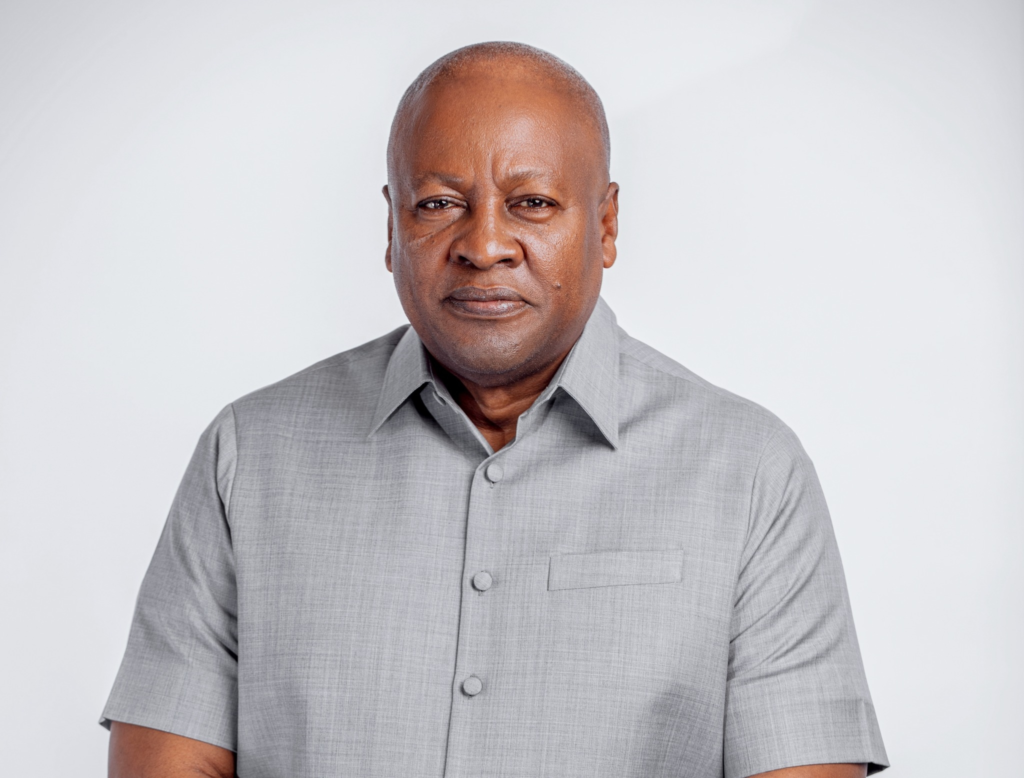
Big news is coming out of West Africa, and it has people talking everywhere. Ghana is considering a major change to how its political system operates. The country is looking into extending its presidential term length from four years to five years.
Ghana is widely recognized across Africa as one of the most peaceful and stable democracies. So whenever Ghana makes a move to adjust its constitution, the rest of the continent pays close attention.
Here at Whatsbuzzn, we break down major stories in simple terms so you can stay informed without feeling overwhelmed by heavy political jargon. In this article, we will look at what this proposed five-year term means, why political leaders are pushing for it, what critics are saying, and how it could affect everyday life.
What Is the Proposed Five-Year Presidential Term?
To understand why this proposal is generating so much discussion, it helps to look at how Ghana currently handles national elections.
Under the current 1992 Constitution, a president in Ghana serves a four-year term. A leader can run for re-election once, meaning the absolute maximum time a single person can serve as president is eight years.
Build Funnels, Email Lists & Sell Online With One Free Tool
Create funnels, send emails, and sell online using Systeme.io without paying for multiple tools.
Create Free AccountFree forever • No credit card • Beginner-friendly
The new proposal suggests extending each single term from four years to five years. If this change goes through, a president who serves two terms would lead the country for ten years total instead of eight.
This idea is not entirely brand new. Over the past decade, several former leaders, political scientists, and constitutional review committees have suggested this exact change. They argue that four years is simply too short for any government to plan, fund, and finish big development projects.
Major news outlets like BBC News have covered similar constitutional debates in West Africa, showing that finding the right balance between election cycles and government performance is a common challenge across the region.
Why Supporters Want a Five-Year Presidential Term
Why are so many political leaders and policy experts in favor of adding an extra year to the presidential term? There are several main reasons that supporters frequently bring up.
Giving Governments Time to Finish Major Projects
Building major infrastructure takes time. Constructing highways, building new hospitals, upgrading school systems, and expanding electric grids cannot happen overnight. In many cases, these massive projects take four to six years to plan and complete.
When a president only has four years, their first year is usually spent setting up an administration, appointing ministers, and passing their first budget. By the third year, political parties are already shifting into campaign mode for the next election. That leaves only about two full years of focused work.
As a result, many leaders leave behind uncompleted buildings and half-done projects when their term ends. If a new political party wins the next election, they often abandon those projects to start their own. Supporters believe a five-year term gives leaders enough time to finish what they start.
Saving Money on Frequent Elections
Organizing national elections costs millions of dollars. The government must pay for ballot papers, security, election staff, voter registration updates, and digital counting systems.
On top of government spending, political parties spend enormous amounts of money on campaign rallies, advertisements, and travel.
Running nationwide elections every four years places a heavy financial burden on a nation’s economy. By switching to a five-year term, the country holds fewer elections over a long period. The money saved on election costs can be redirected toward public health, education, and road repairs.
Reducing Political Tension and Market Distractions
Elections can bring a lot of uncertainty. During election years, local and foreign investors often hold back their money because they want to see who wins before making big financial moves. Businesses pause hiring, and overall economic activity slows down.
When elections happen every four years, the nation spends a large portion of its time in a tense political climate. Moving to a five-year cycle gives the business community longer periods of stability, allowing the economy to grow with fewer interruptions.
Why Critics Worry About a Five-Year Term
While the arguments in favor of a five-year term make practical sense, the idea also faces resistance. Opposition members, civil rights groups, and ordinary citizens have raised important concerns.
Holding Leaders Accountable Sooner
Voting is the most powerful tool citizens have to hold their leaders accountable. If a president does a great job, citizens can reward them with a second term. If a president does a poor job, fails to fix the economy, or allows corruption to spread, voters can remove them through the ballot box.
Critics argue that waiting five years to remove a poor leader is too long. If an administration is managing the economy poorly, an extra year of bad leadership can cause serious harm to everyday citizens. A four-year cycle keeps politicians on their toes, knowing they must deliver results quickly if they want to stay in office.
Protecting Democratic Norms
Ghana has built an impressive reputation for peaceful power transitions over the last thirty years. Critics worry that changing constitutional rules regarding presidential terms could set a risky precedent.
In some African nations, modifying term limits or term lengths has been used by leaders to hold onto power longer than intended. While Ghana’s democratic institutions are strong, opponents argue that keeping the traditional four-year term is safer for protecting public trust.
How Ghana Compares to Other Countries
Ghana is not alone in debating the ideal length for a president’s term. Countries around the world use different systems based on their laws and history.
- Four-Year Systems: Countries like the United States and Nigeria use four-year presidential terms with a two-term limit. Citizens in these nations also frequently debate whether four years gives leaders enough time to work, but the rule remains in place.
- Five-Year Systems: Countries like Kenya, South Africa, and France use five-year presidential terms. In these nations, five years is viewed as the ideal timeframe to balance governance and democratic accountability.
International media channels such as Reuters and Al Jazeera regularly track these political shifts because changes in governance rules directly influence foreign investment and regional trade.
What Must Happen Before This Proposal Becomes Law?
A presidential term change cannot happen overnight. A president or parliament cannot simply sign a paper and change the constitution. Ghana has strict legal steps that must be followed.
- Parliamentary Debates: The proposed amendment must be submitted to Parliament. Lawmakers from different political parties must debate the bill and vote on it.
- Special Majority Votes: Changing core sections of the constitution usually requires a two-thirds majority vote in Parliament, meaning both the ruling party and the opposition must agree.
- Public Referendum: Because rules about presidential elections are deeply rooted in Ghana’s constitution, citizens usually get to vote directly in a national referendum.
This means that ordinary citizens will have the final say on whether Ghana switches to a five-year presidential term.
How Digital Media and Tech Influence Modern Political Debates
Political conversations today look very different from how they looked twenty years ago. The debate around Ghana’s presidential term is happening across social media, online forums, and digital news platforms.
Younger citizens are getting their news through short videos, podcasts, and online commentary. People can watch parliamentary debates live on their smartphones and share their opinions in real time.
This shift shows how fast technology is changing how we consume information. If you enjoy learning about how digital tools and new technology are changing our world, take a look at our section on technology and AI. Staying tech-savvy helps you separate factual news from online rumors.
At the same time, many online creators and news platforms use automated media tools to produce quick video updates on trending stories. If you want to know how creators build popular channels around world news and viral topics, check out our guide on YouTube automation. Digital platforms give everyday citizens a louder voice in political discussions than ever before.
What This Potential Change Means for Ordinary Citizens
At the end of the day, constitutional debates matter because they affect daily life. Here is how a five-year term could touch the lives of regular people in Ghana:
- Fewer Disruptions: Citizens will deal with election campaigns every five years instead of four, leading to less noise and fewer political rallies interrupting daily routines.
- More Careful Voting: Knowing that a president will serve for five years puts extra responsibility on voters to choose carefully on election day.
- Economic Consistency: Small business owners, traders, and workers benefit when government policies stay consistent for longer periods without sudden campaign shifts.
Frequently Asked Questions (FAQs)
Has Ghana officially changed the presidential term to five years?
Not yet. The five-year term is a proposed change being discussed by lawmakers, legal experts, and constitutional review groups. It must go through parliamentary approval and likely a public vote before becoming law.
Build Funnels, Email Lists & Sell Online With One Free Tool
Create funnels, send emails, and sell online using Systeme.io without paying for multiple tools.
Create Free AccountFree forever • No credit card • Beginner-friendly
Will the current president automatically get an extra year?
No. Constitutional amendments regarding term limits typically do not apply retroactively to an active term. Any new rule would apply to future election cycles.
How many terms could a president serve under a five-year system?
The proposed plan maintains the two-term limit. Under a five-year system, a president could serve a maximum of ten years total if re-elected.
Do other West African countries use five-year terms?
Yes, several countries in Africa operate on five-year presidential terms, including Kenya, Senegal, and South Africa.
How can citizens express their opinions on this proposal?
Citizens can participate in public consultations, community town halls, organized debates, and ultimately vote in a national referendum if one is held.
Final Thoughts
Ghana’s discussion about moving to a five-year presidential term shows a democracy that is open to reviewing its rules and finding better ways to serve its people. Whether you believe four years keeps leaders accountable or five years gives them the time needed to build a nation, both perspectives offer valuable points.
As this story continues to develop, staying informed is the best way to understand how these political changes shape economic growth and daily life across West Africa.
What are your thoughts on presidential term lengths? We always value hearing different perspectives. If you have any feedback or questions for our editorial team, please visit our Contact page and send us a message!
To stay updated on the latest trending news in politics, lifestyle, and technology, make sure to follow us across our official social channels:
- Connect with us on Instagram
- Join the conversation on Facebook
- Get real-time updates on X (formerly Twitter)
