
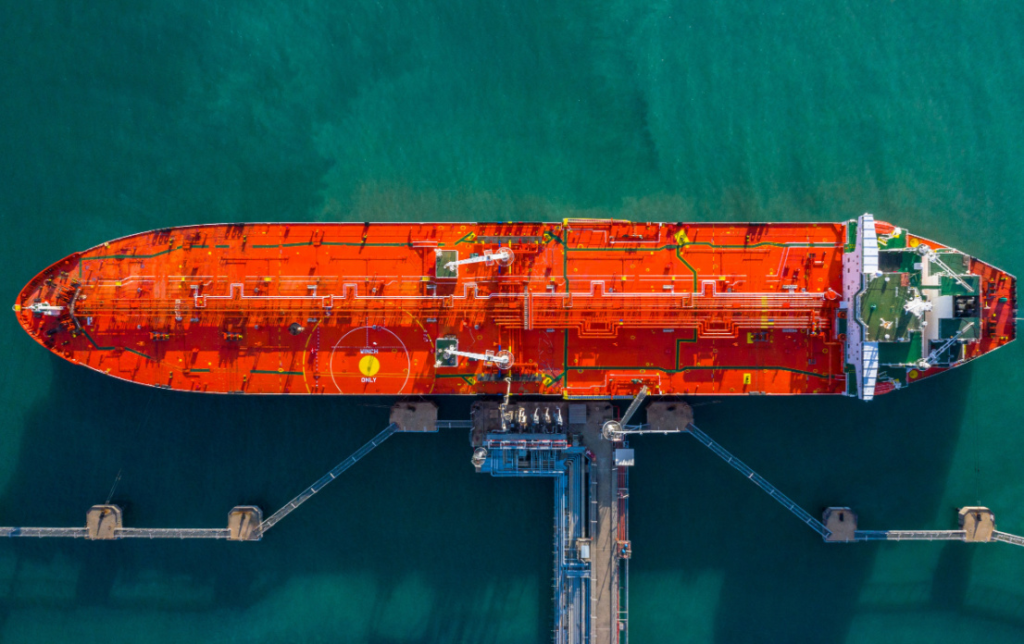
A Panamanian-flagged crude oil tanker burst into flames in the dangerous waters of the Strait of Hormuz, triggering a high-stakes maritime emergency off the coast of Oman. The vessel, identified as the RITI, was targeted and struck just miles from shore, sending thick black smoke into the sky above the world’s most critical oil corridor.
Royal Navy of Oman rescue teams moved in rapidly. Amid towering flames and extreme heat, Omani search and rescue teams successfully evacuated all 25 crew members from the stricken tanker. The sailors were brought ashore and provided with immediate medical attention.
The attack marks another sharp escalation in a maritime region already teetering on edge. For months, commercial ships crossing the Persian Gulf have faced drone strikes, naval mines, and military confrontations. As naval forces scramble to maintain order, this latest blaze puts the spotlight back on the vulnerable crews who keep global trade moving through hostile waters.
What Happened Aboard the Oil Tanker RITI?
The drama unfolded roughly 1.6 nautical miles off the rugged coast of Oman’s Musandam Peninsula. The crude oil tanker RITI, registered under the Panamanian flag and tracked by international vessel monitors such as MarineTraffic, was navigating outward through the narrow strait when disaster struck.
According to initial reports, an unidentified projectile hit the port side of the ship. The impact ruptured outer sections of the hull and sparked an intense fire that quickly spread toward crew quarters and utility spaces. With crude oil onboard and fire spreading fast, the ship faced the risk of a catastrophic explosion.
The $0 Secret To Launching Your Entire Online Empire
Why pay hundreds every month for separate software? Build funnels, send emails, and make sales with Systeme.io completely free.
Get Started For $0Free Forever • No Credit Card Needed • Beginner-Friendly
The crew immediately broadcast distress signals across international maritime channels. In situations like this, seconds count. A burning crude carrier is essentially a floating bomb, and containing blazes on large tankers requires specialized equipment that crews alone cannot always deploy once flames take hold.
Oman’s Swift Maritime Intervention
Muscat’s Maritime Security Centre (MSC) received the emergency alert and coordinated an immediate response. The Royal Navy of Oman dispatched patrol vessels and rescue aircraft directly to the coordinates of the burning ship.
Rescue crews faced hazardous conditions. Thick smoke reduced visibility across the water, and secondary flare-ups threatened the integrity of the tanker deck. Despite the dangers, Omani rescue units managed to approach the vessel, secure evacuation pathways, and pull all 25 crew members to safety.
Omani military medical personnel treated the crew for smoke inhalation, minor burns, and shock before transferring them to shore facilities for full medical evaluations. Officials confirmed that every single crew member survived the ordeal, preventing what could have been a tragic loss of life.
The Strait of Hormuz Under Siege: Why This Waterway Matters
To understand why an attack on a single oil tanker sends shockwaves across international markets, you have to look at the geography of the Strait of Hormuz.
This narrow body of water separates Iran to the north from Oman and the United Arab Emirates to the south. At its narrowest point, the shipping channel is only about 21 miles wide, with actual inbound and outbound shipping lanes measuring just two miles wide each.
Despite its small physical footprint, the Strait of Hormuz serves as the main artery for the international energy trade. Around one-fifth of the entire world’s petroleum liquids passes through this passage every day. Massive volumes of crude from Saudi Arabia, Iraq, the UAE, Kuwait, and Qatar must cross this strait to reach international buyers across Asia, Europe, and North America.
When ships come under fire here, international shipping lines pause operations, insurance premiums skyrocket, and crude oil markets react immediately. The ongoing crisis reflects broader regional hostilities covered in our report on how global oil crises escalate as attacks hit the Strait of Hormuz.
Rising Tensions and Disrupted Shipping Corridors
Navigating the Persian Gulf has become a high-stakes gamble for commercial shipping lines. Over recent months, the corridor has seen continuous military friction between regional forces and international naval coalitions.
Merchant vessels have reported electronic interference, satellite navigation spoofing, and radio warnings ordering them to change course. Several ships have reported close encounters with unmanned aerial vehicles and naval mines floating in shipping lanes.
The situation mirrors the broader pattern of maritime unrest detailed in our analysis of U.S. and Iran trading strikes in the Strait of Hormuz. When military forces clash in open water, commercial tankers often get caught right in the crosshairs.
Conflicting Accounts: Mines, Missiles, and Disputed Sea Lanes
The attack on the RITI took place amid conflicting statements from regional authorities and naval monitoring agencies.
The United Kingdom Maritime Trade Operations (UKMTO), an agency that provides maritime security information for merchant shipping, reported that a commercial vessel was hit on its port side roughly 40 nautical miles south of Iran’s Lavan Island around the same time. The UKMTO confirmed that the crew was safe and noted that no massive oil spills had been reported immediately following the strike.
At the same time, Iran’s Islamic Revolutionary Guard Corps (IRGC) issued statements claiming that multiple tankers had been intercepted or damaged after attempting to navigate what Iranian officials labeled unauthorized southern transit corridors.
What Iran’s Revolutionary Guard Is Saying
Iranian military authorities claimed that three tankers encountered severe incidents in the waterway after ignoring radio warnings. According to statements published by Iranian state media, the military accused foreign-flagged tankers of turning off their Automatic Identification Systems (AIS) transponders and attempting to bypass established inspection procedures.
Send, Spend & Hold Money Worldwide Without Hidden Fees
Transfer money internationally at the real exchange rate and hold 40+ currencies in one account.
Open a Wise AccountMid-market rate • Fast transfers • 40+ currencies
The IRGC alleged that one supertanker carrying two million barrels of crude experienced an onboard explosion after striking a naval mine in southern waters. Iranian commanders warned commercial vessels against hugging the Omani coastline without explicit clearance, arguing that unauthorized corridors carry elevated security hazards.
Tehran has consistently demanded strict oversight over vessels transiting the strait, tying maritime passage directly to wider geopolitical demands, as outlined in our deep dive into what Iran demands to normalize shipping through Hormuz.
The View from International Naval Coalitions
Western naval forces and international maritime organizations present a very different narrative. Coalition naval commands argue that international law guarantees transit passage through international straits for all peaceful merchant vessels under the United Nations Convention on the Law of the Sea.
U.S. Central Command recently announced specialized mine-clearing operations designed to keep the primary international shipping lanes open. Naval commanders stressed that international forces are actively working to detect and destroy floating ordnance to protect unarmed merchant mariners.
The targeting of commercial ships has previously led to retaliatory operations, including instances where military strikes targeted naval assets to deter future maritime ambushes.
What This Means for Global Oil Prices and Everyday People
You might wonder how an explosion on a tanker thousands of miles away affects your daily life. The truth is that maritime disruptions in the Middle East have a direct, measurable impact on the global economy.
The moment news broke of the attack on the RITI and the dramatic rescue off Oman, energy traders reacted. Crude benchmarks, including Brent and West Texas Intermediate (WTI), saw immediate upward price pressure as buyers factored in the risk of supply disruptions.
When shipping routes face military threats, the impact trickles down through several distinct economic channels:
- Surging War Risk Insurance: Marine insurance underwriters dramatically hike “war risk” premiums for any vessel entering the Persian Gulf. These additional insurance fees can run into hundreds of thousands of dollars per voyage, costs that cargo owners inevitably pass along to consumers.
- Costly Route Diversions: When shipping channels become too dangerous, ship owners reroute vessels around the southern tip of Africa via the Cape of Good Hope. This detour adds 10 to 14 days of travel time, burns massive amounts of extra fuel, and ties up tanker capacity worldwide.
- Higher Refinery Feedstock Costs: Refineries in Europe, Asia, and North America depend on reliable flows of Middle Eastern crude. When shipments are delayed, refiners must bid higher prices for alternative oil sources, pushing wholesale fuel prices upward.
- Inflation on Consumer Goods: Higher fuel costs directly raise the price of trucking, aviation, and container shipping. Everything from grocery store produce to manufactured consumer electronics ends up costing more when transportation fuel becomes expensive.
Recent market reactions show how volatile energy markets become during Gulf flare-ups, reminiscent of when global oil prices surged to new highs during earlier pipeline and tanker disruptions.
Furthermore, these supply crunches test global production limits. Energy leaders have warned that spare production capacity is tight, echoing concerns detailed in our coverage on Aramco’s warnings about global oil supplies. Even major African oil producers feel the ripple effects across global logistics networks, as seen when shipping route tightening impacted crude flows.
The $0 Secret To Launching Your Entire Online Empire
Why pay hundreds every month for separate software? Build funnels, send emails, and make sales with Systeme.io completely free.
Get Started For $0Free Forever • No Credit Card Needed • Beginner-Friendly
The Diplomatic Balancing Act: Oman’s Vital Role
While military forces often dominate the headlines, the Sultanate of Oman plays an indispensable and distinct role in Gulf security.
Geographically positioned right at the mouth of the Strait of Hormuz, Oman controls the Musandam Peninsula, which overlooks the narrowest passage of the waterway. Unlike many of its neighbors, Oman has maintained a foreign policy grounded in neutrality, calm mediation, and active diplomacy.
Muscat as the Quiet Peacemaker
For decades, Oman has acted as a bridge between competing world powers. Muscat regularly hosts backchannel diplomatic discussions between Washington, European capitals, and Tehran. Its neutral stance allows it to communicate openly with all parties during regional crises.
The rescue of the 25 sailors on the RITI highlights Oman’s practical commitment to safety and humanitarian assistance. By stepping in swiftly to extinguish the flames and save the crew, Omani authorities prevented loss of life and contained potential environmental damage along their pristine coastlines.
Omani naval patrols maintain continuous vigilance along the Musandam coast, ensuring that ships in distress receive immediate aid regardless of their flag, ownership, or political background.
Can Diplomacy Prevent a Total Closure of the Strait?
The central question hanging over international energy markets is whether diplomatic channels can prevent a full shutdown of the waterway.
Diplomatic mediators from Qatar, Oman, and international bodies have been working behind closed doors to establish secure transit guidelines for commercial shipping. However, political negotiations face steep hurdles, particularly as broader diplomatic initiatives stall, such as when peace proposals and transit agreements collapsed.
Without clear security agreements and de-escalation protocols, merchant ships will remain vulnerable to unpredictable attacks, leaving the global economy exposed to sudden supply shocks.
Safety at Sea: What Happens to Tanker Crews Caught in Conflict Zones?
Behind the statistics, oil market charts, and military statements are human beings. The 25 sailors rescued by the Omani navy were civilian mariners doing their jobs under extraordinarily dangerous conditions.
Merchant sailors frequently come from countries like the Philippines, India, Indonesia, and various Eastern European nations. They sign multi-month contracts to provide for their families back home, operating ships that carry food, fuel, and raw materials across the globe.
When geopolitical conflicts spill into international shipping lanes, these civilian crews face immense risks:
- Psychological Stress: Navigating through active conflict zones creates severe anxiety for crews who have no defensive weapons and no military training to handle missile strikes or boarding operations.
- Physical Trauma: Explosions on tankers cause intense burns, shrapnel injuries, and toxic smoke inhalation from burning fuel and synthetic materials.
- Risk of Abandonment: In extreme cases where ships are severely damaged or impounded, crews can find themselves stranded at sea or trapped in foreign ports for months while legal and political battles play out.
International maritime bodies, including the International Maritime Organization (IMO), have repeatedly called on all military and political actors to respect the neutral status of commercial mariners. Civilian sailors should never become collateral damage in geopolitical disputes.
The successful evacuation of the RITI crew stands as a testament to the skill and quick response of Oman’s rescue units. Their intervention ensured that 25 workers will return home alive to their families rather than becoming casualties of an escalating regional conflict.
Frequently Asked Questions (FAQs)
What ship caught fire in the Strait of Hormuz?
The vessel involved was the RITI, a crude oil tanker sailing under the Panamanian flag. It was operating in the southern passage of the Strait of Hormuz when it was targeted and caught fire.
How many crew members were rescued from the burning tanker?
A total of 25 crew members were successfully evacuated from the vessel. All 25 sailors survived and received medical attention on shore from Omani military medical personnel.
Who rescued the crew of the oil tanker?
The rescue operation was carried out by the Royal Navy of Oman and coordinated through Oman’s Maritime Security Centre (MSC), which deployed patrol vessels and emergency teams to the scene.
Why is the Strait of Hormuz so critical for international trade?
The Strait of Hormuz connects the crude oil producers of the Persian Gulf with international shipping lanes. Approximately 20% of global petroleum liquids passes through this narrow chokepoint daily, making it the most vital transit point for the world’s energy supply.
How do attacks on oil tankers affect everyday gas prices?
When tankers are attacked, shipping insurance rates soar, shipping companies divert ships along longer and more expensive routes, and global crude oil prices rise. These elevated costs quickly pass down the supply chain to wholesale fuel suppliers and local gas stations, driving up pump prices for everyday drivers.
What should commercial vessels do when navigating high-risk maritime areas?
Commercial vessels are advised to register their transit plans with monitoring agencies like UKMTO, maintain active communication on international distress frequencies, post extra lookouts, implement Best Management Practices (BMP) for maritime security, and follow established international transit corridors.
The daring rescue of 25 sailors off the coast of Musandam provides a rare moment of relief in a deeply tense situation. Yet, the charred hull of the RITI serves as a stark reminder of the fragile balance maintaining global trade. As long as commercial energy corridors remain active military flashpoints, the crews who transport the world’s fuel remain vulnerable.
Resolving the standoff in the Strait of Hormuz will require serious diplomatic commitment from all regional and international actors. Until lasting maritime security arrangements take hold, naval forces and rescue teams will have to stay on constant alert to protect civilian lives on the open seas.
