
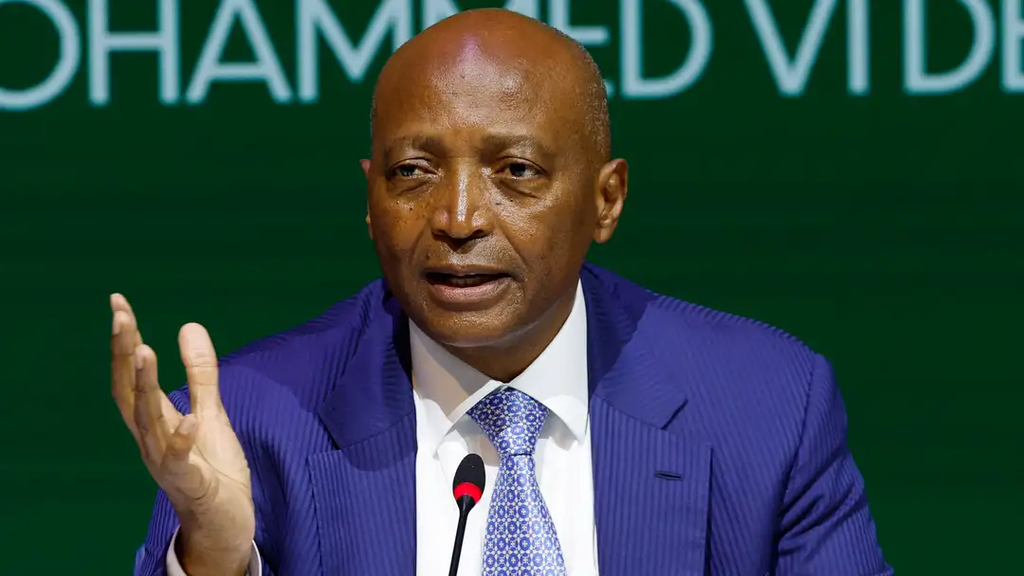
The Confederation of African Football has dropped a massive bombshell across world sports. In an emergency meeting that caught fans, federations, and European team executives off guard, the executive committee of CAF voted unanimously to keep the Africa Cup of Nations on a two-year cycle.
This dramatic decision tears up the controversial December 2025 resolution that planned to push Africa’s biggest sporting spectacle into a four-year cycle after 2028. African football authorities have made it crystal clear: the Africa Cup of Nations belongs to the people of Africa, and it is staying exactly where it has flourished since 1957.
This decision marks one of the biggest administrative reversals in modern sports governance. It sets the stage for a major cultural celebration across the continent while simultaneously igniting another fierce debate with powerful European clubs.
What Just Happened? The Unanimous Vote Inside CAF
The decision was sealed during a high-stakes gathering of the CAF Executive Committee led by CAF President Dr. Patrice Motsepe. Rather than continuing with a transition toward a quadrennial tournament, committee members across all regional zones reached full consensus.
According to the official communique issued by the Confederation of African Football, the choice to retain the biennial competition is directly rooted in protecting the financial health and competitive future of all 54 member associations.
The $0 Secret To Launching Your Entire Online Empire
Why pay hundreds every month for separate software? Build funnels, send emails, and make sales with Systeme.io completely free.
Get Started For $0Free Forever • No Credit Card Needed • Beginner-Friendly
Dr. Motsepe explained that staging AFCON every two years represents the single best pathway to fund grassroots football, upgrade regional stadiums, and give rising talent on the continent regular exposure on the international stage.
The vote effectively erases months of uncertainty. Back in late 2025, football fans woke up to reports that CAF was aligning its schedule with European and global formats. But after thorough strategic reviews, African football leaders concluded that copying other continents simply does not fit the financial and developmental reality of African sports.
The Four-Year Dream Is Dead: Why CAF Did a Complete Reversal
To understand why this U-turn happened so fast, you have to look at the numbers, the logistics, and the alternative tournaments CAF considered.
When talks of a four-year AFCON first surfaced years ago, backed heavily by FIFA administrative proposals, the argument was simple. Supporters argued that holding the tournament every four years would make it more exclusive, attract massive global corporate sponsors, and ease the scheduling headaches of European clubs who employ the continent’s best players.
However, theory quickly crashed into practical reality.
Money Talks: The Lifeblood of African Football
The Africa Cup of Nations is not just a prestigious football trophy. It is the financial heartbeat of continental football. The tournament generates over 80 percent of CAF’s total commercial revenue through broadcast rights, ticketing, and corporate sponsorships.
CAF redistributes this income directly to its 54 member associations. For dozens of national football associations, these regular payouts keep national teams active, support women’s youth leagues, pay local match officials, and maintain regional training complexes.
If AFCON were moved to a four-year cycle, that commercial income would be cut in half. Most African federations cannot survive on a single major payout once every four years. Without government bailouts, local football development in smaller nations would grind to a halt.
The Failure of the Proposed Africa Nations League
To bridge the potential revenue gap of a four-year AFCON, planners had explored launching an Africa Nations League, modeled loosely after UEFA’s European competition. The idea was to stage this league every two years to maintain TV revenue between four-year AFCON finals.
During recent strategic assessments in Cabo Verde, CAF leadership admitted that the math did not work. Building a brand-new tournament from scratch takes years of brand recognition, marketing, and investor trust.
An untested Africa Nations League could not guarantee the broadcast revenues that AFCON already delivers automatically. Waiting five to ten years for a new competition to break even was an unacceptable risk for federations that need working capital right now. CAF chose the certainty of its flagship crown jewel over an untested side project.
The New AFCON Roadmap: Dates and Schedule Through 2033
With the biennial cycle restored, CAF has laid out a clear tournament roadmap for the upcoming decade.
The schedule provides immediate clarity for national teams competing in the intense ongoing AFCON qualifiers. Fans and federations can now plan long-term travel, stadium builds, and sponsorship agreements.
The upcoming tournament editions will roll out as follows:
- 2027 Tournament: Staged jointly across East Africa in Kenya, Tanzania, and Uganda.
- 2028 Tournament: The following biennial edition to solidify the traditional schedule.
- 2030 (No AFCON): In line with global standards, CAF will not host a tournament during a FIFA World Cup year.
- 2031 Tournament: The resumption of the regular two-year rhythm.
- 2033 Tournament: The subsequent continental championship.
Why 2030 Is Skipped
Some fans wondered why there will not be a tournament in 2030 if the competition is held every two years.
Send, Spend & Hold Money Worldwide Without Hidden Fees
Transfer money internationally at the real exchange rate and hold 40+ currencies in one account.
Open a Wise AccountMid-market rate • Fast transfers • 40+ currencies
CAF confirmed that it remains committed to international football harmony. Under long-standing international sporting rules, continental championships avoid scheduling their finals in the exact same calendar year as the FIFA Men’s World Cup.
With the 2030 World Cup expanding across multiple continents, African national teams will dedicate their full international windows to global qualification and preparation. Resuming the tournament in 2031 maintains the two-year cadence without overloading international calendars.
The Historic East Africa 2027 Finals
The 2027 competition represents a massive milestone for regional sports development. Kenya, Tanzania, and Uganda are collaborating under the historic “Pamoja” joint-hosting agreement.
New stadiums, airport expansions, and hotel infrastructure projects are already progressing rapidly across Nairobi, Dar es Salaam, and Kampala. Returning to a predictable two-year calendar provides these host nations with heightened commercial certainty as corporate sponsors invest in regional travel and telecommunications infrastructure.
What This Means for Africa’s Heavyweights
The return to a two-year tournament has an immediate impact on the giants of African football. Powerhouses that have dominated continental competitions can now continue chasing silverware and building competitive momentum.
Egypt: The Record Kings Defend Their Throne
Egypt remains the most successful national team in the history of the Africa Cup of Nations, holding seven titles. For the Pharaohs, a two-year tournament cycle is central to their sporting identity.
Egyptian football thrives on regular continental competition. With world-class domestic clubs like Al Ahly and Zamalek regularly competing in continental club championships, the national team relies on frequent AFCON tournaments to test domestic talent alongside European-based stars.
A four-year wait would have limited golden generations from winning multiple trophies. By keeping the tournament biennial, Egypt gets consistent opportunities to chase their long-awaited eighth star.
Morocco: Transforming Infrastructure into Continental Trophies
Morocco has established itself as an undisputed heavyweight in global football, notably becoming the first African nation to reach a World Cup semi-final and inspiring historic African performances on the global stage.
The Royal Moroccan Football Federation has poured billions into state-of-the-art training centers, modern academies, and massive stadium upgrades. However, despite their modern dominance, Morocco has won AFCON only once, back in 1976.
The $0 Secret To Launching Your Entire Online Empire
Why pay hundreds every month for separate software? Build funnels, send emails, and make sales with Systeme.io completely free.
Get Started For $0Free Forever • No Credit Card Needed • Beginner-Friendly
For the Atlas Lions, a two-year tournament provides regular chances to translate their world-class facilities and deep roster into continental trophies. It also keeps their stadiums active with top-level international fixtures ahead of co-hosting global tournaments.
Senegal: Sustaining Elite Momentum
Senegal represents the gold standard of modern West African talent development. From grassroots academies in Dakar to top-flight leagues across Europe, the Lions of Teranga produce an endless supply of explosive wingers, disciplined defenders, and dynamic midfielders.
When Senegal lifted their first continental crown in 2022, it sparked a national renaissance in sports funding and youth participation. A two-year tournament window ensures that Senegalese players in their athletic prime have frequent opportunities to bring glory home to their supporters.
Tunisia: Tactical Consistency on the Big Stage
Tunisia has built a reputation as one of the most organized and tactically disciplined teams on the continent. The Carthage Eagles rarely miss a tournament and consistently reach the knockout stages through solid defensive structure and clever game management.
For North African sides with deeply competitive domestic leagues, a two-year AFCON provides crucial testing grounds for emerging local players looking to catch the eyes of scouts worldwide.
The Coming Storm in Europe: Will Top Clubs Object?
While fans across Lagos, Cairo, Dakar, and Casablanca celebrate the return of regular football, boardrooms across London, Paris, Madrid, and Milan are bracing for friction.
The relationship between CAF and European clubs has always been tense. Every two years, major European teams face the reality of releasing their best African players right in the middle of their grueling domestic seasons.
The Club Versus Country Battle
European managers frequently voice frustration when star players depart for three to four weeks in the winter. Losing a starting striker or a defensive anchor during the packed January and February schedule can disrupt title races or relegation battles.
Clubs pay millions in weekly salaries and argue that frequent international tournaments increase player fatigue and risk major injuries. In past years, European teams have quietly pressured players to skip international call-ups or delay their departure dates.
Top players often find themselves caught in painful standoffs between the employers paying their wages and the national flags they dream of representing, mirroring the difficult contract and transfer pressures surrounding elite African stars in Europe.
Why African Football Is Standing Its Ground
Despite complaints from European executives, CAF’s leadership is refusing to back down.
African football officials rightly point out a double standard. European nations host the UEFA European Championship, the UEFA Nations League, and extensive club competitions without asking permission from foreign leagues. African players should never be forced to apologize for representing their home nations.
Dr. Motsepe specifically noted that the decision was made with the welfare of African players in mind. Competing in AFCON provides these athletes with immense national pride, elevates their profiles, and connects them directly with their roots.
Under FIFA mandatory release rules, clubs have no legal authority to block official call-ups for sanctioned continental tournaments. European clubs will grumble, but they will have to adapt their roster depth and rotation strategies.
Grassroots, Culture, and Identity: Why AFCON Cannot Wait Four Years
Beyond broadcasting rights, sponsorship checks, and tactical setups, the Africa Cup of Nations holds a special place in global culture.
AFCON is not merely a sports tournament; it is a month-long celebration of African music, vibrant fashion, diverse culinary traditions, and passionate supporters. From the brass bands of West Africa to the choreographed chanting of North African ultras, the atmosphere at an AFCON match is unmatched anywhere in world sport.
A four-year gap would dull this cultural rhythm. For millions of families, gathering around outdoor television sets, neighborhood cafes, and community centers to cheer on their national teams every two years is an essential tradition.
Moreover, the tournament serves as the ultimate scouting showcase. Hundreds of African players competing in domestic leagues or modest clubs earn life-changing contracts after performing under the bright lights of AFCON. Waiting four years would slam the door on countless young athletes whose peak athletic window is short.
By keeping the tournament every two years, CAF keeps the dream alive for the next generation of African children kicking homemade balls on dusty community pitches.
Frequently Asked Questions
Why did CAF cancel the four-year plan and return to two years?
CAF reversed the decision because AFCON generates over 80 percent of the organization’s revenue. Moving to a four-year cycle would have severely cut the funds needed to run local football programs across all 54 member associations. In addition, an alternative tournament would take too long to produce steady income.
When are the next AFCON tournaments scheduled?
The next tournament will take place in 2027 in Kenya, Tanzania, and Uganda. Following that, tournaments are scheduled for 2028, 2031, and 2033.
Why will there be no AFCON tournament in 2030?
Under international football regulations, continental competitions avoid hosting their finals during a FIFA World Cup year. Because the World Cup is scheduled for 2030, CAF is skipping that year to avoid player burnout and scheduling clashes.
Can European clubs stop African players from attending the tournament?
No. Under official FIFA rules, clubs are legally obligated to release players selected by their national teams for sanctioned international tournaments. While clubs often express frustration about losing players during the middle of the European season, they cannot block players without facing disciplinary sanctions from FIFA.
What happened to the proposed Africa Nations League?
The Africa Nations League was evaluated as a potential competition to run between four-year AFCON tournaments. However, CAF determined that launching a new competition would require significant time to attract corporate sponsors and television networks, making it too risky to replace the reliable revenue of the Africa Cup of Nations.
Final Thoughts: A True Victory for African Sports
CAF’s official U-turn is a decisive declaration of independence. For years, outside critics and powerful foreign clubs have pressured African football to change its calendar to suit European club schedules.
By voting unanimously to protect the two-year Africa Cup of Nations, African football administrators have put their own players, their local federations, and their passionate supporters first. The tournament provides essential funding, unifies communities across borders, and showcases the incredible depth of African athletic talent to the entire planet.
The debate with European leagues will certainly continue, but the direction of African football is settled. The drums will keep beating, the stadiums will keep rocking, and the continent’s greatest sporting celebration will continue lighting up our screens every two years.
Join the Conversation
What do you think about CAF’s decision to keep AFCON every two years? Do you think European clubs will push back harder, or is this the best outcome for African football?
